The short answer is: Yes, red light therapy is effective for pets—but not equally for every condition, and not miraculously overnight. When used correctly for appropriate conditions, the scientific evidence is robust and growing.
In this comprehensive guide, we’ll examine the clinical research, break down effectiveness by condition, explore what realistic results look like, and help you determine if red light therapy is the right choice for your pet’s specific needs.
The Bottom Line: Effectiveness at a Glance
| Condition Category | Effectiveness Rating | Evidence Strength | Typical Timeline |
|---|---|---|---|
| Arthritis/Joint Pain | ⭐⭐⭐⭐⭐ Highly Effective | Strong (multiple studies) | 2-6 weeks |
| Wound Healing | ⭐⭐⭐⭐⭐ Highly Effective | Very Strong (decades of research) | Days to 2 weeks |
| Post-Surgical Recovery | ⭐⭐⭐⭐⭐ Highly Effective | Strong | 1-3 weeks |
| Acute Injuries (Sprains, Strains) | ⭐⭐⭐⭐ Very Effective | Strong | 24 hours to 1 week |
| Skin Conditions/Hot Spots | ⭐⭐⭐⭐ Very Effective | Moderate to Strong | Days to 2 weeks |
| Dental/Oral Pain | ⭐⭐⭐ Moderately Effective | Emerging | Varies |
| Ear Infections | ⭐⭐ Moderately Effective (adjunct) | Limited | As part of overall treatment |
| Neurological Conditions (IVDD) | ⭐⭐⭐ Moderately Effective (supportive) | Emerging | Weeks to months |
| Cancer | ⭐ NOT Effective / Contraindicated | Strong evidence against use | N/A – Do not use |

Beyond clinical studies, understanding real-world experiences helps set realistic expectations.
Success Stories
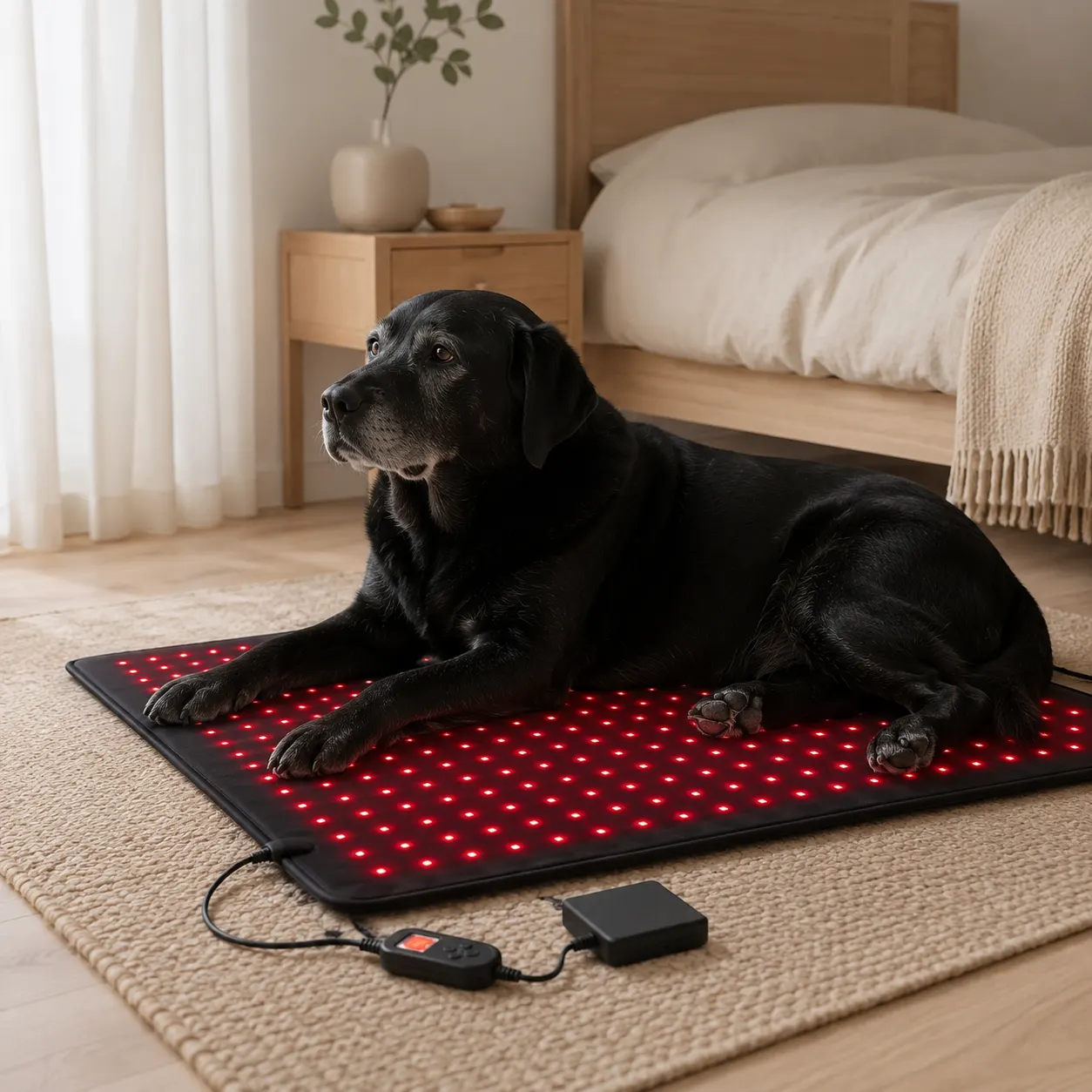
Case 1: Max, 12-year-old Labrador with severe arthritis
“After three weeks of treatments (twice weekly at the vet, then home maintenance), Max started initiating walks again. He’d been sleeping most of the day for months. Now he meets me at the door with his leash. He’s not a young dog again, but he’s a happier dog.”
Case 2: Luna, 5-year-old cat with chronic gingivitis
“Luna had painful gums and was eating less. After dental cleaning and a series of laser treatments, she’s back to eating comfortably. The vet says her gums look dramatically better.”
Case 3: Cooper, 2-year-old mixed breed with a hot spot
“Cooper’s hot spot was spreading despite our attempts to stop him licking. One session with the laser at the vet, and the next day it was visibly drier. Two sessions later, it was gone.”
What Success Looks Like
Effectiveness doesn’t always mean “cured.” It often means:
-
Better mobility: Getting up easier, climbing stairs, longer walks
-
Reduced pain medication: Lower doses or fewer medications
-
Improved behavior: More playful, engaged, and social
-
Better sleep: Less restlessness at night
-
Faster healing: Wounds close quicker, surgical recovery accelerates
When Results May Be Disappointing
Red light therapy may seem ineffective when:
-
The condition is inappropriate (e.g., expecting it to fix a torn ligament needing surgery)
-
The device is underpowered for the depth needed
-
Treatment is inconsistent (sporadic sessions rather than a protocol)
-
Expectations are unrealistic (expecting a cure for progressive disease)
-
Underlying issues aren’t addressed (e.g., obesity worsening arthritis)
How to Maximize Effectiveness
Work With Your Veterinarian
-
Get a proper diagnosis before starting treatment
-
Discuss whether red light therapy is appropriate for your pet’s specific condition
-
Ask about integrating it with other treatments (medication, physical therapy, weight management)
-
Consider professional treatments for initial induction, especially for deep or serious issues
Choose the Right Device
If using a home device:
-
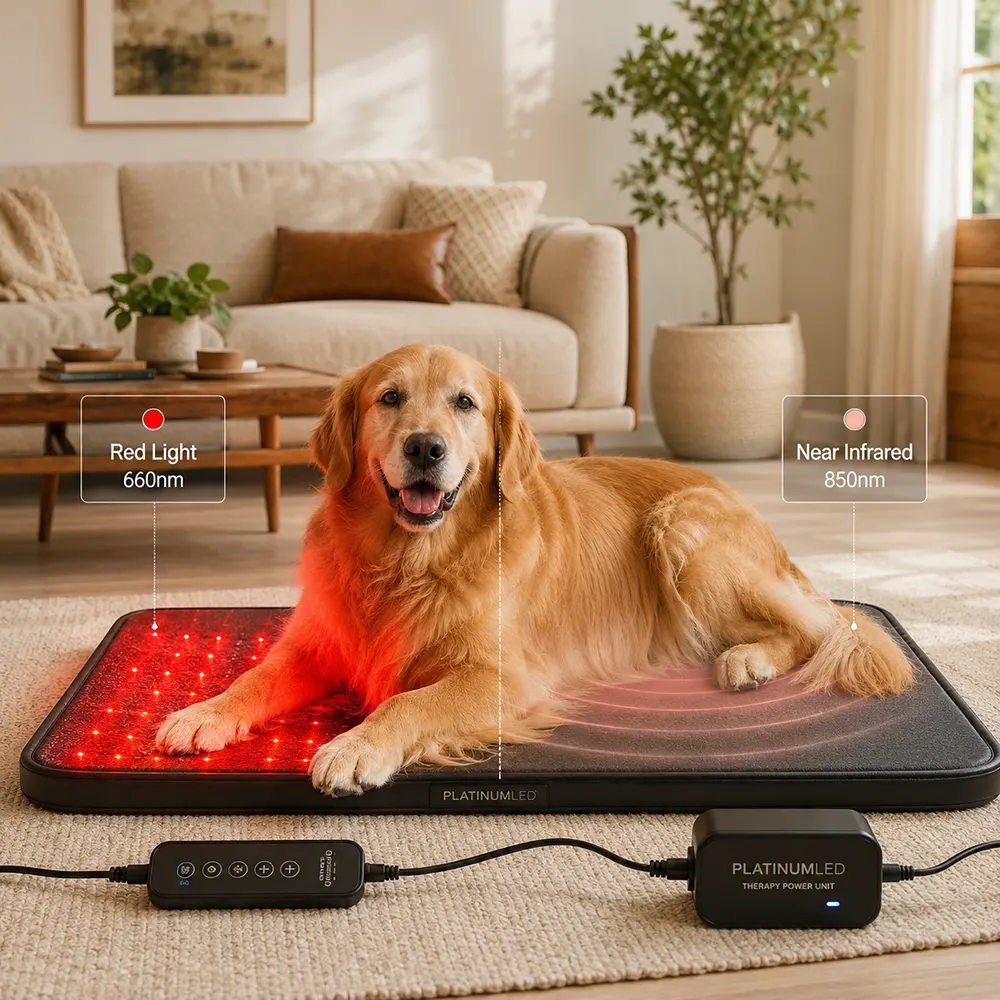
Research the manufacturer: Do they provide evidence? Are wavelengths specified (typically 660nm and 810-850nm)?
-
Check power output: Higher power generally means deeper penetration and shorter treatment times
-
Read reviews from verified purchasers, especially those with similar conditions
-
Avoid cheap, unbranded devices from unknown sources
Laser Therapy for Dogs FAQs
Does laser therapy really work on dogs?
Laser therapy is thought of as an effective treatment for reducing pain and inflammation, and it can help with wound healing. Keep in mind that laser therapy is usually recommended as part of a treatment plan, rather than the sole treatment.
Can laser therapy help my dog walk again?
Laser therapy can be used with other treatments for multiple conditions that may affect your dog’s ability to walk, such as intervertebral disc disease (IVDD) or osteoarthritis.
However, whether your dog’s walking ability gets better will depend on the specific underlying cause, the severity and length of the condition, and what other treatment options are used. Not all dogs that have lost the ability to walk—particularly if there is paralysis from a neurological cause—will be able to walk again.
Can I Use Light Therapy At Home?
Yes! The technology has become available to dog owners to use at home. You can either decide to use the Dog Leg Infrared Therapy Device which is great if your dog has sore joints because of arthritis, an arthritic wrist, hock or elbow. You fix the wrap around your dog’s carpus, hock, or elbow and the session is 10 minutes long. You can do treatments up to 3 x 10 minute sessions a day. The wrap has a timer to ensure the right dose of time. If your dog has particularly long, shaggy fur, then the advice is to do a 20 minute session to ensure it’s penetrated through.
If your dog needs treatment in a hard to reach area, or you need the flexibility to be able to treat different areas of the body then the Photizo VetCare handheld device will be the best option. This has been designed to be easy to use. You can buy one that is silent and doesn’t have any beeps to startle your dog, if your dog is sensitive to noise.