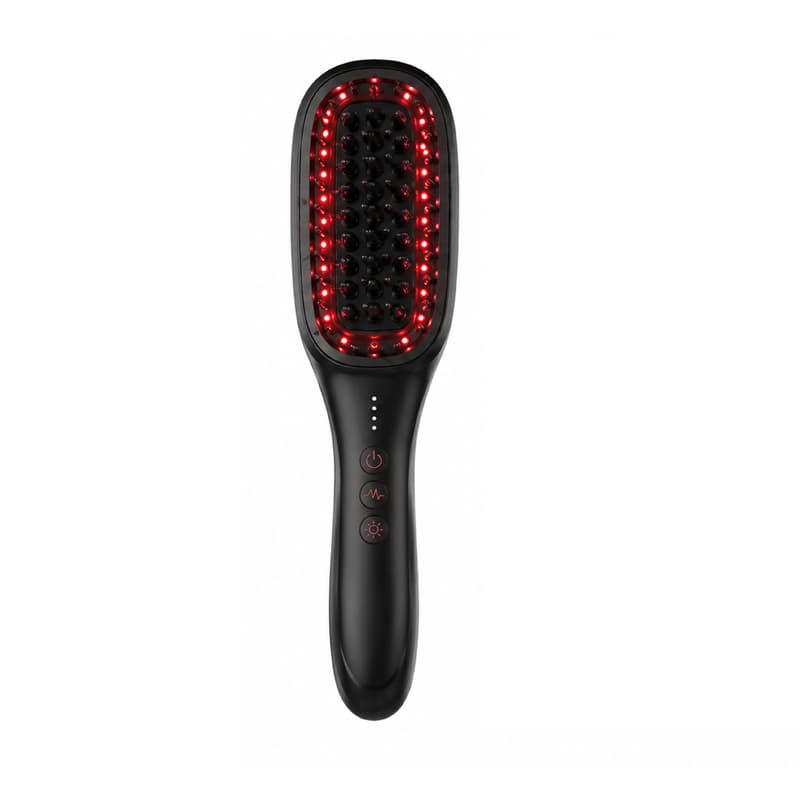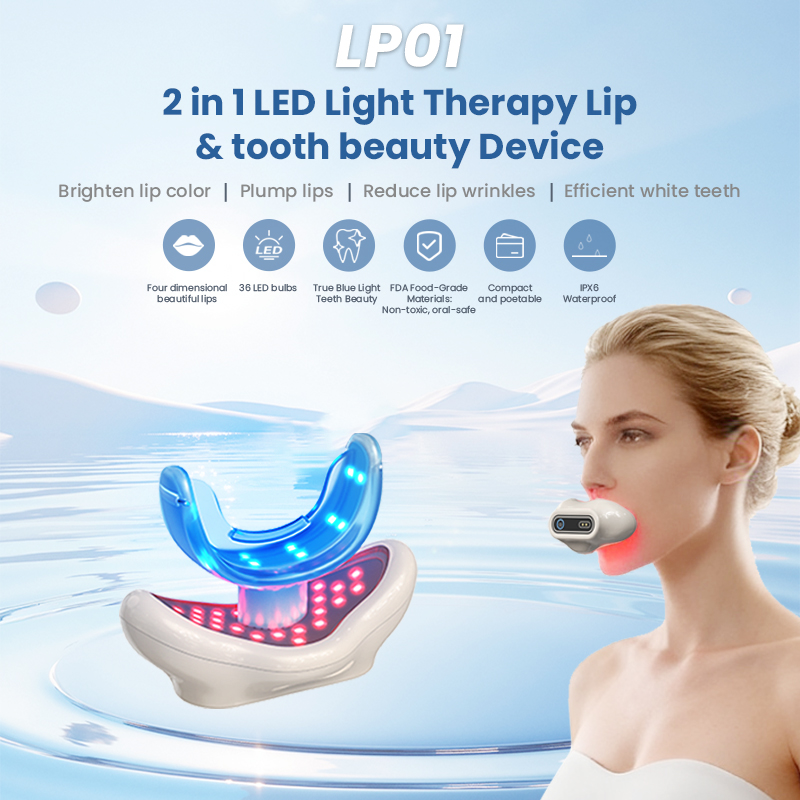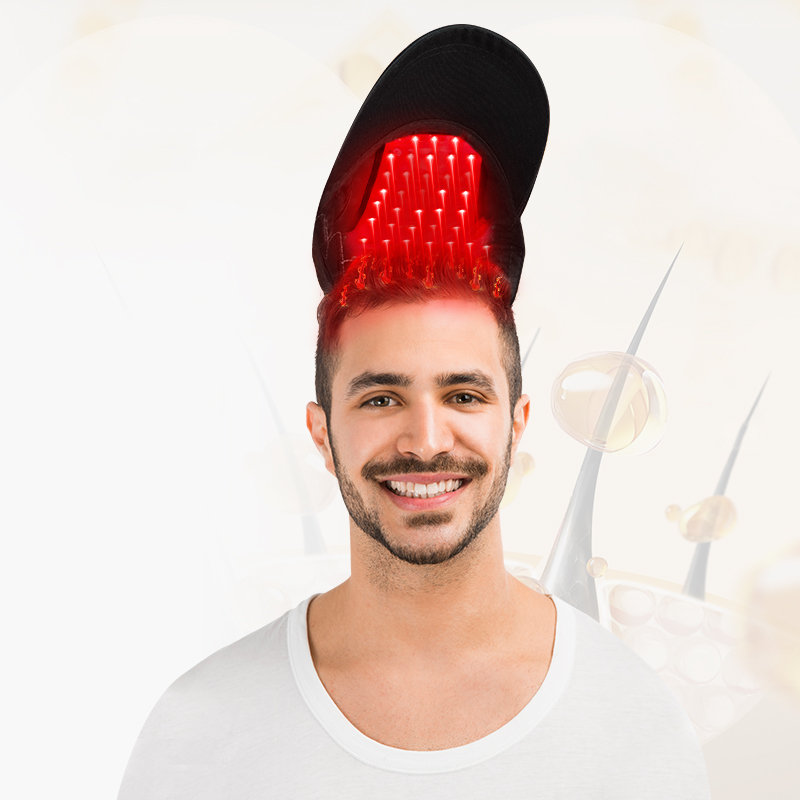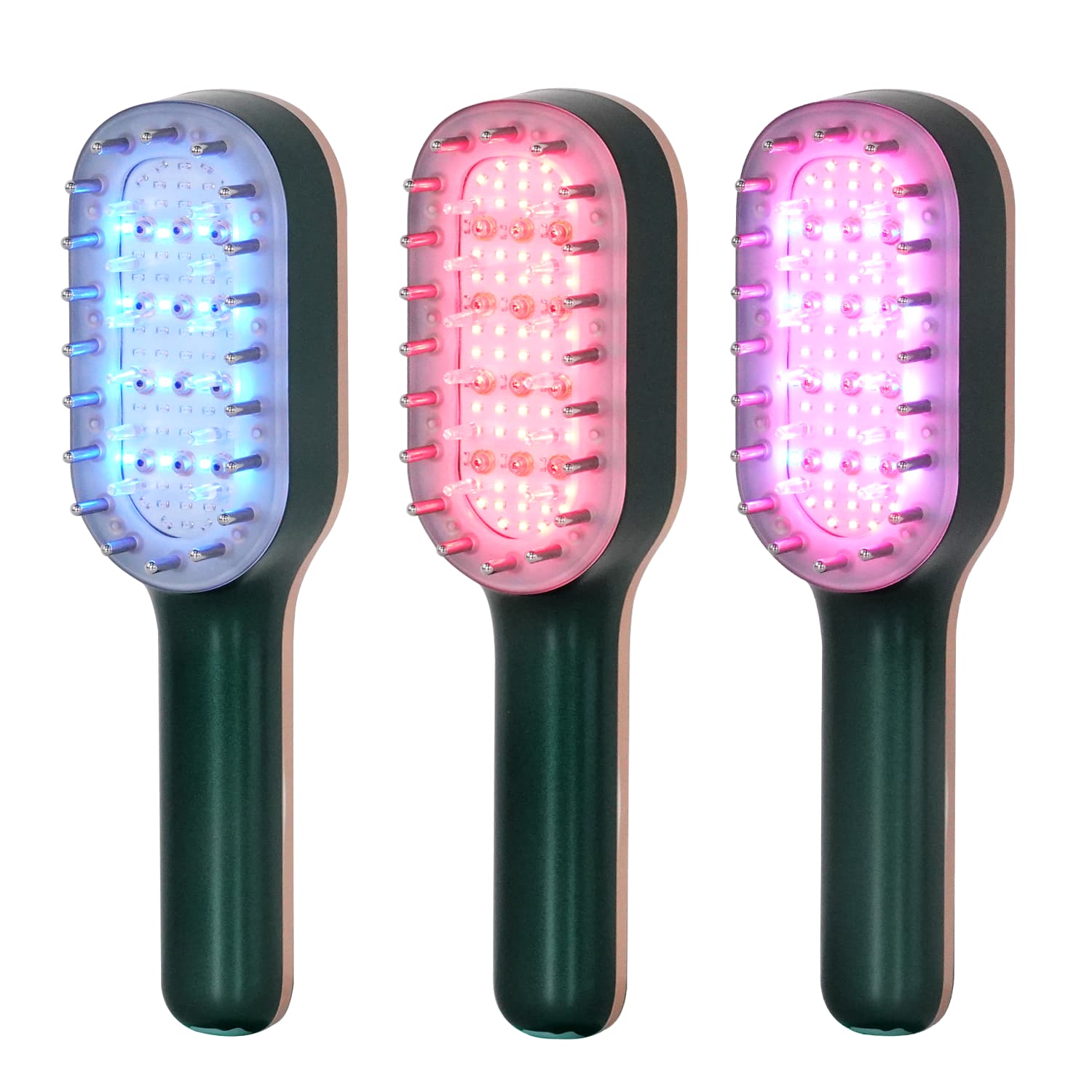
Red light therapy panels have become increasingly popular for skin rejuvenation, recovery, and performance enhancement. If you’ve searched for “how to make a red light therapy panel”, you’re probably curious about building your own device—or at least understanding how these panels work.
While DIY projects can be educational, it’s important to know that effective red light therapy requires precise engineering, correct wavelengths, and safe power output. In this guide, we’ll walk you through how red light therapy panels are made, what components are involved, and why professionally designed systems—like those from pureluxtech—deliver better and safer results.
Red Light Therapy Panel Overview
A red light therapy panel uses high-intensity LEDs to emit specific wavelengths of red and near-infrared (NIR) light. These wavelengths penetrate the skin and stimulate cellular mitochondria, increasing ATP production.
This process supports:
- Collagen production (anti-aging & skin health)
- Tissue regeneration
- Inflammation reduction
- Muscle recovery and repair
- Enhanced athletic performance
Unlike simple light sources, high-quality panels are designed to deliver consistent, targeted, and clinically relevant light energy.
What You Need to Make a Red Light Therapy Panel
If you are considering building your own red light therapy panel, here are the key components required:
1. LED Chips (Core Component)
You need high-quality LEDs that emit specific wavelengths:
- 630nm / 660nm (red light for skin & collagen)
- 810nm / 830nm / 850nm (near-infrared for deeper tissues)
⚠️ Not all LEDs are suitable—cheap LEDs may not deliver accurate wavelengths or sufficient power.
2. Power Supply
A stable power supply is essential to ensure:
- Consistent light output
- Safe operation
- Long LED lifespan
Improper voltage control can damage LEDs or reduce effectiveness.
3. Heat Dissipation System
High-power LEDs generate heat, so you’ll need:
- Aluminum heat sinks
- Cooling fans
Without proper cooling, performance drops and components degrade quickly.
4. Optical Lenses
Professional panels use lenses (often 30° beam angle) to:
- Focus light intensity
- Improve penetration
- Increase efficiency
DIY setups often lack proper optics, reducing effectiveness.
5. Panel Housing
A durable enclosure (usually metal) protects components and ensures:
- Safety
- Stability
- Long-term durability
6. Control System
Advanced panels include:
- Power adjustment
- Mode selection (red / NIR / combined)
- Timer functions
DIY versions are usually limited in control and flexibility.
Why DIY Red Light Therapy Panels Are Challenging
While building your own panel may sound appealing, there are several limitations:
- Inconsistent Wavelength Accuracy
Without specialized equipment, it’s difficult to ensure LEDs emit true therapeutic wavelengths.
- Low Irradiance
DIY panels often lack the power needed to deliver effective light energy (mW/cm²).
- Safety Risks
Improper wiring or heat management can lead to overheating or electrical hazards.
- Lack of Optimization
Professional panels are engineered for:
- Even light distribution
- Optimal LED spacing
- Balanced wavelength ratios
These factors are hard to replicate in DIY builds.
Professional Alternative: Pureluxtech Red Light Therapy Panels
Instead of building a panel from scratch, many users choose professionally designed solutions that deliver proven performance and safety.
At pureluxtech, our panels are engineered to provide:
- Optimized Wavelength Combinations
Supporting both skin-level and deep tissue therapy.
- High Irradiance Output
Delivering effective energy for visible and measurable results.
- Advanced LED Technology
Using high-power LEDs with precision optics for consistent performance.
- Reliable Build Quality
Designed for long-term use with efficient cooling and stable power systems.
Benefits of Using a High-Quality Panel
Choosing a professional red light therapy panel offers significant advantages:
- Stimulates Collagen Production
Improves skin elasticity and reduces wrinkles.
- Promotes Tissue Regeneration
Supports faster healing and recovery.
- Reduces Inflammation
Helps relieve discomfort and supports joint health.
- Enhances Athletic Performance
Improves recovery time and muscle function.
- Saves Time and Effort
No need to experiment with DIY builds—just plug in and use.
Who Should Use Red Light Therapy?
Red light therapy is ideal for:
- Skincare users (anti-aging & collagen support)
- Athletes (muscle recovery & performance)
- People with joint discomfort
- Wellness enthusiasts & biohackers
How to Use a Red Light Therapy Panel
To get the best results:
1. Set the Distance
Position the panel 6–12 inches (15–30 cm) from your body.
2. Choose Treatment Area
Face, neck, back, legs, or joints.
3. Set Session Time
Use for 10–20 minutes per area.
4. Stay Consistent
Use 3–5 times per week for optimal results.
Frequently Asked Questions (FAQ)
Q:Can I build my own red light therapy panel?
A:Yes, but it requires technical knowledge and may not achieve the same effectiveness as professional devices.
Q:Is DIY red light therapy safe?
A:It can be risky if not properly designed, especially regarding heat management and electrical safety.
Q:What wavelength is best?
A:A combination of 630nm, 660nm, and near-infrared wavelengths (810–850nm) is most effective.
Q:Why are professional panels better?
A:They provide higher irradiance, accurate wavelengths, and optimized design, leading to better results.
Q:Is it worth making your own panel?
A:For most users, purchasing a professional panel is more efficient, safer, and more effective.
Conclusion
If you’re exploring how to make a red light therapy panel, it’s important to understand that effective light therapy requires precision, power, and proper engineering.
While DIY projects can be a great learning experience, achieving clinical-level performance is challenging without the right tools and expertise.
That’s why many users turn to trusted solutions like pureluxtech, where every panel is designed to deliver real results—from collagen production and skin rejuvenation to faster recovery and improved performance.