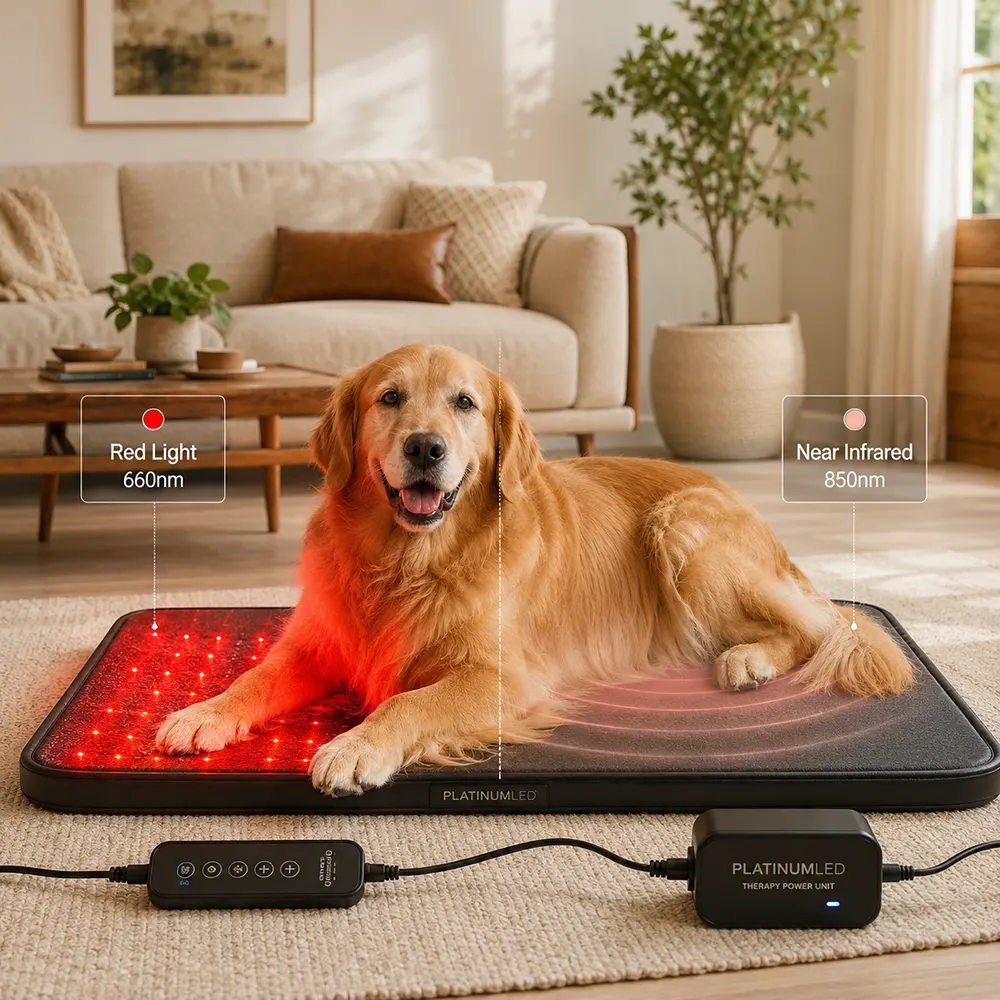
Die Wirksamkeit der Rotlichttherapie hängt nicht nur vom Einschalten eines Panels ab. Für Geräte, die **660 nm kombinieren **(sichtbar rot) und **850 nm **(Nahinfrarot) Wellenlängen, Die Leistung wird durch ein komplexes Zusammenspiel der Technik bestimmt, Komponentenqualität, und Nutzungsprotokolle. Das Verständnis dieser Einflussfaktoren ist für Hersteller, die OEM-Produkte entwickeln, von entscheidender Bedeutung, Händler bewerten Lieferanten, und Endverbraucher, die optimale Therapieergebnisse suchen.
In diesem Leitfaden werden die kritischen Variablen aufgeschlüsselt, die sich auf die tatsächliche Leistung von Dual-Wellenlängen-Therapiepanels auswirken, mit praktischen Erkenntnissen aus Industriestandards und fortschrittlichen Herstellungspraktiken, wie sie bei Pureluxtech zum Einsatz kommen.
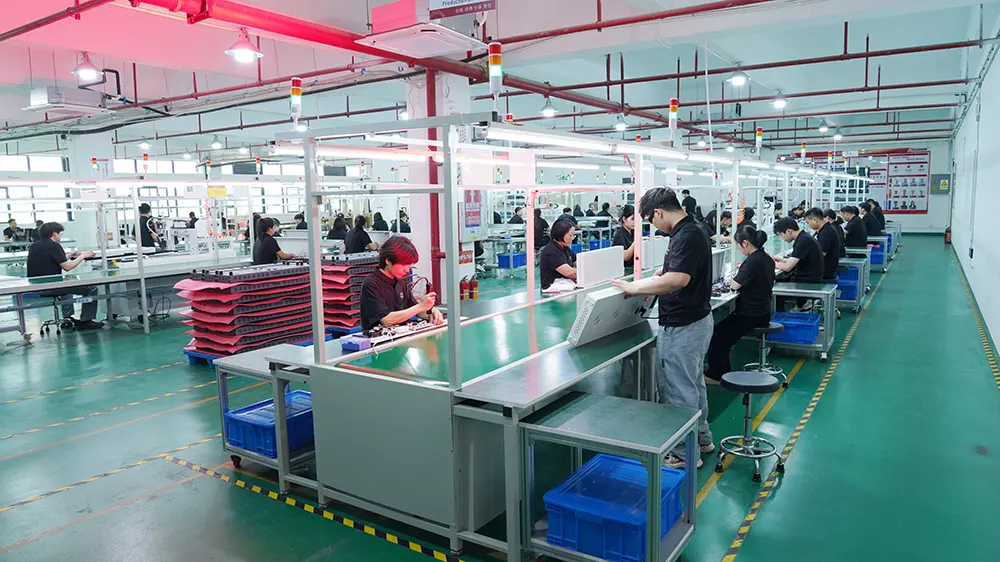
LED-Chipqualität und Binning-Präzision
Die Grundlage jedes Lichttherapie-Panels sind seine LED-Chips. Nicht alle LEDs sind gleich, und Qualitätsschwankungen wirken sich direkt auf die Konsistenz und Langlebigkeit der Ausgabe aus.
🔹 Chip-Marke und Herstellungsstandards
Hochleistungspanels verwenden Chips namhafter Halbleiterhersteller (z.B., Epistar, San'an, Bridgelux) die strenge Produktionstoleranzen einhalten. Kostengünstigere Alternativen können recycelte oder markenlose Chips mit inkonsistenter Photonenausbeute verwenden.
🔹 Binning und Einheitlichkeit
“Binning” bezieht sich auf das Sortieren von LEDs nach Wellenlänge, Stromspannung, und Lichtstärke. Schlechtes Binning führt zu:
- Wellenlängendrift: Einige LEDs emittieren bei 655 nm, während andere 665 nm erreichen, die therapeutische Spezifität verwässern.
- Hotspots und dunkle Zonen: Eine ungleichmäßige Lichtverteilung verringert die Wirksamkeit der Behandlung.
- Vorzeitiger Ausfall: Nicht übereinstimmende elektrische Eigenschaften belasten die Treiberschaltung.
✅ Pureluxtech-Standard: Implementiert enge Binning-Toleranzen (±5 nm für die Wellenlänge, ±0,1 V für Durchlassspannung) für alle Panels der E-Serie und der Esplus-Serie, Gewährleistung einer gleichmäßigen Leistung und einer längeren Lebensdauer.
Wellenlängengenauigkeit und spektrale Stabilität
🔹 Spitzenwellenlängentoleranz
🔹 Thermische Wellenlängenverschiebung
🔹 Verifizierungsmethode
- Messungen der Spitzenwellenlänge
- Volle Breite, halbes Maximum (FWHM) Bandbreite
- Ausgangsstabilität bei längerem Betrieb
💡 Für Trinkgeld: Fragen Sie Ihren Lieferanten nach chargenspezifischen Spektrometerdaten – nicht nur nach allgemeinen Datenblättern –, um die Leistung in der Praxis zu überprüfen.
Bestrahlungsstärke und Leistungsdichte im Behandlungsabstand
🔹 Die Metrik verstehen
- **Eingangsleistung **(Watt): Der Gesamtstromverbrauch entspricht nicht der therapeutischen Leistung.
- **Bestrahlungsstärke **(mW/cm²): Lichtleistung pro Flächeneinheit in einem bestimmten Abstand – der wahre Wirksamkeitsindikator.
🔹 Entfernungsabhängigkeit
🔹 Abstrahlwinkel und Linsendesign
- 30° Objektiv: Fokussierter Strahl für tieferes Eindringen (Ideal zur Schmerzlinderung).
- 60° Objektiv: Größere Abdeckung für Oberflächenbehandlungen (Ideal für die Gesundheit der Haut).
- Hybride Designs: Einige Pureluxtech Esplus-Modelle verwenden eine Optik mit variablem Winkel, um Tiefe und Abdeckung auszugleichen.
⚠️ Rote Flagge: Lieferanten, die nur Einstrahlungswerte melden 0 Zoll (Plattenoberfläche) übertreiben Leistungsansprüche.
Wärmemanagement und Wärmeableitung
- Lumenverlust: Reduzierte Lichtleistung im Laufe der Zeit.
- Wellenlängendrift: Die thermische Verschiebung verringert die therapeutische Präzision.
- Komponentenfehler: Überhitzung beschädigt Treiber und LEDs.
🔹 Effektive Wärmeableitung
- Gehäuse aus Flugzeugaluminium mit optimierter Lamellengeometrie.
- Passives Kühldesign (keine Fans) für still, zuverlässiger Betrieb.
- Wärmeschnittstellenmaterialien die die Wärme effizient von den LEDs zum Kühlkörper übertragen.
🔹 Sicherheit der Oberflächentemperatur
Treiberqualität und Stromversorgungsstabilität
- Ausgabekonsistenz: Flimmerfrei, Stabiler Strom sorgt für gleichmäßige Lichtemission.
- Effizienz: Hocheffiziente Treiber (>90%) Reduzieren Sie Wärmeverschwendung und Energiekosten.
- Langlebigkeit: Hochwertige Kondensatoren und Schutzschaltungen verlängern die Lebensdauer des Panels.
🔹 Wichtige Treiberfunktionen, die angegeben werden müssen
- Konstantstromregelung: Behält die LED-Helligkeit trotz Spannungsschwankungen bei.
- Pulsmodus-Fähigkeit: Ermöglicht therapeutische Frequenzen (z.B., 10Hz, 40Hz) ohne Wellenformverzerrung.
- Dimmfunktion: Stufenlose Anpassung von 0–100 % ohne Farbverschiebung.
- Schutzschaltungen: Überspannung, Überstrom, Kurzschluss, und thermische Abschaltung.
✅ Pureluxtech-Vorteil: Verwendet speziell entwickelte Treiber mit Komponenten in medizinischer Qualität, unterstützt sowohl kontinuierliche als auch pulsierende Modi mit <1% Welligkeitsfaktor.
Panel-Einheitlichkeit und Abdeckungsbereich
🔹 LED-Anordnungsmuster
- Rasterlayout: Gleichmäßige Abstände minimieren Hotspots und Schatten.
- Gestaffelte Arrays: Verbessern Sie die Überlappung für eine gleichmäßigere Bestrahlungsstärke.
- Kantenoptimierung: Zusätzliche LEDs an den Panelrändern verhindern “Abfall” an Behandlungsrändern.
🔹 Abdeckung vs. Intensitätskompromiss
- Skalierung der LED-Anzahl mit der Panelgröße (z.B., ES300: 60 LEDs → ES4500: 900 LEDs).
- Aufrechterhaltung einheitlicher Strahlungsgrenzwerte in der gesamten Produktlinie.
🔹 Messmethode
Behandlungsprotokolle und Nutzungsfaktoren
🔹 Behandlungsabstand
- Optimale Reichweite: 4–8 Zoll (10–20 cm) für die meisten Anwendungen.
- Zu nah: Reduziert den Abdeckungsbereich; kann zu Unwohlsein führen.
- Zu weit: Reduziert die Bestrahlungsstärke aufgrund des Umkehrquadratgesetzes drastisch.
🔹 Sitzungsdauer und Häufigkeit
- Dosierprinzip: Die therapeutische Wirkung folgt einer zweiphasigen Kurve – mehr ist nicht immer besser.
- Typisches Protokoll: 10–20 Minuten pro Bereich, 3–5 mal wöchentlich.
- Konsistenz: Regelmäßige Sitzungen bringen kumulative Vorteile; sporadischer Gebrauch schränkt die Ergebnisse ein.
🔹 Haut- und Gewebefaktoren
- Hautton: Melanin absorbiert etwas rotes Licht; Bei dunklerer Haut sind möglicherweise etwas längere Sitzungen erforderlich.
- Kleidung: Das Licht muss die Haut direkt erreichen – Stoff blockiert therapeutische Wellenlängen.
- Flüssigkeitszufuhr: Gut hydrierte Gewebe lassen Licht effizienter durch.
Testen, Überprüfung, und Qualitätssicherung
🔹 QC-Protokolle auf Werksebene
|
Prüfen
|
Zweck
|
Frequenz
|
|---|---|---|
|
Überprüfung des Spektrometers
|
Bestätigen Sie die Wellenlängengenauigkeit
|
Pro Charge
|
|
Strahlungskartierung
|
Validieren Sie die Stromverteilung
|
Pro Einheit
|
|
Alterungstest (48-Stunde Einbrennen)
|
Identifizieren Sie frühe Ausfälle
|
100% von Einheiten
|
|
Wärmebildtechnik
|
Erkennen Sie Hotspots oder Kühlungsprobleme
|
Zufallsstichprobe
|
|
Fall-/Vibrationstest
|
Stellen Sie die Haltbarkeit des Versands sicher
|
Pro Produktionslauf
|
🔹 Zertifizierung durch Dritte
- Wellenlängengenauigkeit
- Angaben zur Bestrahlungsstärke
- Einhaltung der elektrischen Sicherheit
- EMV/EMI-Leistung
✅ Pureluxtech-Engagement: Alle Panels der E-Serie und der Esplus-Serie werden einer Prüfung unterzogen 100% Alterungstests und zufällige Spektrometerüberprüfung, mit Zertifizierungsdokumentation für Großhandelspartner.
Verarbeitungsqualität und langfristige Zuverlässigkeit
🔹 Materialauswahl
- Gehäuse: Aluminiumlegierung (nicht aus Plastik) für Wärmeableitung und Haltbarkeit.
- Linse: Optisches PMMA oder Glas mit Antireflexbeschichtung.
- Anschlüsse: Vergoldet, Zugentlastete Kabel für zuverlässige Stromversorgung.
🔹 Umweltverträglichkeit
- Feuchtigkeitsbeständigkeit: Wichtig für den Spa- oder Badezimmergebrauch.
- Staubschutz: Versiegelte Designs verhindern die Ansammlung von Partikeln auf LEDs.
- Spannungstoleranz: Großer Eingangsbereich (100–240 V Wechselstrom) unterstützt den globalen Einsatz.
🔹 Garantie als Leistungsindikator
- 1-Jahr Garantie: Standard für Budget-Panels.
- 3-Jahr Garantie: Zeigt mittlere Qualität an.
- 5-Jahr Garantie: Signale Premium-Technik (z.B., Pureluxtech E/Esplus-Serie).
Praktische Checkliste: Bewertung der Panelleistung
- Wellenlängenüberprüfung: Spektrometerbericht mit Toleranz von ±5 nm
- Einstrahlungsdaten: Gemessen bei 6 Zoll, nicht nur die Plattenoberfläche
- Thermisches Design: Aluminiumgehäuse mit passiver Kühlung
- Treiberspezifikationen: Konstantstrom, Unterstützung des Pulsmodus, Schutzschaltungen
- Uniformitätszuordnung: Strahlungsverteilung über die Paneloberfläche
- Zertifizierungen: CE, RoHS, FCC, Sofern zutreffend, FDA-Registrierung
- Garantiebedingungen: Minimum 3 Jahre, ideal 5 Jahre
- Probentest: Bewerten Sie immer eine Vorproduktionseinheit, bevor Sie eine Großbestellung aufgeben
Abschluss: Technische Exzellenz fördert therapeutische Ergebnisse
Die Leistung eines 660-nm-850-nm-Therapiepanels ist kein Zufall – sie ist das Ergebnis bewusster technischer Entscheidungen in jeder Phase des Designs und der Fertigung. Von der LED-Binning-Präzision bis zum Wärmemanagement, Von der Treiberstabilität bis zur Validierung der Bestrahlungsstärke in der Praxis, Jeder Faktor trägt zur Fähigkeit des Geräts bei, konsistente Ergebnisse zu liefern, klinisch relevante Ergebnisse.
Für Unternehmen, die Eigenmarkenprodukte entwickeln, Durch die Priorisierung dieser Spezifikationen stellen Sie sicher, dass Ihre Marke für Wirksamkeit und Zuverlässigkeit steht. Für Endverbraucher, Das Verständnis dieser Faktoren ermöglicht intelligentere Kaufentscheidungen und effektivere Behandlungsprotokolle.
Pureluxtech verkörpert diesen Performance-First-Ansatz durch:
- Enge Wellenlängentoleranzen und spektrometerverifizierte Ausgabe
- Hohe Bestrahlungsstärke über skalierbare Panelgrößen hinweg aufrechterhalten
- Erweitertes thermisches Design ermöglicht 50,000+ Stunden LED-Lebensdauer
- Anpassbare OEM-Lösungen, die keine Kompromisse bei den Kernspezifikationen eingehen
- Eine 5-Jahres-Garantie, abgesichert durch eine strenge Qualitätskontrolle auf Werksebene
In der sich entwickelnden Landschaft der Photobiomodulation, Spezifikationen sind Versprechen. Indem wir uns auf die Faktoren konzentrieren, die die Leistung tatsächlich beeinflussen, Sie stellen sicher, dass diese Versprechen zu echten Ergebnissen führen – für Ihre Kunden, Ihre Marke, und Ihr Unternehmen.
🔍 Bereit, Leistung zu erbringen? Arbeiten Sie mit Pureluxtech zusammen, um OEM-Rotlichttherapie-Panels zu entwickeln, die den höchsten technischen Standards entsprechen. Fordern Sie ein Spezifikationsblatt an, Mustereinheit, oder individuelles Angebot noch heute.