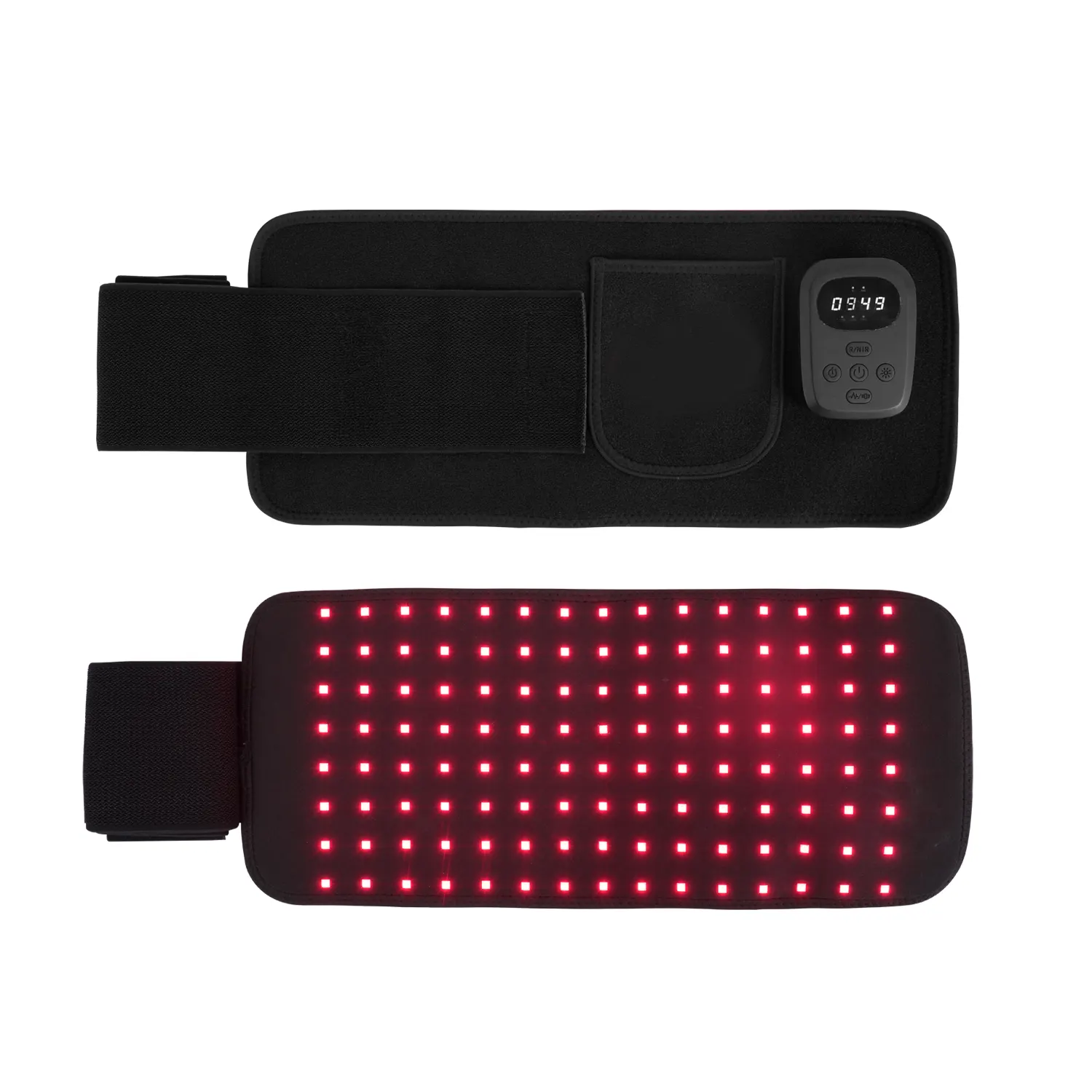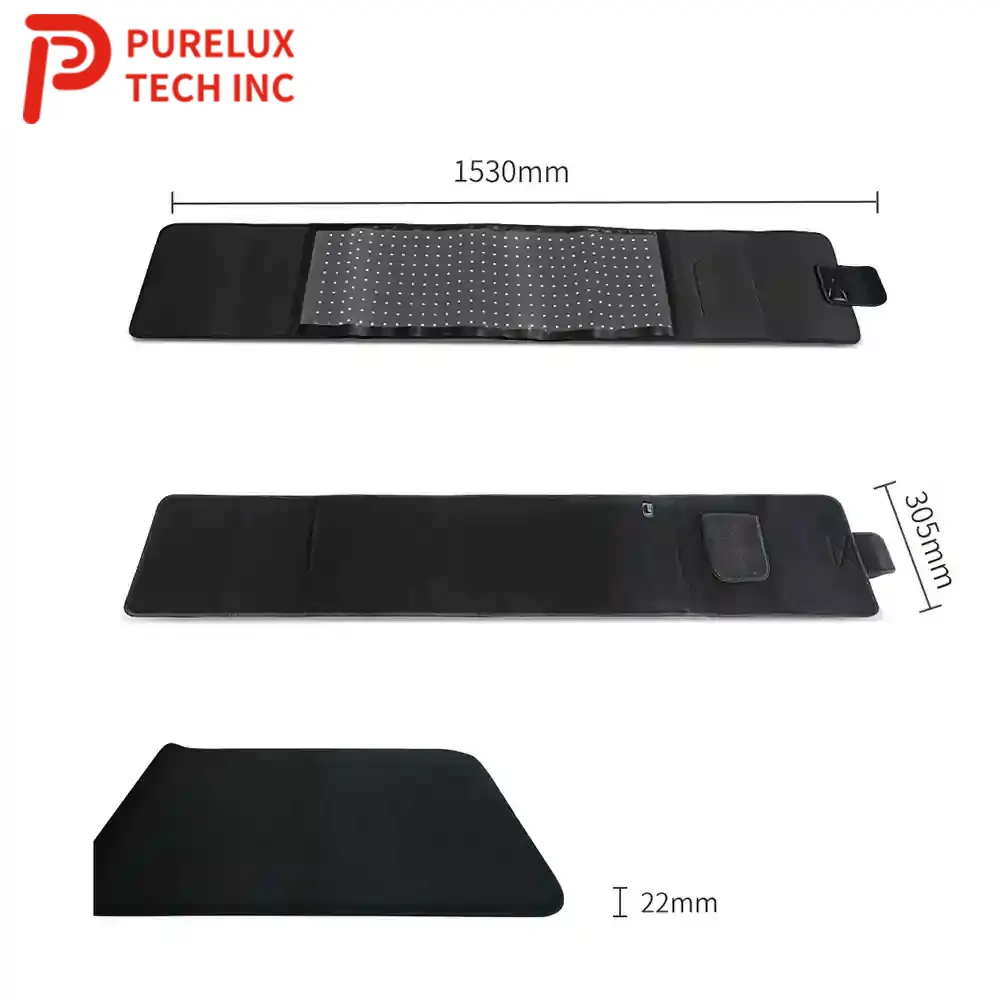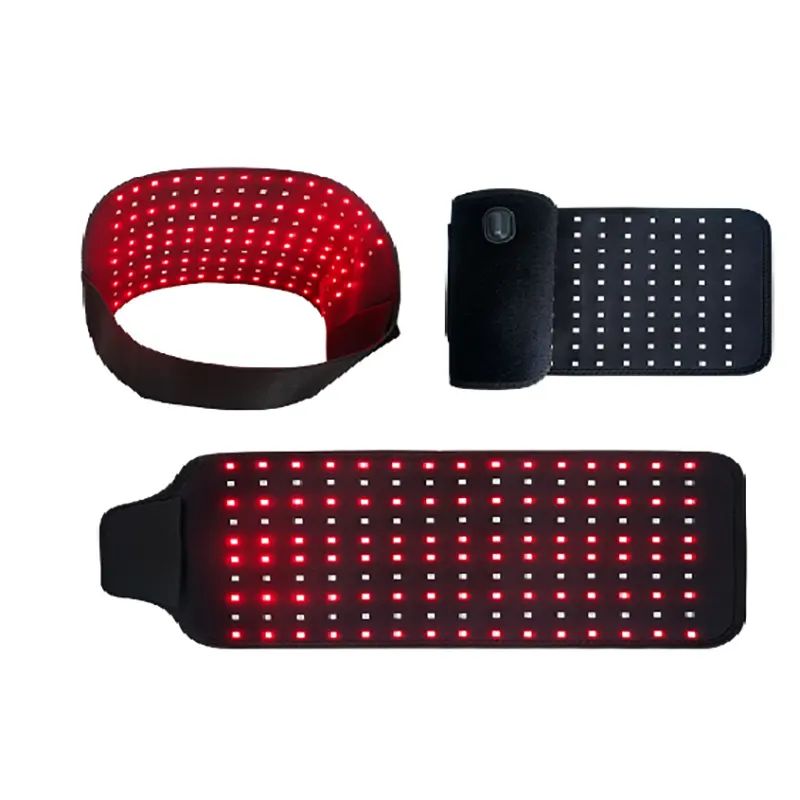
Rotlichttherapie (RLT) has been making waves in human health and wellness for years, but its benefits are now being explored for our beloved canine companions. This revolutionary treatment offers a non-invasive, natural way to improve various aspects of your dog’s health. Let’s delve into what you need to know about DIY Red Light Therapy for dogs and how it can be a game-changer for your pet’s well-being.
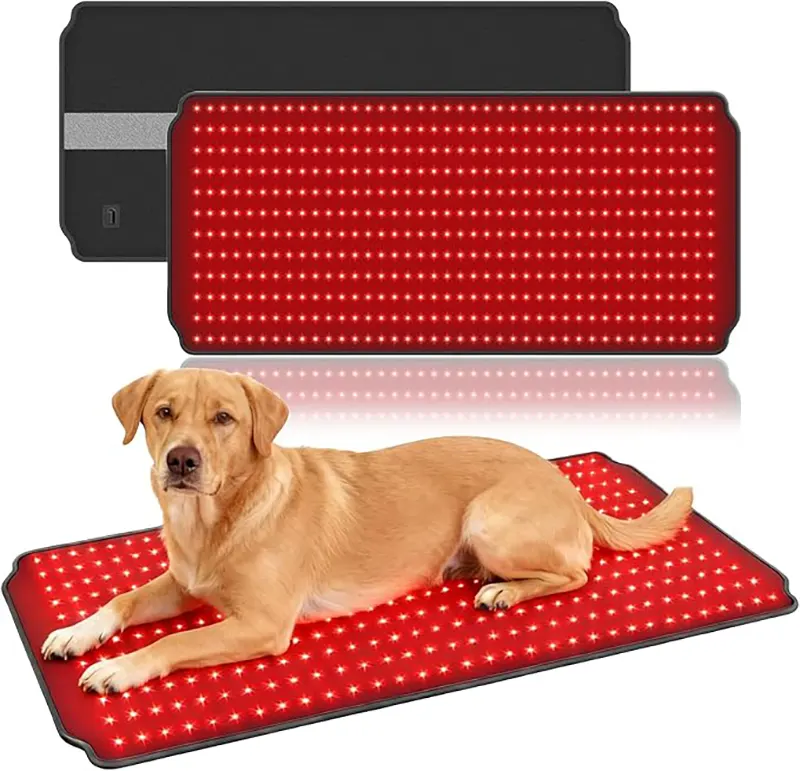
What is Red Light Therapy?
Red Light Therapy utilizes low-level wavelengths of red light, typically ranging from 630 Zu 660 nanometers, to stimulate cellular function. The therapy is known for its ability to promote healing, Entzündungen reduzieren, und Schmerzen lindern. It works by penetrating the skin and reaching deeper tissues, where it triggers a series of biological reactions that accelerate the body’s natural healing processes.
The Science Behind Red Light Therapy
RLT has been scientifically proven to enhance mitochondrial function, which is crucial for cellular energy production. By boosting ATP (Adenosintriphosphat) Produktion, red light therapy helps cells repair and regenerate more efficiently. The therapy also increases blood circulation, reduces inflammation, and promotes collagen synthesis, all of which contribute to faster healing and overall well-being.
Benefits for Dogs
Red Light Therapy can offer numerous benefits for dogs, einschließlich:
Pain Relief: Whether your dog suffers from arthritis, muscular pain, or general soreness, RLT can provide significant relief by reducing inflammation and pain. Healing and Recovery: RLT accelerates tissue repair, making it ideal for treating wounds, Prellungen, and injuries. It can also help dogs recover faster from surgeries and physical exertion. Improved Mobility: Dogs with joint issues often experience limited mobility. RLT can help improve their flexibility and reduce stiffness. Reduced Stress and Anxiety: The soothing effects of RLT can help calm anxious or stressed dogs, contributing to their overall mental well-being. Enhanced Skin Health: RLT can improve the condition of the skin, helping to treat issues like dry skin, dermatitis, and even minor infections.
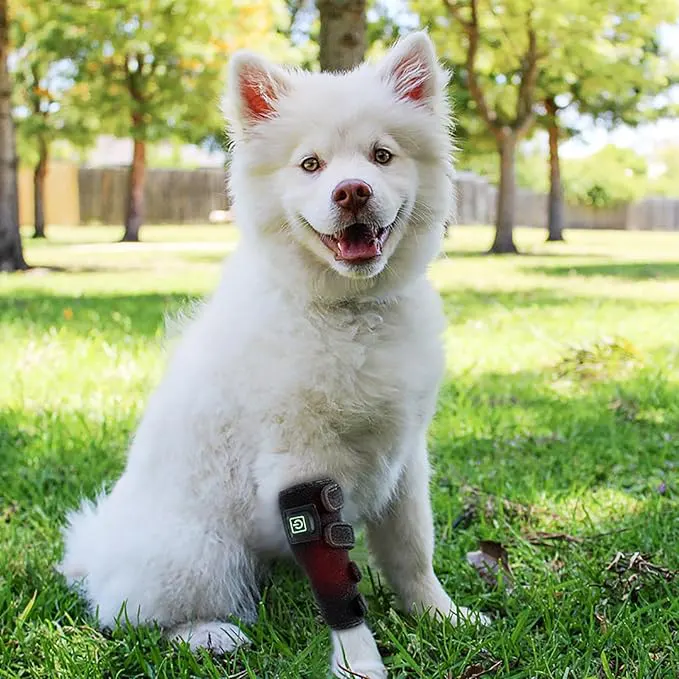
How to Implement DIY Red Light Therapy
Equipment Needed
To start your DIY Red Light Therapy journey for dogs, you’ll need a few essential pieces of equipment:
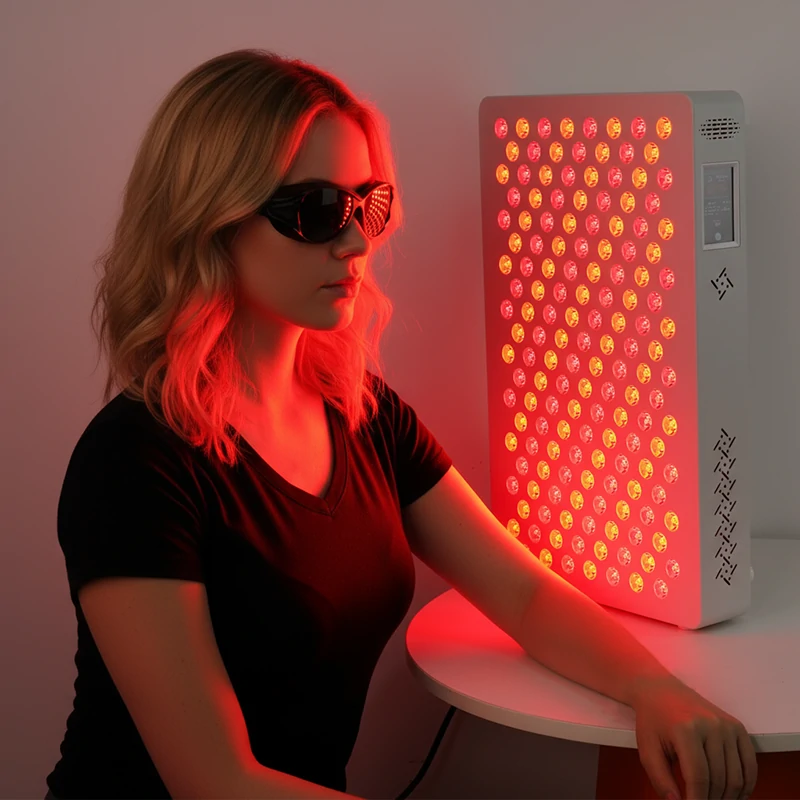
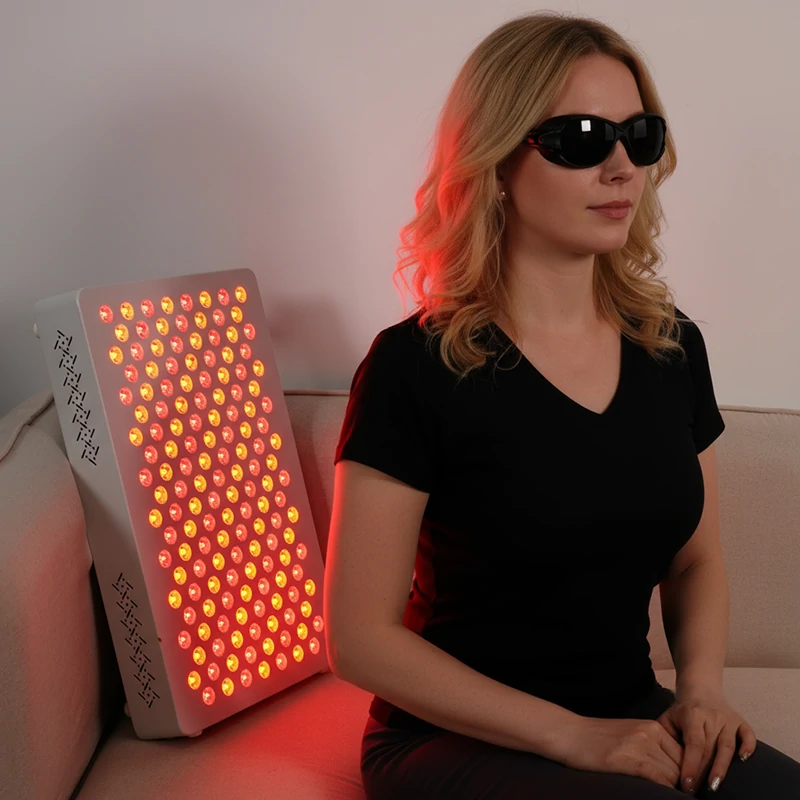
Red Light Therapy Device: There are various options available, from handheld devices to full-body panels. Panels are often more effective for larger dogs, while handheld devices are suitable for smaller breeds or specific areas. Safety Goggles: To protect your dog’s eyes from the intense red light, safety goggles are a must. Comfortable Treatment Area: A quiet, comfortable space where your dog feels safe and relaxed during the therapy sessions.
Preparing for Treatment
Before starting the therapy, it’s important to prepare your dog:
Konsultieren Sie Ihren Tierarzt: Always consult with a vet to ensure that RLT is suitable for your dog’s specific condition. Introduce Gradually: If your dog is unfamiliar with the concept, introduce them to the red light device gradually. Let them sniff and get used to the device in a non-threatening way. Goggles On: Equip your dog with safety goggles to protect their eyes. Make sure they’re comfortable and fit well.
Treatment Sessions
Positioning: Depending on the size of the device and the area you’re treating, position your dog accordingly. Ensure they are comfortable and not stressed. Dauer: Beginnen Sie mit kürzeren Sitzungen, around 5-10 Minuten, and gradually increase as your dog becomes more accustomed to the therapy. For general wellness, 10-15 minutes is usually effective. Frequenz: Begin with sessions a few times a week and adjust based on your dog’s response. Some conditions may require more frequent treatments.
Safety Considerations
While RLT is generally safe, it’s important to follow these guidelines to ensure your dog’s well-being:
Augenschutz: Always use safety goggles to protect your dog’s eyes. Distance and Intensity: Maintain the recommended distance from the light source to avoid overexposure. Follow the manufacturer’s guidelines for intensity settings. Monitor Reactions: Pay attention to your dog’s reactions during and after treatment. If you notice any discomfort or adverse reactions, stop the therapy and consult your vet. Avoid Overlapping Treatments: Ensure there is no overlap with other treatments your dog might be undergoing, especially those that could interact with light therapy.
Integrieren Sie die Rotlichttherapie in die Routine Ihres Hundes
Incorporating RLT into your dog’s daily routine can be a seamless process if approached thoughtfully. Here are some tips to help you integrate it effectively:
Konsistenz: Regular sessions will yield the best results. Try to maintain a consistent schedule that fits into your daily routine. Kombinieren Sie es mit anderen Therapien: You can complement RLT with other natural therapies like massage, hydrotherapy, and herbal remedies for a holistic approach to your dog’s health. Track Progress: Keep a journal to track your dog’s progress, noting any changes in behavior, Mobilität, und allgemeines Wohlbefinden. This will help you determine the effectiveness of the therapy and make any necessary adjustments.
DIY Red Light Therapy for Dogs: What You Need to Know
Building on our foundational understanding of Red Light Therapy and its benefits for dogs, this part will dive deeper into practical aspects, including specific conditions RLT can help with, common mistakes to avoid, and how to choose the right equipment for your furry friend.
Specific Conditions Red Light Therapy Can Help With
Understanding the specific conditions that benefit from Red Light Therapy can help you tailor the therapy to your dog’s unique needs.
Arthritis and Joint Pain: Dogs with arthritis or chronic joint pain can experience significant relief from RLT. The therapy helps reduce inflammation and improve joint mobility. Muscle Soreness and Injuries: Whether your dog is a high-energy athlete or an active pet, muscle soreness and minor injuries can benefit from the healing properties of RLT. Wundheilung: RLT accelerates the healing process for cuts, scrapes, and minor wounds by promoting tissue regeneration and reducing infection risk. Skin Conditions: Dogs with dry skin, dermatitis, or minor skin infections can find relief and improved skin health through regular RLT sessions. Post-Surgical Recovery: RLT can help speed up the recovery process after surgery by reducing inflammation and promoting faster healing of surgical sites.
Common Mistakes to Avoid
While Red Light Therapy is a fantastic tool, there are some common pitfalls to steer clear of to maximize its benefits for your dog.
Overexposure: One of the most significant risks is overexposure to the red light. Always follow the manufacturer’s guidelines for distance, duration, and intensity to avoid potential harm. Inconsistent Sessions: Skipping sessions or not maintaining a consistent schedule can reduce the effectiveness of the therapy. Stick to a regular routine for optimal results. Ignoring Eye Protection: Forgetting to use safety goggles can cause eye irritation or damage. Always ensure your dog’s eyes are protected during therapy sessions. Incorrect Device Settings: Using the wrong intensity or duration settings can either be ineffective or harmful. Always set your device according to the recommended guidelines. Combining with Harmful Treatments: Avoid combining RLT with treatments that could interact negatively, such as certain medications or other therapies without consulting your vet first.
Choosing the Right Equipment
Selecting the appropriate Red Light Therapy device is crucial for effective and safe treatment. Here’s how to choose the right one for your dog.
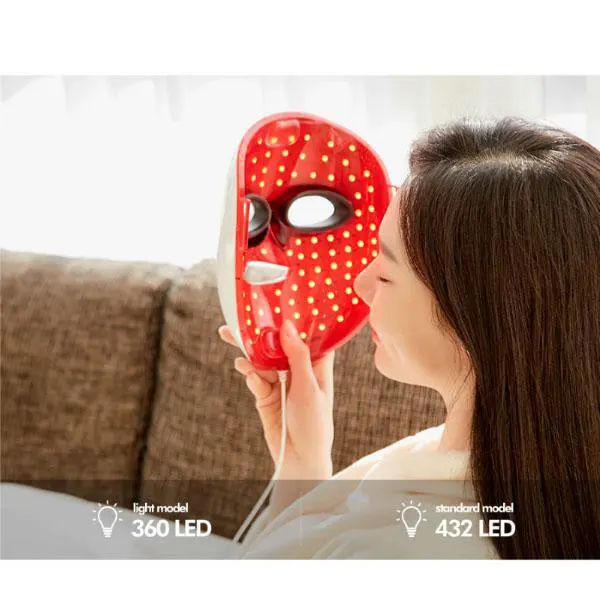
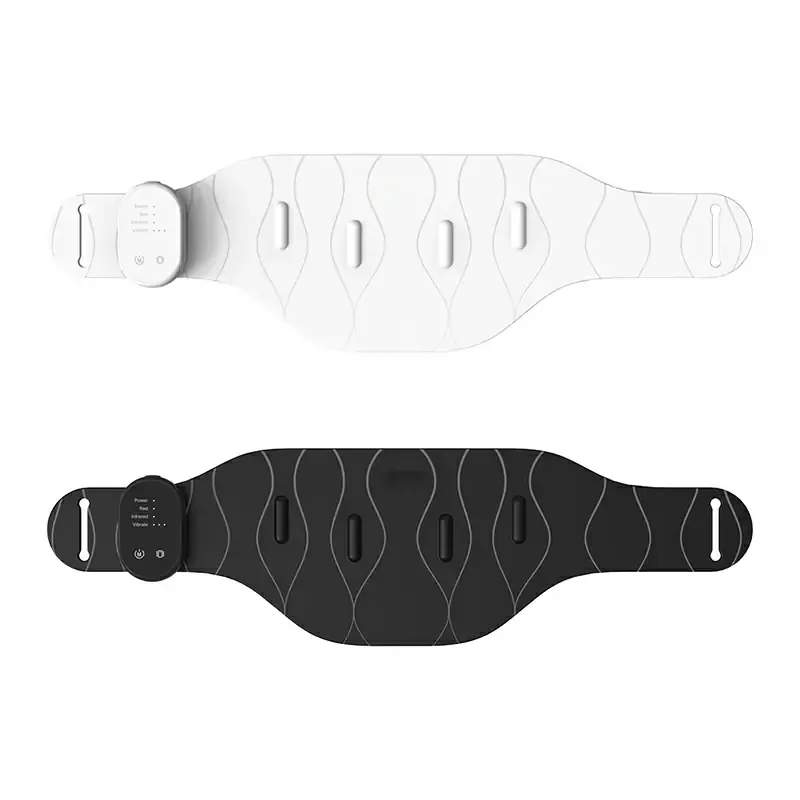
Device Type: There are different types of red light therapy devices available, including handheld, panel, and full-body devices. Handheld devices are portable and good for targeted treatment, while panel and full-body devices offer broader coverage and are more effective for larger dogs. Intensity and Coverage: Look for devices with adjustable intensity settings to tailor the therapy to your dog’s needs. Ensure the device covers the required area for effective treatment. Build Quality: Invest in a durable, high-quality device that can withstand regular use. Check for features like easy cleaning and maintenance. Sicherheitsfunktionen: Ensure the device includes safety features such as automatic shut-off and built-in eye protection for the device itself. Customer Reviews: Read reviews and testimonials from other dog owners to get an idea of the device’s effectiveness and reliability. Online forums and pet therapy groups can be valuable resources.