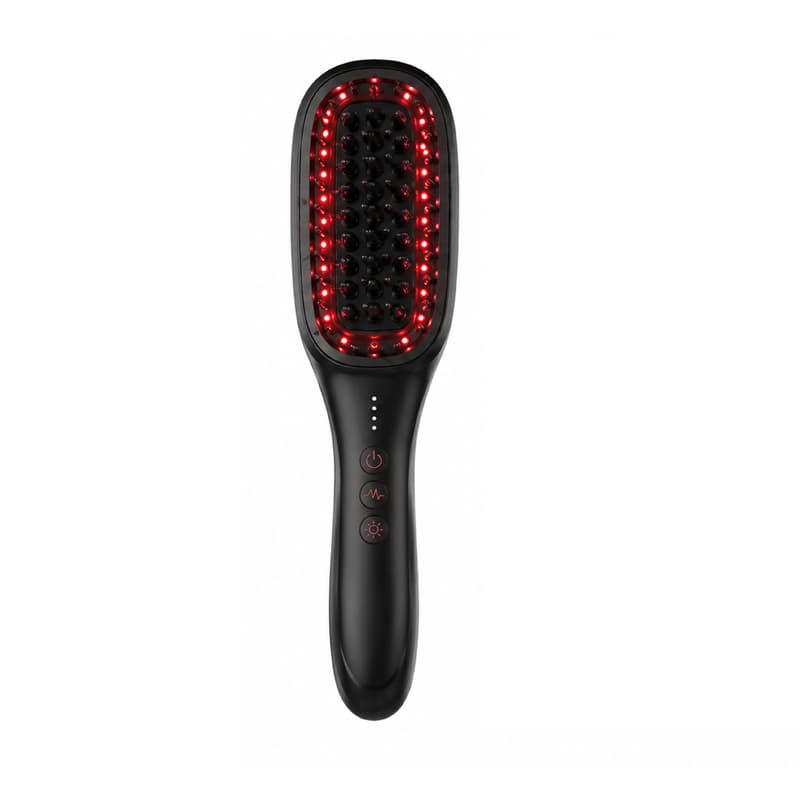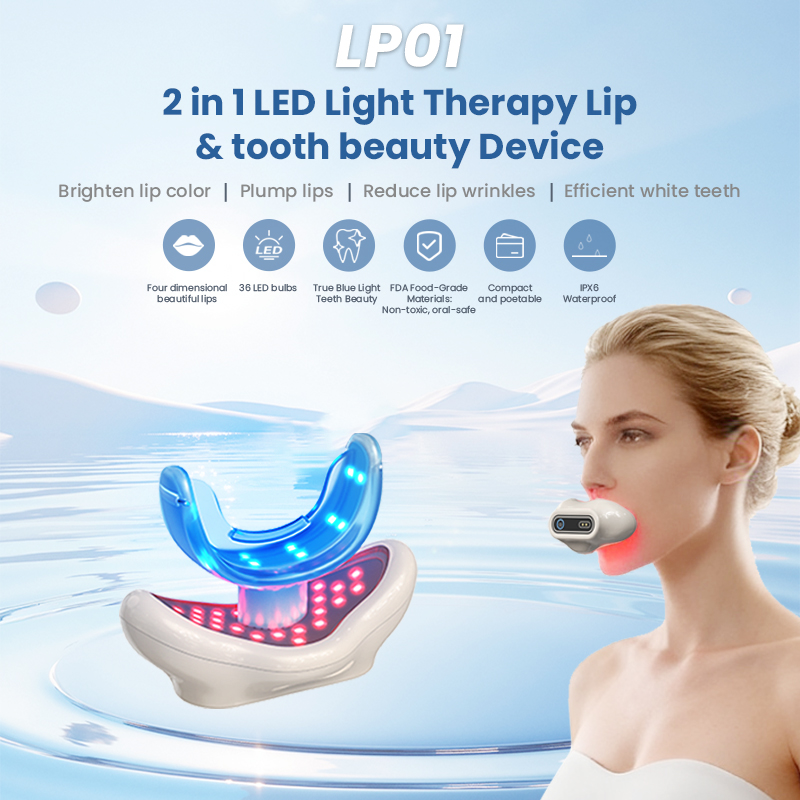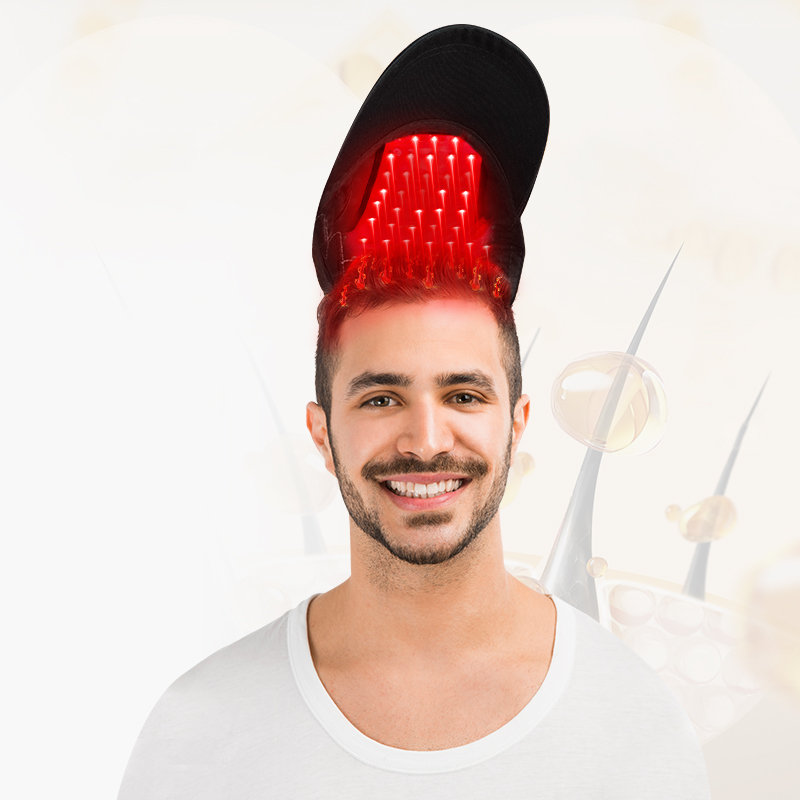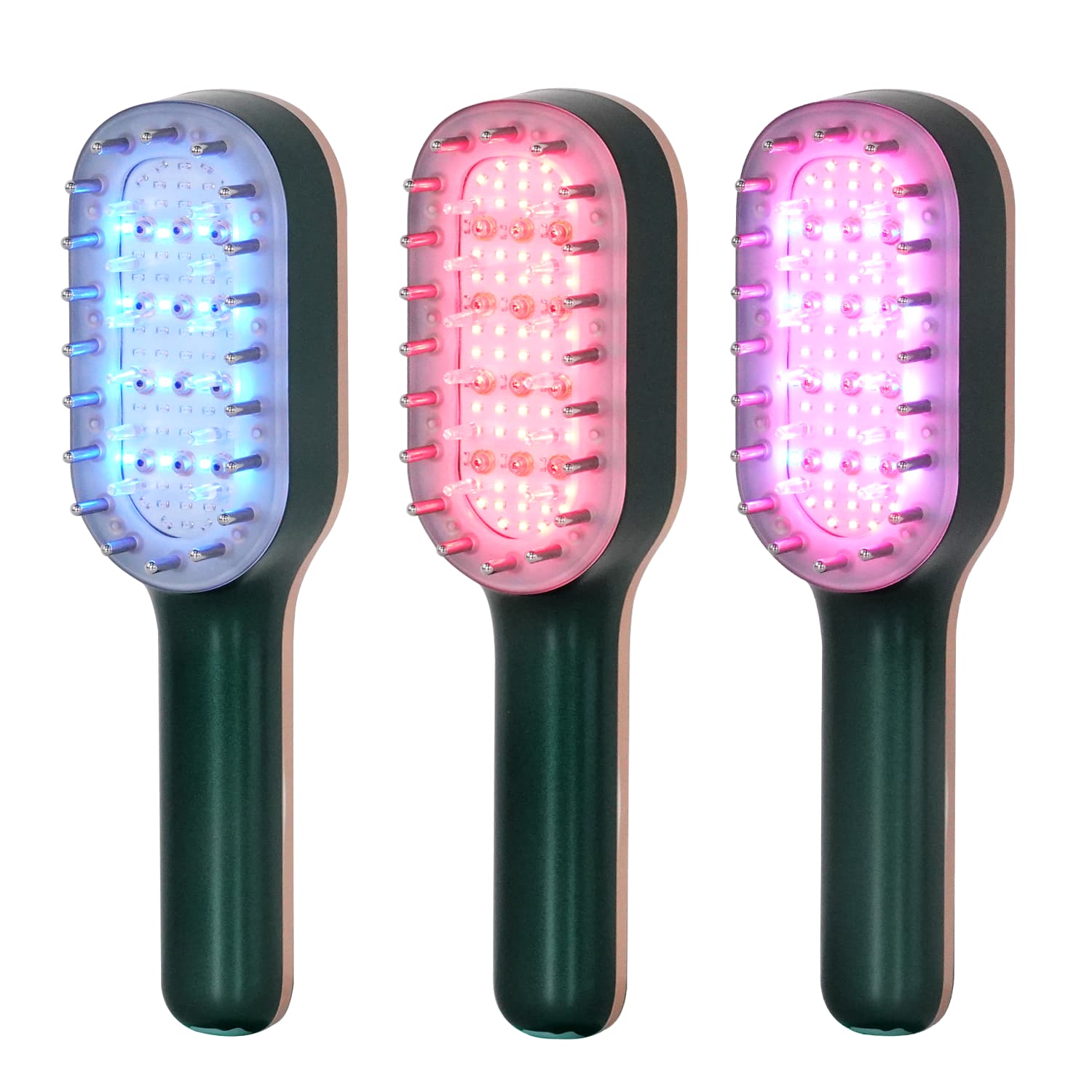
Scrollen Sie durch Hautpflege auf TikTok oder Instagram, und du wirst sie überall sehen: leuchtende Berühmtheiten, Influencer, und Alltagsnutzer, die schlanke Kleidung tragen, bunte LED-Gesichtsmasken. Die Behauptungen sind gewagt. „Glashaut drin 7 Tage.“ „Falten wie ein Radiergummi entfernen.“ „Das Dermatologen-Geheimnis, das jeder verbirgt.“ Aber neben dem Hype, Eine lautere Frage bleibt bestehen: Funktionieren LED-Gesichtsmasken wirklich??
Die kurze Antwort: Ja, aber nur unter bestimmten Bedingungen. Die LED-Therapie ist keine Marketingillusion, es ist auch kein Wunder. Es handelt sich um einen gut dokumentierten Zweig der Photobiomodulation (PBM) das seit Jahrzehnten im klinischen Umfeld eingesetzt wird. Jedoch, Die Wirksamkeit einer Heimmaske hängt ausschließlich von der technischen Präzision ab, geprüfte Lichtleistung, konsequente Nutzung, und realistische Erwartungen. Dieser Leitfaden schneidet durch den Lärm, erklärt genau, wie LED-Masken funktionieren, warum manche nicht liefern, und was Sie wissen müssen, bevor Sie Ihre Zeit und Ihr Geld investieren.
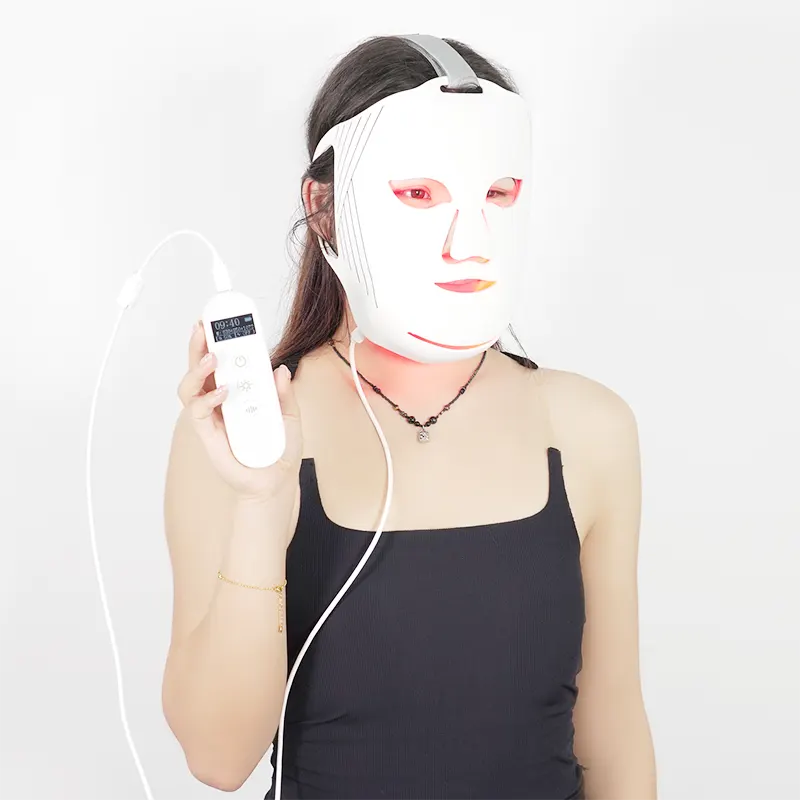
Die Wissenschaft vereinfacht: Wie Licht zum Hautpflegemittel wird
- Die ATP-Produktion steigt, Gibt den Zellen mehr Energie zur Reparatur und Regeneration.
- Reaktive Sauerstoffspezies normalisieren sich, Reduzierung von oxidativem Stress und chronischen Entzündungen.
- Transkriptionsfaktoren werden aktiviert, signalisiert Fibroblasten, neues Kollagen und Elastin zu produzieren.
- Die Mikrozirkulation verbessert sich, liefert Sauerstoff und Nährstoffe und entfernt gleichzeitig Stoffwechselabfälle.
- 630–660 nm (Rotlicht): Dringt 1–3 mm in die Dermis ein. Stimuliert die Kollagensynthese, reduziert feine Linien, und beruhigt oberflächliche Rötungen.
- 810–880 nm (Nahinfrarot): Erreicht eine Tiefe von 3–5 mm. Beschleunigt die Gewebereparatur, moduliert Entzündungen, und unterstützt die strukturelle Festigkeit.
- 415–460 nm (Blaues Licht): Bekämpft Akne verursachende Bakterien (C. Akne) durch die Aktivierung lichtempfindlicher Porphyrine, die Krankheitserreger von innen heraus zerstören. Hilft auch bei der Regulierung der Talgproduktion.
Was die klinische Forschung tatsächlich zeigt
- A 2014 studieren in Photomedizin und Laserchirurgie fanden heraus, dass Teilnehmer 633-nm-Rotlicht für 12 Wochen zeigte sich eine deutliche Verbesserung des Hautbildes, Kollagendichte, und Faltentiefe im Vergleich zu Placebo.
- Forschung veröffentlicht in Zeitschrift für Kosmetik- und Lasertherapie zeigten, dass die kombinierte rote und blaue LED-Therapie entzündliche Akneläsionen um bis zu reduzierte 46% nach 4–6 Wochen konsequenter Anwendung.
- A 2021 Rezension in Dermatologische Chirurgie kamen zu dem Schluss, dass LED-Geräte für den Heimgebrauch mit überprüfter Bestrahlungsstärke und korrekten Dosierungsprotokollen klinisch bedeutsame Verbesserungen bei der Lichtalterung bewirken, Hautelastizität, und Barrierefunktion.
Warum viele Masken „nicht funktionieren“ (Der Realitätscheck)
- Falsche oder nicht überprüfte Wellenlängen: Masken mit der Aufschrift „rotes Licht“, die tatsächlich Breitspektrum-LEDs aussenden oder schlecht kalibrierte LEDs verfehlen biologische Ziele.
- Subtherapeutische Bestrahlungsstärke: Viele preisgünstige Masken liefern <10 mW/cm² an der Hautoberfläche. Unten 20 mW/cm², Licht fühlt sich zwar angenehm an, löst aber keine sinnvolle Aktivierung der Mitochondrien aus.
- Schlechte Passform im Gesicht: Starre Kunststoff- oder Flachgewebekonstruktionen erzeugen Schattenzonen entlang der Kieferpartie, Wangen, und Nasolabialfalten, kritische Bereiche bleiben unzureichend behandelt.
- Fehlende Dosierungskontrollen: Ohne einstellbare Helligkeit, Timer, oder Pulsmodulation, Benutzer riskieren eine Unterdosierung (keine Ergebnisse) oder Überdosierung (zelluläre Hemmung).
- Irreführende Behauptungen: „FDA-registriert“ bedeutet nur, dass eine Produktionsstätte bei der Behörde gelistet ist. Das tut es nicht bedeuten, dass das Gerät einer Leistungs- oder Sicherheitsüberprüfung unterzogen wurde. Nur „FDA Cleared“- oder „FDA Approved“-Geräte haben die klinische Bewertung bestanden.
4 Nicht verhandelbare Spezifikationen, die tatsächliche Ergebnisse bestimmen
1️⃣ Wellenlängenpräzision (±5 nm Toleranz)
2️⃣ Bestrahlungsstärke ≥20 mW/cm² an der Hautoberfläche
3️⃣ Ergonomische 3D/4D-Passform & ≥95 % Abdeckung
4️⃣ Behördliche Zertifizierungen & Sicherheitskonformität
- FDA 510(k) Spielraum: Bestätigt Sicherheit und Leistung für Angaben zur Hautbehandlung.
- CE-MDR-Kennzeichnung: EU-Konformität von Medizinprodukten mit Überwachung nach dem Inverkehrbringen.
- IEC 62471: Photobiologische Sicherheit (Augen- und Hautschutz).
- IEC 60601-1: Elektrische Sicherheit für Gesichtsgeräte.
- ISO 10993: Biokompatibilitätsprüfung für Materialien mit Hautkontakt. Zertifizierungen sind kein optionaler Luxus. Sie sind Ihre Garantie dafür, dass das Gerät keine unregelmäßige Ausgabe liefert, thermische Spitzen, oder allergische Reaktionen.
Realistische Zeitleiste: Was Sie erwartet & Wann
|
Zeitrahmen
|
Was passiert biologisch?
|
Sichtbare Zeichen
|
|---|---|---|
|
Wochen 1–2
|
Mitochondriale Aktivierung, Entzündungsmodulation
|
Die Haut fühlt sich ruhiger an, weniger reaktiv, etwas strahlender
|
|
Wochen 3–4
|
Fibroblastenstimulation, beschleunigter Zellumsatz
|
Weniger neue Ausbrüche, schnellere Heilung, glattere Textur
|
|
Wochen 5–8
|
Kollagen & Elastinsynthese, Steigerung der Mikrozirkulation
|
Feine Linien werden weicher, Poren wirken verfeinert, Festigkeit verbessert sich
|
|
Wochen 9–12+
|
Umbau der extrazellulären Matrix, strukturelle Unterstützung
|
Die Faltentiefe wird sichtbar reduziert, Die Definition von Kiefer und Wange verbessert sich, langfristige Belastbarkeit
|
Wie man tatsächlich Ergebnisse erzielt: Protokoll & Best Practices
- Frequenz: 3–5 Sitzungen pro Woche. Die tägliche Anwendung beschleunigt die Ergebnisse nicht und kann zu vorübergehender Trockenheit oder Zellermüdung führen.
- Sitzungsdauer: 10 Minuten ist der klinische Sweet Spot. Automatische Auslöser verhindern eine Überbelichtung.
- Vorbereitung: Gründlich reinigen. Make-up entfernen, Sonnenschutz, und schwere Seren. Licht muss die nackte Haut erreichen.
- Position: Befestigen Sie die Maske so, dass die LEDs auf die besonders besorgniserregenden Bereiche ausgerichtet sind. Stellen Sie sicher, dass keine Lücken oder übermäßiger Druck entstehen.
- Nachsorge: Innerhalb 10 Minuten, Tragen Sie einen Peptidkomplex auf, Ceramid-Feuchtigkeitscreme, oder Hyaluronsäure. Eine verbesserte mitochondriale Aktivität erhöht die Nährstoffaufnahme für bis zu 60 Minuten.
- Vermeiden: Retinoide, AHAs/BHAs, oder hochkonzentriertes Vitamin C unmittelbar vor oder nach den Sitzungen. Platzieren Sie sie 2+ Stundenabstand, um eine Störung der Barriere zu verhindern.
- Hygiene: Wischen Sie die Innenfläche mit ab 70% Verwenden Sie nach jedem Gebrauch Isopropylalkohol oder medizinische Desinfektionstücher. Vollständig an der Luft trocknen.
Mythen vs. Fakten
|
Mythos
|
Tatsache
|
|---|---|
|
„Ergebnisse erscheinen in 3–7 Tagen.“
|
Der Kollagenumbau und die Bakterienbeseitigung erfordern 4–8 Wochen. Schnelle Aussagen deuten auf Marketing hin, keine Wissenschaft.
|
|
„Mehr Farben = bessere Ergebnisse.“
|
Nur rot, Nahinfrarot, und Blau verfügen über eine solide klinische Validierung für die dermatologische Anwendung zu Hause. Zusätzliche Farben verdünnen die Bestrahlungsstärke und bieten keine biologische Wirkung.
|
|
„Sie brauchen keinen Augenschutz.“
|
Eine längere direkte Aussetzung an helle LEDs wird nicht empfohlen. Benutzen Sie immer einen undurchsichtigen Augenschutz oder halten Sie die Augen vorsichtig geschlossen.
|
|
„LED-Masken ersetzen Hautarztbehandlungen.“
|
Sie eignen sich hervorragend für Wartung und Frühintervention, aber schwere Akne, tiefe falten, oder medizinische Beschwerden erfordern professionelle Pflege.
|
|
„Jede USB-betriebene Maske funktioniert.“
|
In der Unterhaltungselektronik mit Niederspannung mangelt es häufig an stabilen Treibern, Dies führt zu einer inkonsistenten Leistung und einer schnellen Verschlechterung der Batterie. Medizinische Kreisläufe halten die therapeutische Dosis aufrecht.
|