Der Reiz der Ganzkörper-UVB-Lichttherapie zu Hause ist verständlich. Für Millionen von Menschen, die mit chronischen Hauterkrankungen wie Psoriasis zu kämpfen haben, Vitiligo, oder atopische Dermatitis, Häufige Klinikbesuche bedeuten arbeitsfreie Zeit, Reisekosten, und Reibungsverluste bei der Planung. Die Heimphototherapie verspricht Komfort, Konsistenz, und möglicherweise niedrigere langfristige Kosten. Aber wenn es um ultraviolettes B geht (UVB) Therapie, Bequemlichkeit darf niemals die Sicherheit oder klinische Wirksamkeit gefährden.
Bevor Sie in UVB-Heimsysteme investieren oder damit experimentieren, Es ist wichtig, evidenzbasierte Praxis von Marketingaussagen zu trennen, die physiologischen Realitäten der UV-Exposition verstehen, und erkennen Sie, warum professionelle Aufsicht nach wie vor der Goldstandard ist.
Das Versprechen vs. Die Realität von „Ganzkörper“-UVB für zu Hause
Schmalbandiges UVB (NB-UVB), typischerweise zentriert auf 311 nm, ist der klinisch anerkannte Standard für die Phototherapie in der Dermatologie. Im Gegensatz zu Breitband-UVB, das mehr erythemogene enthält (Verbrennungen verursachend) Wellenlängen, NB-UVB liefert therapeutische Energie effizienter und minimiert gleichzeitig unnötige Hautschäden. Im klinischen Umfeld, Ganzkörper-NB-UVB wird in kalibrierten Standschränken oder großen vertikalen Panels verabreicht, mit sorgfältig berechneten Dosen basierend auf der minimalen Erythemdosis eines Patienten (MIT), Hauttyp, und Behandlungsgeschichte.
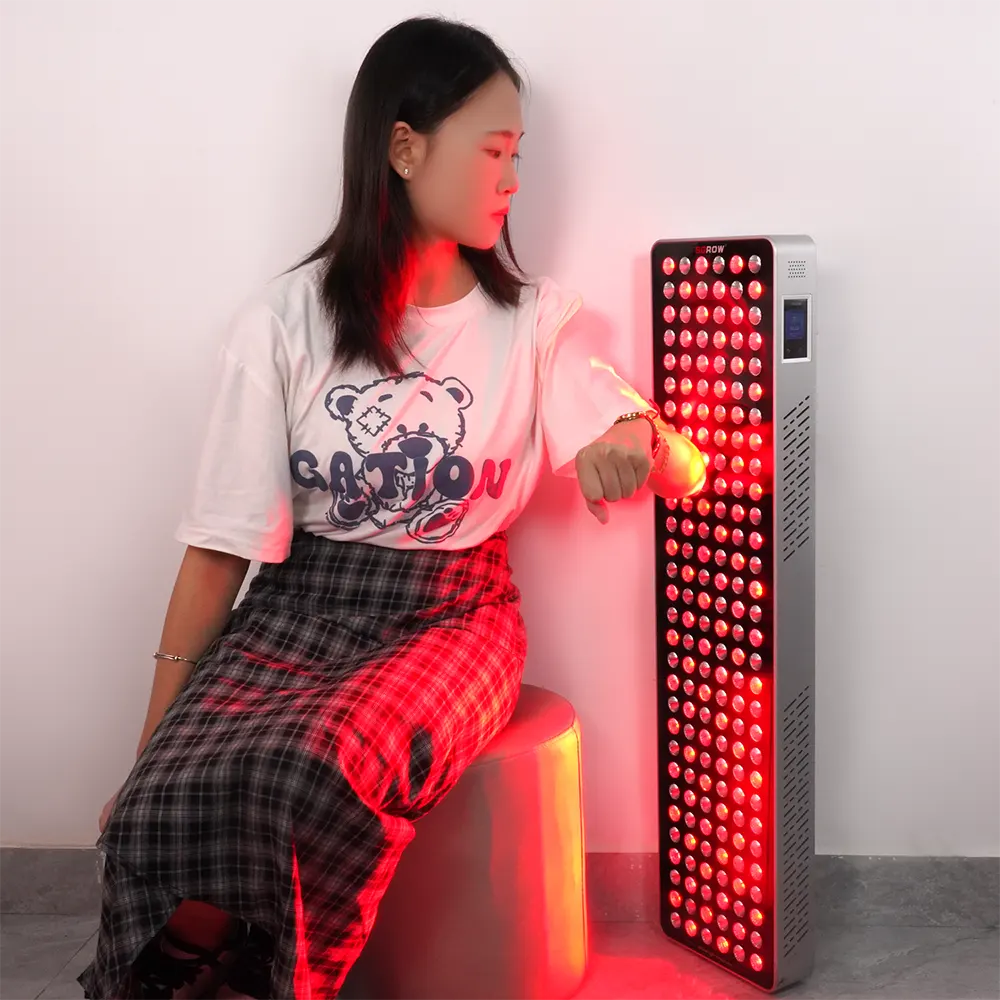
Es gibt echte Ganzkörper-UVB-Geräte, die für den Heimgebrauch konzipiert sind, aber sie sind stark reguliert, oft verschreibungspflichtig, und benötigen viel Platz, Leistung, und finanzielle Investitionen. Viele Geräte, die als „Ganzkörper-UVB-Heimgeräte“ vermarktet werden, sind tatsächlich kompakte oder gezielte Panels, die isolierte Regionen behandeln (Waffen, Beine, Torso, oder zurück). Während eine gezielte Therapie bei lokalisierten Erkrankungen sehr effektiv sein kann, Es reproduziert nicht die Abdeckungs- oder Dosierungsprotokolle klinischer Ganzkörpersysteme.
Die Kluft zwischen Erwartung und Realität ist wichtig. UVB ist kein Wellnesslicht – es ist in den Vereinigten Staaten ein Medizinprodukt der Klasse II und wird in der EU ebenfalls reguliert, Vereinigtes Königreich, Kanada, und Australien. Bei unsachgemäßer Anwendung kann es zu schweren Verbrennungen kommen, vorzeitige Lichtalterung, Hyperpigmentierung, und in extremen Fällen, erhöhtes langfristiges Hautkrebsrisiko.
Medizinisch & Sicherheitsaspekte, die nicht ignoriert werden dürfen
Die Phototherapie funktioniert durch Modulation der Immunaktivität in der Haut, Verlangsamung der abnormalen Keratinozytenproliferation, und Stimulierung der Melanozytenmigration bei Vitiligo. Diese Mechanismen sind dosisabhängig. Zu wenig Licht bringt keinen klinischen Nutzen; Zu viel führt zu akuten Verletzungen.
Zu den wichtigsten Sicherheitsfaktoren für jedes UVB-Protokoll gehören::
- MIT Testen: Die Anfangsdosis muss auf die individuelle Hautreaktion abgestimmt sein. Raten führt zu Unterdosierung oder Verbrennungen.
- Inkrementelle Dosierung: Klinische Protokolle erhöhen die Exposition um 10–20 % pro Sitzung, basierend auf einer früheren Hautreaktion. Heimanwender ohne Tracking-Systeme bleiben oft auf einem Plateau oder überbelichten.
- Auge & Genitalschutz: UVB dringt in die Hornhaut ein und kann Photokeratitis verursachen. Bei jeder Sitzung besteht Abschirmungspflicht.
- Kontraindikationen: Erkrankungen wie Lupus, Xeroderma pigmentosum, oder eine Vorgeschichte von Melanomen, zusammen mit photosensibilisierenden Medikamenten (z.B., Tetracycline, Thiazide, Retinoide), UVB ohne fachmännische Genehmigung unsicher machen.
- Gerätekalibrierung: Die UV-Leistung lässt mit der Zeit nach. Klinische Einheiten werden regelmäßig mit Radiometern vermessen. Geräte für den Endverbraucher enthalten selten Kalibrierungsprotokolle oder eine Ausgabeverifizierung.
Aufsichtsbehörden genehmigen „DIY UVB“ nicht. Es werden von der FDA zugelassene Heimphototherapiegeräte verschrieben, werden mit detaillierten Dosierungsplänen geliefert, und erfordern eine regelmäßige Nachuntersuchung durch einen Dermatologen, um die Parameter anzupassen und auf Nebenwirkungen zu überwachen.
Warum „Ganzkörper“ nicht immer die klinische Antwort ist
Interessant, Die moderne Dermatologie verlagert sich weg von der routinemäßigen Ganzkörper-UVB-Behandlung hin zu präziseren Verfahren, zustandsspezifische Protokolle. Bei vielen Patienten liegt eine lokalisierte oder asymmetrische Beteiligung der Kopfhaut vor, Ellenbogen, Knie, Hände, oder spezifische Vitiligo-Pflaster. Die Behandlung nicht betroffener Haut erhöht unnötigerweise die kumulative UV-Exposition ohne therapeutischen Nutzen.
Aus diesem Grund entwickelt sich die professionelle Phototherapie in Richtung Multiwellenlänge, gezielte Systeme. Geräte, die integrieren 311 nm UVB zur Immunmodulation neben sichtbarem Rotlicht (630–660 nm) für die Reparatur von Barrieren, oder Nahinfrarot (810–1060 nm) zur Gewebewiederherstellung, ermöglichen es Ärzten, mehrschichtige Protokolle zu entwerfen. Patienten erhalten genau das, was sie brauchen, wo sie es brauchen, ohne pauschale Belichtung.
Für Heimanwender, Dieser Präzisionsansatz führt häufig zu besseren Ergebnissen und einem geringeren Risiko. Eine Kompakte, Ein medizinisch entwickeltes Panel kann unter Anleitung eine konsistente Leistung erbringen, Lokalisierte Behandlung, die sich an realen Krankheitsmustern orientiert – ohne Platzbedarf, kosten, oder Sicherheitsüberkopf von Ganzkörperschränken.
Der sichere Weg zur UVB-Therapie zu Hause
Wenn Sie über eine UVB-Phototherapie zu Hause nachdenken, Befolgen Sie diesen evidenzbasierten Rahmen:
- Konsultieren Sie einen Dermatologen: Bestätigen Sie Ihre Diagnose, Kontraindikationen beurteilen, und bestimmen Sie, ob NB-UVB für Ihre Erkrankung geeignet ist.
- Fordern Sie MED-Tests an: Stellen Sie Ihre Grundempfindlichkeit fest, bevor Sie mit einem Heimprotokoll beginnen.
- Verwenden Sie verschreibungspflichtige Geräte: Kaufen Sie Geräte nur bei der FDA 510(k), CE-Kennzeichnung, oder gleichwertige regionale Freigabe. Vermeiden Sie nicht zertifizierte „Wellness“-Lampen, die für UVB vermarktet werden.
- Befolgen Sie einen dokumentierten Dosierungsplan: Verfolgen Sie jede Sitzung, Beachten Sie die Hautreaktion, und überschreiten Sie niemals die empfohlenen Inkremente ohne professionelle Unterstützung.
- Planen Sie regelmäßige Nachuntersuchungen: Die klinische Überwachung sollte während der gesamten Behandlung fortgesetzt werden. Dermatologen können die Dosierung anpassen, Unterbrechen Sie die Therapie während der Schübe, und bewerten Sie die langfristige Sicherheit.
- Investieren Sie in Compliance-Funktionen: Suchen Sie nach Geräten mit integriertem Timer, Dosisspeicher, Notabschaltungen, und zertifizierter UV-Leistungsnachweis.
Die Phototherapie zu Hause kann eine legitime Erweiterung der klinischen Versorgung sein – aber nur, wenn sie auch als solche behandelt wird. Es ist kein Ersatz für ärztliche Beratung, noch ein selbst durchgeführtes Experiment.
Die Zukunft ist gelenkt, Nicht nur heller
Die Phototherapie-Landschaft reift. Patienten müssen sich nicht mehr zwischen Klinikbesuchen und unregulierten Heimgeräten entscheiden. Die nächste Generation der Lichttherapie legt Wert auf Präzision, Sicherheit, und professionelle Partnerschaft. Hersteller wie PureLuxTech entwickeln professionelle Phototherapiesysteme mit kalibrierter Bestrahlungsstärke, Flexibilität bei mehreren Wellenlängen, und strenge Compliance-Standards (FDA, CE, ISO13485, MDSAP) Gerade weil es sich bei der Lichttherapie um einen medizinischen Eingriff handelt, kein Lifestyle-Accessoire.
Ganzkörper-UVB zu Hause ist möglich, aber es erfordert Respekt, Verordnung, und Verantwortung. Bei richtiger Annäherung, Eine Phototherapie zu Hause kann die Lebensqualität bei chronischen Hauterkrankungen verbessern. Bei unachtsamer Annäherung, es kann Schaden anrichten, der jeglichen Komfort übersteigt.
Die Wissenschaft ist klar: UVB funktioniert. Aber es funktioniert am besten, wenn es mit Bedacht vermittelt wird, genau gemessen, und professionell überwacht. Egal, ob Sie ein Patient sind, der Optionen erkundet, oder ein Arzt, der seine Behandlungswege erweitert, Geben Sie Beweisen Vorrang vor Leichtigkeit, Präzision über Maßstab, und Anleitung bei Vermutungen.
Die Lichttherapie birgt ein bemerkenswertes Potenzial. Sorgen wir dafür, dass es sinnvoll eingesetzt wird.