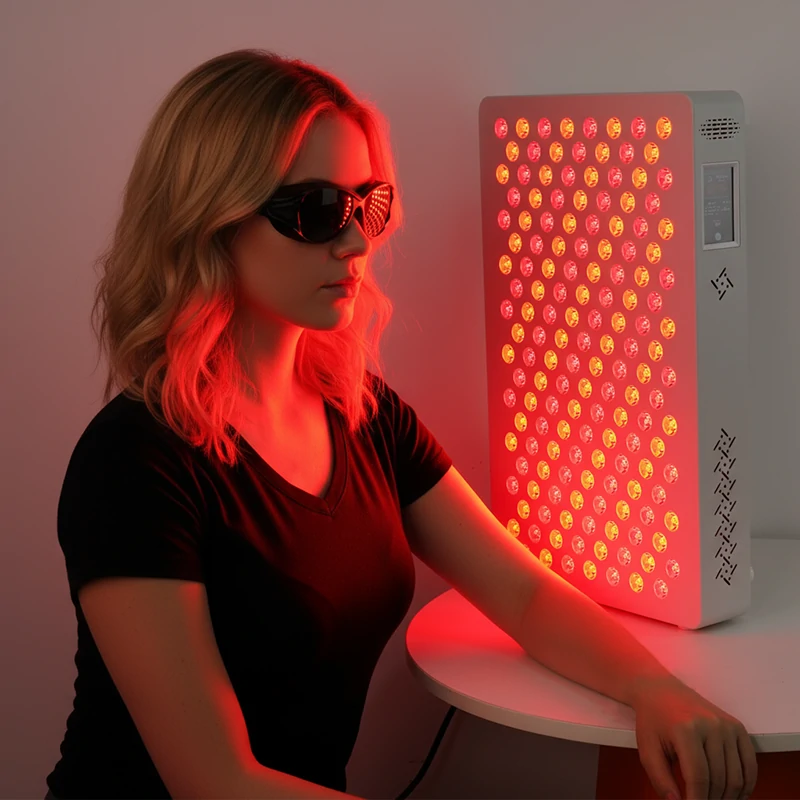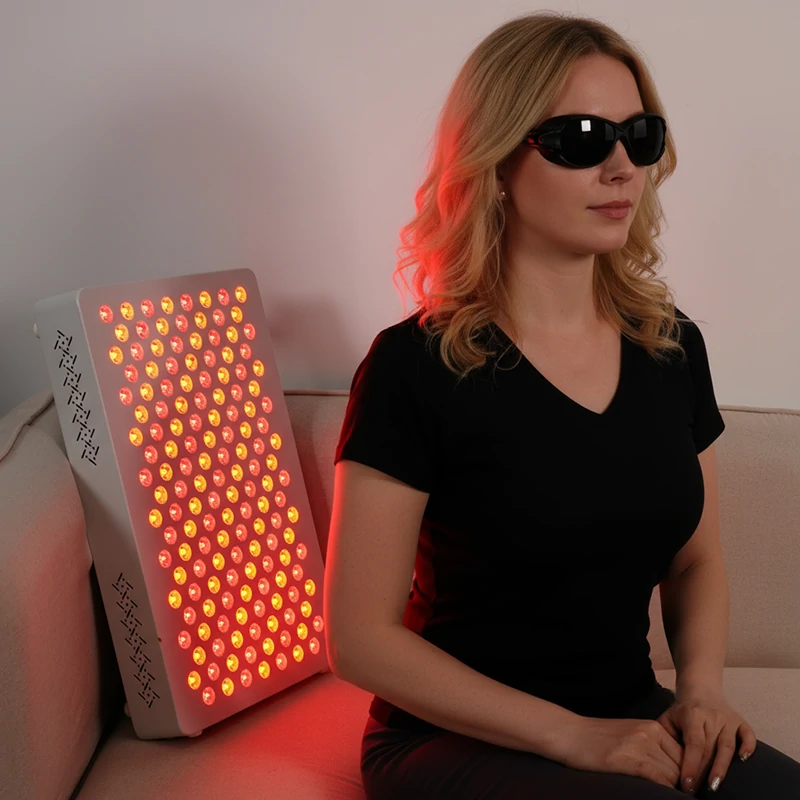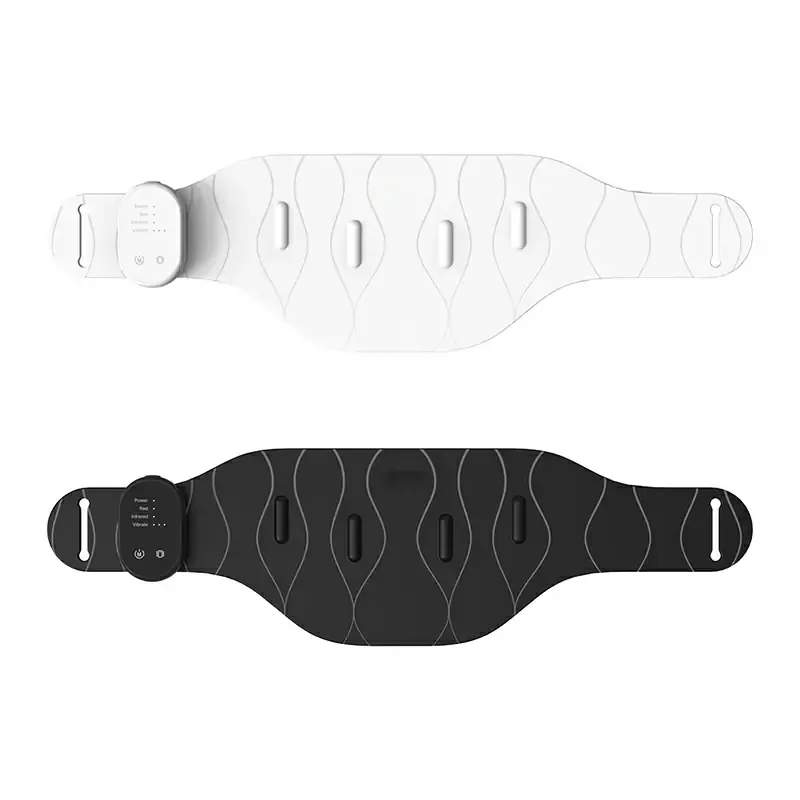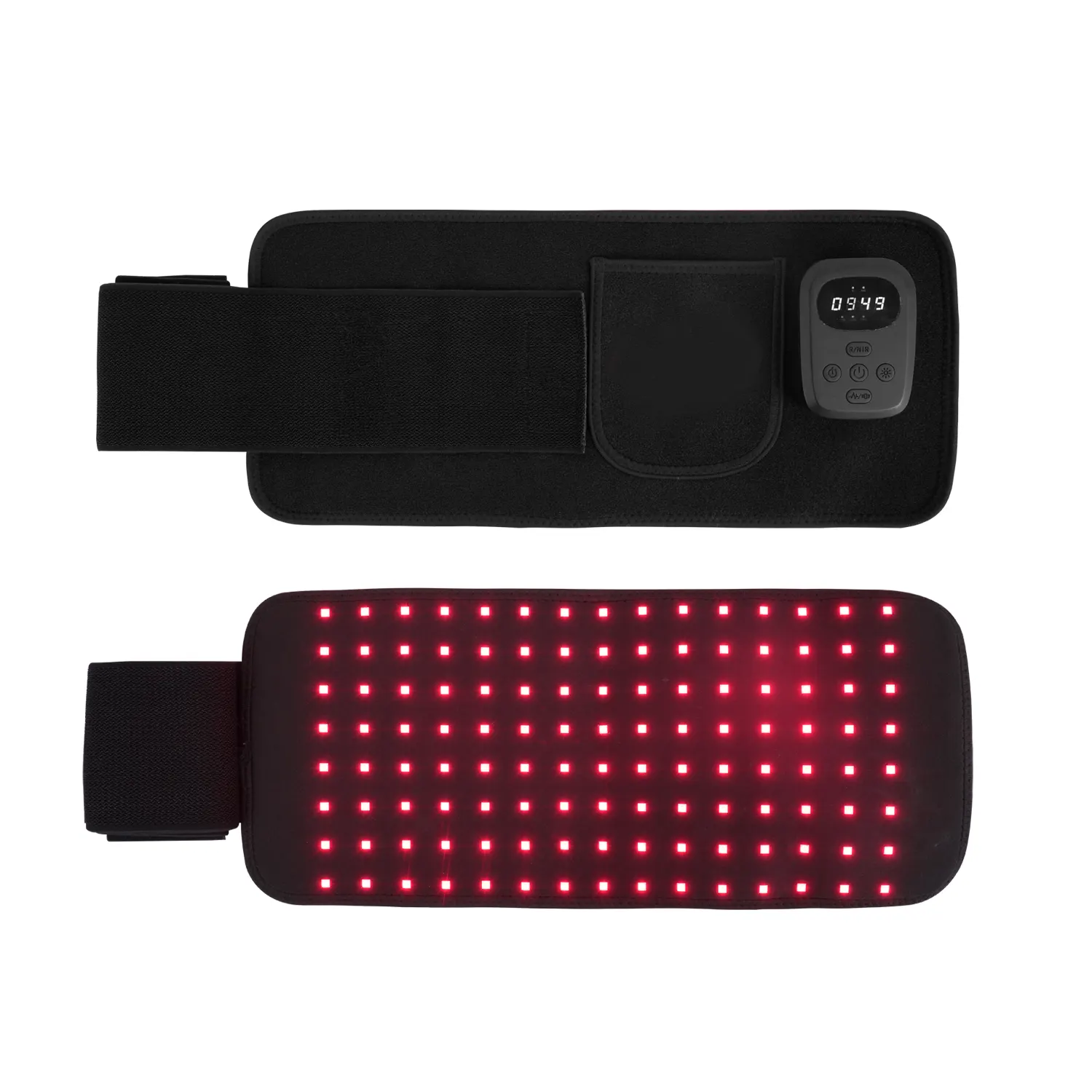
Red light therapy is generally safe for dogs, with minimal side effects. It is crucial to monitor your dog for any adverse reactions and consult a veterinarian for safe application.
Das Fazit: Sicher, But With Conditions
-
Safety Classification: Red/near-infrared light therapy (Photobiomodulation) is classified by the U.S. Lebensmittel- und Arzneimittelbehörde (FDA) as a Non-Significant Risk (NSR) device, with decades of safe use history.
-
Common Side Effects: When used correctly, side effects are extremely rare. Occasional mild issues might include temporary warmth in the treated area or, in very rare cases, minor reactions in animals with sensitive skin.
-
Critical Misconception: Red light therapy devices are not toy laser pointers Und not ordinary LED lights. While the light itself is generally harmless, improper use (such as shining directly into eyes, overexposure, or use on contraindicated areas) can still cause harm.
How Does Light Therapy Work for My Dog?
Rot (633nm) and Infra-red (830nm) light are able to penetrate through skin, reaching cells within the body and generating an anti-inflammatory response from these cells.
Red light can penetrate 5-10mm into the skin, reaching capillaries and superficial muscles. Red light on its own is more beneficial for issues that are on the skin’s surface e.g.skin healing or wounds. Infra-red light is able to go deeper and reaches up to 2-5 centimeters. This means it can reach muscles, Gelenke, and bones. This makes it suitable to use infra-red therapy for dog joint pain, for example.
Infra-red therapy works because, in response to the light, the cells receive energy. They absorb light through light-sensitive molecules called chromophores. The chromophores are found in the mitochondria, which are the components responsible for the cell’s energy production. This stimulates the cells to produce ATP, the unit of energy that cells use for all their functions. This increased ATP allows cells to rebuild more efficiently and this is what speeds up healing.
The light also has other effects that help the cells work better.
- Vasodilation – where the blood vessels widen – helps blood circulate more freely, which means better oxygenation and nutrition to the cells, but also the removal of cell waste faster.
- Reduces inflammation – the production of pro inflammatory cytokines, which cause inflammation and swelling, is reduced.
- Collagen production stimulation – the protein collagen which repairs skin, tendons, and ligaments, is increased by exposure to redlight.
- New capillary production – new capillaries are formed (Angiogenese) in response to redlight, which helps tissue regeneration.
- Pain relief – endorphins, which are the body’s natural painkillers, are released by the red light. The red light also stimulates certain neural pathways which work to block pain.
Infra-red light therapy can be used by itself, or you can also use it alongside physiotherapy, hydrotherapy, acupuncture etc.
Laser Therapy for Dogs FAQs
Does laser therapy really work on dogs?
Laser therapy is thought of as an effective treatment for reducing pain and inflammation, and it can help with wound healing. Keep in mind that laser therapy is usually recommended as part of a treatment plan, rather than the sole treatment.
Can laser therapy help my dog walk again?
Laser therapy can be used with other treatments for multiple conditions that may affect your dog’s ability to walk, such as intervertebral disc disease (IVDD) or osteoarthritis.
Jedoch, whether your dog’s walking ability gets better will depend on the specific underlying cause, the severity and length of the condition, and what other treatment options are used. Not all dogs that have lost the ability to walk—particularly if there is paralysis from a neurological cause—will be able to walk again.