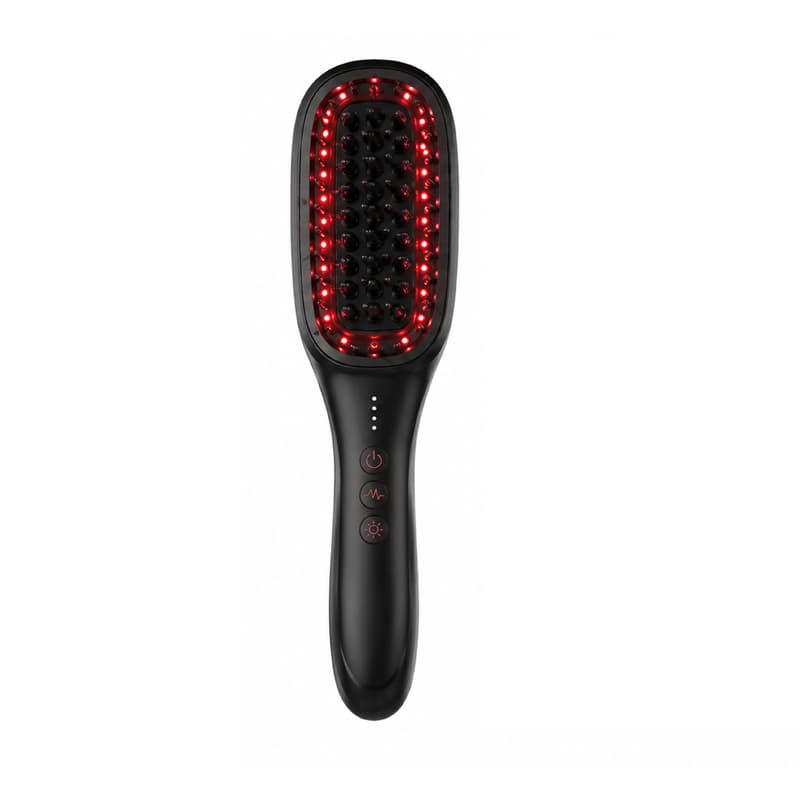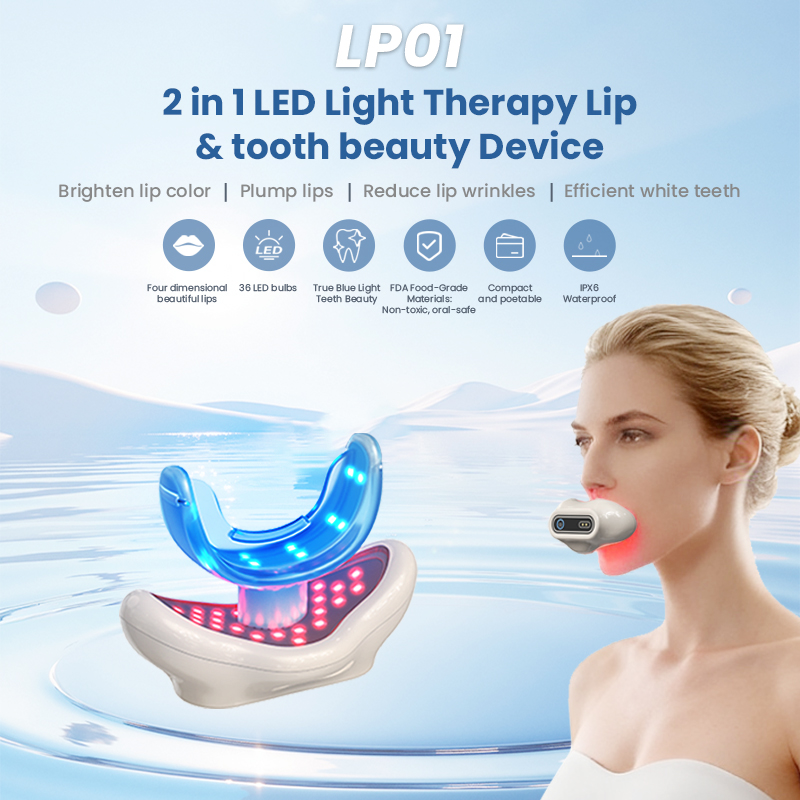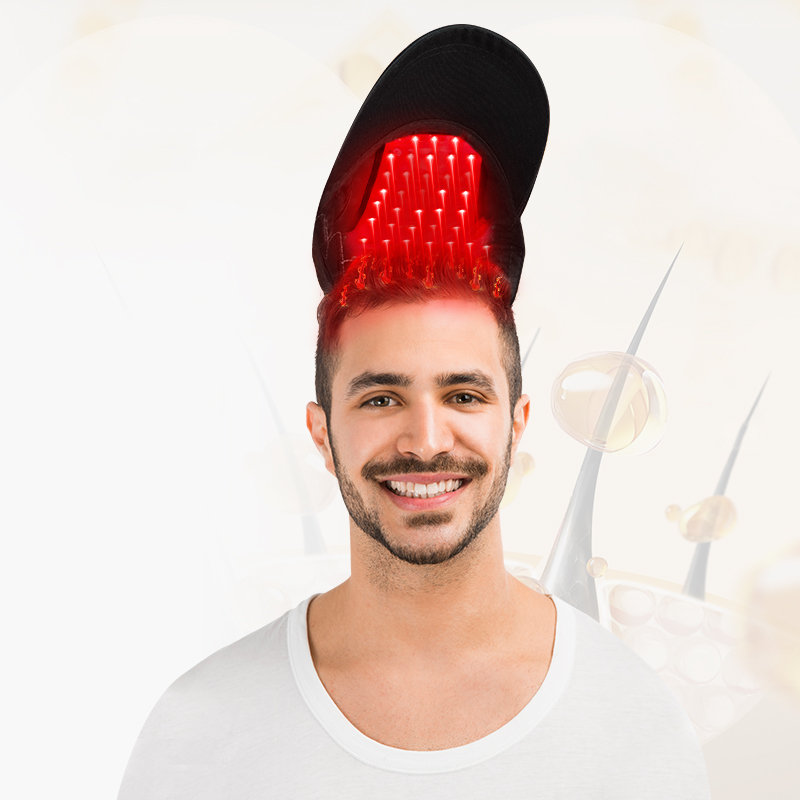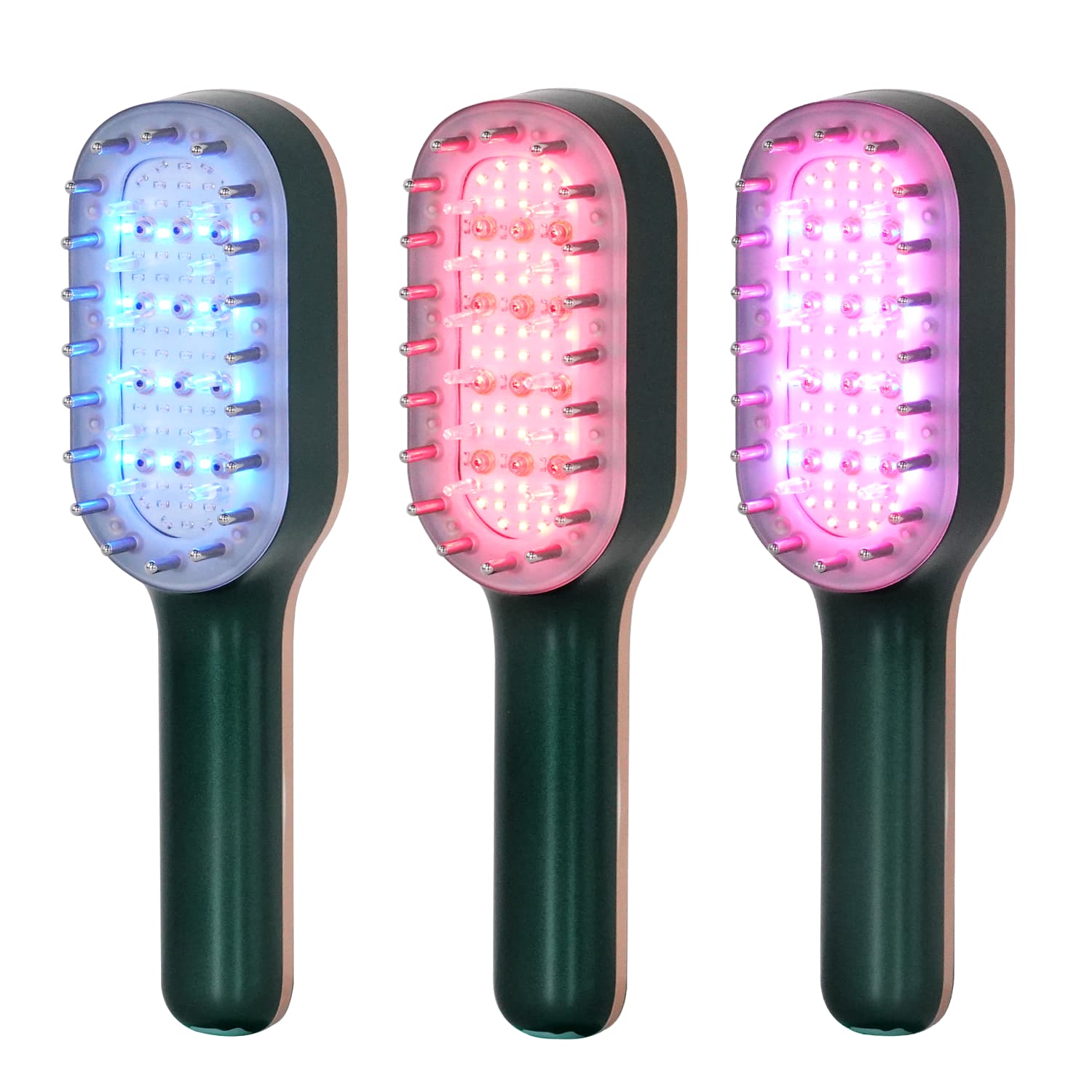
Da die Nachfrage nach dermatologischen Lösungen für zu Hause weiter wächst, UVB-Lichttherapiegeräte haben sich zu einer Schlüsselkategorie sowohl im Consumer-Wellness- als auch im klinischen Behandlungsmarkt entwickelt. Von der Behandlung von Psoriasis und Ekzemen bis hin zur allgemeinen Hautgesundheit, Die UVB-Phototherapie gilt mittlerweile weithin als wirksam, nicht-invasive Lösung.
Für Marken, Händler, und medizinische Zulieferer, Dieser Trend bietet eine große Chance. Jedoch, Für den Markteintritt ist mehr als nur ein Produkt erforderlich – es ist der richtige OEM erforderlich (Erstausrüster) Partner.
Dieser Leitfaden führt Sie durch alles, was Sie über die Arbeit mit einem wissen müssen OEM-Hersteller von UVB-Lichttherapiegeräten, einschließlich Produkttypen, Zertifizierungen, Anpassungsmöglichkeiten, und Beschaffungsstrategien.
Was ist UVB-Lichttherapie??
Die UVB-Lichttherapie nutzt ultraviolette B-Wellenlängen (typischerweise 280–315 nm) zur Behandlung verschiedener Hauterkrankungen. Es funktioniert:
- Verlangsamung des abnormalen Hautzellenwachstums
- Entzündungen reduzieren
- Anregung der Vitamin-D-Produktion
Allgemeine Anwendungen
- Schuppenflechte
- Ekzem (atopische Dermatitis)
- Vitiligo
- Akne (in spezifischen Protokollen)
- Allgemeine dermatologische Betreuung
Es gibt zwei Hauptkategorien von UVB:
- Breitband-UVB (BB-UVB)
- Schmalbandiges UVB (NB-UVB, ~311–313 nm) → bevorzugt in modernen Geräten
Für OEM-Käufer, NB-UVB ist der Industriestandard, insbesondere für Heimgeräte.
Warum OEM-Fertigung wichtig ist
Wenn Sie sich für einen OEM-Hersteller entscheiden, ist dies möglich:
- Starten Sie Ihre eigene Private-Label-Marke
- Passen Sie Produktfunktionen und Design an
- R reduzieren&D und Produktionskosten
- Beschleunigen Sie die Markteinführung
Anstatt Geräte von Grund auf neu zu bauen, Sie nutzen die Vorteile eines erfahrenen Herstellers:
- Ingenieurskompetenz
- Lieferkette
- Zertifizierungsunterstützung
- Produktionskapazität
Arten von UVB-Lichttherapiegeräten
Bei Bezug von einem OEM-Hersteller, Es ist wichtig, die Hauptproduktkategorien zu verstehen.
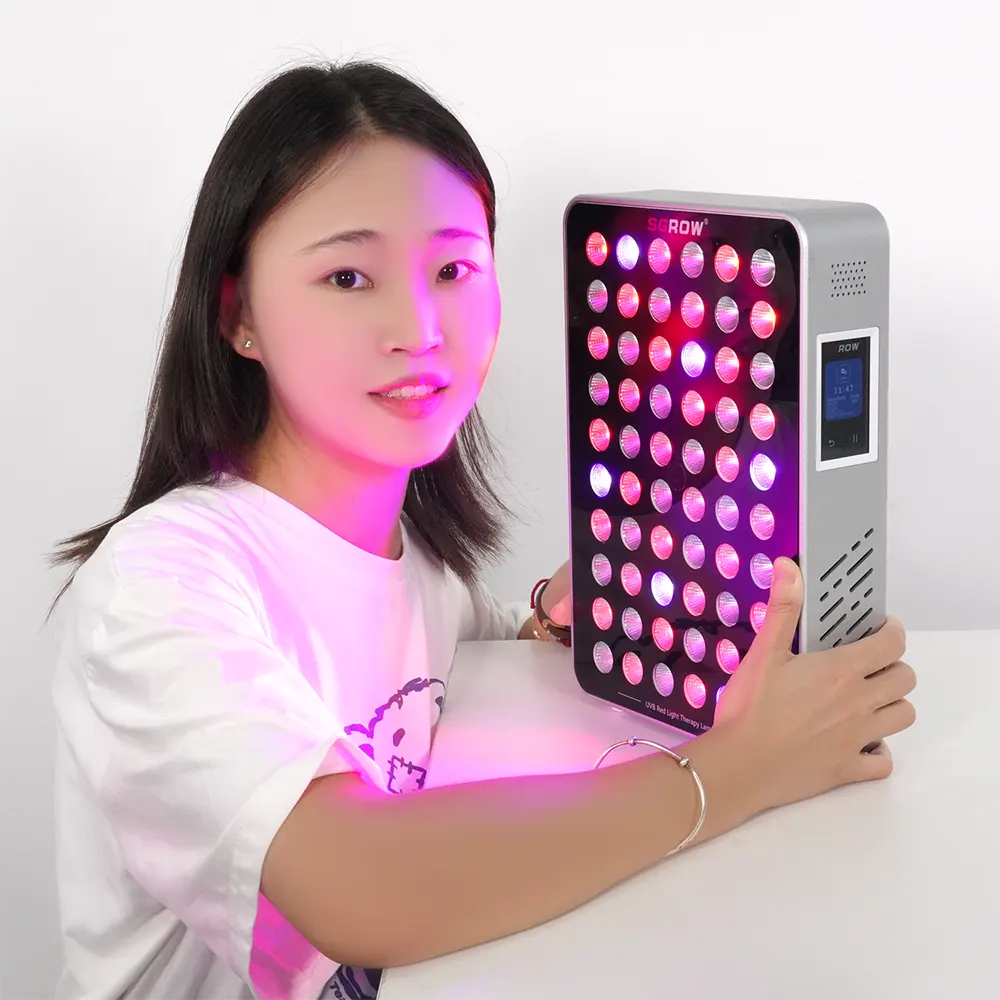
1. Ganzkörper-UVB-Lichttherapie-Panels
Diese sind groß, Hochleistungssysteme für:
- Home-Wellness-Nutzer
- Dermatologische Kliniken
Hauptmerkmale:
- Hohe Bestrahlungsstärke
- Große Behandlungsabdeckung
- Einstellbare Timer und Intensität
- Wandmontage oder Standausführung
👉 Ideal für Marken, die auf Premium-Heimtherapiemärkte abzielen
2. Tragbare UVB-Geräte
Kompakt und tragbar, Diese Geräte werden verwendet für:
- Lokalisierte Behandlung
- Persönlicher Heimgebrauch
Hauptmerkmale:
- Leichtes Design
- Geringere Leistungsabgabe
- Batterie- oder Steckerbetrieb
👉 Ideal für Einstiegsprodukte und E-Commerce-Kanäle
3. Gezielte UVB-Therapielampen
Entwickelt für bestimmte Körperbereiche:
- Kopfhaut
- Hände und Füße
- Gesichtsbehandlung
👉 Beliebt in Dermatologiekliniken und für den spezialisierten Heimgebrauch
Wichtige zu bewertende Spezifikationen
Bei der Zusammenarbeit mit einem OEM-Hersteller von UVB-Lichttherapie, Sie müssen die technischen Parameter sorgfältig bewerten.
1. Wellenlängengenauigkeit
- NB-UVB: 311-313 nm (entscheidend für die Wirksamkeit)
- Sorgen Sie für eine gleichmäßige Ausgabe aller LEDs oder Röhren
2. Bestrahlungsstärke (mW/cm²)
- Bestimmt die Behandlungseffizienz
- Höhere Bestrahlungsstärke = kürzere Behandlungszeit
3. Behandlungsbereich
- Klein (lokalisierte Geräte)
- Medium (Paneele)
- Ganzkörpersysteme
4. Lichtquellentyp
- UVB-Leuchtstoffröhren (traditionell)
- UVB-LEDs (neue Technologie)
5. Kühlsystem
- Passive Kühlung (kleine Geräte)
- Aktive Kühlung (Fans, Kühlkörper für große Systeme)
6. Kontrollsystem
- Timer-Einstellungen
- Intensitätsanpassung
- Sicherheitsschloss
Zertifizierungen und Compliance
UVB-Lichttherapiegeräte werden klassifiziert als medizinische oder quasi-medizinische Geräte in vielen Märkten. Die Zertifizierung ist von entscheidender Bedeutung.
Grundlegende Zertifizierungen
- FDA (USA) – Erforderlich für den Verkauf von Medizinprodukten
- CE (Europa) – Obligatorisch für den EU-Markt
- RoHS – Einhaltung der Umweltvorschriften
- IEC 60601 – Medizinischer elektrischer Sicherheitsstandard
Warum das wichtig ist
- Gewährleistet die Produktsicherheit
- Schafft Vertrauen bei Händlern und Kliniken
- Ermöglicht den Eintritt in regulierte Märkte
👉 Überprüfen Sie Zertifizierungsdokumente immer direkt bei Ihrem Hersteller.
OEM-Anpassungsoptionen
Ein starker OEM-Partner sollte flexible Anpassungsmöglichkeiten bieten.
1. Branding (Private Label)
- Logo-Druck
- Individuelle Verpackung
- Bedienungsanleitungen
2. Industriedesign
- Gehäuseform und -farbe
- Benutzeroberfläche (Tasten, Anzeige)
3. Technische Anpassung
- Wellenlängenabstimmung (NB-UVB-Fokus)
- Leistungs- und Bestrahlungsstärken
- Timer-Voreinstellungen
4. Software & Intelligente Funktionen
- Digitale Bedienfelder
- App-Konnektivität (High-End-Modelle)
Fertigungskapazitäten, auf die Sie achten sollten
Die Wahl des richtigen Herstellers ist entscheidend für den langfristigen Erfolg.
Schlüsselfaktoren
1. Erfahrung
- 5–10+ Jahre in der Herstellung von Lichttherapien
- Nachgewiesene Erfolgsbilanz im Export
2. Produktionskapazität
- Fähigkeit, Großbestellungen abzuwickeln
- Stabile Lieferzeiten
3. R&D-Fähigkeit
- Unterstützung bei kundenspezifischem Design
- Entwicklung neuer Produkte
4. Qualitätskontrolle
- Wareneingangskontrolle
- Inline-Tests
- Endgültige Produktvalidierung
Überlegungen zu Preisen und MOQ
Die Preise variieren je nach:
- Gerätetyp (Handheld vs. Ganzkörper)
- Leistung und Funktionen
- Zertifizierungsanforderungen
- Bestellmenge
Typische Struktur
- Mindestbestellmenge (Mindestbestellmenge):
- 50–100 Einheiten (kleine Geräte)
- 10–30 Einheiten (große Systeme)
- Preisklasse:
- Handheld-Geräte: geringere Kosten
- Ganzkörpersysteme: Premium-Preise
👉 OEM-Käufer sollten verhandeln gestaffelte Preise für Skalierbarkeit.
Logistik und Lieferkette
Eine effiziente Logistik ist für den weltweiten Vertrieb unerlässlich.
Versandoptionen
- Luftfracht (schnell, höhere Kosten)
- Seefracht (Schüttgut, kostengünstig)
Überlegungen zur Verpackung
- Schutzschaum für UV-Lampen
- Kartons in Exportqualität
- Einhaltung von Falltests
Häufige Fehler, die es zu vermeiden gilt
1. Zertifizierung ignorieren
Der Verkauf nicht zertifizierter Geräte kann zu rechtlichen Problemen führen.
2. Die Auswahl basiert allein auf dem Preis
Billiganbieter gehen oft Kompromisse ein:
- Wellenlängengenauigkeit
- Sicherheitsstandards
3. Mangelnde Produktdifferenzierung
Ohne Anpassung, Ihr Produkt wird zur Ware.
4. Schlechte Kommunikation mit dem Hersteller
Klare Spezifikationen und Erwartungen sind entscheidend.
Zukünftige Trends bei UVB-Therapiegeräten
Der Markt für UVB-Therapie entwickelt sich rasant.
Schlüsseltrends
- Wechsel in Richtung Geräte für den Heimgebrauch
- Wachstum von LED-basierte UVB-Technologie
- Integration mit Intelligente Gesundheitsökosysteme
- Erhöhte Nachfrage nach tragbare Lösungen
Letzte Gedanken
Der Einstieg in den Markt für UVB-Lichttherapie ist eine vielversprechende Chance – der Erfolg hängt jedoch stark von der Wahl des richtigen OEM-Fertigungspartners ab.
Ein zuverlässiger Hersteller liefert nicht nur Produkte, sondern unterstützt auch Ihre Marke:
- Technisches Fachwissen
- Anleitung zur Zertifizierung
- Anpassungsmöglichkeiten
- Skalierbare Produktion
Ob Sie eine neue Marke einführen, Erweiterung Ihrer Produktpalette, oder Belieferung von Kliniken, Wenn Sie Zeit in die Auswahl des richtigen OEM-Partners investieren, wird Ihr langfristiger Erfolg entscheidend sein.