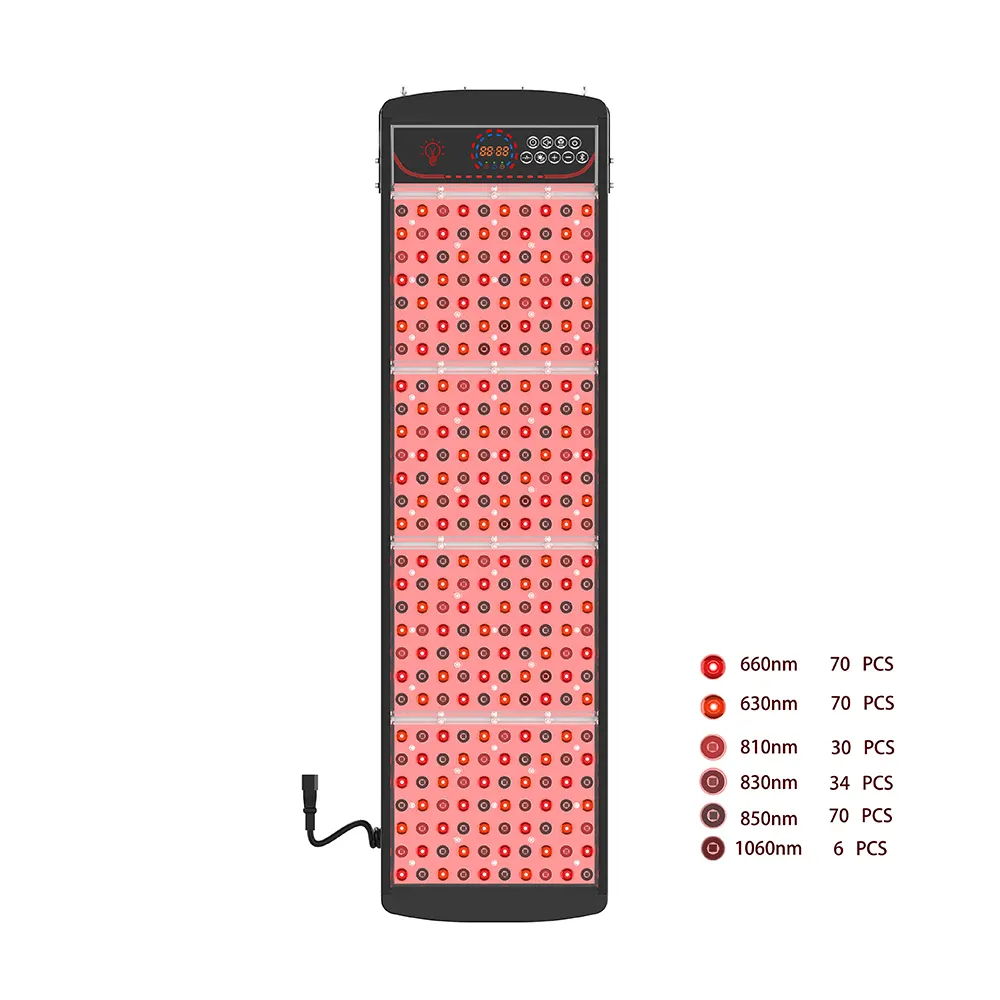
En los últimos años, infrared saunas have surged in popularity within wellness circles, fitness recovery centers, and private homes. Marketed for everything from detoxification and weight management to muscle recovery and stress relief, these devices have become a staple of modern self-care. Yet, alongside their rise in use, a persistent question continues to circulate online: Can infrared saunas cause cancer? The concern often stems from a misunderstanding of how infrared radiation works, confusion between different types of electromagnetic waves, and the general anxiety that naturally accompanies the word “radiation.” This article examines the scientific evidence, explores the biological mechanisms at play, and provides a clear, evidence-based answer to one of the most frequently asked questions in contemporary wellness.
How Infrared Saunas Work
Traditional saunas heat the air inside an enclosed space to temperatures typically ranging between 150°F and 195°F (65°C–90°C). The hot air then transfers heat to the body through convection and conduction. Infrared saunas operate on a fundamentally different principle. Instead of warming the surrounding air, they use infrared lamps or panels to emit electromagnetic radiation that penetrates the skin and directly heats body tissues. This allows users to experience a deep, sweating heat at lower ambient temperatures, usually between 110°F and 140°F (43°C–60°C), which many find more comfortable.
Infrared radiation is divided into three categories based on wavelength: near-infrared (closest to visible light), mid-infrared, and far-infrared (closest to microwaves). Most commercial saunas utilize far-infrared emitters, though some combine multiple wavelengths for purported therapeutic effects. Regardless of the specific type, all infrared saunas share the same core mechanism: delivering thermal energy directly to the body without significantly heating the surrounding air.
The Radiation Spectrum: Why Infrared Is Different
The root of most cancer-related concerns lies in the word “radiation.” In scientific terms, radiation simply refers to energy that travels through space in the form of waves or particles. Sin embargo, not all radiation is created equal. The electromagnetic spectrum is broadly divided into ionizing and non-ionizing radiation, a distinction that is critical to understanding cancer risk.
Ionizing radiation, which includes X-rays, gamma rays, and ultraviolet (UV) radiation, carries enough energy per photon to strip electrons from atoms and molecules. This ionization can directly damage DNA, create free radicals, and trigger mutations that may eventually lead to cancer. UV radiation from the sun, for example, is a well-documented carcinogen responsible for the majority of skin cancers.
Infrared radiation, by contrast, falls firmly within the non-ionizing portion of the spectrum. Its photons lack the energy required to break chemical bonds or ionize molecules. Instead, infrared waves interact with matter by causing atoms and molecules to vibrate, which we perceive as heat. This is the same principle by which sunlight warms your skin on a cool day or how a campfire radiates warmth. Because infrared radiation cannot alter DNA structure at the molecular level, it does not possess the fundamental mechanism required to initiate carcinogenesis.
Biological Mechanisms: Heat, DNA, and Cancer
Cancer develops when genetic mutations accumulate in cells, leading to uncontrolled division and tissue invasion. Known carcinogens either directly damage DNA (like ionizing radiation or certain chemicals) or create chronic inflammatory environments that indirectly promote mutagenesis over decades. Infrared saunas do neither.
The primary biological effect of infrared exposure is thermal. When infrared waves penetrate the skin, they increase local blood flow, raise tissue temperature, and stimulate sweating. These responses are well within the body’s natural thermoregulatory range. In fact, mild heat stress triggers the production of heat shock proteins, which help cells repair damaged proteins, reducir el estrés oxidativo, and improve cellular resilience. Some oncology researchers have even explored controlled hyperthermia (therapeutic heating of tissues) as an adjuvant treatment to make cancer cells more vulnerable to radiation and chemotherapy. Far from causing cancer, targeted heat exposure is being studied for its potential to support cancer treatment under clinical supervision.
It is also worth noting that the human body constantly emits and absorbs infrared radiation as part of normal thermoregulation. Every object above absolute zero radiates infrared energy, including our own bodies. The idea that sitting in an environment that mimics this natural heat transfer could be carcinogenic contradicts basic biophysics.
What the Scientific Literature Actually Shows
When evaluating health claims, peer-reviewed research and epidemiological data should guide our conclusions. To date, there is no credible scientific evidence linking infrared sauna use to increased cancer incidence. Large-scale studies on sauna bathing, primarily conducted in Finland using traditional saunas, have consistently shown neutral or beneficial associations with cardiovascular health, mortality reduction, and metabolic function. While these studies do not exclusively examine infrared models, the physiological responses to heat exposure remain largely consistent across sauna types.
Research specifically focused on infrared saunas is more limited but equally reassuring. Clinical trials investigating infrared therapy for conditions like chronic fatigue, fibromyalgia, hypertension, and exercise recovery have reported improvements in symptoms without adverse oncological outcomes. Regulatory and health organizations worldwide, including the World Health Organization (WHO), the International Commission on Non-Ionizing Radiation Protection (ICNIRP), and the U.S. Administración de Alimentos y Medicamentos (FDA), classify infrared radiation as non-ionizing and do not list it as a carcinogen. The FDA, which regulates infrared sauna devices as general wellness products, has not issued warnings linking them to cancer development.
It is important to acknowledge that long-term, decades-spanning cohort studies dedicated exclusively to infrared sauna use and cancer outcomes do not yet exist. Sin embargo, the absence of such studies does not imply hidden risk. In science, burden of proof rests on demonstrating a plausible mechanism and observable correlation. Neither exists in this case. The physics of non-ionizing radiation, combined with decades of thermal biology research, provides a robust framework indicating that infrared saunas do not cause cancer.
Why the Myth Persists
Despite the scientific consensus, the fear that infrared saunas might cause cancer continues to circulate. Several factors contribute to this misconception. First, the term “radiation” triggers an automatic association with nuclear accidents, medical imaging, and skin cancer, even though these involve entirely different parts of the electromagnetic spectrum. Second, wellness marketing often uses ambiguous language like “detoxification” y “cellular cleansing,” which can blur the line between evidence-based therapy and pseudoscience, leading skeptics to question the safety of the technology altogether. Third, online forums and social media algorithms frequently amplify anecdotal claims and unverified warnings, creating echo chambers where misinformation gains traction.
Confusion also arises from studies on extreme heat exposure. Occupational settings involving prolonged, uncontrolled exposure to high temperatures (such as industrial foundries) have been loosely associated with certain health risks, but these involve chronic thermal stress, dehydration, and co-exposure to chemical carcinogens, not controlled sauna use. Equating these environments with a 20–30 minute infrared session in a climate-controlled room is scientifically inaccurate.
Real Risks vs. Imagined Ones
While cancer is not a documented risk of infrared sauna use, that does not mean the practice is entirely without precautions. The real risks are thermal and physiological, not carcinogenic. Prolonged sessions can lead to dehydration, electrolyte imbalance, dizziness, or heat exhaustion. Individuals with cardiovascular conditions, low blood pressure, or those taking medications that affect thermoregulation (such as beta-blockers or diuretics) should consult a physician before use. Pregnant individuals are generally advised to avoid excessive heat exposure due to potential fetal risks. Además, poorly manufactured devices with faulty wiring or inadequate temperature controls could pose burn or fire hazards, though these are engineering and safety compliance issues rather than inherent properties of infrared radiation.
These legitimate concerns are easily mitigated through sensible usage: limiting sessions to 15–30 minutes, staying well-hydrated, listening to your body’s signals, and purchasing devices that meet recognized safety standards. When used responsibly, infrared saunas present a low-risk modality for relaxation and recovery.
Practical Safety Guidelines
For those considering or already using infrared saunas, the following evidence-based recommendations can maximize benefits while minimizing discomfort:
- Begin with shorter sessions (10–15 minutos) and gradually increase duration as your body adapts.
- Drink water before and after use to replace fluids lost through sweating.
- Avoid alcohol, heavy meals, or intense exercise immediately before or after a session.
- Exit immediately if you experience lightheadedness, nausea, or chest discomfort.
- Consult a healthcare provider if you have underlying medical conditions, estas embarazada, or take prescription medications.
- Choose reputable brands that comply with electrical safety certifications and provide clear usage guidelines.
Preguntas frecuentes
How hot will the sauna get?
You can choose your ideal temperature depending on your preference. We will start the sauna at 130°F and you are able to increase or decrease it from that point. The ideal temperature for an infrared sauna is between 110°F to 145°F. Recordar, temperature is not important; the fact that you are receiving far infrared heat is.
How long should I sit in an infrared sauna?
We recommend not exceeding 50 consecutive minutes in the infrared sauna as it might cause dehydration; sin embargo, it varies on each person and their health.
What’s the Difference Between Infrared Saunas and Traditional Saunas?
Unlike traditional hot rock based saunas that operate at well in excess of 200°F, infrared heat has the benefit of being effective at a much more comfortable temperature of 100°-150°F. Traditional saunas focus on heating the air as opposed to the body directly. This can make the experience uncomfortably hot and make breathing difficult rather than a pleasant detoxification and relaxation environment. Since infrared heat penetrates human tissue as opposed to simply heating the surface of the skin, infrared saunas are about seven times more effective than traditional saunas at detoxifying the body. By raising the body’s core temperature, infrared saunas can typically generate a sweat composed of 20% toxins vs. only 3% toxins in a traditional sauna.
Can I use an infrared sauna if I am taking prescription medication?
Individuals who are using prescription drugs should seek the advice of their personal physician before scheduling a sauna session. There can be changes in a drug’s effects when the body is exposed to infrared waves or elevated body temperature.
What type of wood is our infrared sauna made of?
Our infrared sauna at L.A. Tan, the Detox Youth Sauna, is made from 100% Aspen Wood, which is 99% non toxic and non allergenic.
Conclusión
The question “Can infrared saunas cause cancer?” has been examined through the lenses of physics, biology, and clinical research. The answer, grounded in decades of scientific understanding, is clear: no, infrared saunas do not cause cancer. Infrared radiation is non-ionizing, lacks the energy to damage DNA, and operates through well-understood thermal mechanisms that the human body encounters naturally every day. While long-term, infrared-specific epidemiological studies are still emerging, the absence of a plausible biological pathway to carcinogenesis, combined with consistent safety data from thermal therapy research, leaves no scientific basis for cancer-related fears.
As with any wellness practice, moderation, awareness, and evidence-based decision-making are key. Infrared saunas can be a valuable tool for relaxation, circulación, and recovery when used responsibly. By separating verified science from digital speculation, consumers can make informed choices that support their health without unnecessary anxiety. In the evolving landscape of wellness technology, infrared saunas stand as a safe, accessible, and scientifically sound option for those seeking the benefits of controlled heat therapy.