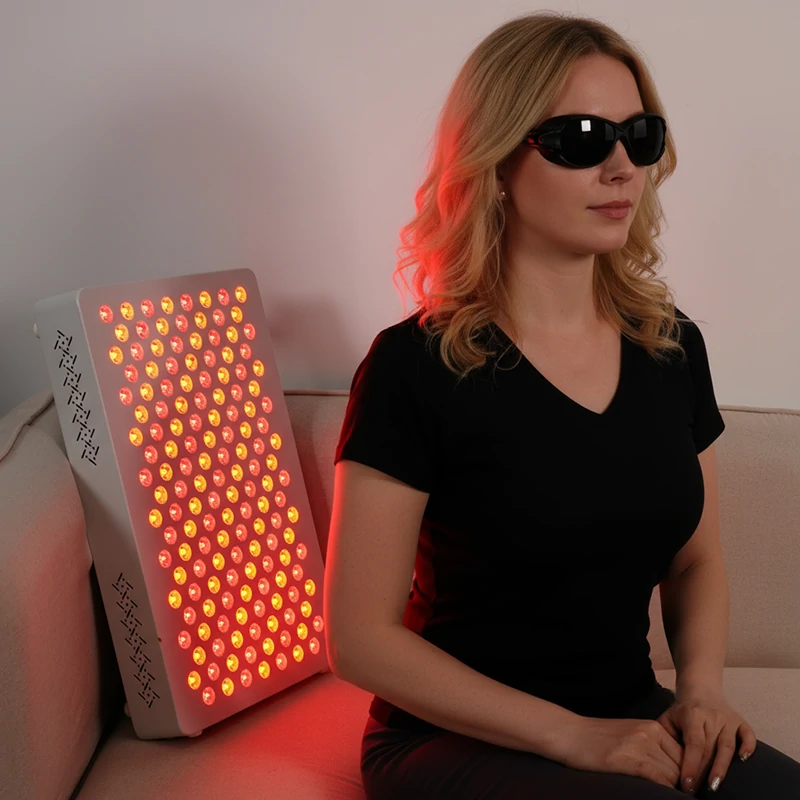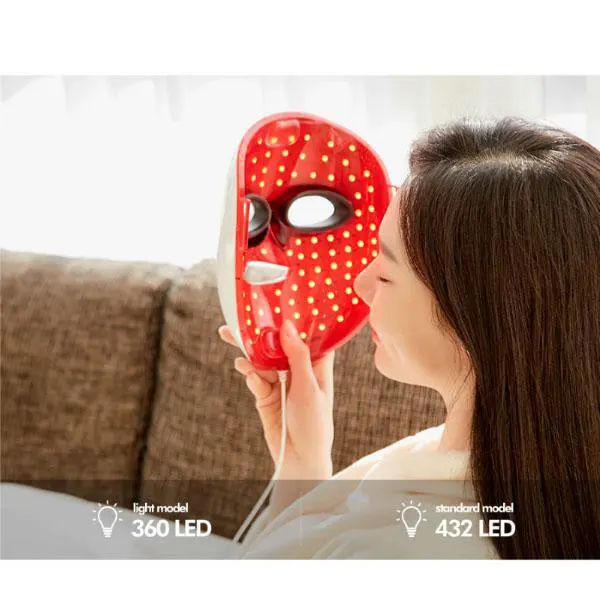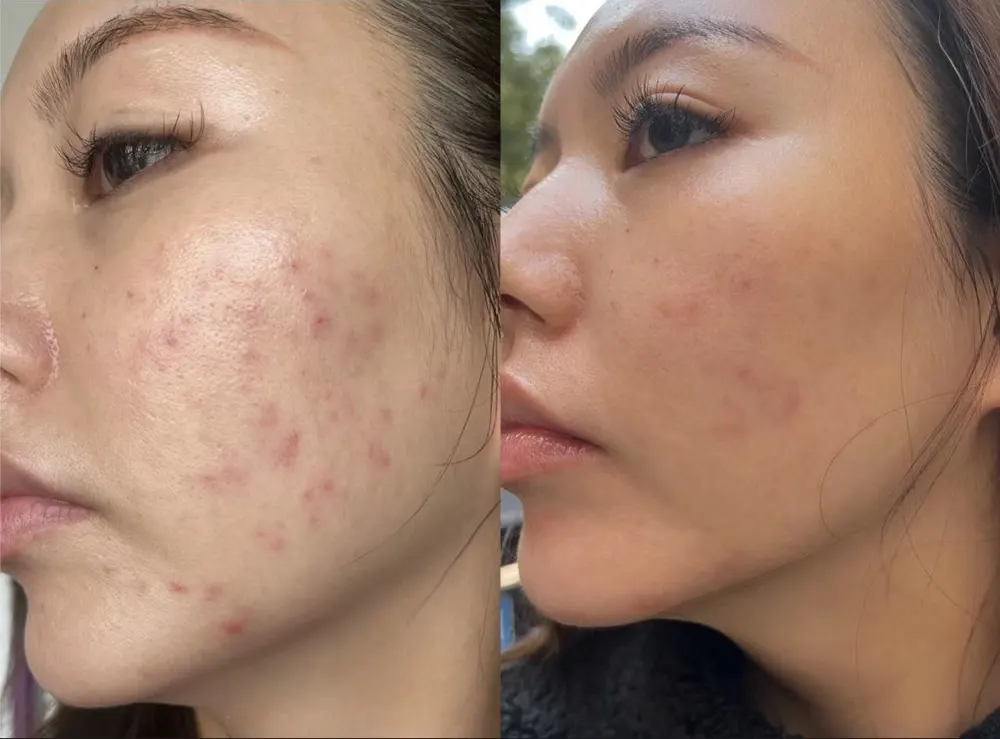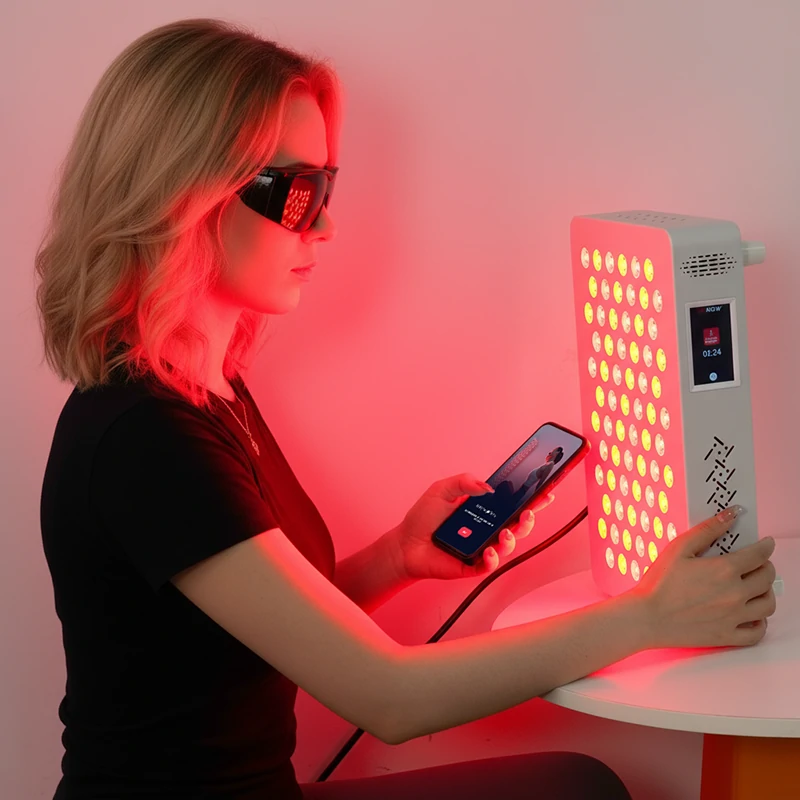
If you have struggled with acne, you know the drill. You have tried the harsh cleansers, the drying spot treatments, and the prescription creams that leave your skin feeling raw. You are likely searching for something that works con your skin, not against it.
Enter the red light therapy mask. But can a device that glows red really help clear up pimples?
Sí, red light therapy is a clinically proven, powerful tool for treating acne. Sin embargo, the full story involves a bit of nuance. While blue light often steals the spotlight for killing bacteria, red light plays an equally important—if not more crucial—role in healing acne-prone skin and preventing future breakouts.
En Puroluxtech , we believe in treating the root cause, not just the symptoms. Here is how red light therapy tackles acne from the inside out.
The Two Faces of Acne
To understand why red light works, you have to understand what causes a pimple. Acne is not just “dirty skin.” It is a complex inflammatory condition driven by four main factors:
-
Excess Oil (Sebum) Production: Overactive sebaceous glands clog pores.
-
Clogged Pores: Dead skin cells aren’t shed properly, creating a blockage.
-
Bacteria (Cutibacterium acnes): This bacteria thrives in the clogged, low-oxygen environment of a pore.
-
Inflammation: This is the redness, swelling, and pain. It is the body’s reaction, and it is what causes the “ugly” red bump and the risk of scarring.
Most acne treatments target just one of these factors. Terapia de luz roja, particularly when combined with other wavelengths, can target several at once.
The Anti-Inflammatory Power of Red Light
This is the superpower of red light therapy for acne. While blue light is famous for killing bacteria on the surface, red light penetrates deeper to calm the fire.
How it works:
-
Calming the Storm: When you have a cystic or inflammatory pimple, your immune cells are in overdrive, creating redness and swelling. Red light therapy reduces oxidative stress and calms these hyperactive immune cells.
-
Healing Faster: By boosting cellular energy (atp), red light accelerates the repair of the damaged tissue surrounding the pimple.
-
Reducing Redness: The result is that active breakouts become less angry, less painful, and they heal significantly faster.
Think of red light as the “cool down” after a workout. It tells your skin to stop panicking and start healing.
The Role of Blue Light (The Bacteria Killer)
Many modern “acné” masks combine Red and Blue light. This is where the magic truly happens.
-
Blue Light (415Nuevo Méjico): Targets and kills the PAG. acnes bacteria on the surface of the skin. Bacteria produce porphyrins, and when blue light hits them, it creates a chemical reaction that destroys the bacteria.
-
Luz roja (630Nuevo Méjico): Penetrates deeper to reduce inflammation, calm redness, and heal the lesions.
The Synergy: Blue light clears the infection; red light heals the wound. This combination is why professional dermatologists often use “LED photo therapy” for their acne patients.
What the Science Says
The clinical evidence for light therapy and acne is robust and well-established.
-
Reducing Lesions: A study published in Dermatologic Surgery examined the effects of combined red and blue light therapy on acne patients. Después 12 semanas de tratamiento, there was a 76% reduction in inflammatory acne lesions.
-
Long-Term Remission: Unlike antibiotics, which bacteria can eventually become resistant to, light therapy provides a physical mechanism for clearing skin. Many patients in clinical studies maintained clear skin for months after their treatment regimen ended.
-
Zero Resistance: Because light therapy doesn’t rely on chemicals, bacteria cannot develop a resistance to it. It remains effective over time.
Beyond the Pimple: Healing the Scars
For those with acne, the pimple is only half the problem. The red or brown marks left behind (post-inflammatory hyperpigmentation) can last for months.
Red light therapy is exceptional at speeding up the fading of these marks. By increasing cellular turnover and repair, it helps your skin shed the damaged, pigmented cells faster and replace them with healthy, evenly toned tissue.
A Gentler Approach for Sensitive Skin
If you have acne, you likely also have sensitive skin. Many acne fighters fall into a trap: they use harsh products to dry out the oil, which damages the skin barrier, leading to more irritation and more breakouts.
Red light therapy is non-invasive and non-drying.
-
It causes zero irritation.
-
It does not strip your skin of its natural moisture barrier.
-
It is safe to use even on skin that is currently broken out or raw from other treatments.
This makes it a perfect companion for those who cannot tolerate high-strength retinoids or benzoyl peroxide.
What to Expect: The Timeline
Healing acne with light therapy requires consistency. It is not an overnight spot treatment.
-
Semana 1-2: You may notice that new pimples are smaller and less inflamed. Existing redness may start to fade.
-
Semana 3-4: The frequency of breakouts often decreases. Skin texture begins to feel smoother.
-
Semana 8-12: This is where the cumulative effect kicks in. Oil production may feel more balanced, and the overall clarity of your skin improves significantly.
The Verdict: A Powerful Tool for Clear Skin
So, do red light therapy masks work for acne?
Sí. Whether you are dealing with the occasional hormonal breakout or persistent cystic acne, red light therapy offers a drug-free, gentle, and clinically proven way to reduce inflammation, kill bacteria, and heal your skin.
It won’t replace a good diet and skincare routine, but it provides the foundational cellular support your skin needs to finally break the cycle of breakouts.
Preguntas frecuentes (Preguntas frecuentes)
What Are the Benefits of Red Light Therapy?
Red light therapy may help calm inflammation, support the skin barrier, boost collagen production, and aid recovery after in-office treatments like lasers. Dr. Gohara describes it as more of a skin-soothing and maintenance tool than a dramatic, overnight fix.
When red light is combined with blue light, it may also help improve breakouts. Blue light targets P. acnes bacteria, while red light helps reduce the inflammation that comes with acne, explains Dr. Obayomi. Research shows that using both together can lead to fewer breakouts over time, with studies reporting noticeable improvements after several weeks of consistent use.
That said, it’s important to keep expectations in check. At-home light therapy devices typically deliver lower-intensity light (often around 5–40 mW/cm²) than professional treatments (which can exceed 50 mW/cm²), so results tend to be more gradual and depend on consistent, regular use. As Dr. Obayomi notes, regular use over months—not days—is what’s most likely to lead to visible changes.
What exactly is red light therapy?
It’s a non-invasive treatment that uses red or near-infrared light. Also called photobiomodulation, a few dermatologists offer it to treat acne, signs of aging like wrinkles, hair loss, and other conditions. The red light that dermatologists offer is more powerful than that found in devices sold for at-home use.
To give their patients the best results, dermatologists typically recommend red light as a complementary therapy. This means, it’s part of a treatment plan that uses standard therapy. For example, when treating signs of aging, your dermatologist may add red light to a treatment plan that includes a medicated cream, microneedling, or a chemical peel. Tailored skin care may also be part of this treatment plan.
To help you maintain results after in-office treatment, your dermatologist may recommend using an at-home red-light device.
Whether you want to use red light after receiving treatment from a dermatologist or to try it on your own, you’ll find plenty of options. Red-light wands, masks, and other devices are sold for treating the skin. Caps, combs, and helmets are sold for regrowing hair. Most at-home devices contain light emitting diodes (LED), which are considered safe for home use. You’ll also find devices sold for at-home use that have low-level lasers.
How often do you have to use red light therapy?
This is not a one-and-done treatment. When using a red-light device at home, you’ll need to use it regularly. The amount of time needed varies, so follow the directions that come with the device.
Keep in mind that it takes time to see the results and not everyone sees them.
When treating signs of skin aging or hereditary hair loss, either in a dermatologist’s office or at home, you’ll need follow-up treatments. This is necessary because skin continues to age, and we continue to lose hair.