Si has luchado contra el acné., ya sabes el ejercicio. Has probado los limpiadores fuertes., los tratamientos para las zonas secas, y las cremas recetadas que dejan la piel en carne viva. Probablemente estés buscando algo que funcione con tu piel, no en contra.
Ingrese la máscara de terapia de luz roja. Pero, ¿un dispositivo que se ilumina en rojo realmente puede ayudar a eliminar las espinillas??
Sí, La terapia con luz roja es un método clínicamente probado., poderosa herramienta para tratar el acné. Sin embargo, la historia completa implica un poco de matices. Mientras que la luz azul a menudo se roba la atención por matar bacterias, La luz roja juega un papel igualmente importante, si no más crucial, en la curación de la piel propensa al acné y en la prevención de futuros brotes..
En Puroluxtech , Creemos en tratar la causa raíz., no solo los síntomas. Así es como la terapia con luz roja aborda el acné desde adentro hacia afuera.
Las dos caras del acné
Para entender por qué funciona la luz roja, Tienes que entender qué causa un grano.. El acné no es sólo “piel sucia.” Es una afección inflamatoria compleja impulsada por cuatro factores principales.:
-
Exceso de aceite (Sebo) Producción: Las glándulas sebáceas hiperactivas obstruyen los poros.
-
Poros obstruidos: Las células muertas de la piel no se eliminan correctamente, creando un bloqueo.
-
bacterias (Cutibacterium acnes): Esta bacteria prospera en los lugares obstruidos., ambiente bajo en oxígeno de un poro.
-
Inflamación: este es el enrojecimiento, hinchazón, y dolor. Es la reacción del cuerpo., y es lo que causa el “feo” protuberancia roja y el riesgo de dejar cicatrices.
La mayoría de los tratamientos para el acné se dirigen solo a uno de estos factores.. Terapia de luz roja, particularmente cuando se combina con otras longitudes de onda, puede apuntar a varios a la vez.
El poder antiinflamatorio de la luz roja
Este es el superpoder de la terapia con luz roja para el acné. Mientras que la luz azul es famosa por matar las bacterias de la superficie., La luz roja penetra más profundamente para calmar el fuego..
como funciona:
-
Calmando la tormenta: Cuando tienes un grano quístico o inflamatorio, tus células inmunes están a toda marcha, creando enrojecimiento e hinchazón. La terapia con luz roja reduce el estrés oxidativo y calma estas células inmunes hiperactivas.
-
Curación más rápida: Al aumentar la energía celular (atp), La luz roja acelera la reparación del tejido dañado que rodea el grano..
-
Reducir el enrojecimiento: El resultado es que los brotes activos se vuelven menos enojados., menos doloroso, y sanan significativamente más rápido.
Piensa en la luz roja como la “enfriarse” después de un entrenamiento. Le dice a tu piel que deje de entrar en pánico y comience a sanar..
El papel de la luz azul (El asesino de bacterias)
Muchos modernos “acné” Las máscaras combinan luz roja y azul.. Aquí es donde realmente ocurre la magia..
-
Luz azul (415Nuevo Méjico): Apunta y mata al PAG. acné bacterias en la superficie de la piel. Las bacterias producen porfirinas., y cuando la luz azul los golpea, Crea una reacción química que destruye las bacterias..
-
Luz roja (630Nuevo Méjico): Penetra más profundamente para reducir la inflamación., calmar el enrojecimiento, y sanar las lesiones.
La sinergia: La luz azul elimina la infección.; la luz roja cura la herida. Esta combinación es la razón por la que los dermatólogos profesionales suelen utilizar “Fototerapia LED” para sus pacientes con acné.
Lo que dice la ciencia
La evidencia clínica sobre la fototerapia y el acné es sólida y está bien establecida..
-
Reducir las lesiones: Un estudio publicado en Cirugía Dermatológica examinó los efectos de la terapia combinada de luz roja y azul en pacientes con acné. Después 12 semanas de tratamiento, hubo un 76% Reducción de las lesiones inflamatorias del acné..
-
Remisión a largo plazo: A diferencia de los antibióticos, ¿A qué bacterias eventualmente pueden volverse resistentes?, La fototerapia proporciona un mecanismo físico para aclarar la piel.. Muchos pacientes en estudios clínicos mantuvieron la piel clara durante meses después de finalizar su régimen de tratamiento..
-
Resistencia Cero: Porque la fototerapia no depende de productos químicos, las bacterias no pueden desarrollar resistencia a él. Sigue siendo eficaz con el tiempo..
Más allá del grano: Curando las cicatrices
Para aquellos con acné, el grano es solo la mitad del problema. Las marcas rojas o marrones que quedan (hiperpigmentación postinflamatoria) puede durar meses.
La terapia con luz roja es excepcional para acelerar la desaparición de estas marcas.. Al aumentar la renovación y reparación celular, Ayuda a tu piel a deshacerse de lo dañado., células pigmentadas más rápido y reemplazarlas con sanas, tejido uniformemente tonificado.
Un enfoque más suave para pieles sensibles
Si tienes acné, probablemente también tengas piel sensible. Muchos luchadores contra el acné caen en una trampa: Usan productos fuertes para secar el aceite., que daña la barrera cutánea, conduciendo a más irritación y más brotes.
La terapia con luz roja no es invasiva y no reseca.
-
No causa irritación.
-
No le quita a la piel su barrera de humedad natural..
-
Es seguro de usar incluso en piel que actualmente está rota o en carne viva debido a otros tratamientos..
Esto lo convierte en el compañero perfecto para quienes no toleran los retinoides de alta potencia o el peróxido de benzoilo..
Qué esperar: La línea de tiempo
Curar el acné con fototerapia requiere constancia. No es un tratamiento localizado de la noche a la mañana..
-
Semana 1-2: Puedes notar que los nuevos granos son más pequeños y menos inflamados.. El enrojecimiento existente puede comenzar a desaparecer..
-
Semana 3-4: La frecuencia de los brotes a menudo disminuye.. La textura de la piel comienza a sentirse más suave..
-
Semana 8-12: Aquí es donde entra en juego el efecto acumulativo.. La producción de petróleo puede sentirse más equilibrada, y la claridad general de tu piel mejora significativamente.
El veredicto: Una herramienta poderosa para una piel clara
Entonces, ¿Las mascarillas de terapia con luz roja funcionan para el acné??
Sí. Ya sea que esté lidiando con un brote hormonal ocasional o con un acné quístico persistente, La terapia con luz roja ofrece una experiencia libre de drogas., amable, y una forma clínicamente probada de reducir la inflamación, matar bacterias, y sanar tu piel.
No reemplazará una buena dieta y una rutina de cuidado de la piel., pero proporciona el soporte celular fundamental que tu piel necesita para finalmente romper el ciclo de los brotes..
Preguntas frecuentes (Preguntas frecuentes)
¿Cuáles son los beneficios de la terapia con luz roja??
La terapia con luz roja puede ayudar a calmar la inflamación, Apoyar la barrera de la piel., aumentar la producción de colágeno, y ayuda a la recuperación después de tratamientos en el consultorio como láseres. Dr. Gohara lo describe más como una herramienta de mantenimiento y calmante para la piel que como un efecto dramático., solución de la noche a la mañana.
Cuando la luz roja se combina con la luz azul, También puede ayudar a mejorar los brotes.. Objetivos de luz azul P. bacterias del acné, mientras que la luz roja ayuda a reducir la inflamación que acompaña al acné, explica el doctor. Obayomi. Las investigaciones muestran que usar ambos juntos puede provocar menos brotes con el tiempo, con estudios que informan mejoras notables después de varias semanas de uso constante.
dicho eso, es importante mantener las expectativas bajo control. Los dispositivos de fototerapia domésticos suelen ofrecer luz de menor intensidad (a menudo alrededor de 5 a 40 mW/cm²) que los tratamientos profesionales (que puede exceder 50 mW/cm²), por lo que los resultados tienden a ser más graduales y dependen de, uso regular. Como Dr.. notas obayomi, El uso regular durante meses, no días, es lo que tiene más probabilidades de provocar cambios visibles..
¿Qué es exactamente la terapia con luz roja??
Es un tratamiento no invasivo que utiliza luz roja o infrarroja cercana.. También llamada fotobiomodulación., Algunos dermatólogos lo ofrecen para tratar el acné., signos de envejecimiento como arrugas, perdida de cabello, y otras condiciones. La luz roja que ofrecen los dermatólogos es más potente que la que se encuentra en los dispositivos que se venden para uso doméstico.
Para dar a sus pacientes los mejores resultados., Los dermatólogos suelen recomendar la luz roja como terapia complementaria.. Esto significa, es parte de un plan de tratamiento que utiliza terapia estándar. Por ejemplo, al tratar los signos del envejecimiento, su dermatólogo puede agregar luz roja a un plan de tratamiento que incluya una crema medicada, microagujas, o una exfoliación química. El cuidado de la piel personalizado también puede ser parte de este plan de tratamiento..
Para ayudarle a mantener los resultados después del tratamiento en el consultorio, Su dermatólogo puede recomendarle el uso de un dispositivo de luz roja en casa..
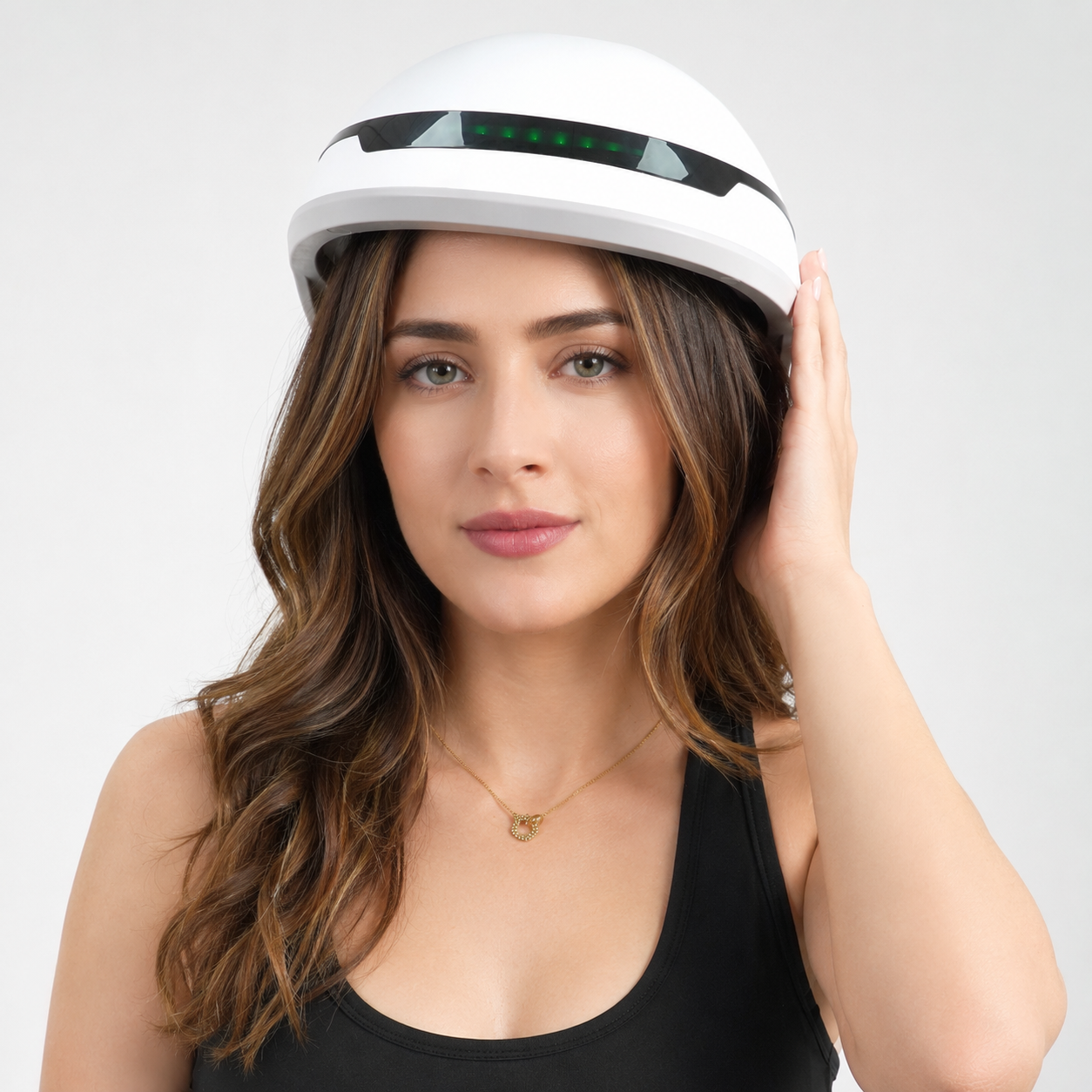
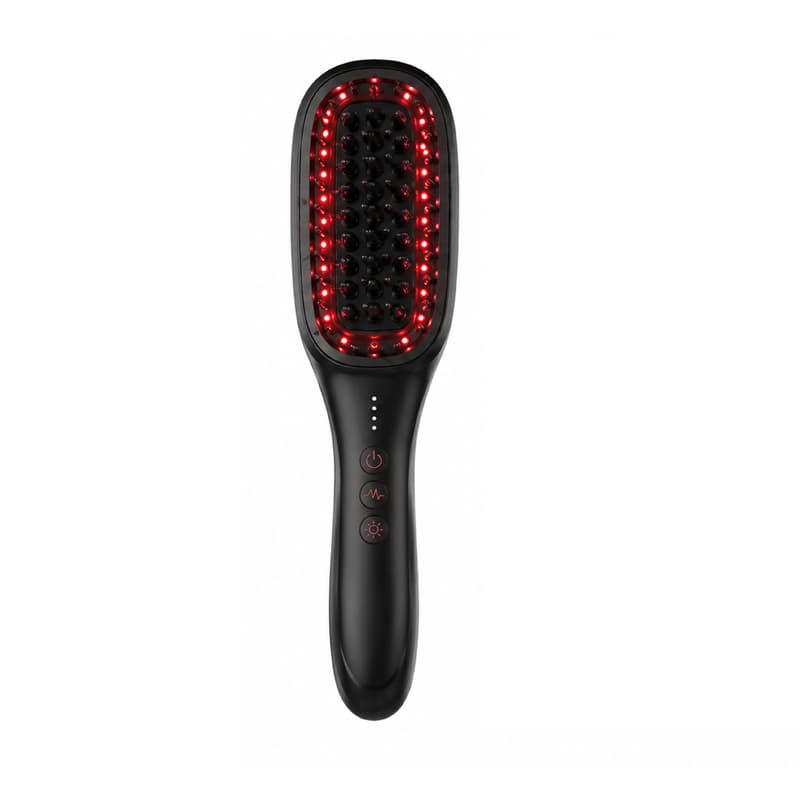
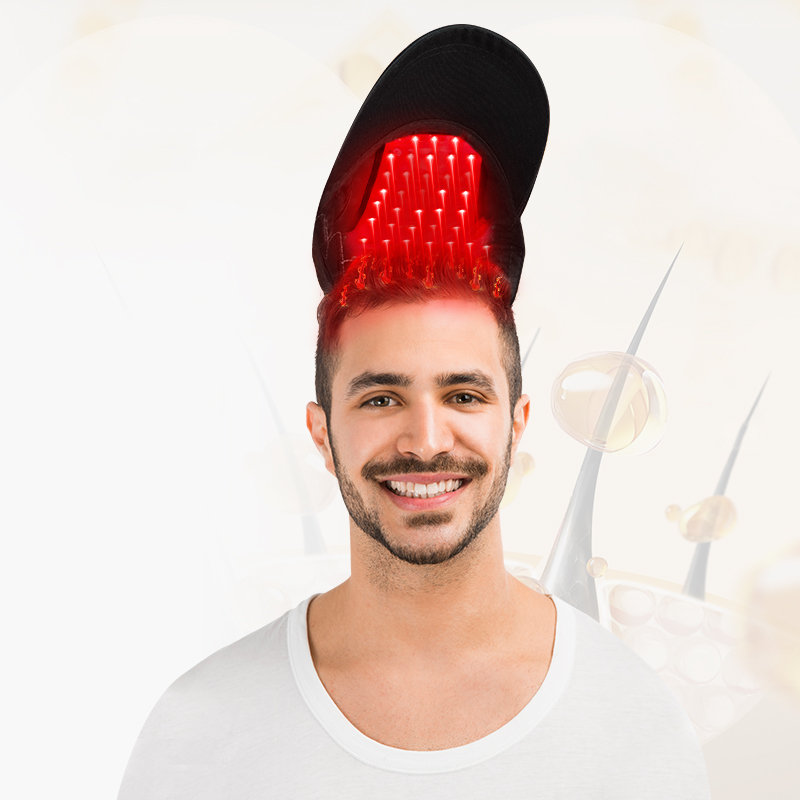
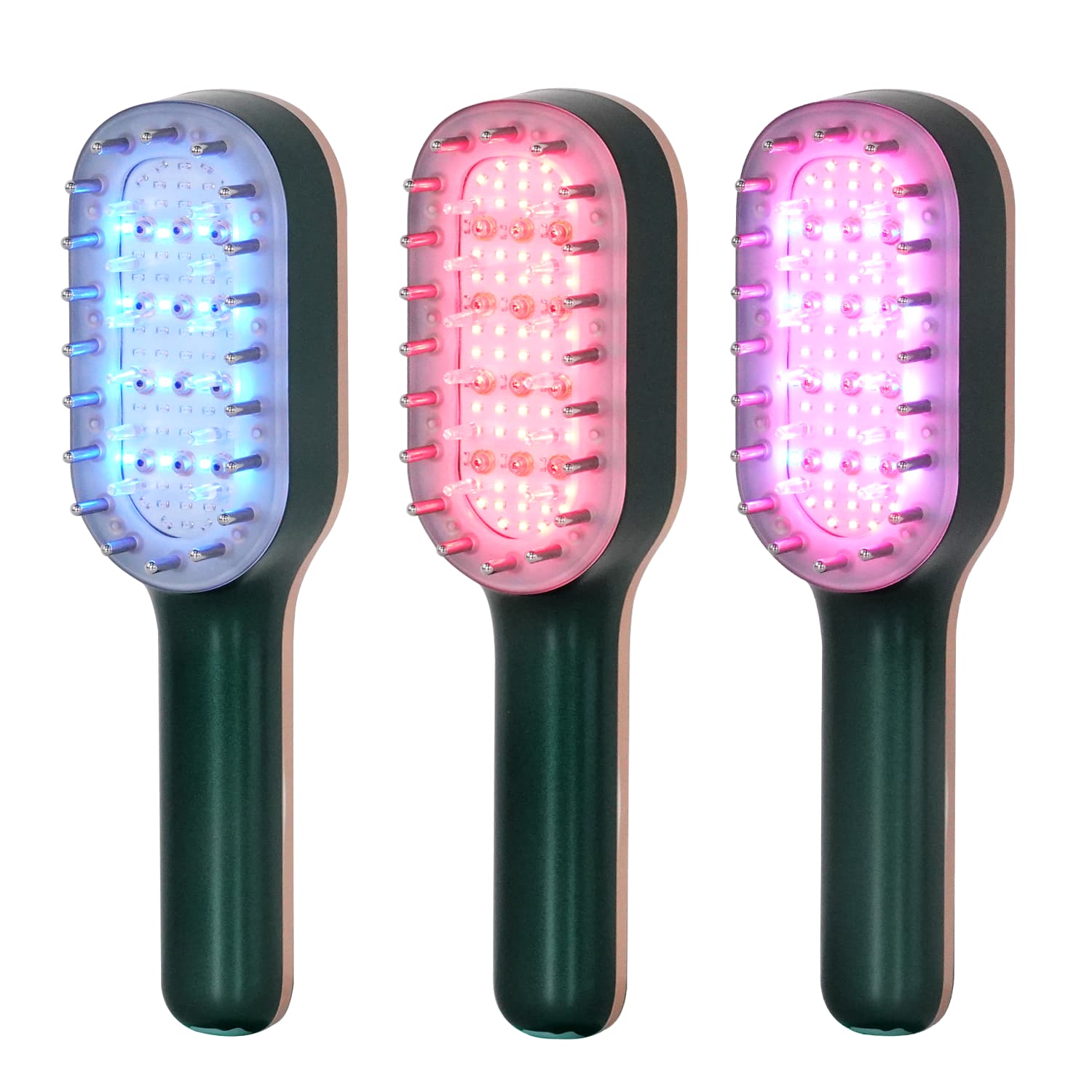
Si desea utilizar la luz roja después de recibir tratamiento de un dermatólogo o probarla usted mismo, encontrarás muchas opciones. Varitas de luz roja, mascarillas, y se venden otros dispositivos para tratar la piel.. Gorras, peines, y se venden cascos para que el cabello vuelva a crecer. La mayoría de los dispositivos domésticos contienen diodos emisores de luz. (CONDUJO), que se consideran seguros para uso doméstico. También encontrará dispositivos vendidos para uso doméstico que tienen láseres de bajo nivel..
¿Con qué frecuencia hay que utilizar la terapia con luz roja??
Este no es un tratamiento único. Cuando se utiliza un dispositivo de luz roja en casa, necesitarás usarlo regularmente. La cantidad de tiempo necesario varía, Así que sigue las instrucciones que vienen con el dispositivo..
Ten en cuenta que lleva tiempo ver los resultados y no todos los ven.
Al tratar los signos de envejecimiento de la piel o caída del cabello hereditaria, ya sea en el consultorio de un dermatólogo o en casa, necesitará tratamientos de seguimiento. Esto es necesario porque la piel continúa envejeciendo., y seguimos perdiendo pelo.