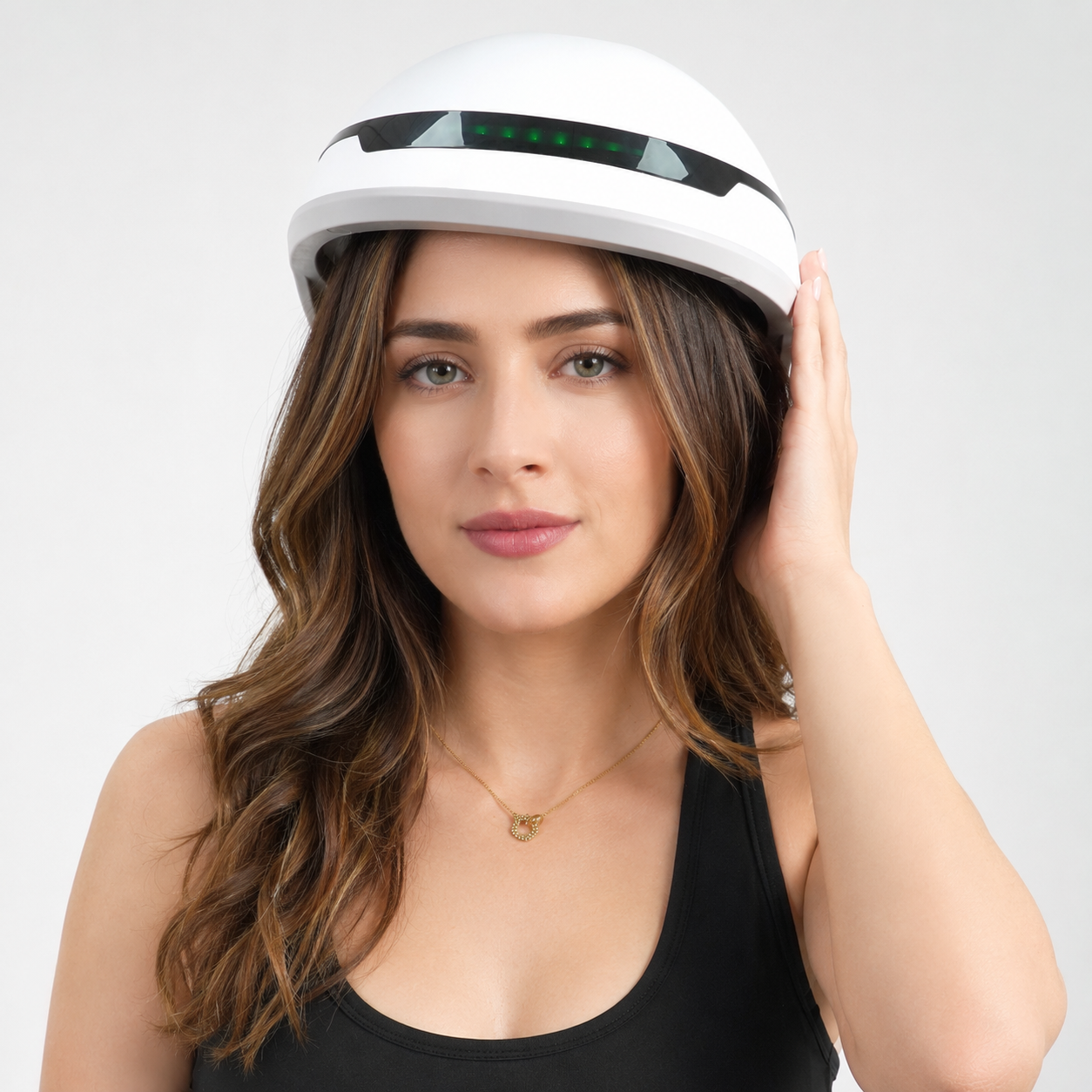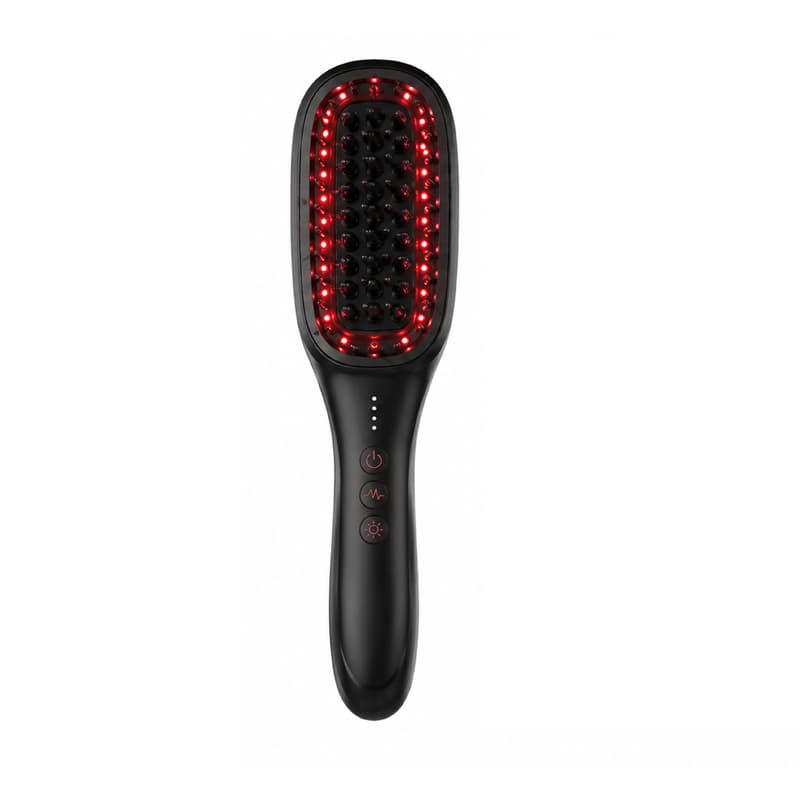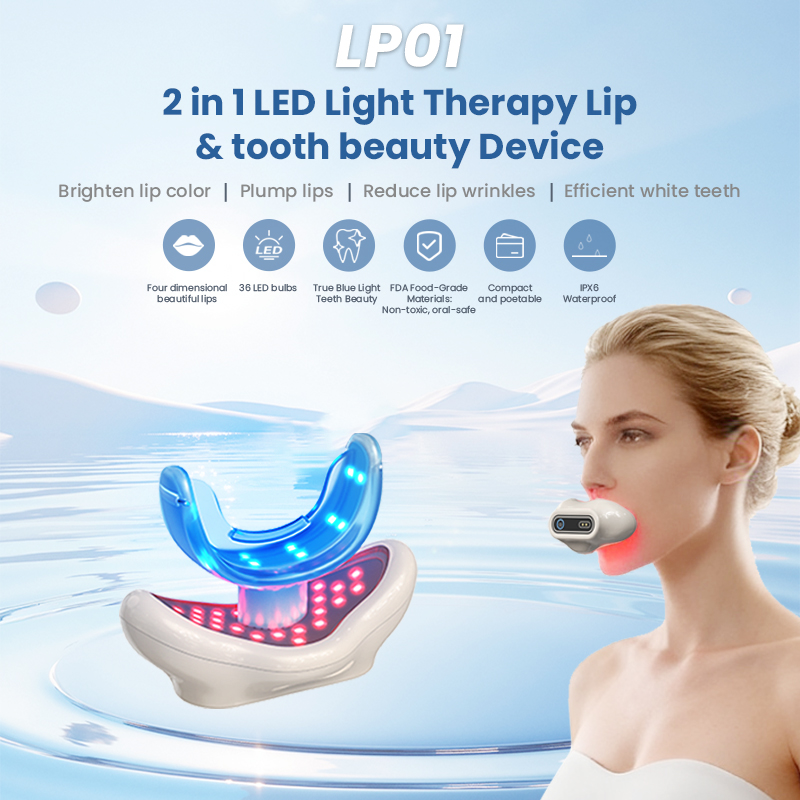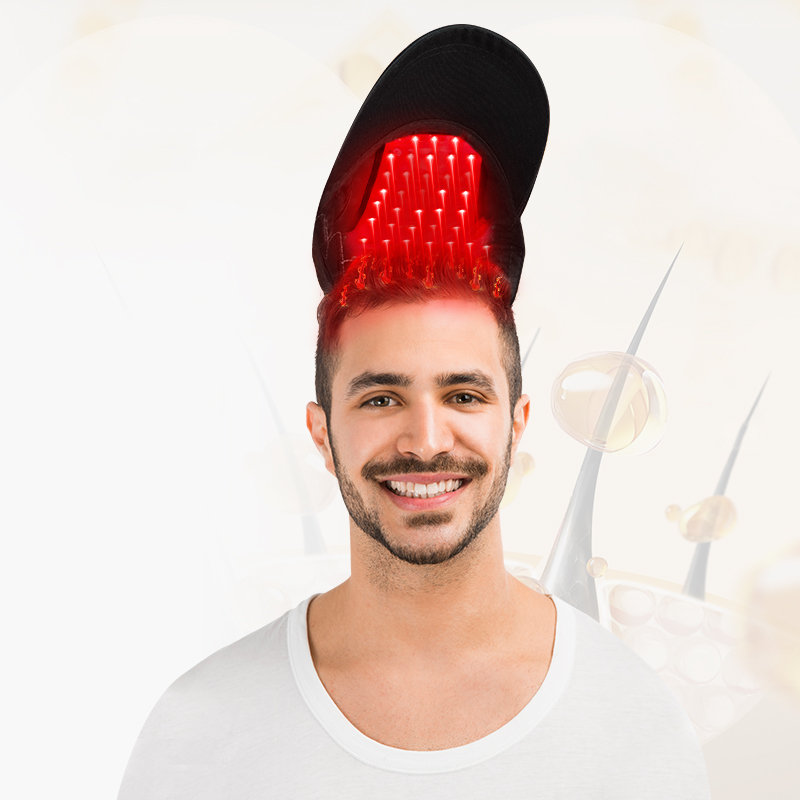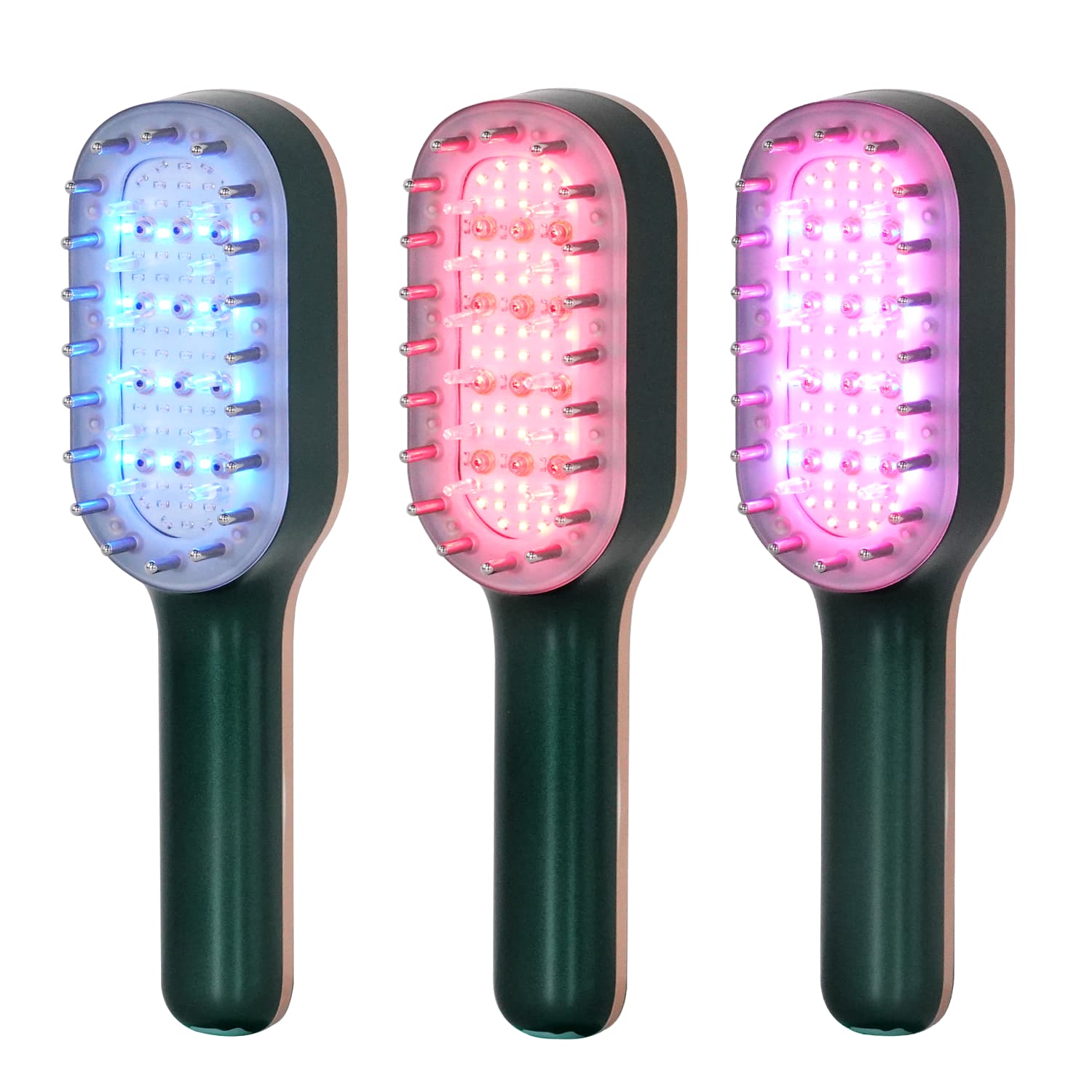
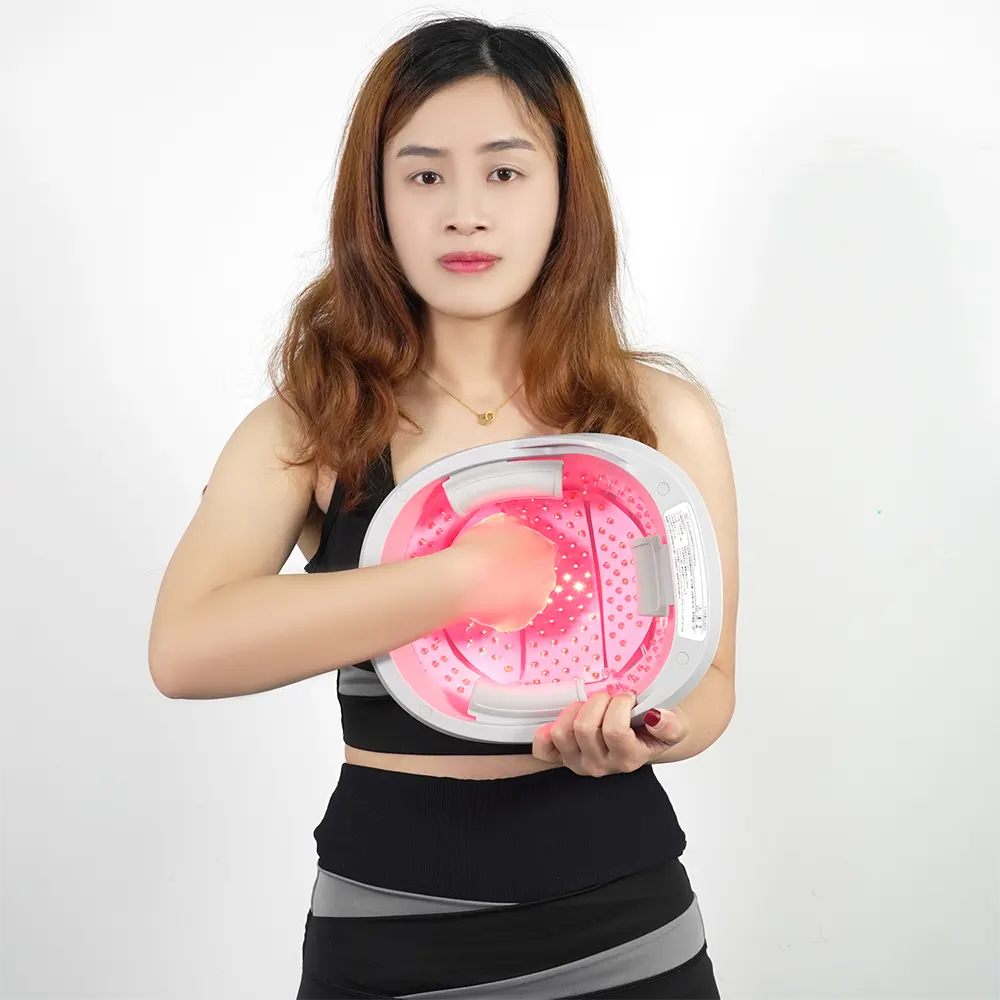
A medida que la demanda de soluciones de restauración capilar no invasivas sigue creciendo, Gorros para el crecimiento del cabello con luz infrarroja y roja. se han convertido en una de las categorías de más rápido crecimiento en el mercado mundial del bienestar y el cuidado personal. Estos dispositivos portátiles utilizan fotobiomodulación (PBM)—típicamente en el 630–Rango de luz roja de 660 nm, a veces se combina con infrarrojo cercano para estimular los folículos pilosos, mejorar la circulación del cuero cabelludo, y apoyar el crecimiento.
Sin embargo, para marcas, distribuidores, y clínicas, el rendimiento es sólo la mitad de la ecuación. La otra mitad, a menudo más crítica, es certificación de seguridad y cumplimiento normativo. Sin las certificaciones adecuadas, Incluso un producto técnicamente sólido no puede ingresar legalmente a mercados clave como Estados Unidos o la Unión Europea..
Esta guía explica todo lo que necesitas saber sobre normas de seguridad, rutas de certificación, y requisitos de cumplimiento al elegir un fabricante de gorros para el crecimiento del cabello con luz roja infrarroja.
Por qué es importante la certificación de seguridad
Los gorros para el crecimiento del cabello generalmente se clasifican como dispositivos médicos o de bienestar dependiendo de la región y las reclamaciones realizadas. Porque emiten luz láser o LED directamente sobre el cuero cabelludo., deben cumplir estrictos requisitos de seguridad.
Razones clave por las que la certificación es esencial:
- Acceso legal al mercado (A NOSOTROS., UE, Reino Unido, etc.)
- Garantía de seguridad del consumidor
- Credibilidad y confianza de la marca
- Responsabilidad y riesgo reducidos
- Aprobación de plataforma (Amazonas, distribuidores, clínicas)
El incumplimiento puede resultar en:
- Prohibiciones de productos
- Rechazo aduanero
- Sanciones legales
- Daño a la reputación
Normas básicas de seguridad para gorros para el crecimiento del cabello
1. Clasificación de seguridad láser
La mayoría de los gorros para el crecimiento del cabello basados en láser se incluyen:
- Láser Clase II (CEI 60825-1)
- Salida típicamente ≤5mW por diodo
- Se considera seguro para el uso del consumidor con un riesgo mínimo.
Los fabricantes deben:
- Proporcionar informes de clasificación láser.
- Garantizar el etiquetado y las advertencias adecuados
- Incluir instrucciones de seguridad para el usuario.
2. Normas de seguridad eléctrica
La seguridad eléctrica es fundamental para los dispositivos portátiles.
Estándares comunes:
- CEI 60601-1 (Equipo eléctrico médico)
- Certificación UL (A NOSOTROS. estándar de seguridad)
Estos aseguran:
- Protección contra descargas eléctricas
- Funcionamiento seguro con batería
- Diseño de circuito confiable
3. Compatibilidad electromagnética (CEM)
Los dispositivos para el crecimiento del cabello no deben interferir con otros dispositivos electrónicos..
Estándar clave:
- CEI 60601-1-2 (Requisitos EMC)
Asegura:
- Rendimiento estable
- Sin interferencias perjudiciales
- Cumplimiento de los entornos hospitalarios/clínicos
4. Biocompatibilidad
Dado que el dispositivo se lleva en la cabeza., Los materiales deben ser seguros para el contacto con la piel..
Estándar:
- ISO 10993 (Evaluación biológica de dispositivos médicos)
Cubiertas:
- Irritación de la piel
- Toxicidad
- Seguridad de exposición a largo plazo
Principales certificaciones del mercado
🇺🇸 Estados Unidos – FDA
Para los EE.UU.. mercado, Los gorros para el crecimiento del cabello generalmente requieren:
- FDA 510(k) Autorización (para reclamaciones médicas)
- Registro como dispositivo médico.
Los requisitos incluyen:
- Datos clínicos o equivalencia sustancial
- Pruebas de seguridad y rendimiento
- Etiquetado e instrucciones adecuados
🇪🇺 Unión Europea – Marcado CE
Para vender en Europa, los fabricantes deben obtener:
- Certificación CE bajo MDR (Regulación de dispositivos médicos)
Esto implica:
- Evaluación de riesgos
- Documentación técnica
- Evaluación clínica
- Revisión del organismo notificado (para clases superiores)
🇬🇧 Reino Unido – UKCA
Después del Brexit, el Reino Unido requiere:
- Marcado UKCA (similar a la CE)
🌍 Otras certificaciones importantes
- RoHS → Restricción de sustancias peligrosas
- FCC → Emisiones electromagnéticas (A NOSOTROS.)
- PSE → Japón
- kc → Corea del Sur
Componentes clave de cumplimiento
1. Documentación técnica
Un fabricante conforme debe proporcionar:
- Especificaciones del producto
- Análisis de riesgos (ISO 14971)
- Informes de prueba
- Manuales de usuario
2. Requisitos de etiquetado
Las etiquetas deben incluir:
- Clasificación láser
- Información del fabricante
- Advertencias de seguridad
- Marcas de certificación
3. Sistema de Gestión de Calidad
Un fabricante confiable debe seguir:
- ISO 13485 (Sistema de gestión de la calidad de dispositivos médicos)
Esto asegura:
- Calidad de producción constante
- Trazabilidad
- Cumplimiento normativo
Especificaciones típicas de productos certificados
Un gorro para el crecimiento del cabello con luz roja infrarroja compatible generalmente incluye:
- Longitud de onda: 650nm ±5nm (a veces combinado con 630 nm o 660 nm)
- Potencia de salida: ~5mW por diodo
- Conteo láser: 100–300 diodos
- Tiempo de tratamiento: 10–20 minutos
- Batería: Litio recargable (3000–5000mAh)
- Clase de seguridad: Láser clase II
Estas especificaciones se alinean con ambos estándares de rendimiento y seguridad.
Consideraciones de cumplimiento de OEM/ODM
Para marcas que trabajan con fabricantes., la responsabilidad de cumplimiento es compartida.
Modelos OEM:
- El fabricante proporciona un producto base certificado.
- La marca aplica etiqueta privada.
Modelo ODM:
- Diseño personalizado → requiere nuevo proceso de certificación
Consejos importantes:
- Verifique siempre los certificados existentes
- Asegúrese de que los certificados coincidan exactamente con su producto
- Confirmar si los informes son transferibles
Cómo verificar las certificaciones de un fabricante
Antes de asociarse con un proveedor:
✔ Solicitar Documentos Originales
- Listado de la FDA o 510(k) número
- Certificado CE e informes de prueba.
- ISO 13485 certificado
✔ Verificar autenticidad
- Verificar con organismos emisores
- Verificar los números de los certificados
✔ Confirmar coincidencia de productos
- Asegúrese de que las especificaciones coincidan con la versión certificada
- Evite los certificados "genéricos"
Errores de cumplimiento comunes
- ❌ Usar certificados falsos o caducados
- ❌ Desajuste entre producto y certificación
- ❌ Ignorar las regulaciones locales
- ❌ Exagerar los reclamos médicos sin aprobación
- ❌ Saltarse las pruebas de EMC o de seguridad
Tendencias en seguridad & Regulación (2026)
El panorama regulatorio es cada vez más estricto.
Tendencias clave:
- Mayor aplicación de MDR en Europa
- Un mayor escrutinio sobre Reclamaciones de la FDA
- Demanda de validación clínica
- Crecimiento de sistemas de trazabilidad
Los fabricantes que prioricen el cumplimiento tendrán una clara ventaja competitiva.
Beneficios de elegir un fabricante totalmente compatible
Trabajar con un proveedor certificado garantiza:
✅ Entrada al mercado más rápida
Sin retrasos por falta de documentación
✅ Menor riesgo
Reducción de la exposición legal y regulatoria
✅ Mayor confianza
Mejor aceptación por parte de clientes y distribuidores
✅ Escalabilidad
Una expansión más fácil a los mercados globales
Conclusión
En el mercado de rápido crecimiento de gorros para el crecimiento del cabello con luz roja infrarroja, La certificación y el cumplimiento de la seguridad no son opcionales: son fundamentales..
De clasificación láser y seguridad eléctrica a Aprobación FDA y CE, Cada aspecto del cumplimiento juega un papel fundamental para garantizar el éxito del producto.. Para marcas y distribuidores, asociarse con un fabricante que cumple con los estándares internacionales es la clave para construir una empresa confiable, escalable, y negocio legalmente compatible.
A medida que las regulaciones continúan evolucionando en 2026 y más allá, empresas que invierten en calidad, transparencia, y certificación liderarán la industria, mientras que aquellos que ignoran el cumplimiento corren el riesgo de quedarse atrás.