When it comes to enhancing the health and well-being of our beloved canine companions, we are constantly on the lookout for innovative and effective treatments. Among the various therapeutic options available, Infrared and Red Light Therapy have gained considerable attention. These therapies promise to alleviate pain, reducir la inflamación, and promote overall wellness in dogs. But how do they compare, and which is better suited for your furry friend? Let’s delve into the intricacies of Infrared and Red Light Therapy to find out.

Understanding Red Light Therapy
Terapia de luz roja, also known as Low-Level Laser Therapy (LLLT) or Photobiomodulation, utilizes specific wavelengths of red light to penetrate deep into the tissues of the body. The primary wavelengths used in Red Light Therapy typically range from 600 a 700 nanómetros. This therapy stimulates cellular activity, enhances mitochondrial function, and accelerates the body’s natural healing processes.
Beneficios de la terapia con luz roja para perros
Alivio del dolor: Red Light Therapy is highly effective in alleviating pain and inflammation. Whether your dog is suffering from arthritis, dolor muscular, or post-surgical discomfort, this therapy can provide significant relief.
Faster Healing: The enhanced cellular activity promotes quicker recovery from injuries or surgeries. This is particularly beneficial for older dogs or those with chronic conditions.
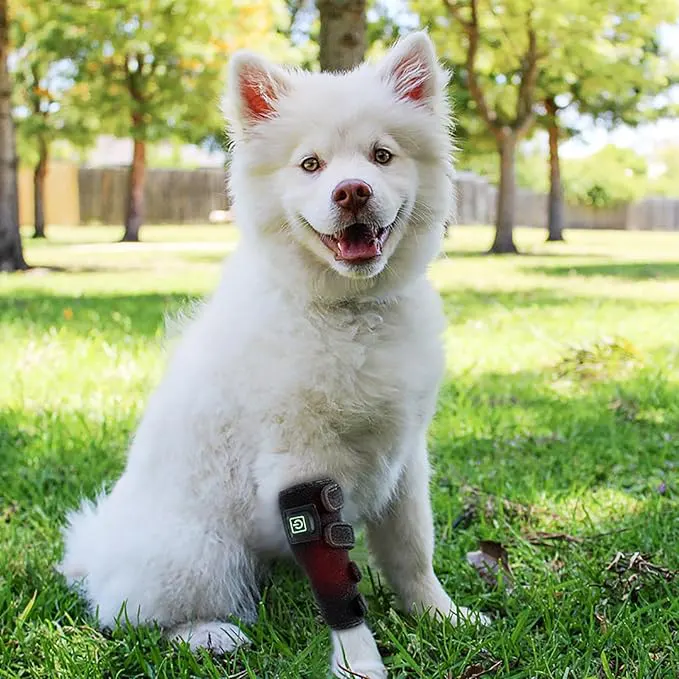
Reduced Inflammation: Red Light Therapy can help reduce inflammation, providing comfort to dogs with inflammatory conditions.
Movilidad mejorada: Regular sessions can lead to improved joint mobility and flexibility, which is essential for active and older dogs.
Circulación mejorada: The therapy improves blood circulation, ensuring that nutrients and oxygen reach the affected areas more efficiently.
Understanding Infrared Light Therapy
Infrared Light Therapy operates on a broader spectrum of wavelengths, generally ranging from 700 a 3000 nanómetros. Infrared light penetrates deeper into the tissues compared to red light, making it particularly effective for treating conditions that require deeper tissue penetration.
Benefits of Infrared Light Therapy for Dogs
Deep Tissue Healing: Infrared light’s deeper penetration makes it exceptionally effective for treating deep tissue injuries, chronic pain, and conditions such as osteoarthritis.
Enhanced Cellular Repair: The therapy stimulates the production of ATP (trifosfato de adenosina), la moneda energética de la célula, which aids in the repair and regeneration of tissues.
Improved Blood Circulation: Infrared light therapy enhances blood flow, which is beneficial for overall health and aids in faster recovery from injuries.
Pain Management: Like Red Light Therapy, Infrared Therapy is highly effective in managing pain and reducing inflammation.
Stress Reduction: Infrared light therapy can help reduce stress and promote relaxation in dogs, contributing to their overall well-being.
Comparing the Two Therapies
When comparing Infrared and Red Light Therapy, it’s essential to consider the specific needs and conditions of your dog. Here are some key differences and considerations:
Penetration Depth
Terapia de luz roja: Typically penetrates up to 1-2 inches into the skin. Infrared Light Therapy: Can penetrate up to 3-4 pulgadas, making it more effective for deep tissue issues.
Cellular Stimulation
Terapia de luz roja: Primarily stimulates the mitochondria, enhancing cellular energy production. Infrared Light Therapy: Stimulates both mitochondria and the cellular matrix, promoting a broader range of cellular activities.
Application
Terapia de luz roja: Best suited for surface-level issues, such as minor cuts, moretones, and muscle soreness. Infrared Light Therapy: Ideal for deeper tissue problems, including chronic pain, artritis, and post-surgical recovery.
Which Therapy is Better?
Determining which therapy is better for your dog depends on their specific health needs and conditions. Here are some scenarios to consider:
For Surface Issues: If your dog has minor injuries or conditions that require surface-level treatment, Red Light Therapy might be more effective.
For Deep Tissue Healing: If your dog has chronic pain, deep tissue injuries, or conditions like osteoarthritis, Infrared Light Therapy could offer more significant benefits.
Combination Therapy: Some pet owners find that combining both therapies provides a more comprehensive approach to healing, addressing both superficial and deep tissue issues.
Seguridad y efectos secundarios
Both Infrared and Red Light Therapies are generally safe when used appropriately. Sin embargo, it’s crucial to follow the recommended guidelines and consult with your veterinarian before starting any new treatment.
Potential Side Effects: While rare, some dogs may experience mild skin irritation or sensitivity. Always start with a low intensity and gradually increase as needed.
Conclusión
Infrared and Red Light Therapies are both valuable tools in promoting the health and well-being of dogs. While each has its unique benefits, the choice between the two ultimately depends on your dog’s specific health needs. Whether you opt for the surface-level relief of Red Light Therapy or the deep tissue healing of Infrared Light Therapy, both can significantly contribute to your dog’s overall wellness.
In the next part of our series, we will explore the practical applications, how to choose the right therapy device, and real-life success stories from pet owners who have benefited from these therapies.