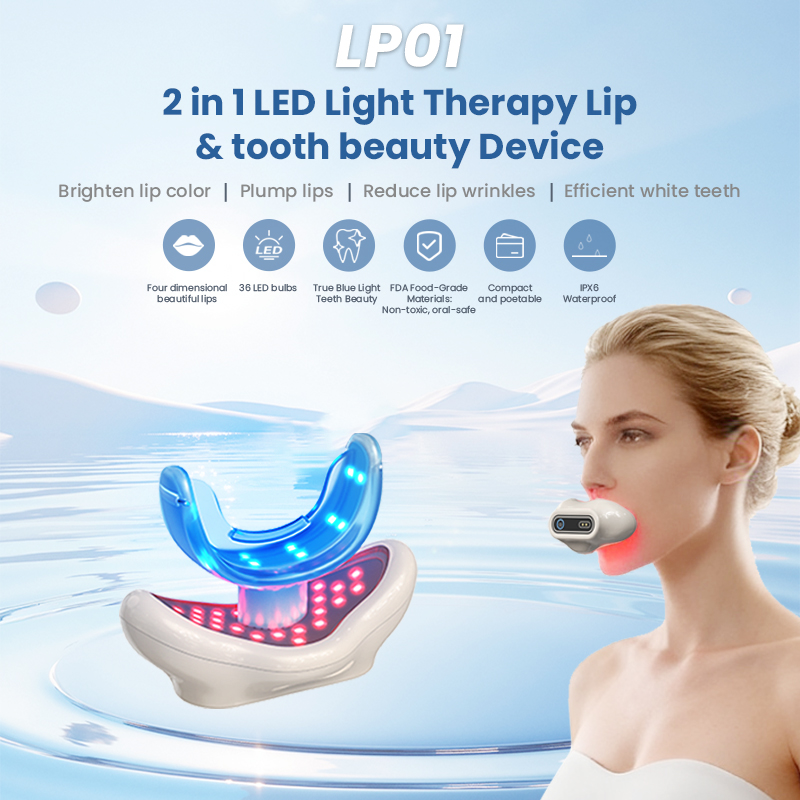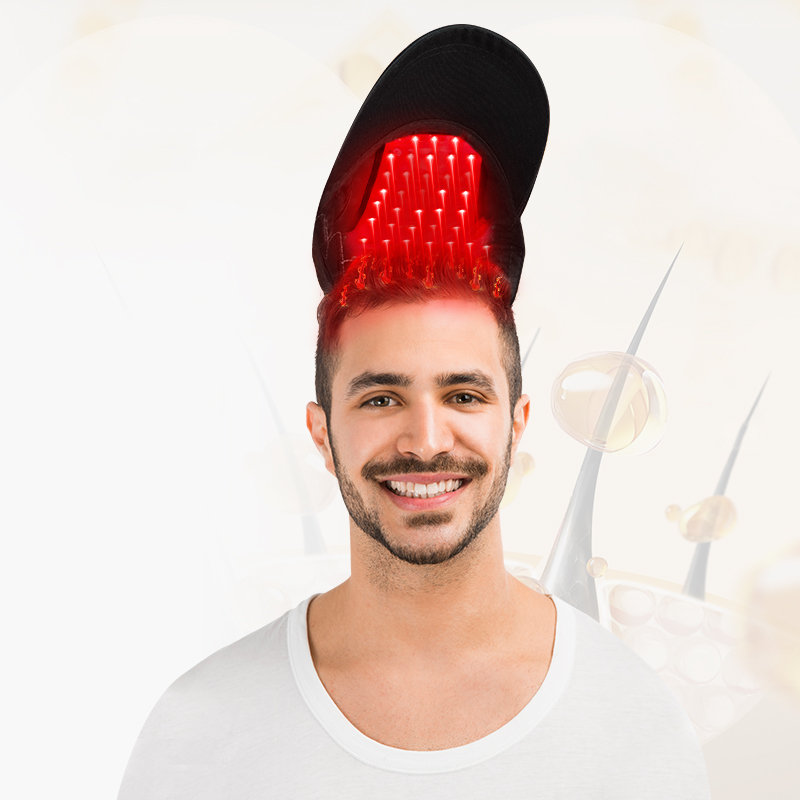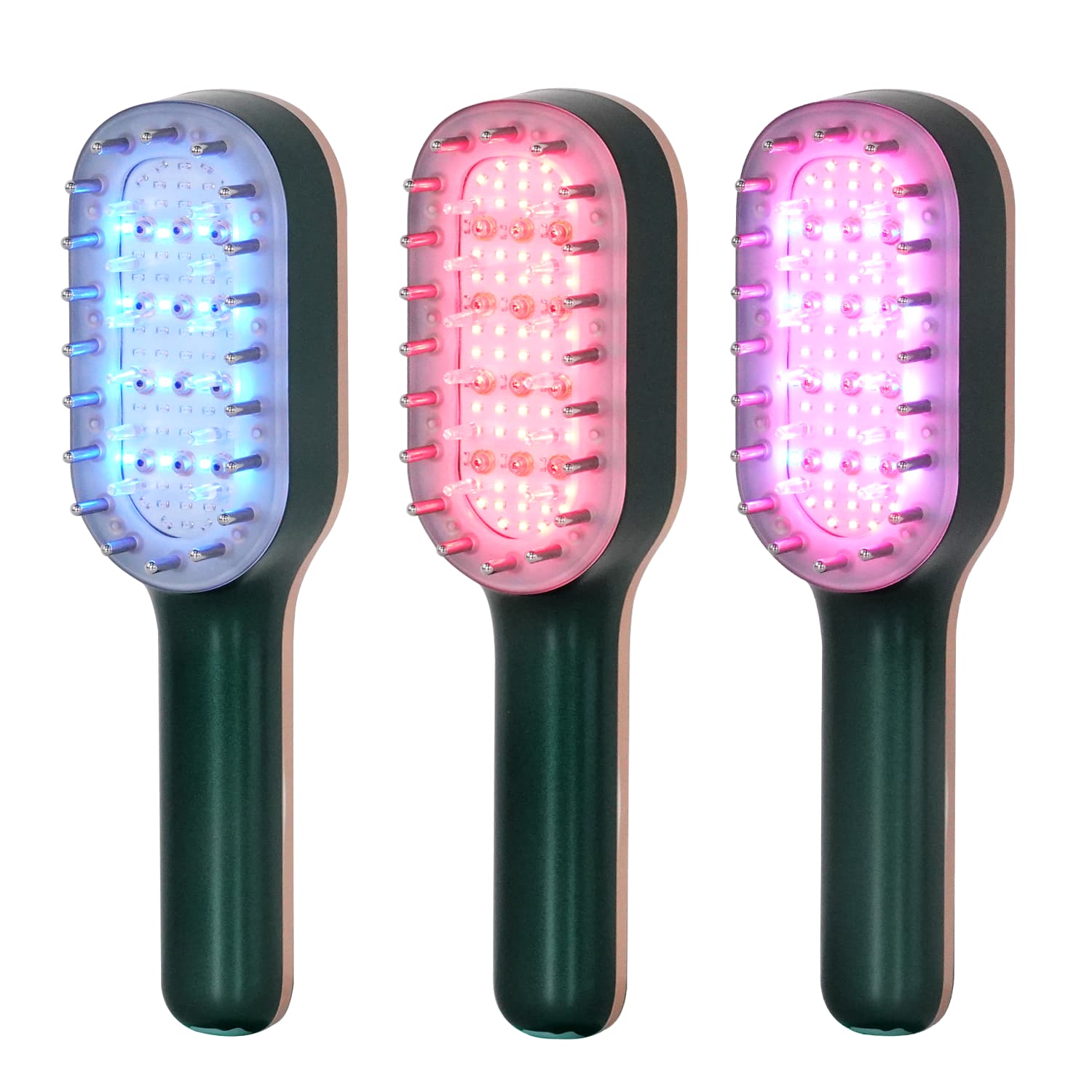
¿Qué es la terapia de luz roja para gatos y cómo funciona??
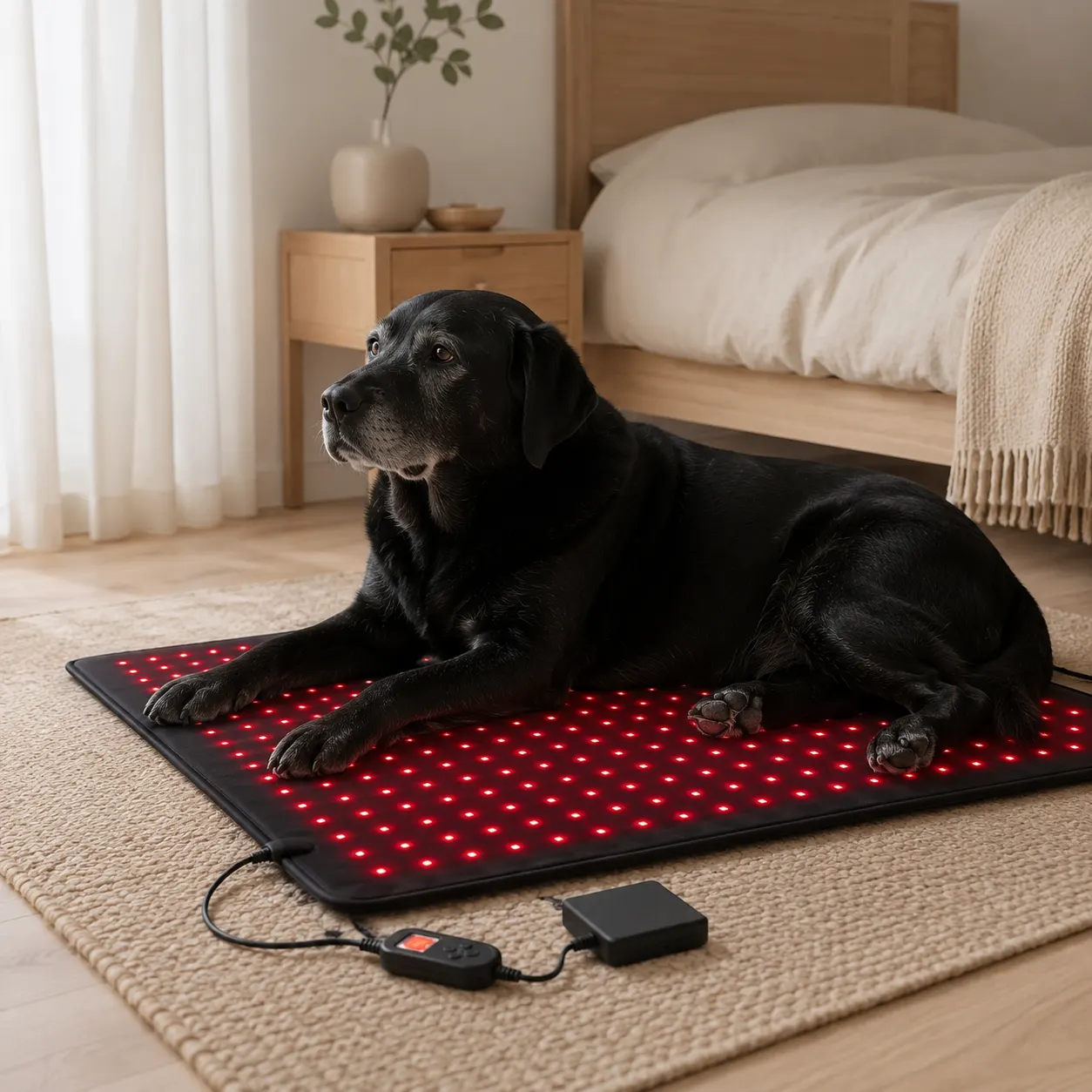
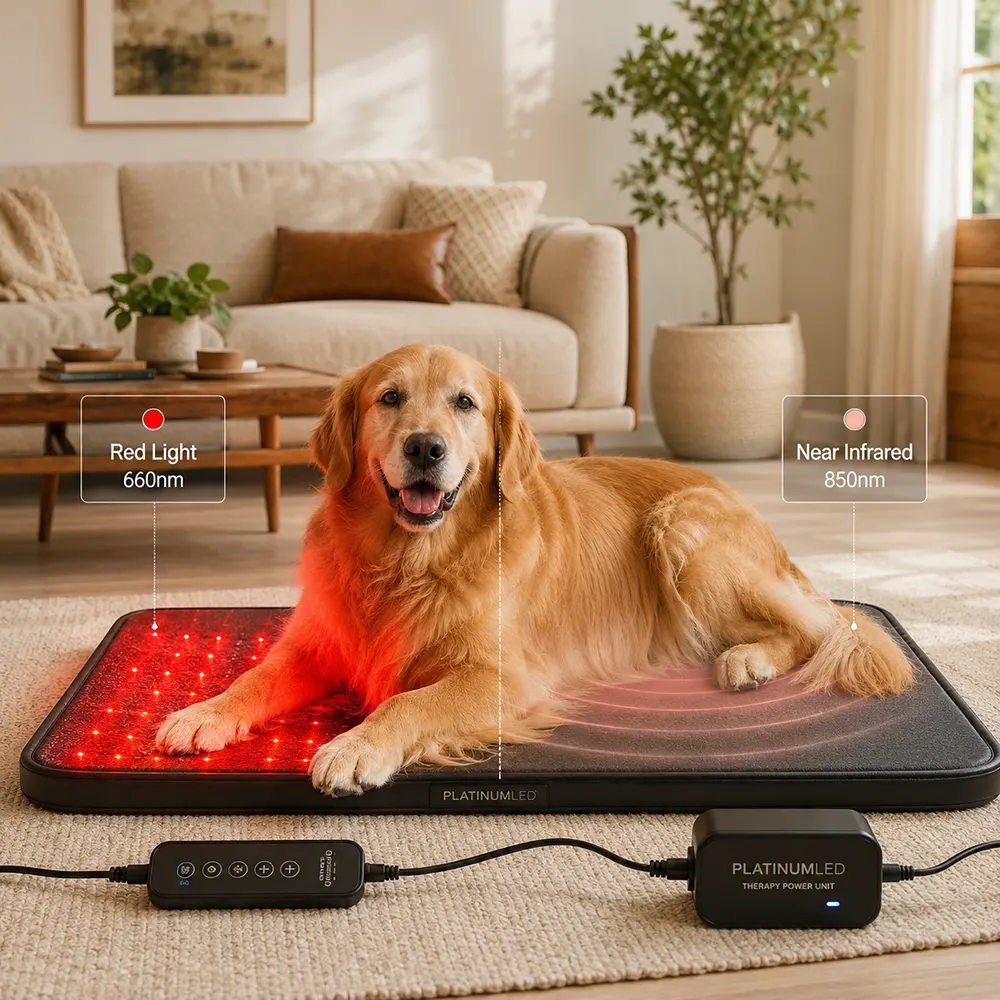
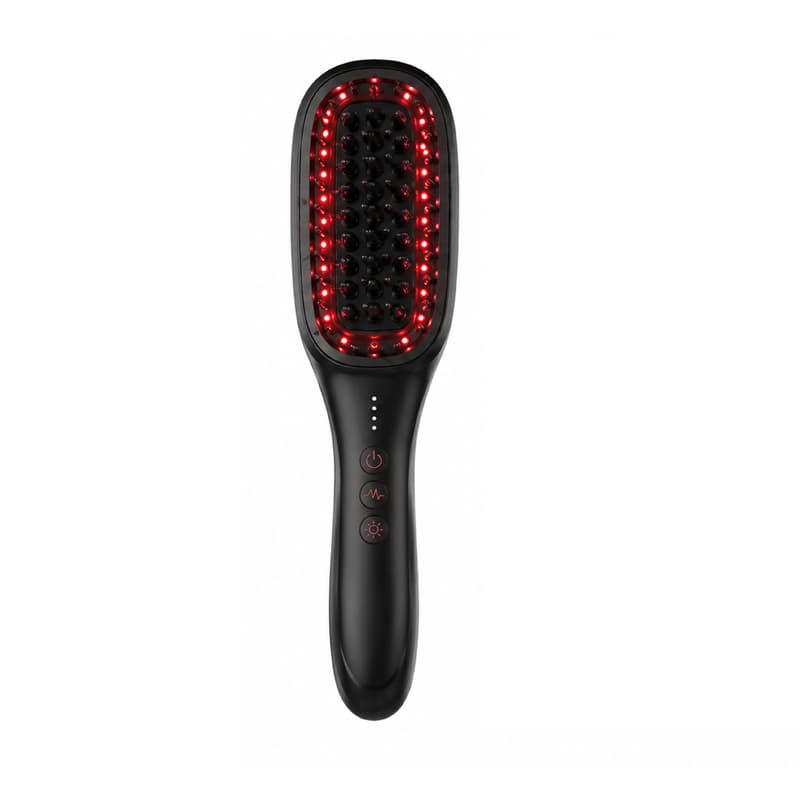
Terapia de luz roja, también conocido como fotobiomodulación o terapia de luz de bajo nivel, es un tratamiento no invasivo que utiliza luz roja e infrarroja cercana para estimular la regeneración celular y reducir la inflamación.. La terapia actúa penetrando la piel y estimulando las células para que produzcan más energía.. Esta energía ayuda a reparar células y tejidos dañados., reducir la inflamación, y mejorar la circulación. La terapia con luz roja también puede ayudar a estimular la producción de colágeno y elastina., que puede mejorar la salud de la piel y reducir la apariencia de líneas finas y arrugas. Se ha demostrado que el rango de longitud de onda de 630 a 850 nm es el más eficaz para la fotobiomodulación.. La terapia con luz roja se puede administrar mediante varios dispositivos., incluidos dispositivos portátiles y paneles más grandes.
¿Cómo puede beneficiar la terapia con luz roja a los gatos??
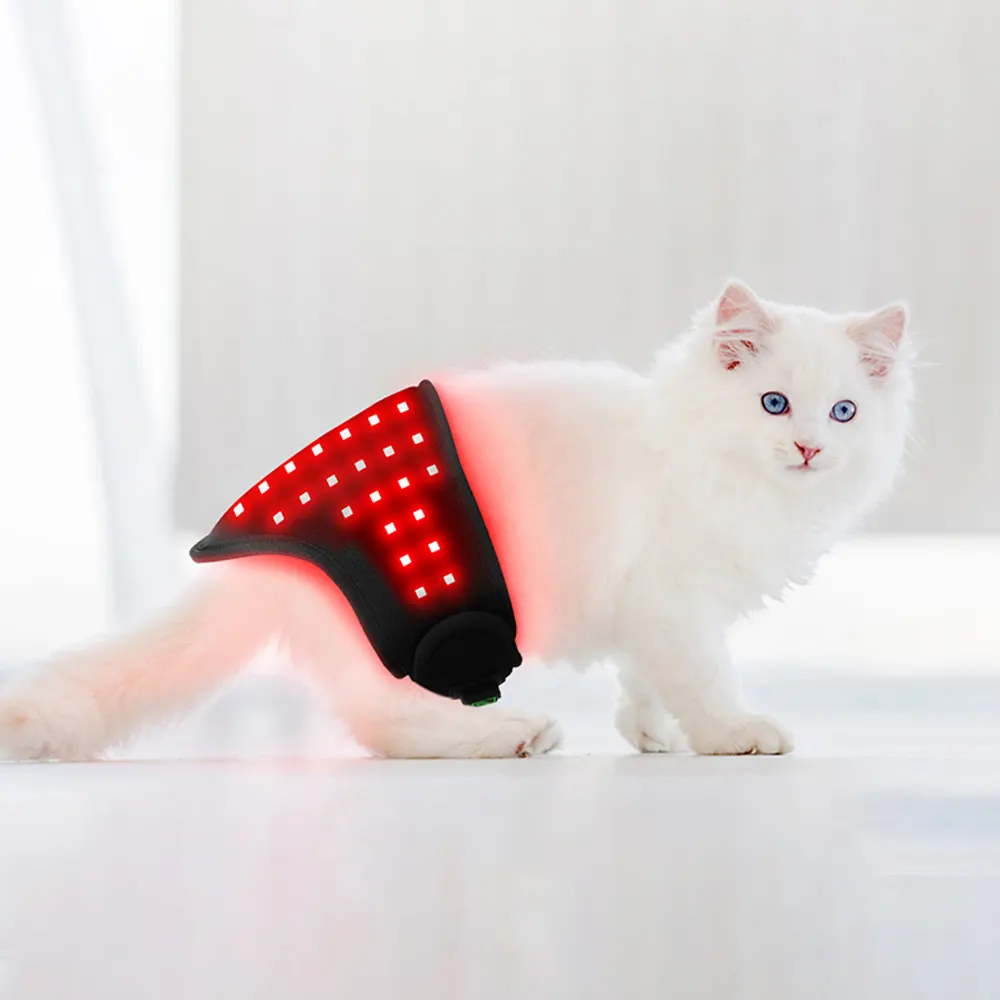
No sólo los humanos pueden beneficiarse de la terapia con luz roja, pero los animales también. Terapia de luz roja puede beneficiar a los gatos en particular de varias maneras y estos son algunos de los beneficios más comunes:
- Alivio del dolor: La terapia con luz roja puede ayudar a reducir el dolor y la inflamación en gatos que padecen artritis, lesiones, u otras condiciones que causan malestar.
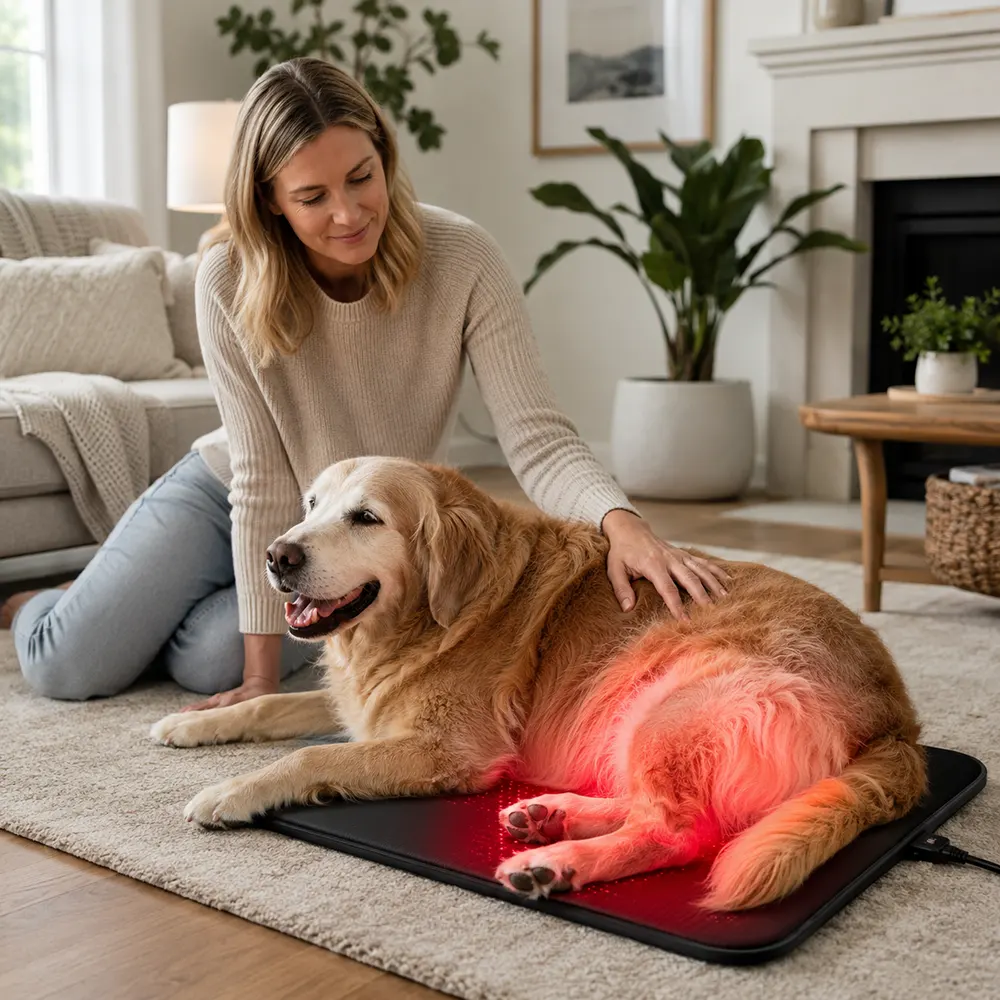
- Artritis: Se ha demostrado que la terapia con luz roja es eficaz para reducir el dolor y la inflamación asociados con la artritis en perros..
- dolor muscular: La terapia con luz roja puede ayudar a reducir el dolor muscular, reducir el dolor y mejorar la circulación en perros.
Estudios de casos felinos prometedores
Curación ósea posquirúrgica y alivio del dolor
Un significativo 2025 informe de caso documentó el uso exitoso de la terapia con láser en un gato de 7 años con cojera persistente después de una cirugía de fractura femoral. El gato había experimentado un fallo en el implante ortopédico y seguía teniendo dolor crónico y movilidad restringida incluso después de retirar el implante..
el protocolo:
-
25 sesiones de terapia con láser durante 2 meses
-
810-láser semiconductor infrarrojo nm
-
Dosificación: 6 J por área de tratamiento
-
Comenzaron los tratamientos 4 días post-cirugía
Los resultados: El gato demostró una marcada mejora en la carga de peso y la movilidad., con signos reducidos de dolor. Las imágenes radiológicas revelaron una importante remodelación y consolidación ósea.. El propietario informó mejores niveles de actividad y calidad de vida en general. .
Los investigadores concluyeron que la terapia con láser demostró ser una componente valioso de la rehabilitación multimodal en este paciente felino, abordar tanto el dolor crónico como el retraso en la cicatrización ósea .
Enfermedad Inflamatoria Bucal
Otro 2024 informe de caso exploró la terapia fotodinámica antimicrobiana (APDT) para la gingivoestomatitis crónica felina (FCGS)—una enfermedad inflamatoria de la mucosa dolorosa y grave que a menudo resiste el tratamiento convencional. El gato no había respondido a los antibióticos., AINE, y extracción dental.
el protocolo:
-
Aplicación tópica de verde de indocianina. (ICG) fotosensibilizador
-
810-irradiación con láser de diodo nm
-
Fluencia: 16.8 J/cm² por sesión
-
Tratamientos quincenales, totalizando 13 sesiones terminadas 4 meses
Los resultados: Se observó un aumento gradual de peso desde el primer tratamiento.. Durante el período de seguimiento de tres años, había sin recurrencia de FCGS .
Si bien en este caso se utilizó un fotosensibilizador. (Luz roja no típica de uso doméstico.), demuestra el potencial terapéutico de longitudes de onda específicas para las afecciones inflamatorias felinas.
Diferencias clave: Gatos vs.. Perros
Los gatos no son perros pequeños: esto es de gran importancia para la terapia con luz roja:
| Factor | gatos | Por qué es importante |
|---|---|---|
| expresión de dolor | Estoico, ocultar malestar | Puede no mostrar signos evidentes de mejora. |
| Sensibilidad de la piel | Disolvente, mas delicado | Se necesitan ajustes de potencia más bajos |
| Densidad del pelaje | Variable, a menudo grueso | Desafíos de penetración de la luz |
| Respuesta al estrés | Se estresa fácilmente al manipularlo | Las sesiones deben ser cortas., positivo |
| Sensibilidad al calor | Menos tolerante al calor | Vigile los signos de malestar |
| Metabolismo | Metabolismo hepático único. | Precaución con medicamentos concurrentes |
Protocolo de inicio paso a paso
Antes de comenzar: Consulta Veterinaria
El paso más importante ocurre antes de cualquier fototerapia.: un estudio veterinario completo es esencial. Los gatos no pueden decirnos dónde ni qué tipo de dolor tienen, y El láser terapéutico NO debe usarse si un gato tiene cáncer. (a menos que lo indique específicamente un oncólogo).
Una vez que su veterinario confirme que la terapia con luz roja es apropiada para la condición específica de su gato, puedes continuar.
1. Elija el dispositivo adecuado
Para uso doméstico en gatos, considerar:
-
Longitud de onda: infrarrojo cercano (800-900Nuevo Méjico) para tejido más profundo; rojo (630-660Nuevo Méjico) para problemas superficiales de la piel
-
Fuerza: Dispositivos de menor potencia (50-500mW) son más seguros para uso doméstico
-
Clase: Clase 1 o 2 dispositivos para el hogar (nunca use clase de alta potencia 4 láseres sin entrenamiento)
-
Tamaño: Los paneles o varillas más pequeños son más fáciles de maniobrar alrededor del cuerpo de un gato.
El dispositivo Photocelen, a 2026 Ganador del premio Red Dot Design, ejemplifica la tendencia hacia dispositivos para mascotas aptos para el hogar diseñados para tratar la dermatitis y la inflamación de la piel mediante terapia basada en LED .
2. Prepare el área de tratamiento
-
El cabello importa: El color y el grosor del pelaje de tu gato afectan la absorción de la luz: la oscuridad, El pelaje grueso puede impedir que la luz llegue a la piel.. Para mejores resultados, Es posible que sea necesario separar el pelaje suavemente para permitir la penetración de la luz..
-
Limpiar el área: Retire cualquier suciedad o escombros..
-
Para heridas: Si trata heridas abiertas, limpie suavemente con solución salina esterilizada primero.
3. La protección ocular es obligatoria
La luz de los láseres terapéuticos puede ser perjudicial para los ojos.. Cualquier persona que esté cerca, incluido el gato., la persona que administra el tratamiento, y cualquier otra mascota: deben usar protección ocular adecuada. Los gatos no pueden usar gafas, entonces debes:
-
Mantenga el haz apuntando lejos de los ojos del gato en todo momento.
-
Evite el tratamiento cerca del área de los ojos a menos que lo indique específicamente un veterinario.
-
Nunca dirija la luz directamente a los ojos.
4. Cree un ambiente de bajo estrés
Los gatos se estresan fácilmente, lo que frustra el propósito de la terapia:
-
Elige un momento en el que tu gato esté naturalmente relajado (después de la comida, somnoliento)
-
Utilice ropa de cama familiar en una habitación tranquila.
-
tener golosinas listas (alto valor, delicias irresistibles)
-
Mantenga las sesiones breves: de 5 a 10 minutos como máximo
-
Deténgase inmediatamente si su gato muestra signos de estrés. (orejas aplanadas, silbido, intenta huir)
5. Técnica de aplicación
Para condiciones crónicas (artritis, dolor):
-
Coloque a su gato cómodamente en su posición de descanso preferida.
-
Sostenga el dispositivo a la distancia recomendada por el fabricante. (normalmente 1-5 cm)
-
Muévase lentamente sobre el área afectada.
-
2-3 Sesiones por semana típicas para enfermedades crónicas.
Para condiciones agudas (heridas, inflamación):
-
Las sesiones diarias durante los primeros días pueden ser apropiadas.
-
Siga las instrucciones veterinarias sobre la frecuencia.
Guía de dosificación: Basado en el exitoso informe del caso felino, una dosis de aproximadamente 6 J por área de tratamiento fue eficaz para la curación ortopédica profunda . Para dispositivos domésticos, Siga las pautas del fabricante; a menudo proporcionan protocolos específicos para mascotas..
6. Monitorear y documentar
Mantenga un registro simple:
-
Fecha y hora del tratamiento.
-
Área tratada
-
Duración
-
El comportamiento de tu gato durante y después
-
Cualquier cambio observado en la movilidad., conductas de dolor, o actividad
Señales de mejora a tener en cuenta:
-
Mayor actividad/alegría
-
Saltar más fácilmente sobre los muebles
-
Apetito mejorado
-
Postura más relajada
-
Mejor aseo
Consideraciones de seguridad específicas para gatos
NO utilice la terapia con luz roja si su gato tiene:
-
Cáncer (a menos que sea aprobado por un oncólogo)
-
Sobre la glándula tiroides
-
Sobre útero embarazado
-
Sobre áreas de hemorragia
-
En testículos u ovarios
-
Síndrome de hiperestesia (sensibilidad extrema de la piel)
Posibles efectos secundarios
Red light therapy is extremely safe when used properly. Los efectos secundarios en gatos son raros pero pueden incluir:
-
Malestar leve temporal
-
Irritación de la piel (poco común)
-
Estrés por el manejo
El principal riesgo es el daño ocular., lo cual es totalmente evitable con una cuidadosa dirección del haz.
Aplicaciones clínicas con evidencia
Basado en investigaciones felinas disponibles, estas condiciones pueden beneficiarse:
| Condición | Nivel de evidencia | Notas |
|---|---|---|
| Curación ósea posquirúrgica | Informe de caso | 810Nuevo Méjico, 6 j, 25 sesiones terminadas 2 meses |
| dolor cronico (ortopédico) | Informe de caso | Mejora significativa documentada |
| Gingivoestomatitis | Informe de caso | Utilizado con fotosensibilizador. (entorno clínico) |
| Inflamación de la piel | emergente | Dispositivos LED prometedores |
| Cicatrización de heridas | Extrapolado de otras especies | Datos limitados específicos de felinos |
El 2023 Una revisión sistemática señaló que para las afecciones musculoesqueléticas, Algunos estudios en perros mostraron beneficios al reducir el uso de AINE y mejorar la cojera, hallazgos que pueden informar con cautela las aplicaciones en felinos., aunque no se recomienda la extrapolación directa .
Profesional vs.. Cuidado en el hogar: Encontrar el equilibrio
Cuándo buscar tratamiento profesional
-
Diagnóstico inicial: Comience siempre con la evaluación veterinaria.
-
Condiciones severas: dolor profundo, parálisis, recuperación posquirúrgica
-
Falta de mejora: Si la terapia en el hogar no muestra ningún beneficio después 4-6 semanas
-
Necesidades de alta potencia: Clase 4 La terapia con láser requiere formación profesional.
Cuándo puede ser apropiada la terapia en el hogar
-
Mantenimiento después del tratamiento profesional inicial
-
Condiciones crónicas leves (artritis temprana)
-
Problemas superficiales (irritaciones menores de la piel)
-
Apoyo para gatos mayores para comodidad general
El Hospital Docente Veterinario de la Universidad Estatal de Colorado señala que los láseres menos costosos a menudo no cumplen con los parámetros terapéuticos, recomendar la inversión en un plan de tratamiento de rehabilitación integral en lugar de comprar un dispositivo doméstico para afecciones graves.
Resumen: Terapia casera de luz roja para gatos
| Paso | Puntos clave |
|---|---|
| 1. Diagnóstico veterinario | Descartar el cáncer, confirmar la condición apropiada |
| 2. Selección de dispositivo | Menor potencia, longitud de onda apropiada (630-660nm. rojo, 800-900infrarrojo nm) |
| 3. Preparación de pieles | Pelaje parcialmente oscuro/grueso para una mejor penetración. |
| 4. Seguridad ocular | Nunca apuntes a los ojos, proteger a todos en la habitación |
| 5. Ambiente | Calma, tranquilo, positivo con golosinas |
| 6. Dosificación | Empezar bajo (siga las pautas del fabricante); 6 Rango J/cm² respaldado por investigaciones |
| 7. Frecuencia | Crónico: 2-3x semanal; Agudo: diariamente inicialmente |
| 8. Duración | 5-10 minutos por área |
| 9. Escucha | Seguimiento del comportamiento, movilidad, signos de dolor |
| 10. Asociación veterinaria | Controles periódicos con su veterinario |
Cuándo esperar resultados
-
Condiciones de la piel: Puede mostrar mejoría dentro 1-2 semanas
-
Dolor/artritis: A menudo requiere 4-8 semanas de tratamiento constante
-
Curación posquirúrgica: Seguir el protocolo de rehabilitación veterinaria.
En el estudio de envoltura LED para la osteoartritis canina (aplicable como contexto), Se detectaron mejoras significativas en la semana. 11, pero no en la semana 4: la paciencia y la constancia son importantes .
La conclusión
La terapia con luz roja ofrece una prometedora, Opción libre de medicamentos para controlar diversas condiciones de salud felina en el hogar cuando se hace correctamente.. El creciente conjunto de evidencia clínica, incluidos informes de casos documentados de curación ósea exitosa, manejo del dolor, y tratamiento de afecciones inflamatorias: respalda su potencial terapéutico .
Sin embargo, La base de evidencia para los gatos sigue siendo limitada en comparación con los perros. . Esto significa:
-
Trabaje siempre con su veterinario.—nunca te autodiagnostiques
-
Elija los dispositivos apropiados diseñado para uso doméstico de mascotas
-
Priorizar la seguridad-ojos, niveles de estrés, y técnica adecuada
-
Ser paciente—los resultados pueden tardar semanas o meses
-
Mantente atento—los gatos ocultan su malestar, así que busque mejoras sutiles
Con orientación veterinaria adecuada, equipo apropiado, y un enfoque centrado en los gatos, La terapia con luz roja puede convertirse en un componente valioso del viaje de bienestar y rehabilitación de su compañero felino..