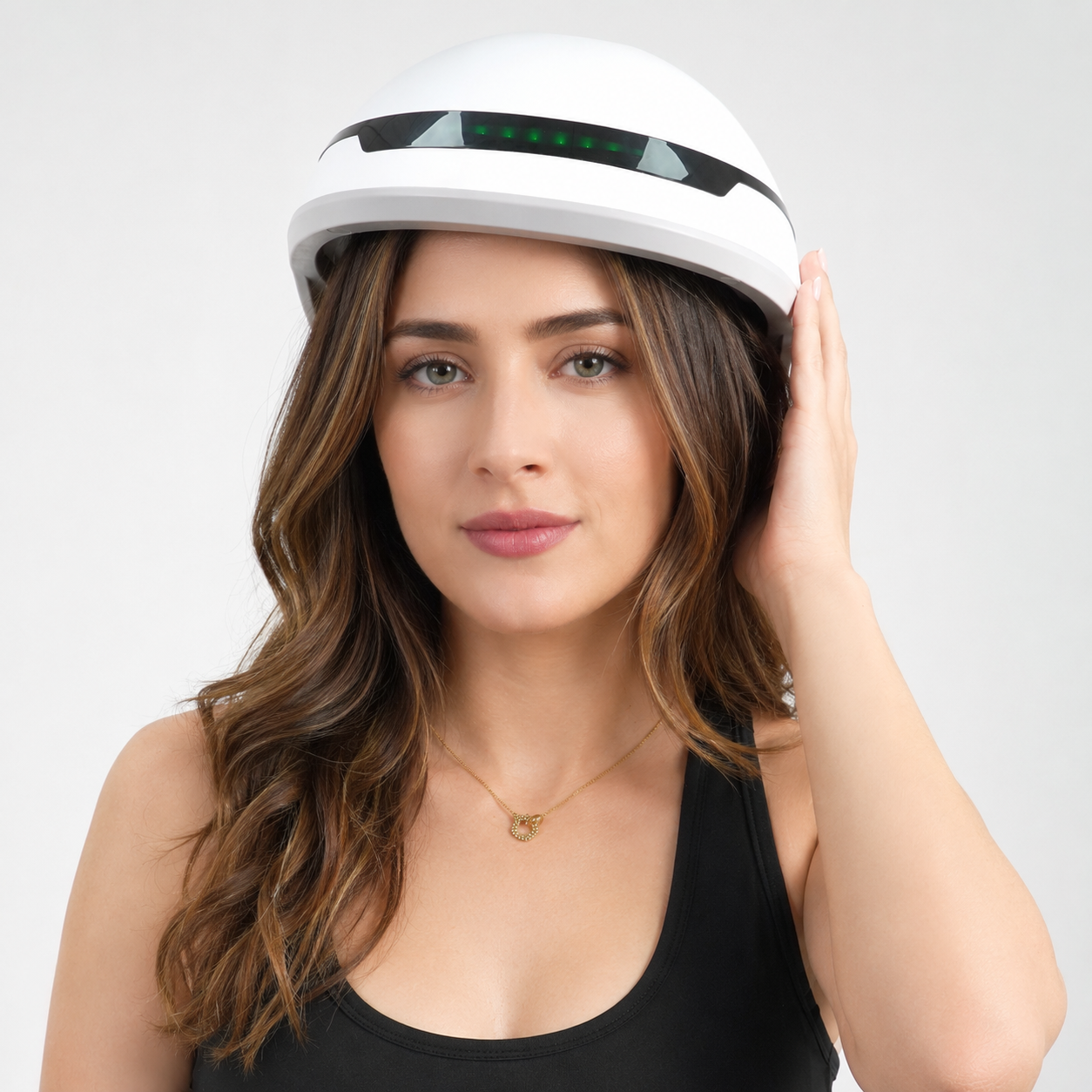
¿Cuáles son los beneficios de la terapia con luz roja??
La terapia con luz roja puede ayudar a calmar la inflamación, Apoyar la barrera de la piel., aumentar la producción de colágeno, y ayuda a la recuperación después de tratamientos en el consultorio como láseres. Dr. Gohara lo describe más como una herramienta de mantenimiento y calmante para la piel que como un efecto dramático., solución de la noche a la mañana.
Cuando la luz roja se combina con la luz azul, También puede ayudar a mejorar los brotes.. Objetivos de luz azul P. bacterias del acné, mientras que la luz roja ayuda a reducir la inflamación que acompaña al acné, explica el doctor. Obayomi. Las investigaciones muestran que usar ambos juntos puede provocar menos brotes con el tiempo, con estudios que informan mejoras notables después de varias semanas de uso constante.
dicho eso, es importante mantener las expectativas bajo control. Los dispositivos de fototerapia domésticos suelen ofrecer luz de menor intensidad (a menudo alrededor de 5 a 40 mW/cm²) que los tratamientos profesionales (que puede exceder 50 mW/cm²), por lo que los resultados tienden a ser más graduales y dependen de, uso regular. Como Dr.. notas obayomi, El uso regular durante meses, no días, es lo que tiene más probabilidades de provocar cambios visibles..
Longitudes de onda, explicado
La mayoría de los dispositivos de terapia con luz roja en realidad aprovechan una variedad de longitudes de onda de luz para brindar más beneficios a la piel, no solo a la roja.. “La longitud de onda determina la profundidad con la que la luz penetra en el tejido y en qué procesos influye,” dice el doctor. macarrón. Cuando se trata de dispositivos para el cuidado de la piel, estos son los más comunes:
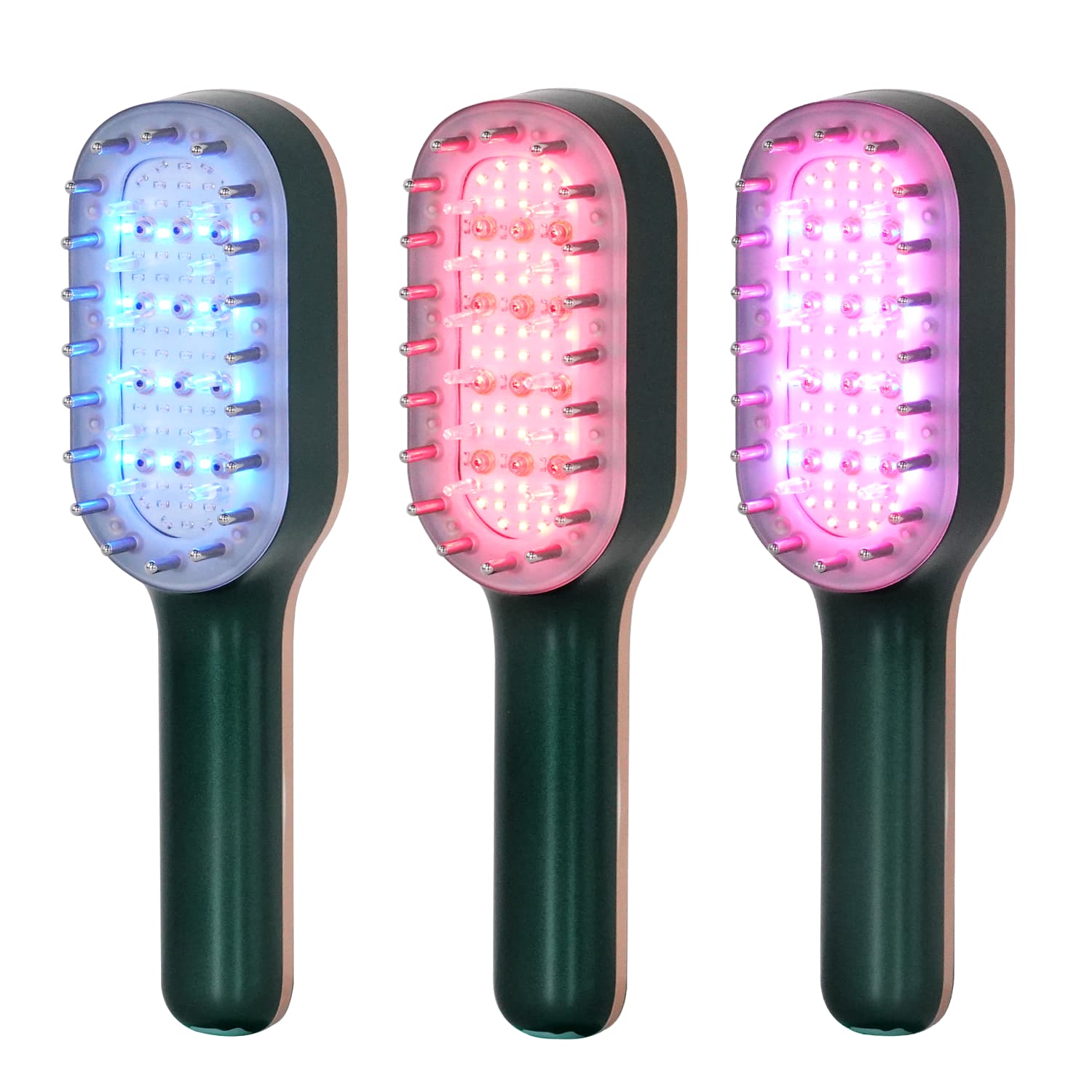
luz azul (380—500 nm) permanece cerca de la superficie de la piel y puede atacar las bacterias que causan el acné para reducir los brotes. También puede ayudar con afecciones inflamatorias superficiales de la piel como la dermatitis., eczema, y psoriasis.
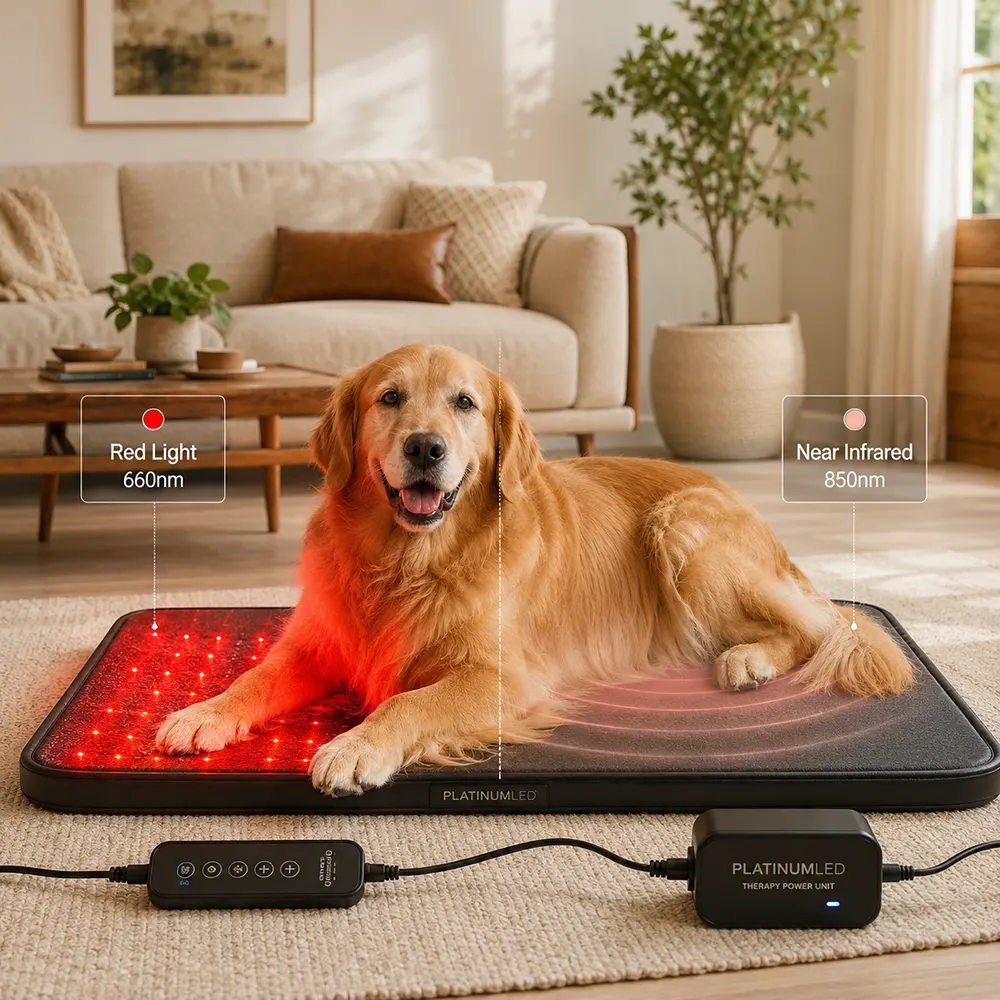
Luz roja (630—660 millas náuticas) Se absorbe en la piel y aborda problemas superficiales como el acné., textura de la piel, elasticidad, y firmeza.
Luz infrarroja cercana (810—850 millas náuticas) penetra más profundamente, alcanzando los músculos, articulaciones, huesos, e incluso el cerebro. NIR puede ayudar a los deportistas con la recuperación muscular, inflamación, y curación de lesiones.
Algunos dispositivos también incluirán luz verde (500-570 Nuevo Méjico) para ayudar a estimular la producción de colágeno y reducir los problemas de pigmentación, o incluso luz ámbar (570—600 nm) para apuntar al tono de la piel, arrugas, e inflamación superficial (aunque no tan poderosa como la luz azul o roja).
Cómo encontrar la mejor mascarilla de terapia con luz roja para usted
Encontrar la mejor mascarilla de terapia con luz roja se reduce a comprender las necesidades de su piel, comparando especificaciones de productos, y considerar características que se adapten a su estilo de vida. Abajo, Le explicaremos qué buscar antes de invertir en uno..
Tus necesidades
La piel de cada persona es diferente., lo que significa que no existe una máscara de terapia de luz roja única para todos. Empiece por identificar sus objetivos: ¿Esperas reducir las líneas finas?, calmar el enrojecimiento, o combatir el acné? Estas diferencias pueden indicar qué longitudes de onda y características de máscara funcionarán mejor para usted..
También es importante tener en cuenta que no todas las pieles reaccionan de la misma manera a la luz roja.. Hable con su médico o dermatólogo antes de usar una máscara de luz roja si tiene una afección de la piel o está tomando un medicamento que aumenta la sensibilidad a la luz..
Especificaciones de luz
Al comparar máscaras, Preste atención a las especificaciones de la luz.. Para resultados visibles, Las longitudes de onda mínimas recomendadas suelen ser de alrededor de 630 a 660 nm para luz roja y de 810 a 850 nm para luz infrarroja cercana.. la irradiancia (salida de potencia) Impacta la eficacia con la que la luz penetra en la piel.. Le recomendamos que apunte a al menos 20-40 mW/cm² para uso doméstico.
Algunos dispositivos solo usan luz roja, pero otros incluyen múltiples configuraciones de color, como azul o infrarrojo cercano, para diferentes beneficios. Si quieres versatilidad, elija una máscara que permita cambiar o combinar tipos de luz.
Características tecnológicas
Las máscaras de terapia con luz roja varían ampliamente en diseño y conveniencia.. Algunos modelos necesitan estar conectados, haciéndolos menos portátiles pero a menudo más asequibles. Otros son inalámbricos y recargables., ideal si quieres realizar múltiples tareas o viajar con tu dispositivo.
Configuración del temporizador, funciones de apagado automático, y la intensidad ajustable también son características útiles. Estos pequeños detalles pueden hacer que tus sesiones sean más consistentes y cómodas..
Preguntas frecuentes (Preguntas frecuentes)
¿Es segura la terapia con luz roja??
Sí, La terapia con luz roja es segura.. “Porque los LED no producen radiación ultravioleta, se consideran una forma más segura de fototerapia,” dice el doctor. Campamento Brendan, Dermatólogo y dermatopatólogo doblemente certificado con MDCS Dermatology en Nueva York.
No, no causa cancer. Los dispositivos de terapia con luz roja no emiten rayos ultravioleta (ultravioleta) luz, cuál es la principal causa de cáncer de piel. Y los estudios han demostrado que estos dispositivos no dañan el ADN ni causan mutaciones en las células de la piel..
Aún, Hable con su médico si está tomando medicamentos o tiene una afección que hace que su piel sea más sensible a la luz.. Si toma algún medicamento que aumente su sensibilidad al sol (como ciertos antibióticos, drogas cardiovasculares, o diuréticos), tiene una afección de la piel que causa fotosensibilidad, o antecedentes de cáncer de piel, hable con su dermatólogo antes de comenzar a usar un dispositivo de terapia con luz roja.
¿Qué tan efectiva es la terapia con luz roja??
Depende de tu consistencia y otros hábitos de cuidado de la piel.. Los dispositivos caseros de terapia con luz roja definitivamente pueden mejorar la salud de la piel, pero los resultados también pueden ser temporales dependiendo de tu edad, niveles de exposición al sol, y hábitos como el consumo de alcohol y tabaco., Dr. El campamento señala. Algunas formas en que puede maximizar sus beneficios potenciales incluyen:
Usar otras formas de terapia cutánea, como dispositivos de microcorriente y EMS
Siguiendo una rutina, rutina de cuidado de la piel anti-envejecimiento (FPS diario, retinol, y otros ingredientes activos como la vitamina C)
Usar el dispositivo constantemente (Dr. Camp dice que deberías empezar a ver resultados después de dos o más meses)
¿Cuál es la mejor mascarilla de terapia con luz roja??
La mejor mascarilla de terapia con luz roja depende de tus necesidades., tipo de piel, y presupuesto. Busque uno que cumpla con los estándares de longitud de onda adecuados, ofrece suficiente irradiancia, e incluye características de comodidad y seguridad que se adaptan a su rutina.