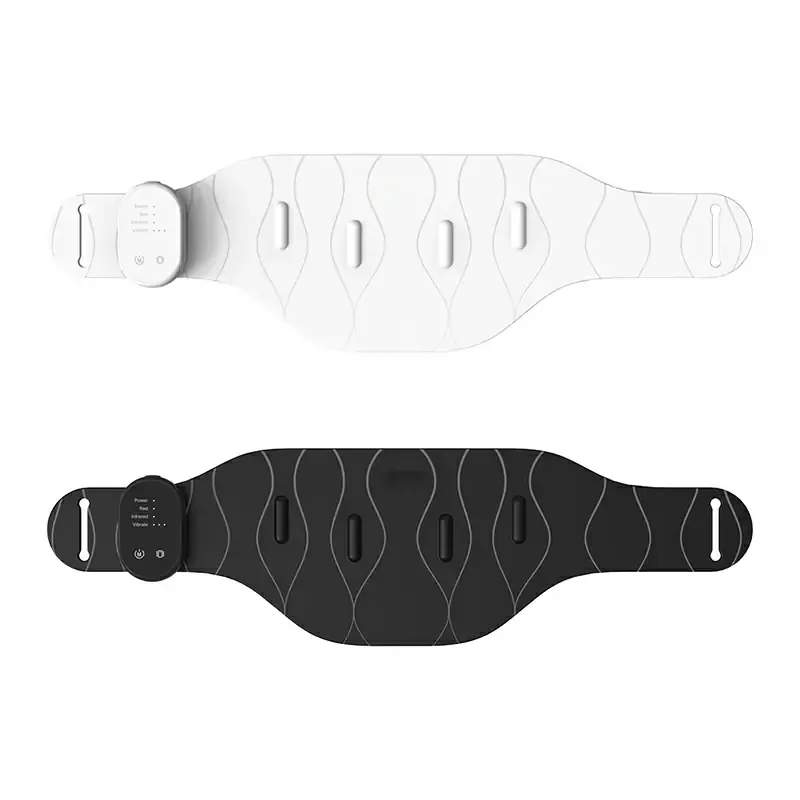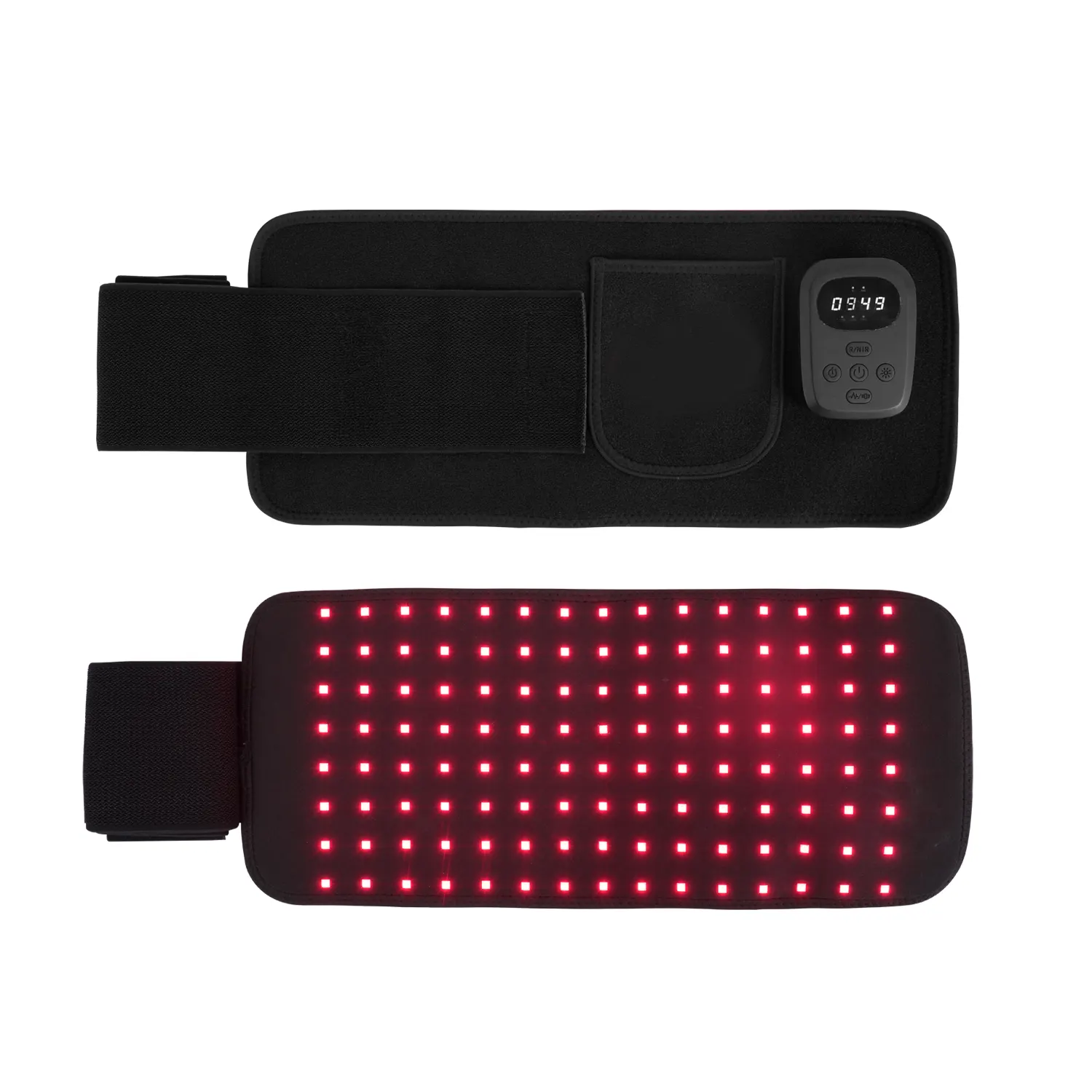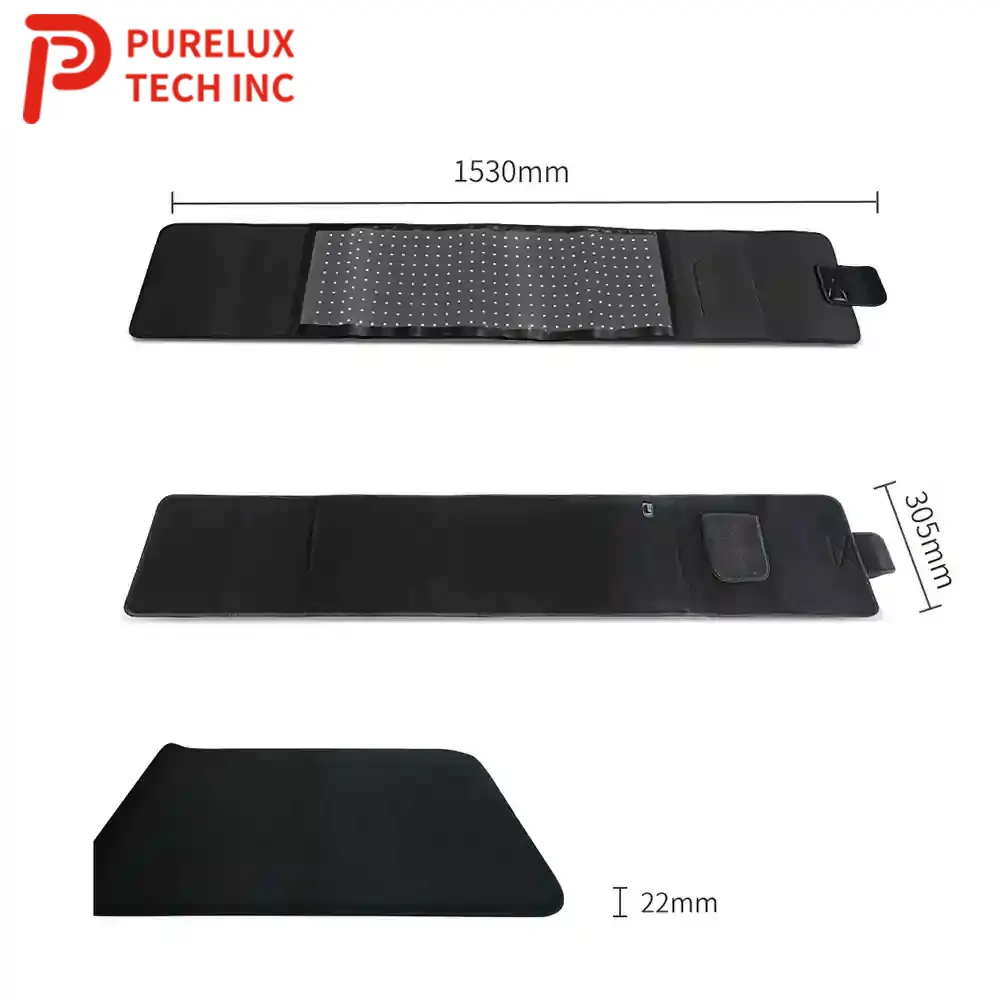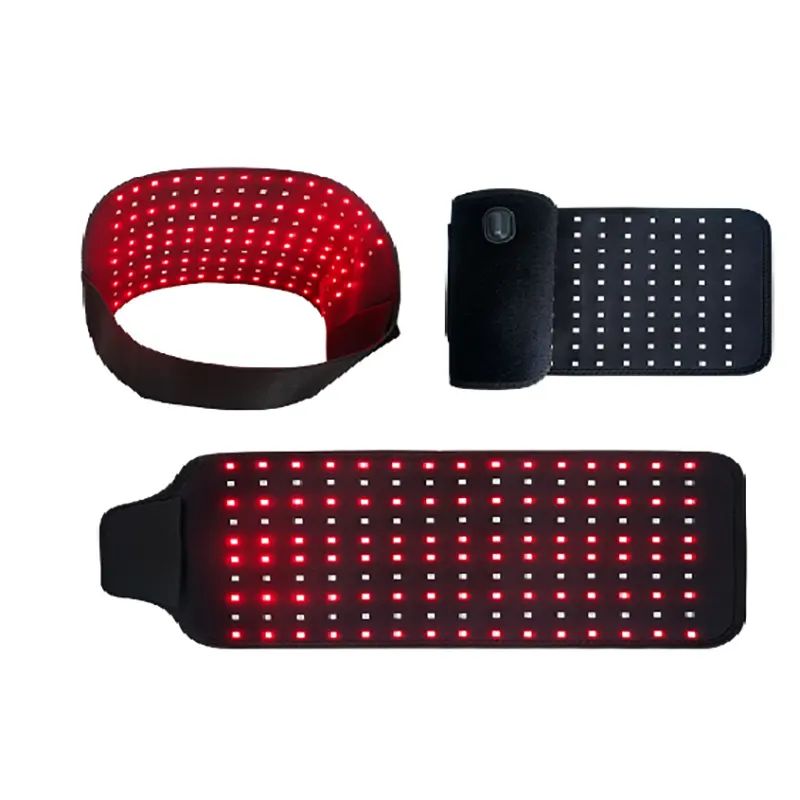
What is a Red Light Therapy Panel?
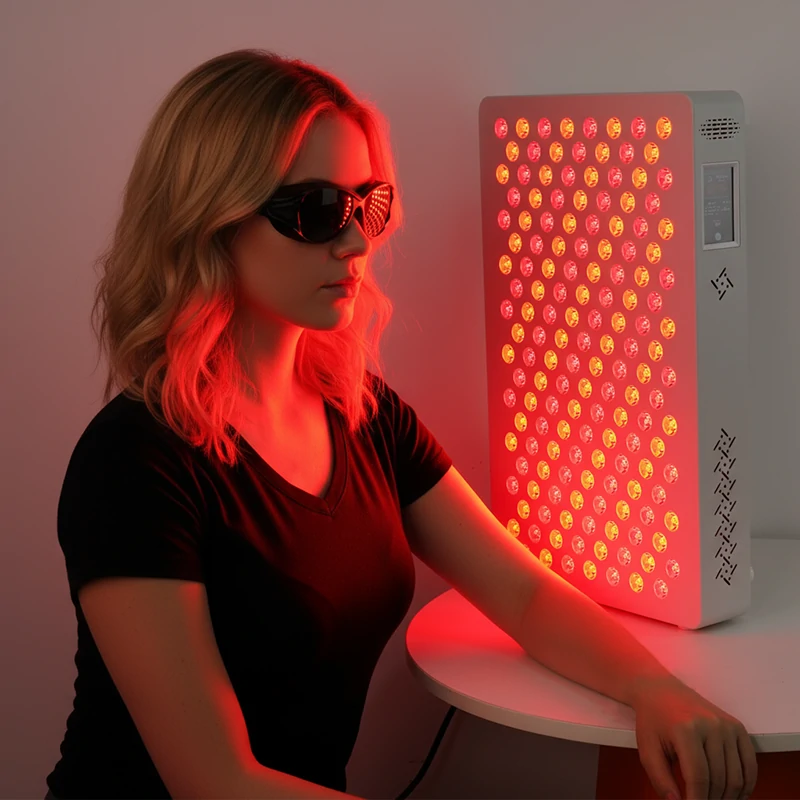
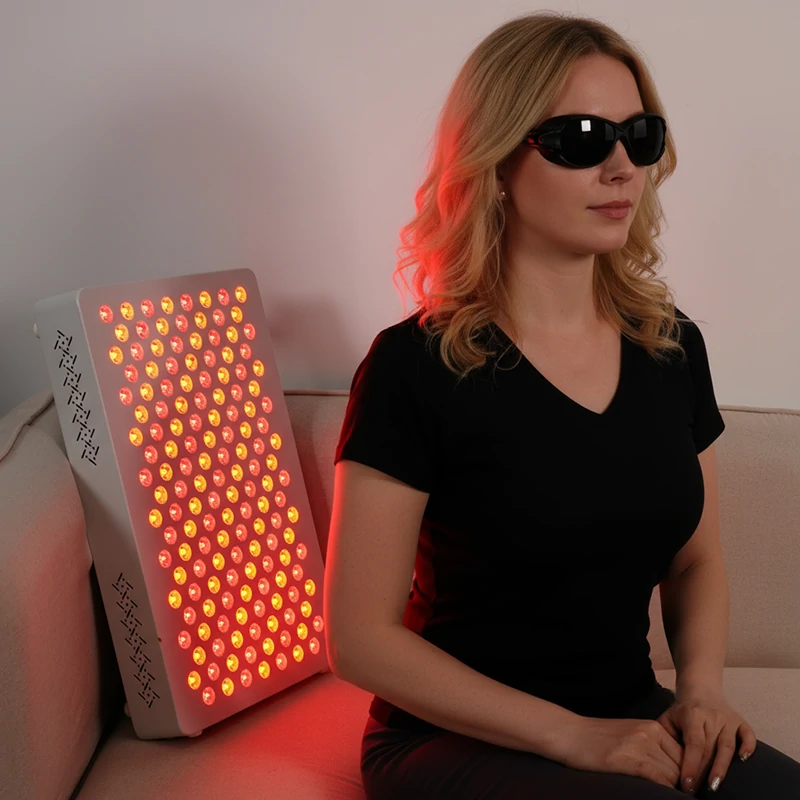
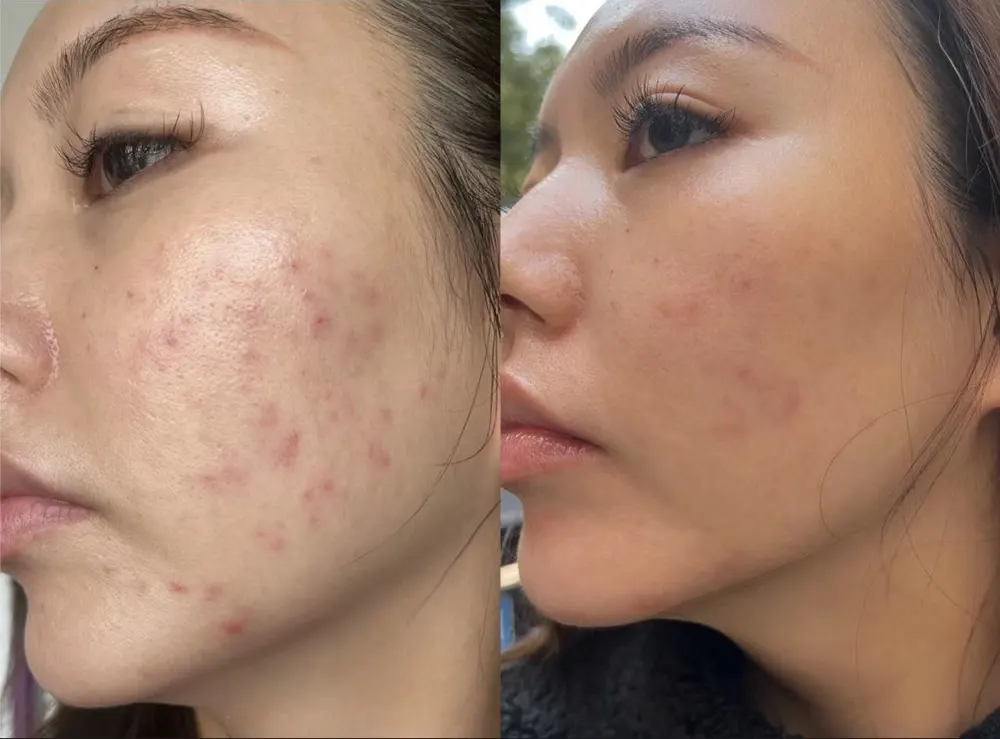
A red light therapy panel is a device designed to deliver concentrated red and near‑infrared light to the skin, typically through a flat surface equipped with LED arrays. These panels come in various sizes—from compact desktop versions to full‑size, door‑like systems—and generally emit light in the 600–700 nm (red) and 800–900 nm (infrarrojo cercano) ranges. They are commonly used to support skin health, aid muscle and joint recovery, and help reduce inflammation. Sin embargo, robust, large‑scale studies are still limited, and individual outcomes may differ.
For home use, the panel is typically positioned at a distance of six to 18 inches from the body. The targeted area is exposed for a few minutes per session, with treatments repeated several times throughout the week. Since the light used is non‑ionizing and applied at relatively low power, these panels are regarded as noninvasive and are usually well tolerated. That said, individuals with light sensitivity, eye conditions, or those taking medications that increase light sensitivity should consult a healthcare professional before beginning use.
Mask vs. Panel: Which One Is Right for You?
Before diving into panel specifics, it helps to understand the key differences.
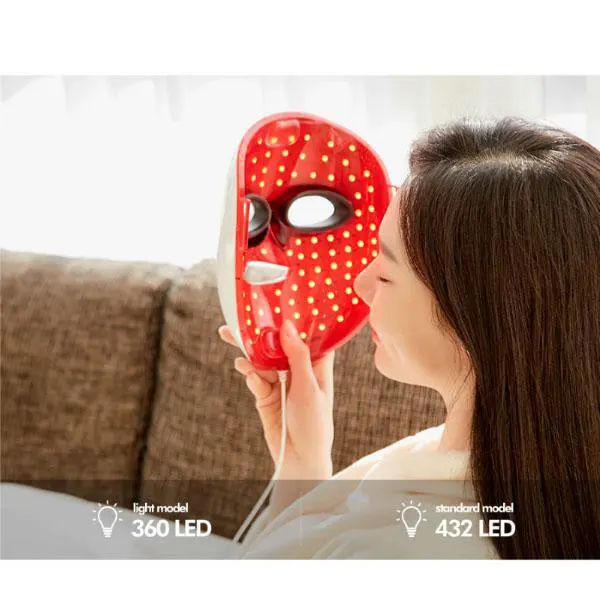
| Característica | Red Light Therapy Mask (p.ej., Puroluxtech) | Panel de terapia de luz roja |
|---|---|---|
| Target Area | Designed specifically for the face. | Versatile: face, cuello, chest, back, articulaciones, full body. |
| Convenience | Hands-free, wearable, portable. | Requires positioning and sitting/standing in front of it. |
| Fuerza | Optimized for facial skin (closer proximity). | Often higher power, designed to be used at a distance. |
| Space | Minimal storage; fits in a drawer. | Requires floor or table space. |
| Best For | Daily, hassle-free facial treatments. | Full-body wellness, recuperación muscular, and larger areas. |
The Verdict: If your primary concern is your face, a mask like Puroluxtech offers unmatched convenience and precision. If you want to treat your back, articulaciones, or entire body, a panel is the better investment.
El 5 Non-Negotiables for an Effective Panel
Whether you are looking at a compact tabletop panel or a full-body stand-up unit, these technical specifications determine whether the device actually works.
1. Therapeutic Wavelengths (El “Color” of Light)
Just like masks, panels must emit specific wavelengths proven to trigger cellular response.
-
What to look for: Look for panels that include 630nm-660nm (Rojo) for skin and superficial tissue, y 810nm-850nm (Infrarrojo cercano) for deep tissue, muscles, y articulaciones .
-
Why it matters: Red light targets the surface (rejuvenecimiento de la piel), while Near-Infrared penetrates deeper into muscles and joints for recovery and anti-inflammatory effects . A good panel offers both.
2. High Irradiance (Power Output)
This measures how much light energy hits your skin. Panels are typically used at a distance (6-12 inches away), so they need sufficient power to deliver an effective dose.
-
What to look for: Look for irradiance measured in mW/cm² at a specific distance (p.ej., “65.7 en mW/cm² 6 pulgadas”) . Higher numbers mean more effective, shorter sessions.
-
Why it matters: If the panel is underpowered, you would have to stand inches away for 30 minutes to get a benefit. A powerful panel works in 5-10 minutes from a comfortable distance.
3. Energy Dose (El “Medicine”)
This is the total energy delivered per session (Irradiance x Time). The clinical sweet spot is typically 40-60 Joules per area.
-
What to look for: The manufacturer should provide guidance on session duration based on distance. A good panel will allow you to reach this dose in under 15 minutos.
4. LED Quality and Density
No todos los LED son iguales.
-
What to look for: Panels that use high-quality, name-brand LEDs (like Osram or Epistar) are more reliable and maintain their wavelength over time. Also, look at the density of LEDs—more LEDs generally mean more even coverage.
-
Why it matters: Cheap LEDs can “drift” off their target wavelength as they age, rendering the treatment ineffective.
5. Safety and Certification
You are exposing your body to light energy. Safety is paramount.
-
What to look for: Look for devices that are FDA cleared or registered . This indicates the manufacturer has met regulatory standards for safety and labeling.
-
Why it matters: Independent studies have shown that some laser-based devices can exceed safety limits . LED-based panels with diffuse illumination generally offer a safer profile .
Side-by-Side Comparison: What to Look For
| Característica | El “Budget” Panel (Avoid) | El “Medical-Grade” Panel (The Best) |
|---|---|---|
| Longitudes de onda | Often unspecified or single wavelength. | Multiple therapeutic wavelengths (630-660nm rojo + 810-850nm NIR) . |
| irradiancia | Low; requires long sessions or very close proximity. | High (>50 en mW/cm² 6-12 pulgadas) for efficient sessions . |
| LED Quality | Generic, unbranded LEDs prone to wavelength drift. | High-quality, stable LEDs from trusted manufacturers. |
| Coverage | Sparse LED arrangement; “spotty” treatment. | Dense LED array for even, full-coverage treatment. |
| Safety | No certifications; unknown safety profile. | FDA cleared or registered; meets international safety standards . |
| Build & Design | Flimsy construction; limited positioning options. | Sturdy build; flexible mounting (360° rotation, stands, wall-mountable) . |
Frequently asked questions
q:What is the best red light therapy panel?
A:The best panel depends on your priorities. Someone focused on facial anti‑aging might prefer a compact, high‑irradiance panel or mask with strong red and near‑infrared output, while someone dealing with back pain or full‑body recovery might want a larger panel or pad that covers more area. Key factors to weigh are wavelengths, irradiancia, cobertura, ease of use, and warranty relative to price.
q:What is the most effective form of red light therapy?
A:Effectiveness depends on matching the delivery method to your goal. Panels are more efficient for larger areas of skin, muscles, y articulaciones; smaller handheld or wearable devices can be better for localized spots but cover less area at once.
q:How do I use a red light therapy panel?
A:Típicamente, you position the panel at the recommended distance (often six to 18 pulgadas), clean the skin, and expose the target area for a set time, such as five to 20 minutos por sesión, a few times per week. Many manufacturers advise starting with shorter sessions and increasing gradually, and using eye protection if the panel is very bright or used close to the face. Always follow the specific instructions and contraindications provided with your device, and check with a clinician if you have underlying health conditions or concerns.