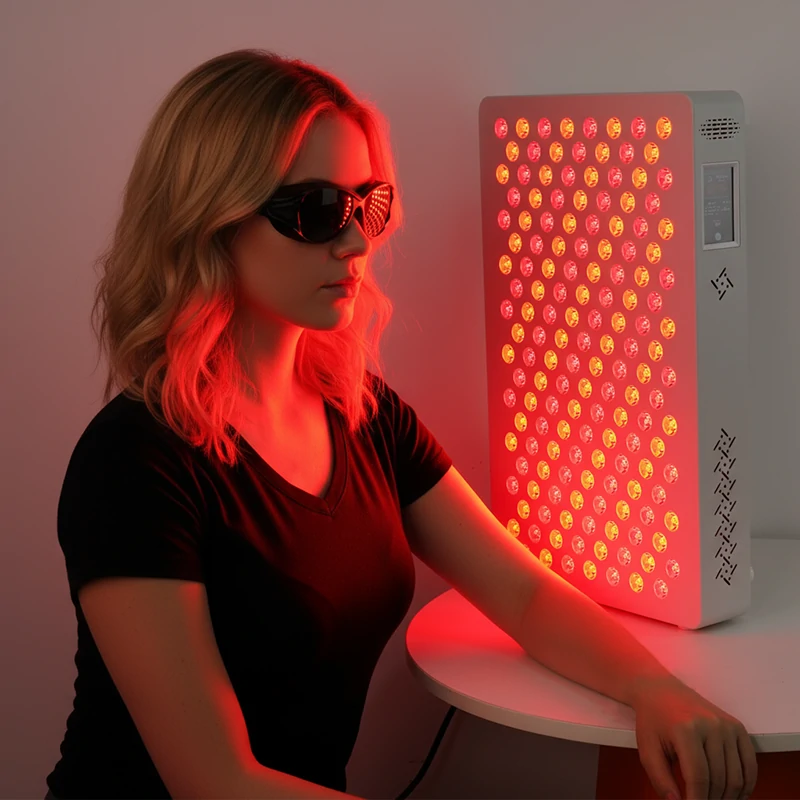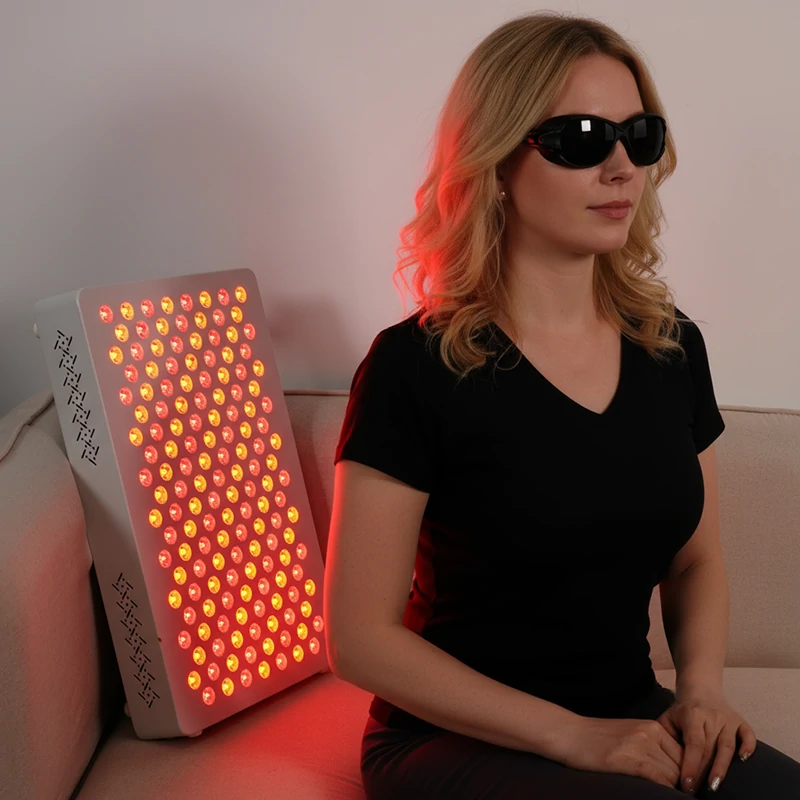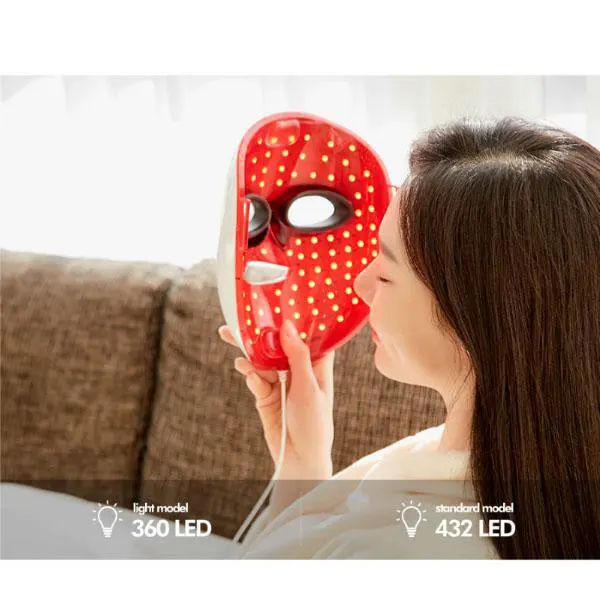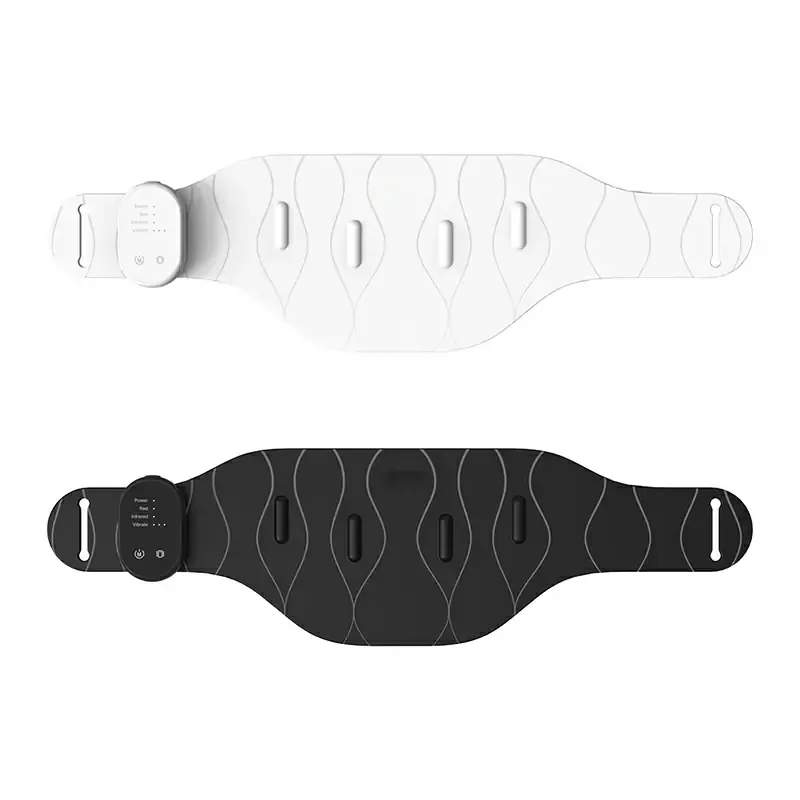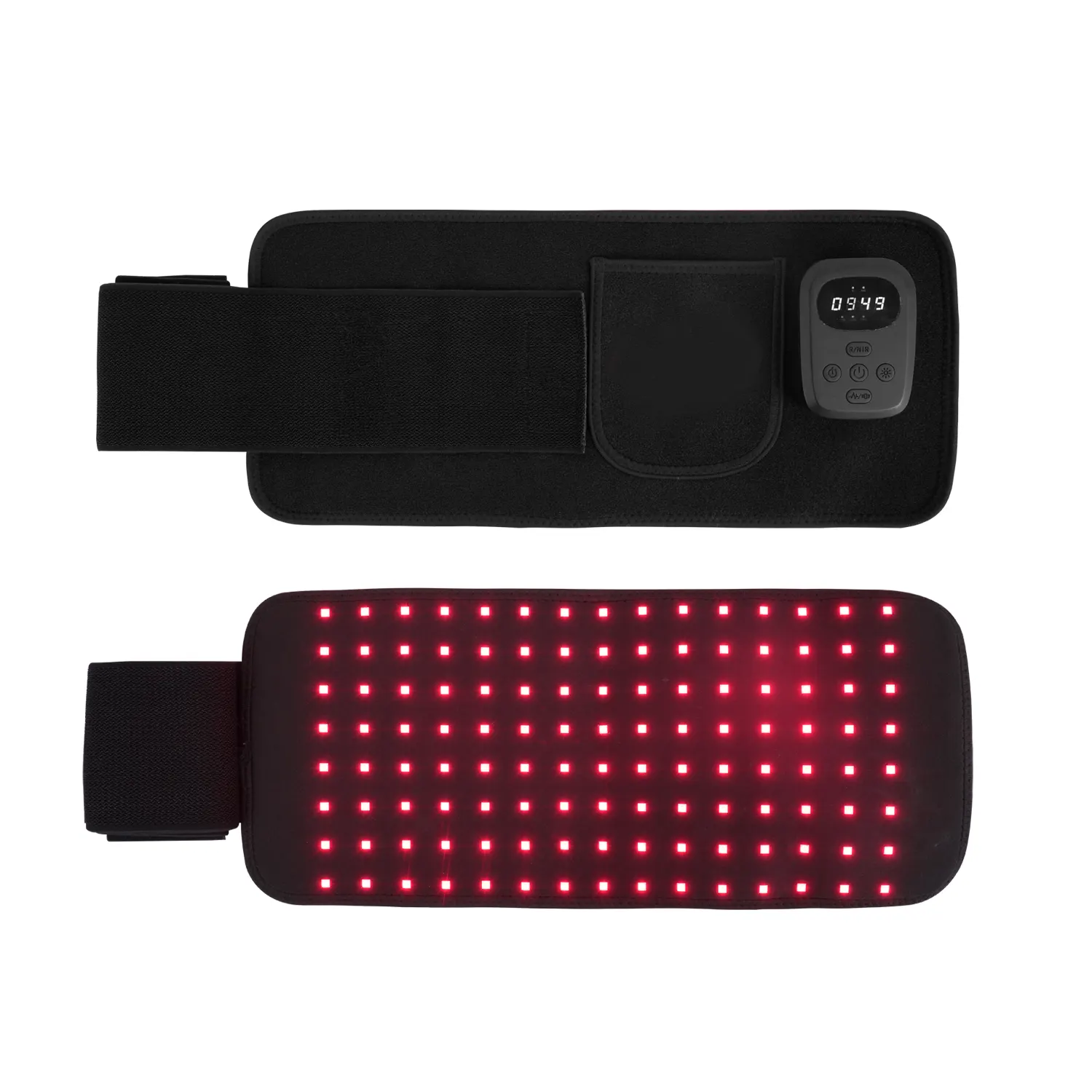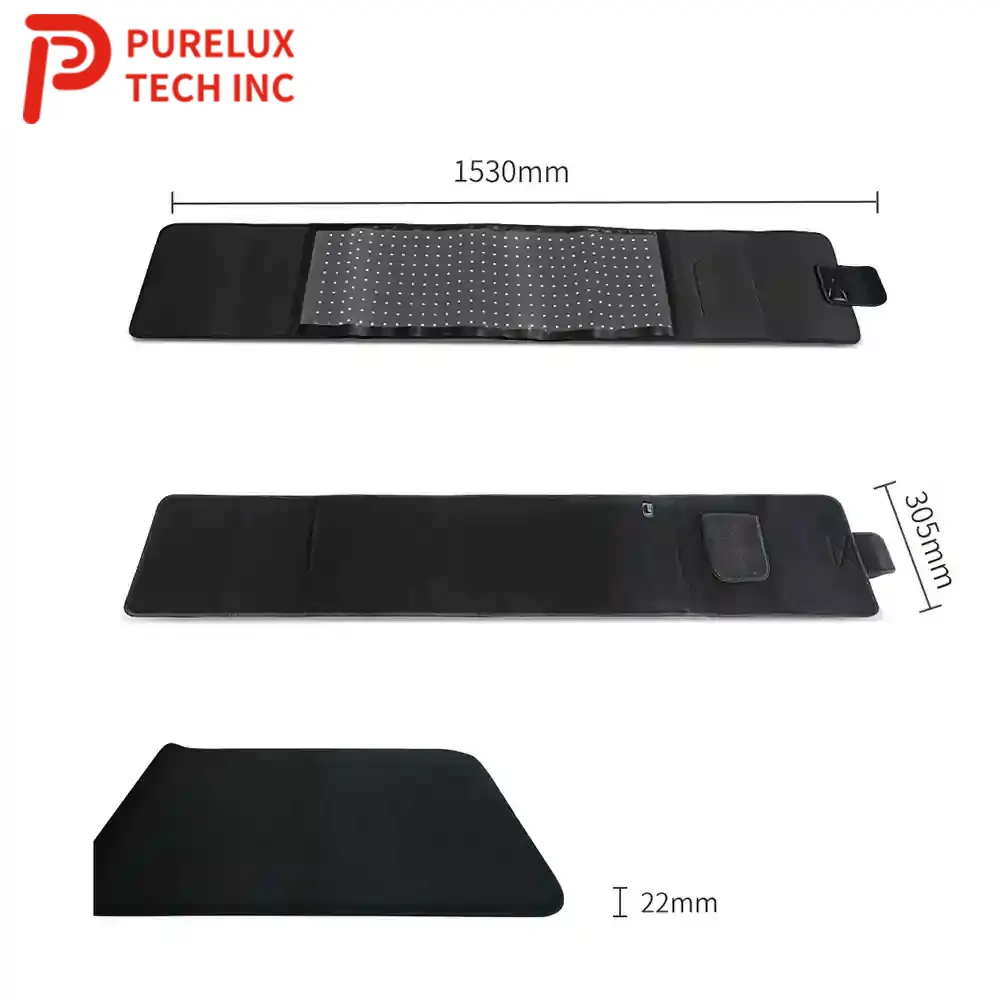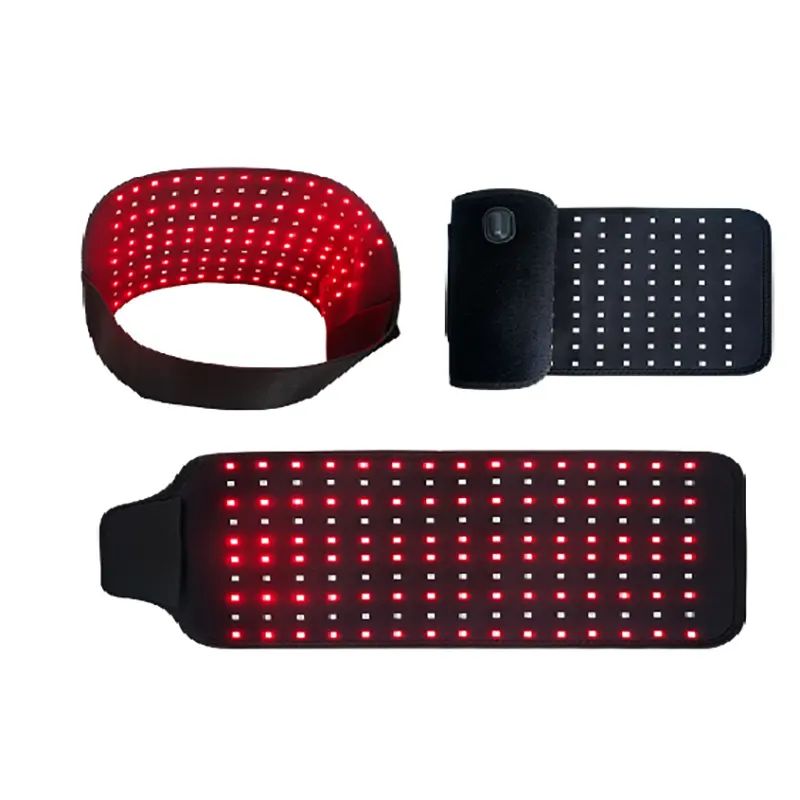
In the ever-evolving world of skincare, few trends have generated as much buzz—and as many questions—as the Red Light Therapy Mask. From Instagram feeds to high-end spas, these futuristic devices are everywhere, promising clearer skin, fewer wrinkles, and a radiant glow.
But beyond the hype and the celebrity endorsements lies a critical question that every savvy consumer should ask: Do red light therapy masks actually work, or is it just clever marketing?
En Puroluxtech, we believe in beauty backed by science. En este artículo, we cut through the noise and explore the peer-reviewed studies, clinical trials, and biological mechanisms that prove red light therapy is not just a trend—it is a transformative skincare tool.
The Science of Photobiomodulation
To understand if it works, you must first understand how it works. The technology behind these masks is scientifically known as Photobiomodulation (PBM) .
Discovered by NASA in the 1990s while experimenting with plant growth in space, researchers found that specific wavelengths of red and near-infrared light could significantly accelerate tissue repair and cell growth in humans.
How it works at a cellular level:
-
Light Absorption: The mitochondria (el “powerhouse” of your cells) contain a light-sensitive compound called cytochrome c oxidase.
-
Energy Production: When specific wavelengths of red light (typically 630nm-660nm) hit the skin, they are absorbed by this compound. This stimulates the mitochondria to produce more Adenosine Triphosphate (atp) .
-
Cellular Function: With a massive boost in cellular energy, your skin cells can function optimally. This leads to increased collagen production, faster repair of damaged tissue, and reduced inflammation.
What Does the Clinical Evidence Say?
The beauty industry is full of anecdotal claims, but dermatology relies on data. Here is a look at what the scientific community has discovered about LED light therapy.
1. Anti-Aging and Collagen Production
The most celebrated benefit of red light therapy is its ability to combat the signs of aging. As we age, our natural collagen production declines, leading to fine lines and sagging skin.
-
The Evidence: A landmark study published in the journal Photomedicine and Laser Surgery examined the effects of red LED light on skin health. Over the course of several months, participants who used red light therapy showed a significant increase in collagen density. The result? Wrinkles decreased by up to 36% and skin texture improved dramatically. The study concluded that red light therapy is a safe and effective way to rejuvenate skin and reverse the signs of photo-aging.
2. Acne Management and Inflammation
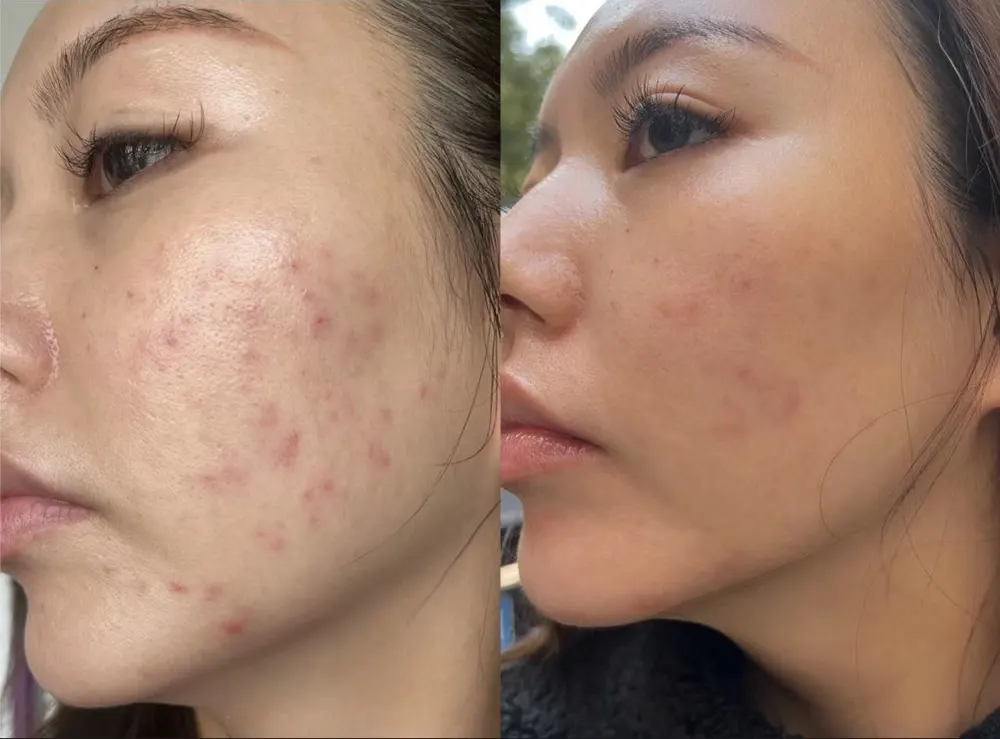
For those struggling with breakouts, red light therapy offers a dual-action solution. While blue light is often used to kill acne-causing bacteria (PAG. acnes), red light penetrates deeper to heal the underlying inflammation and reduce sebum production.
-
The Evidence: A systematic review in Láseres en la ciencia médica analyzed multiple trials on LED therapy for acne. The review found that red light therapy significantly reduces inflammatory acne lesions. By calming the inflammation, it helps prevent the redness and swelling associated with pimples, leading to faster healing with less risk of scarring.
3. Safety and Efficacy Confirmed
One of the strongest validations for this technology comes from the medical community’s consensus on its safety. Unlike the harmful UV rays from the sun, which damage DNA, therapeutic red light is non-invasive and non-thermal.
-
The Evidence: A clinical study in the Journal of Clinical and Aesthetic Dermatology confirmed that daily use of LED devices is safe for all skin types. Participants using combination masks (Red and Near-Infrared) showed improved skin complexion, reduced roughness, and increased collagen density without any adverse effects.
Why “Medical Grade” Matters in a Mask
Now that we know the science is sound, the next question is: Why do some masks work better than others?
The effectiveness of red light therapy hinges entirely on three factors: Longitud de onda, Power Output (irradiancia), and Energy Dose (Joules). Many cheap, drugstore masks look the part but fail to deliver results because they are underpowered.
This is where Puroluxtech differentiates itself. We have engineered our masks to meet the rigorous standards of clinical studies.
-
Therapeutic Wavelengths: Our masks utilize strictly the 630nm (Rojo) and 850nm (Infrarrojo cercano) wavelengths proven in the studies above to penetrate the skin barrier effectively.
-
High Irradiance: We ensure a high power density, meaning enough light energy reaches your dermis to trigger that ATP production. If a mask is too dim, it is just a pretty light show.
-
Hands-Free Convenience: The science is useless if the treatment isn’t sustainable. Our ergonomic design allows you to receive your daily “dose” of science-backed light while you relax, read, or scroll on your phone.
The Verdict: Is It Worth It?
So, do red light therapy masks work?
Sí. The scientific evidence is undeniable.
When you use a device that emits the correct therapeutic wavelengths at a sufficient power, you are not just applying a topical cream that sits on the surface. You are biologically enhancing your skin’s ability to heal, repair, and regenerate from the inside out.
Preguntas frecuentes (Preguntas frecuentes)
q:What Are the Benefits of Red Light Therapy?
A:Red light therapy may help calm inflammation, support the skin barrier, boost collagen production, and aid recovery after in-office treatments like lasers. Dr. Gohara describes it as more of a skin-soothing and maintenance tool than a dramatic, overnight fix.
When red light is combined with blue light, it may also help improve breakouts. Blue light targets P. acnes bacteria, while red light helps reduce the inflammation that comes with acne, explains Dr. Obayomi. Research shows that using both together can lead to fewer breakouts over time, with studies reporting noticeable improvements after several weeks of consistent use.
That said, it’s important to keep expectations in check. At-home light therapy devices typically deliver lower-intensity light (often around 5–40 mW/cm²) than professional treatments (which can exceed 50 mW/cm²), so results tend to be more gradual and depend on consistent, regular use. As Dr. Obayomi notes, regular use over months—not days—is what’s most likely to lead to visible changes.
q:What exactly is red light therapy?
A:It’s a non-invasive treatment that uses red or near-infrared light. Also called photobiomodulation, a few dermatologists offer it to treat acne, signs of aging like wrinkles, hair loss, and other conditions. The red light that dermatologists offer is more powerful than that found in devices sold for at-home use.
To give their patients the best results, dermatologists typically recommend red light as a complementary therapy. This means, it’s part of a treatment plan that uses standard therapy. Por ejemplo, when treating signs of aging, your dermatologist may add red light to a treatment plan that includes a medicated cream, microneedling, or a chemical peel. Tailored skin care may also be part of this treatment plan.
To help you maintain results after in-office treatment, your dermatologist may recommend using an at-home red-light device.
Whether you want to use red light after receiving treatment from a dermatologist or to try it on your own, you’ll find plenty of options. Red-light wands, masks, and other devices are sold for treating the skin. Caps, combs, and helmets are sold for regrowing hair. Most at-home devices contain light emitting diodes (LED), which are considered safe for home use. You’ll also find devices sold for at-home use that have low-level lasers.