La perte de cheveux est un voyage profondément personnel. Que vous remarquiez une couronne clairsemée, une racine des cheveux dégarnie, ou perte diffuse, la recherche d'une solution efficace peut sembler écrasante. Vous avez probablement vu les publicités: des casquettes et des casques élégants promettant de redonner de la lumière à vos cheveux.
Mais la question à un million de dollars demeure: Les capuchons de croissance des cheveux à lumière rouge au laser fonctionnent-ils réellement contre la perte de cheveux ??
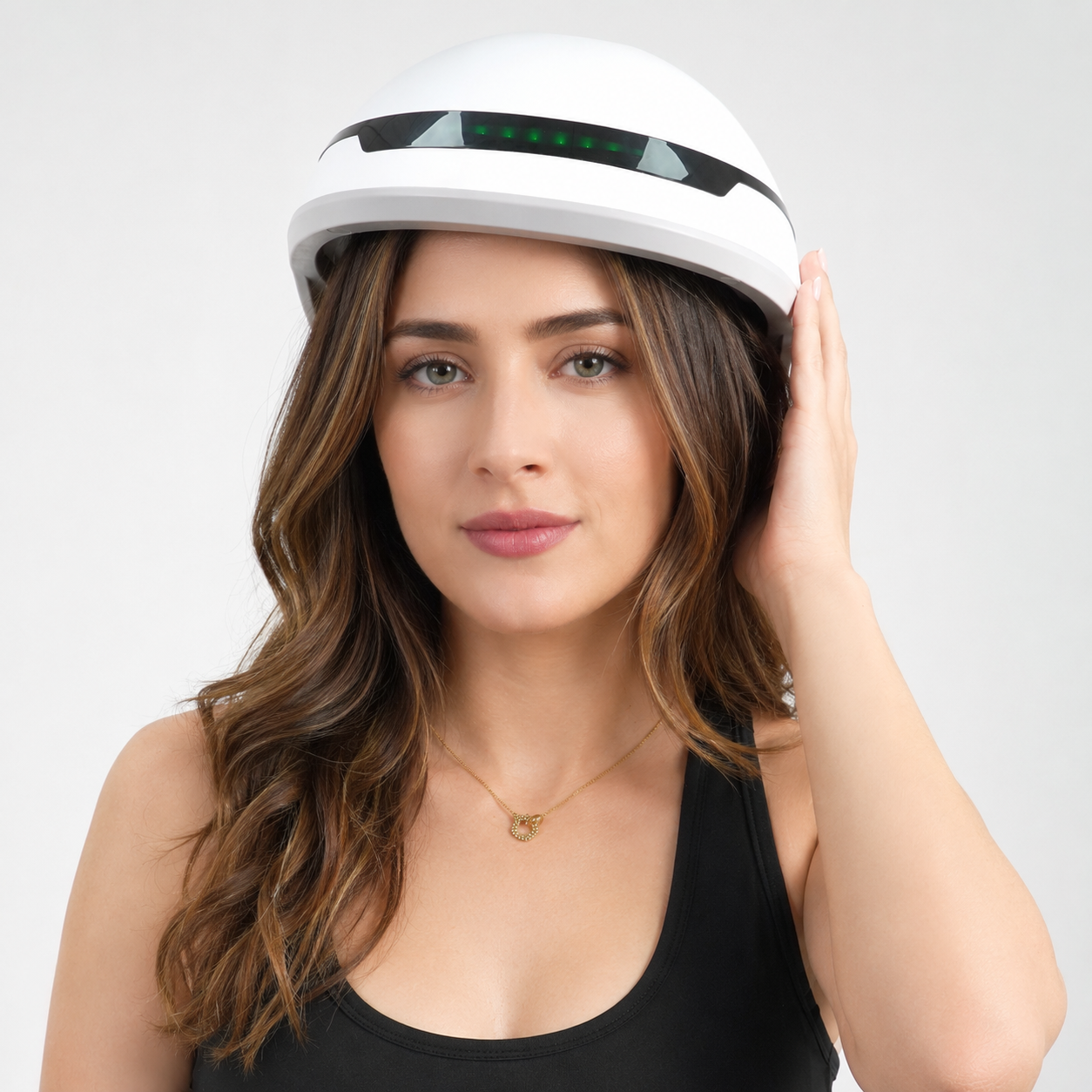
La réponse, soutenu par des décennies de recherche clinique et d’autorisations de la FDA, est un retentissant Oui— à condition de choisir le bon appareil. Dans cet article, nous explorerons la science derrière la thérapie au laser de faible intensité (LLT), et vous présenter deux des solutions les plus efficaces du marché: l'avancé Casque de croissance des cheveux laser T02 et le pratique Capuchon de croissance des cheveux à lumière rouge laser .
La science de la photobiomodulation: Comment la lumière déclenche la croissance des cheveux
Pour comprendre pourquoi ces appareils fonctionnent, il faut regarder le follicule pileux lui-même. Perte de cheveux, en particulier l'alopécie androgénétique (calvitie masculine et féminine), est souvent causée par une combinaison de facteurs génétiques et de l'hormone DHT, qui rétrécit les follicules pileux avec le temps.
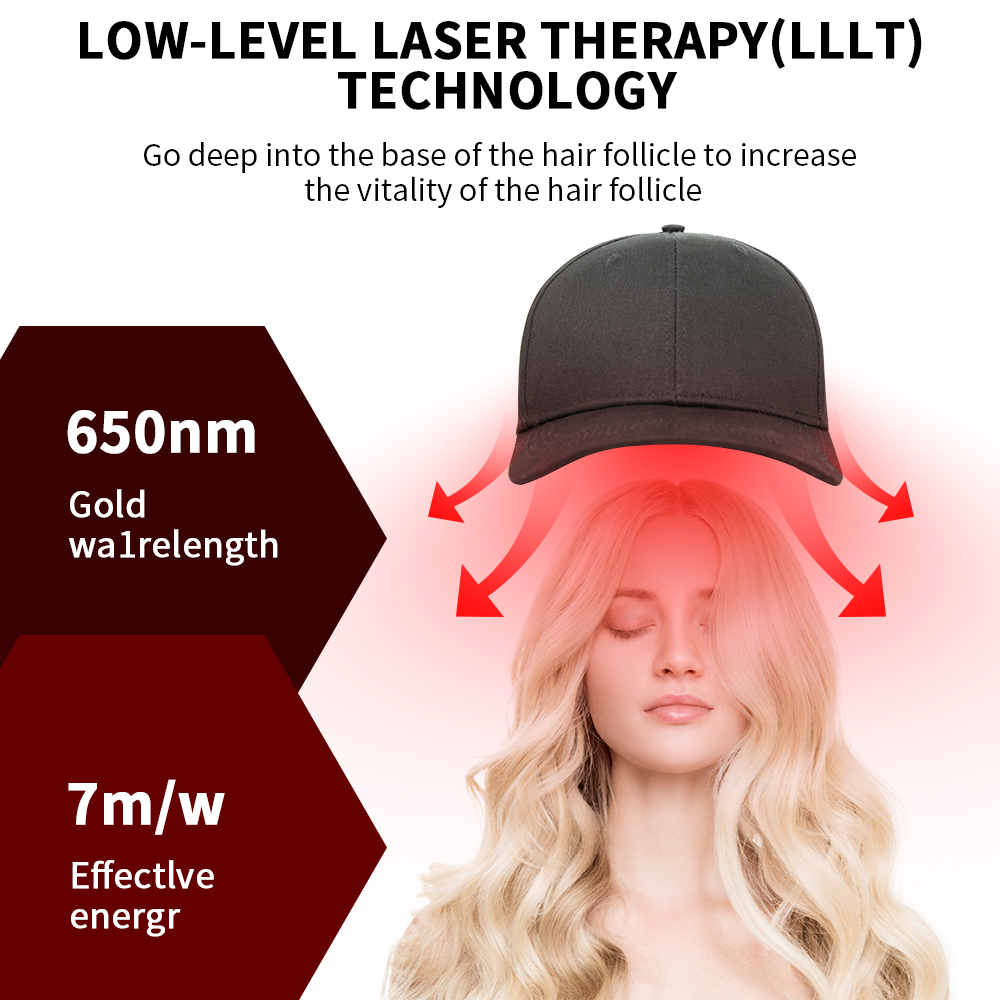
Thérapie au laser de bas niveau (LLT), également connue sous le nom de photobiomodulation, fonctionne en fournissant des longueurs d’onde spécifiques de lumière (généralement 650 nm) directement sur le cuir chevelu. Voici ce qui se passe au niveau cellulaire:
-
Boost d'énergie cellulaire: L'énergie lumineuse est absorbée par les mitochondries situées dans les cellules des follicules pileux.. Cela stimule la production d’adénosine triphosphate (ATP), le carburant qui alimente l’activité cellulaire .
-
Augmentation du flux sanguin: LLLT favorise la vasodilatation, augmenter la circulation sanguine vers le cuir chevelu. Plus de sang signifie plus d’oxygène et de nutriments délivrés aux follicules affamés .
-
Prolifération Cellulaire: La lumière favorise la multiplication des cellules du bulbe pileux, pousser les follicules du repos (télogène) phase de croissance active (anagène) phase .
Comme indiqué dans un 2024 revue systématique publiée dans Les lasers en science médicale, “La thérapie au laser de faible intensité est une monothérapie sûre et efficace pour l'alopécie androgénétique” .
Laser contre. DIRIGÉ: Pourquoi “Laser” Questions pour les cheveux
Vous avez peut-être remarqué que de nombreux masques cutanés utilisent la lumière LED.. Pour la croissance des cheveux, cependant, lumière laser (lumière cohérente) offre des avantages distincts. Les lasers fournissent un concentré, faisceau focalisé qui pénètre plus efficacement dans le cuir chevelu pour atteindre le bulbe folliculaire, qui se trouve plus profondément dans le derme.
C'est pourquoi des appareils comme notre Casque de croissance des cheveux laser T02 utiliser des diodes laser de qualité médicale plutôt que des LED standard. Ils fournissent une énergie précise exactement là où elle est nécessaire.
Découvrez les solutions: Casque T02 et casquette laser
Nous proposons deux solutions approuvées par la FDA pour s'adapter à différents modes de vie et degrés de perte de cheveux.. Les deux utilisent une technologie laser éprouvée en clinique pour lutter contre l’amincissement.
Couverture et puissance maximales: Casque de croissance des cheveux laser T02
Pour ceux qui recherchent le traitement le plus complet, le Casque de croissance des cheveux laser T02 est notre appareil phare.
-
Conception: Un rigide, casque ergonomique qui assure une cohérence, couverture mains libres de tout le cuir chevelu. Une fois que tu l'as mis, tu peux te détendre, lire, ou utilisez votre téléphone pendant qu'il fonctionne.
-
Nombre de lasers: Le T02 est équipé d'une haute densité de diodes laser de qualité médicale, garantir que chaque centimètre carré de votre cuir chevelu reçoive une dose thérapeutique d'énergie.
-
Idéal pour: Les personnes présentant une amincissement modéré à avancé qui souhaitent le plus puissant, traitement efficace disponible. Il est également parfait pour ceux qui préfèrent un “réglez-le et oubliez-le” expérience.
Portabilité et flexibilité: Capuchon de croissance des cheveux à lumière rouge laser
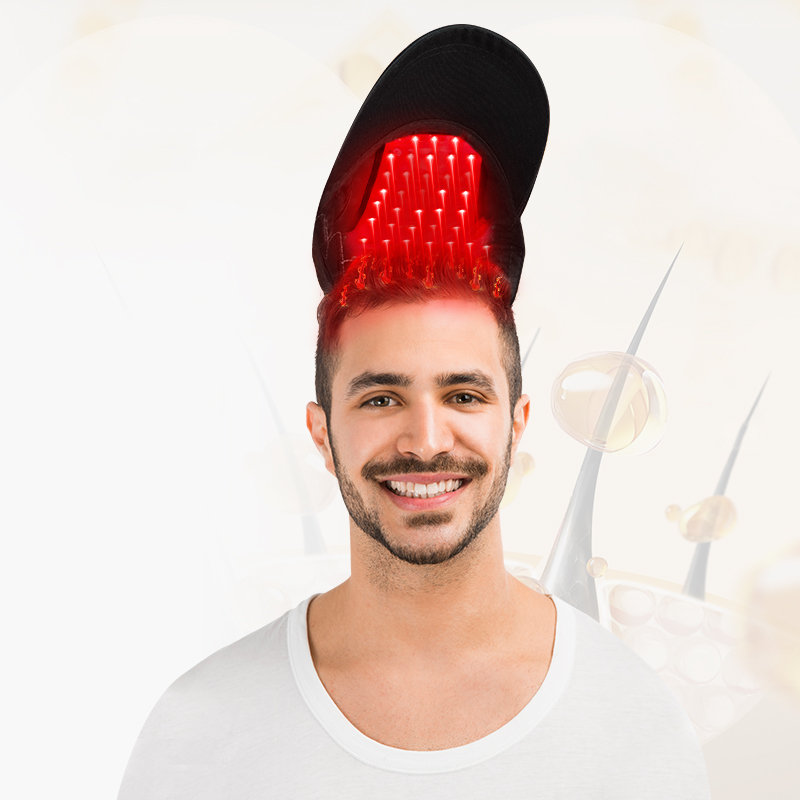
Pour le moderne, personne active qui voyage fréquemment ou préfère une option plus discrète, le Capuchon de croissance des cheveux à lumière rouge laser est le compagnon idéal.
-
Conception: Un flexible, dispositif de type casquette qui s'adapte à la tête. Il est léger et portable, se glisse facilement dans un sac de sport ou un bagage à main.
-
Technologie: Bien que flexible, cela ne fait aucun compromis sur la puissance. Il combine des diodes laser avec des LED à lumière rouge pour fournir une photobiomodulation complète.
-
Idéal pour: Voyageurs fréquents, ceux qui souhaitent utiliser l'appareil en se déplaçant, ou les personnes qui préfèrent un, matériau plus souple.
Ce que disent les preuves: Soutien clinique
L’efficacité du LLLT pour la repousse des cheveux n’est pas anecdotique; c'est clinique.
-
UN 2023 étude impliquant un capuchon laser similaire à notre Capuchon de croissance des cheveux à lumière rouge laser démontré une augmentation significative de la densité des cheveux terminaux après 24 semaines d'utilisation .
-
La FDA a autorisé plusieurs dispositifs LLLT pour la repousse des cheveux, dont ceux de la catégorie T02, affirmant leur sécurité et leur efficacité .
-
La recherche indique que la combinaison d'une lumière laser de 650 nm avec des LED à lumière rouge, comme présenté dans notre casquette, crée un effet synergique, améliorer le métabolisme cellulaire et la libération de facteurs de croissance .
Sécurité: Une alternative sans drogue
L'un des plus grands avantages de la thérapie au laser est son profil de sécurité.. Contrairement aux interventions pharmaceutiques comme le finastéride, qui entraînent des effets secondaires potentiels liés aux hormones, LLLT est non invasif et topique. L'énergie lumineuse stimule le follicule sans introduire de produits chimiques dans le corps.
Il est sans danger pour les hommes et les femmes, et peut être utilisé en conjonction avec des traitements topiques comme le minoxidil pour de meilleurs résultats .
Qui devrait éviter ou faire preuve de prudence avec la thérapie par la lumière rouge?
De t'empêcher de marcher sur des legos, couper avec précision les métaux, nous permettant de voir les couleurs (Bien, je vois vraiment n'importe quoi), pour restaurer et rajeunir les fonctions du corps et remonter le temps sur les caractéristiques esthétiques sans qu'une goutte de sang ne brille sur cette lame de scalpel – la lumière peut faire beaucoup de choses merveilleuses. Nous avons co-évolué avec la lumière et en dépendons pour notre survie, habitudes de sommeil, humeur, et stabilité mentale, mais nous ne sommes pas non plus les mêmes que nos ancêtres. La biologie de notre corps reste, mais nous avons pris l'énergie lumineuse, pendant longtemps disponible uniquement lorsque les cycles de la nature le permettaient, et nous l'avons amélioré, créer des appareils et des modes de vie inimaginables il y a seulement quelques générations, cicatrisant et rajeunissant grâce à la puissance des sources de lumière concentrées.
Mais peu importe les avantages prouvés de la lumière rouge et la bénignité de la thérapie (même quelque chose d'aussi inoffensif qu'un verre d'eau est dangereux pour une personne souffrant d'hémorragie interne, pas parce que boire de l'eau est dangereux, mais parce que les circonstances le rendent ainsi), il y a toujours des exceptions que nous devrions connaître et qui pourraient avoir un effet négatif. Donc, qui devrait éviter la thérapie par la lumière rouge? Vous devez parler à un médecin avant utilisation pour savoir si le RLT est sans danger pour vous., et soyez prudent si vous appartenez à l’un des groupes suivants:
- Personnes atteintes d'un cancer de la peau actif ou ayant des antécédents de cancer de la peau
- Ceux qui souffrent de conditions photosensibles telles que le lupus ou la porphyrie
- Personnes prenant des médicaments photosensibilisants (par ex., tétracycline, doxycycline, lithium, certains antipsychotiques)
- Les personnes à la peau plus foncée peuvent être sujettes à l’hyperpigmentation
- Femmes enceintes, en raison de données limitées sur la sécurité à long terme
- Ceux qui ont des plaies ouvertes ou des lésions cutanées
- Les personnes souffrant de maladies oculaires ou de problèmes de vision
Comment utiliser votre appareil laser pour des résultats optimaux
La cohérence est la clé pour débloquer la repousse des cheveux. Les cheveux poussent par cycles, et il faut du temps pour réveiller les follicules dormants.
-
La cohérence est reine: Utilisez votre appareil tous les deux jours, ou comme recommandé. Une utilisation sporadique donnera des résultats sporadiques.
-
Durée de la séance: Dernières séances types 15-30 minutes. Avec le Casque de croissance des cheveux laser T02 , la minuterie est souvent automatisée pour plus de commodité.
-
Santé du cuir chevelu: Assurez-vous que votre cuir chevelu est propre et exempt de produits lourds avant le traitement pour permettre une pénétration maximale de la lumière..
-
Patience: La plupart des utilisateurs commencent à voir des résultats (perte réduite, puis nouvelle croissance) entre 3 à 6 mois d'utilisation constante. Les résultats complets se manifestent généralement au bout de 12 mois.
L'essentiel: Est-ce que ça marche?
Donc, les capuchons de croissance des cheveux à lumière rouge laser fonctionnent-ils pour la perte de cheveux? Oui, ils le font.
La science est mature, les données cliniques sont positives, et la FDA a donné son approbation. Cependant, le succès dépend de l'utilisation d'un produit de haute qualité, appareil de conception médicale.
Avec la santé photonique, vous avez deux choix puissants:
-
Choisissez le Casque de croissance des cheveux laser T02 pour une puissance inégalée et une couverture complète du cuir chevelu dans un, conception automatisée.
-
Choisissez le Capuchon de croissance des cheveux à lumière rouge laser pour une technologie éprouvée dans un portable, format flexible qui s'adapte à votre style de vie actif.
Ne laissez pas la perte de cheveux dicter votre confiance. Prenez le contrôle grâce au pouvoir de la lumière.
Prêt à commencer votre voyage de repousse?
Découvrez dès aujourd'hui notre collection de lasers approuvée par la FDA.
FAQ et un résumé rapide
Quels médicaments doivent être évités avec la thérapie par la lumière rouge?
Médicaments photosensibilisants, tels que certains antibiotiques (tétracyclines), antifongiques, médicaments de chimiothérapie, ou isotrétinoïne – peut augmenter la sensibilité de la peau à la lumière. Les personnes prenant des immunosuppresseurs ou des anticoagulants puissants devraient en parler à leur médecin avant d'utiliser le RLT..
La thérapie par la lumière rouge atteint-elle les organes?
Non, ni vraiment. La lumière rouge de surface et le proche infrarouge ne peuvent pas pénétrer suffisamment profondément pour atteindre directement les organes internes.. Mais il peut stimuler la peau et les tissus superficiels, conduisant à des effets systémiques, comme une meilleure circulation et une réduction de l’inflammation dans tout le corps.
La thérapie par la lumière rouge peut-elle provoquer un mélanome?
Non. La thérapie par la lumière rouge émet des longueurs d'onde rouges/NIR et non des rayons UV, qui est connu pour augmenter le risque de cancer. L’Académie américaine de dermatologie affirme la sécurité à court terme du RLT. Mais si une personne a un cancer de la peau actif, les règles du jeu sont imprévisibles, ils devraient donc demander conseil à un professionnel avant d’utiliser la thérapie par la lumière rouge.
La thérapie par la lumière rouge provoque-t-elle une hyperpigmentation?
Non, Le RLT ne provoque pas d’hyperpigmentation et peut même aider à traiter les problèmes de pigmentation existants. L'exception peut être qu'une exposition excessive peut parfois aggraver la pigmentation des peaux plus foncées ou en cas d'utilisation intensive.. Donc si votre peau est d'un ton plus foncé, peut-être consulter un dermatologue ou choisir un autre traitement anti-âge, juste pour être prudent.
La thérapie par la lumière rouge peut-elle blesser vos yeux?
Le RLT est sans danger pour les yeux des personnes en bonne santé lorsqu'il est utilisé conformément aux instructions et lors du port de lunettes pour les appareils nécessitant une protection oculaire.. L'utilisation contrôlée d'appareils spécifiques de thérapie par la lumière rouge est même utilisée pour résoudre les problèmes de vision.. Mais ceux qui ont une maladie oculaire préexistante, dégénérescence, ou la photosensibilité doit faire preuve de prudence
Pouvez-vous exagérer la thérapie par la lumière rouge?
Oui. Vous pouvez vous retrouver dans une situation trop positive. Bien que généralement inoffensif, une utilisation excessive peut provoquer une certaine irritation, comme une rougeur due à une production excessive d'oxyde nitrique, et peut diminuer les rendements que vous attendiez. Veuillez suivre les intervalles de traitement recommandés. Les appareils ont été testés afin que vous puissiez avoir le privilège de savoir à quelle fréquence et durée vous pourrez en tirer le meilleur parti.. Faites confiance aux informations.
Puis-je utiliser la thérapie par la lumière rouge après le Botox?
Oui, tu peux, mais pas tout de suite. Attendez 24 à 48 heures après l'injection pour laisser le Botox s'installer et éviter d'affecter les résultats. L'utilisation du RLT après des procédures mineures peut favoriser la guérison et la régénération du collagène..
La thérapie par la lumière rouge est-elle sans danger pour les enfants?
Les premières études utilisant une lumière rouge répétée de faible intensité pour traiter la myopie infantile suggèrent une sécurité acceptable chez les enfants. Toujours, Le RLT pour la peau ou le bien-être des enfants est moins étudié : consultez un pédiatre avant utilisation.