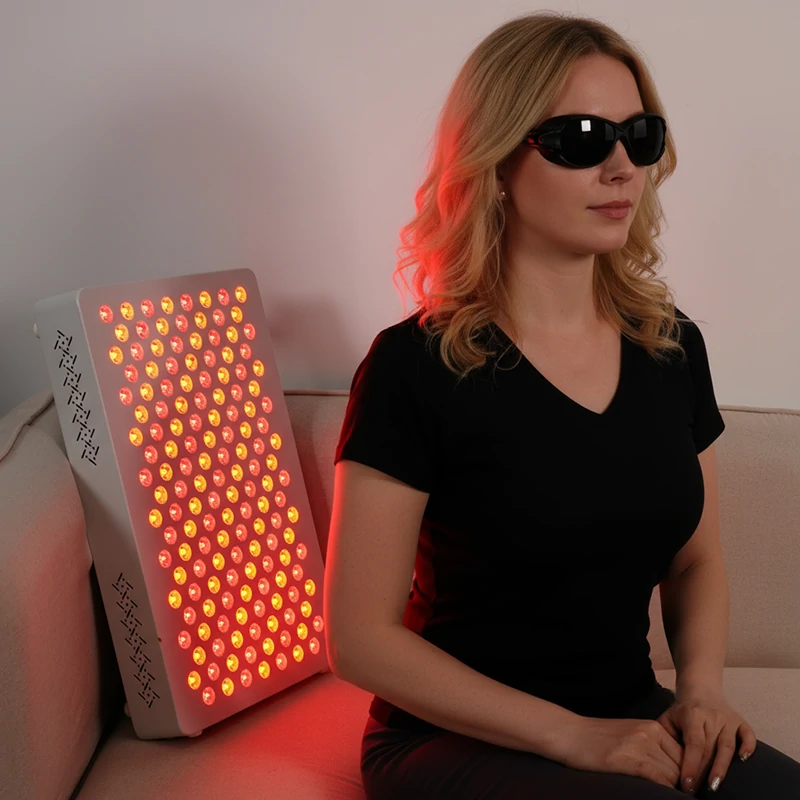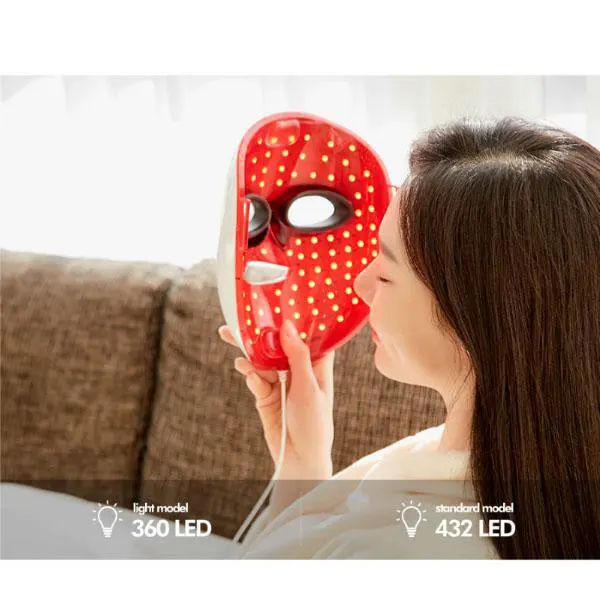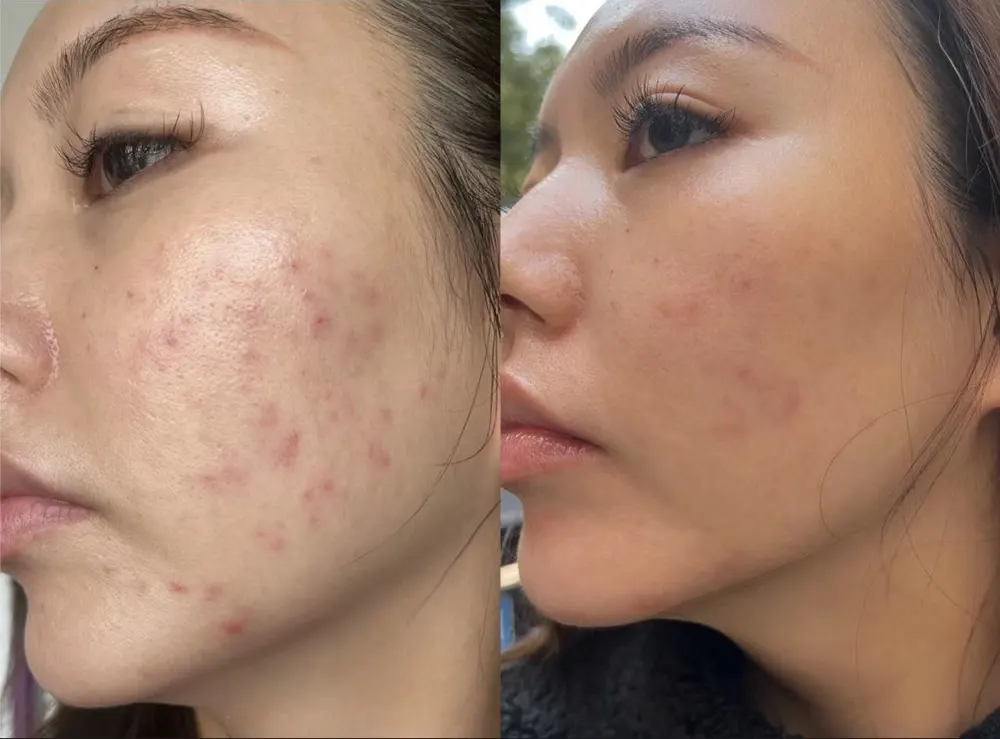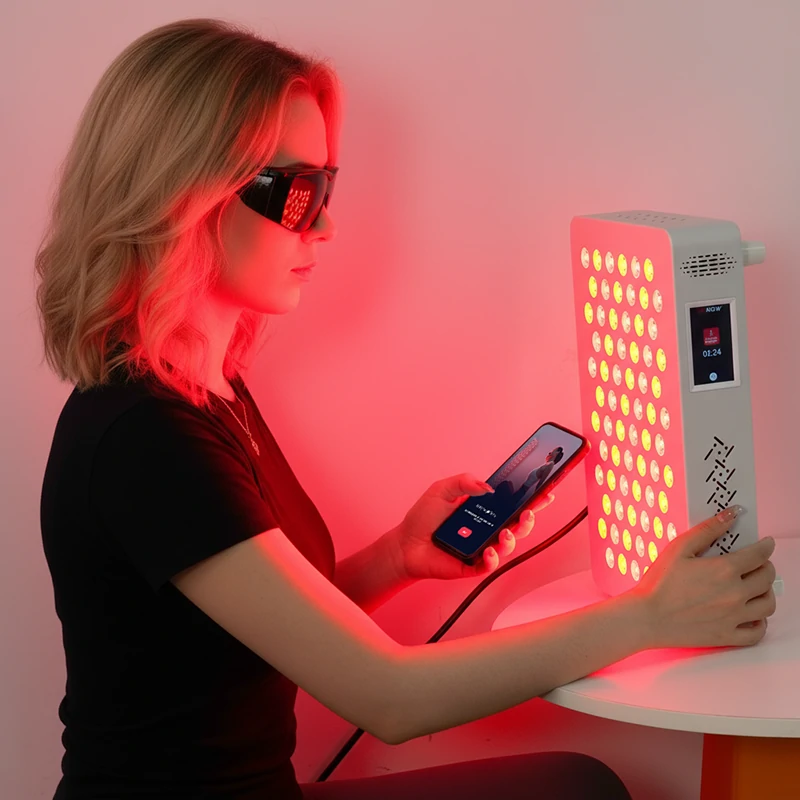
Thérapie par la lumière rouge (RLT), also known as low-level light therapy (LLT) ou photobiomodulation, has rapidly gained popularity for its benefits in skin health, récupération musculaire, pain relief, and even hair regrowth. But as its use expands, a more sensitive and important question is emerging:
Is red light therapy safe for testicles—and could it actually improve sperm count?
If you’re considering using red light therapy near the groin area, this guide will walk you through the science, safety concerns, potential benefits, and best practices—so you can make an informed decision.
What Is Red Light Therapy?
Red light therapy uses specific wavelengths of light—typically 630–660 nm (feu rouge) et 800–850 nm (near-infrared light)—to penetrate the skin and stimulate cellular activity.
At a cellular level, it works by:
- Boosting mitochondrial function
- Increasing ATP (énergie) production
- Reducing oxidative stress
- Enhancing blood circulation
These effects are what make RLT beneficial for healing and tissue regeneration—but they also raise questions about its impact on delicate reproductive organs.
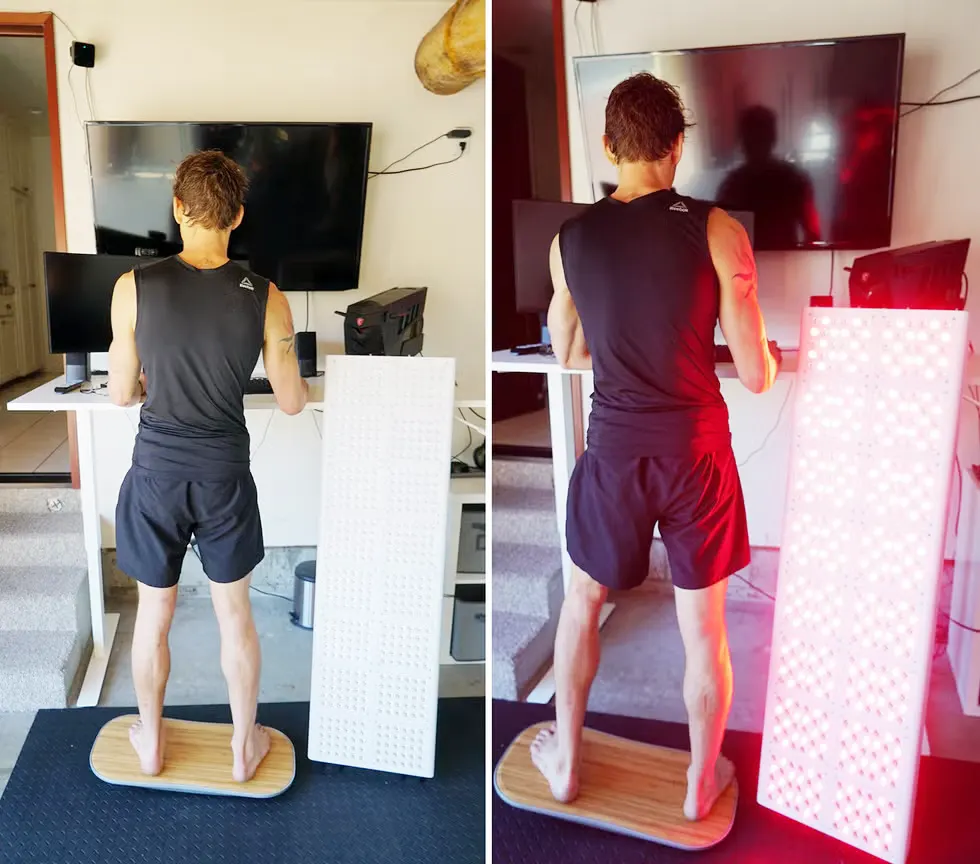
Is Red Light Therapy Safe for Testicles?
The Proposed Benefits
Proponents of testicular RLT point to a small but compelling body of research. The testicles are densely packed with mitochondria, the cellular components that generate energy. Red and near-infrared light (typically 630–660 nm and 810–850 nm) penetrates tissue to stimulate mitochondrial function. Several animal studies and a few human pilot studies suggest that low-level laser therapy may improve sperm motility, reduce oxidative stress in the testes, and temporarily increase serum testosterone levels.
The theory is that by reducing inflammation and improving blood flow to the gonads, RLT can counteract the oxidative damage caused by factors like age, heat exposure, or environmental toxins.
👉You may also like what to look for in red light therapy panel
The Safety Concerns
Despite the potential benefits, safety concerns dominate this topic. The testicles are uniquely sensitive to heat and radiation. Spermatogenesis (sperm production) occurs optimally at roughly 2–4°C below core body temperature. Unlike lasers, most consumer red light panels emit some heat. If the energy dosage is too high, the therapeutic window is missed, and the user risks inducing testicular hyperthermia, which can temporarily suppress sperm count.
Furthermore, the long-term effects of repeated light exposure on testicular tissue and germ cells are not yet fully understood. Most clinical studies have utilized low-power lasers for short durations, not the high-powered LED panels commonly used in home settings.
Lack of Human Data
Currently, there are no large-scale, long-term randomized controlled trials examining the safety of chronic testicular RLT in humans. The existing literature consists mostly of animal models (rats and rabbits) and small human studies focused on fertility patients. While these studies have not reported adverse effects like DNA damage or malignancy when using low doses, the absence of evidence is not evidence of absolute safety.
Recommendations for Safe Use
If a man chooses to pursue testicular RLT, strict protocols are essential to mitigate risk:
-
Avoid Heat: Use devices with active cooling (fans) or ensure the panel is far enough away that the sensation is purely light without warmth. The testicles should not feel hot during or after treatment.
-
Dosage: Keep irradiance low. A common safety threshold is a fluence (dose) of 10–20 J/cm² per session. Overdosing can lead to a biphasic dose response, where benefits disappear and damage occurs.
-
Fréquence: Limit sessions to 3–5 times per week for short durations (5–10 minutes).
-
Consult a Physician: Men with existing testicular conditions, a history of cancer, or those currently trying to conceive should speak with a urologist before starting therapy.
Why Testicular Health Matters
The testicles play a critical role in male reproductive health by:
- Producing sperm
- Regulating testosterone levels
Cependant, they are also highly sensitive to environmental factors, especially heat and radiation. Even slight increases in temperature can negatively affect sperm production.
This sensitivity is why many people are cautious about exposing the testicles to any form of energy-based therapy—including red light.
Potential Benefits for Sperm Count and Fertility
Interestingly, emerging research suggests that red light therapy may not only be safe—but potentially beneficial—for male fertility.
1. Improved Sperm Motility
Some clinical studies have shown that red light exposure can:
- Enhance sperm movement (motility)
- Increase ATP production in sperm cells
Since sperm rely heavily on energy to swim effectively, this can directly impact fertility.
2. Increased Testosterone Levels
Red light therapy may stimulate the Leydig cells in the testes, which are responsible for testosterone production.
Higher testosterone levels can lead to:
- Increased sperm production
- Improved libido
- Better overall reproductive health
3. Reduced Oxidative Stress
Oxidative stress is one of the leading causes of poor sperm quality.
RLT helps by:
- Neutralizing free radicals
- Protecting sperm DNA from damage
4. Enhanced Blood Flow
Better circulation means:
- More oxygen and nutrients reach the testicles
- Improved tissue function and recovery
FAQS
Q:Does Red Light Therapy Boost Testosterone?
While low testosterone production, or “Low T” occurs naturally due to aging, two out of 100 men suffer from abnormally low testosterone production, says the American Urology Association. Both men and women can use red light therapy to increase the body’s natural testosterone production.
If you don’t want to undergo testosterone replacement therapy, treatment with red light could help.
Light directly influences the human body, including testosterone levels. The European College of Neuropsychopharmacology conducted a study that showed higher testosterone production, increased sexual desire and sexual satisfaction after study subjects were exposed to bright light therapy.
Other studies on the relationship between light and testosterone indicate that red and near-infrared light can successfully boost testosterone in diabetics. Roughly half of diabetic men experience some sort of sexual dysfunction and infertility.
In another study, red and near-infrared light elevated testosterone levels after five days of 30-minute exposures to 670nm and 808nm light. This was also reportedly without causing any damage to the tissue. Although, we only recommend daily, 20-minute treatments. A short daily session on a regular basis may give you the red light therapy exposure needed to boost testosterone levels naturally.
Q:can you use red light therapy on your testicles?
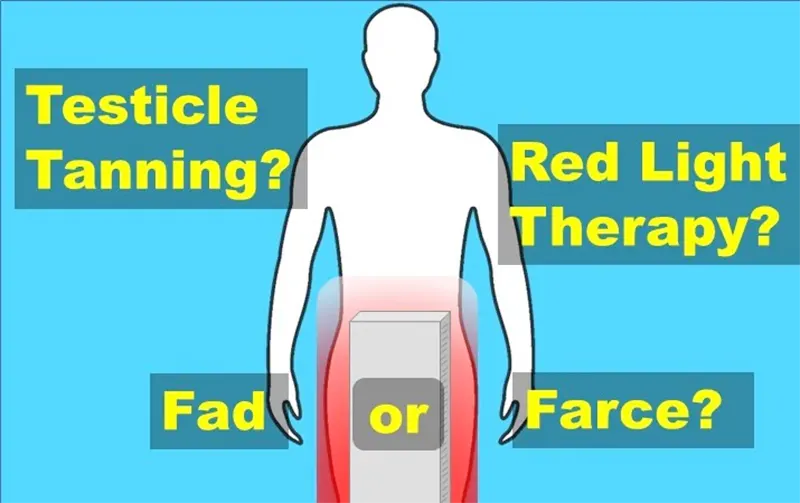
You may have heard of ‘testicle tanning’ as a way to increase testosterone levels. The term is inaccurate. ‘Testicle tanning’ will absolutely not change the pigment of your testicles!
Cependant, shining specific light wavelengths (especially NIR) on the testicles may help contribute to the boosting of testosterone levels naturally.
References
- 1.Ottwell R, Hartwell M, Beswick T, Rogers T, Ivy H, Goodman M, Vassar M. Public Interest in a Potentially Harmful, Non–Evidence-Based “Wellness” Practice: Cross-Sectional Analysis of Perineum Sunning. JMIR Dermatol. 2021 Jan 26;4(1):e24124. doi: 10.2196/24124. [DOI] [PMC free article] [PubMed] [Google Scholar]
- 2.Hyndman R, Khandakar Y. Automatic time series forecasting: the forecast package for R. R-Project. 2008. [2022-09-06].
https://cran.r-project.org/web/packages/forecast/vignettes/JSS2008.pdf
. - 3.Jasuja GK, Bhasin S, Rose AJ. Patterns of testosterone prescription overuse. Curr Opin Endocrinol Diabetes Obes. 2017 Jun;24(3):240–245. doi: 10.1097/MED.0000000000000336. [DOI] [PubMed] [Google Scholar]
- 4.Quann J. Testicle tanning on the rise: The importance of vitamin D. Newstalk. [2022-05-08].
https://www.newstalk.com/news/its-to-get-the-vitamin-d-why-men-are-tanning-their-testicles-1334388
. - 5.Myerson A, Neustadt R. Influence of ultraviolet irradiation upon excretion of sex hormones in the male. Endocrinology. 1939 Jul;25(1):7–12. doi: 10.1210/endo-25-1-7. [DOI] [Google Scholar]
- 6.Ask an expert: Will tanning my balls increase testosterone? Healthy Male. [2022-08-14].
https://www.healthymale.org.au/news/ask-expert-will-tanning-my-balls-increase-testosterone
. - 7.Parikh R, Sorek E, Parikh S, Michael K, Bikovski L, Tshori S, Shefer G, Mingelgreen S, Zornitzki T, Knobler H, Chodick G, Mardamshina M, Boonman A, Kronfeld-Schor N, Bar-Joseph H, Ben-Yosef D, Amir H, Pavlovsky M, Matz H, Ben-Dov T, Golan T, Nizri E, Liber D, Liel Y, Brenner R, Gepner Y, Karnieli-Miller O, Hemi R, Shalgi R, Kimchi T, Percik R, Weller A, Levy C. Skin exposure to UVB light induces a skin-brain-gonad axis and sexual behavior. Cell Rep. 2021 Aug 24;36(8):109579. doi: 10.1016/j.celrep.2021.109579.
https://linkinghub.elsevier.com/retrieve/pii/S2211-1247(21)01013-5
.S2211-1247(21)01013-5 [DOI] [PMC free article] [PubMed] [Google Scholar] - 8.Emamjomeh S. The Effects of Acute Ultraviolet Light Exposure on Post-Resistance Exercise Testosterone Levels in Older Men. Dissertation. California State University. 2018. [2022-09-06].
https://www.proquest.com/openview/b3a8a93c0ba21e2f4e4301fffde01ba9/1?pq-origsite=gscholar&cbl=18750
. - 9.Verhoeven RHA, Aben KKH, van Rossum MM, Reedijk AM, Botterweck AA, Veerbeek L, Visser O, van der Aa MA, Ho VKY, Coebergh JWW, Kiemeney LALM. New insights into the aetiology of scrotal cancer, a nationwide case-control study in the Netherlands. J Eur Acad Dermatol Venereol. 2014 Jan;28(1):65–71. doi: 10.1111/jdv.12056. [DOI] [PubMed] [Google Scholar]
- 10.Zhou Y, Meng T, Wu L, Duan Y, Li G, Shi C, Zhang H, Peng Z, Fan C, Ma J, Xiong C, Bao W, Liu Y. Association between ambient temperature and semen quality: A longitudinal study of 10 802 men in China. Environ Int. 2020 Feb;135:105364. doi: 10.1016/j.envint.2019.105364.
https://linkinghub.elsevier.com/retrieve/pii/S0160-4120(19)31519-3
.S0160-4120(19)31519-3 [DOI] [PubMed] [Google Scholar]