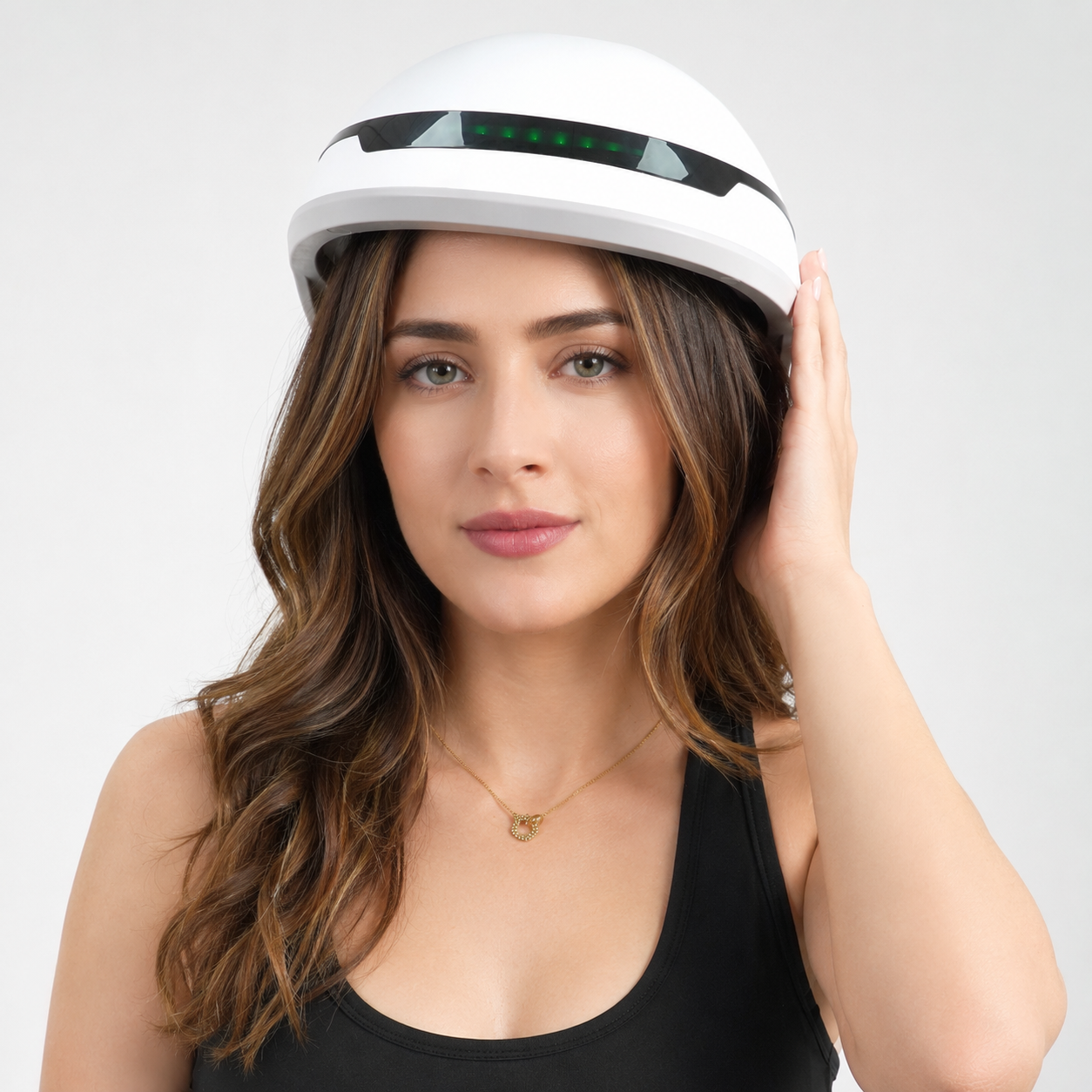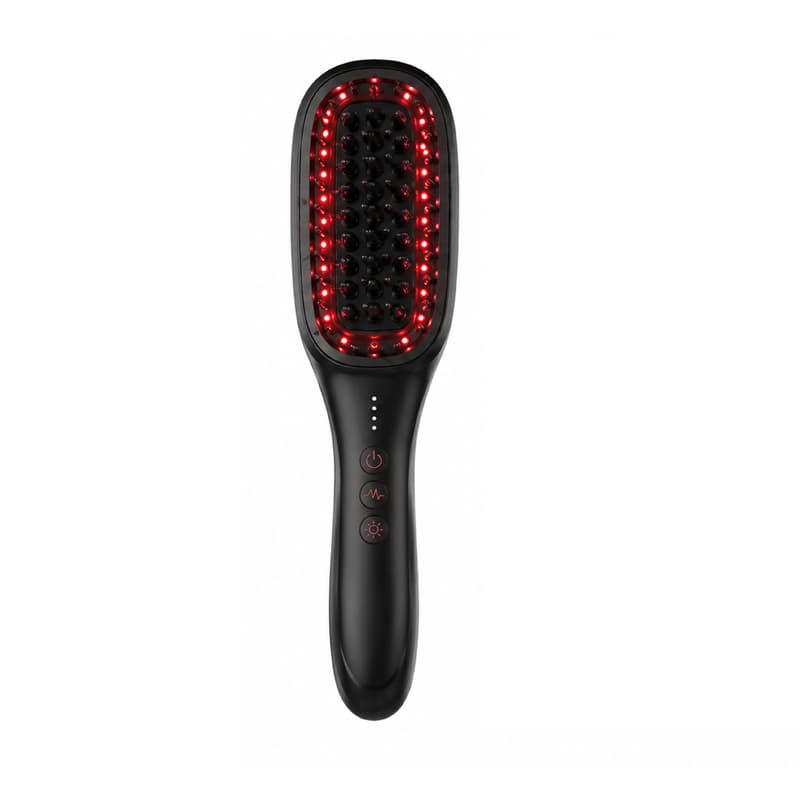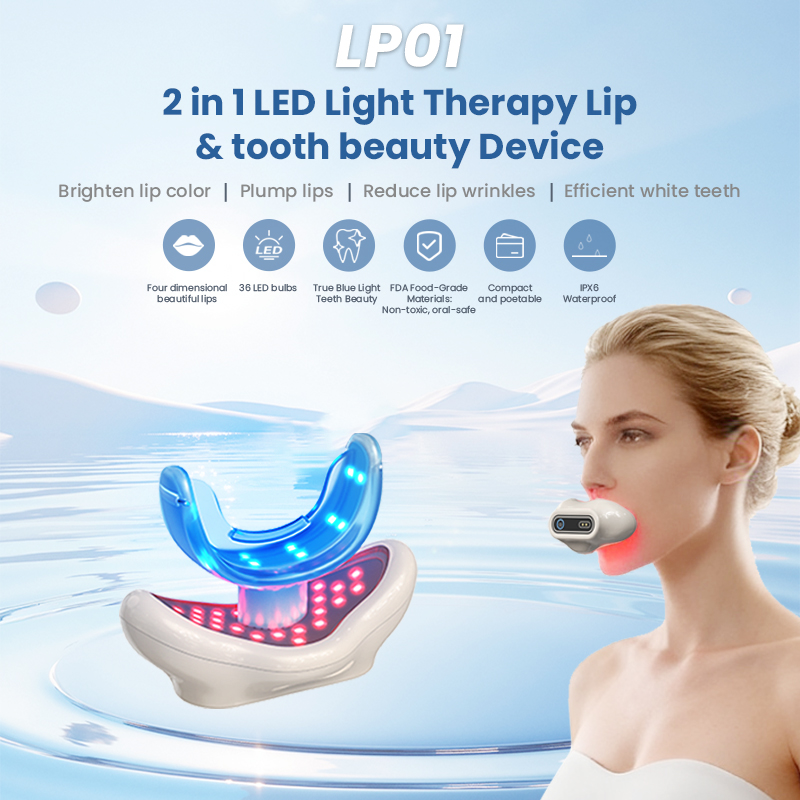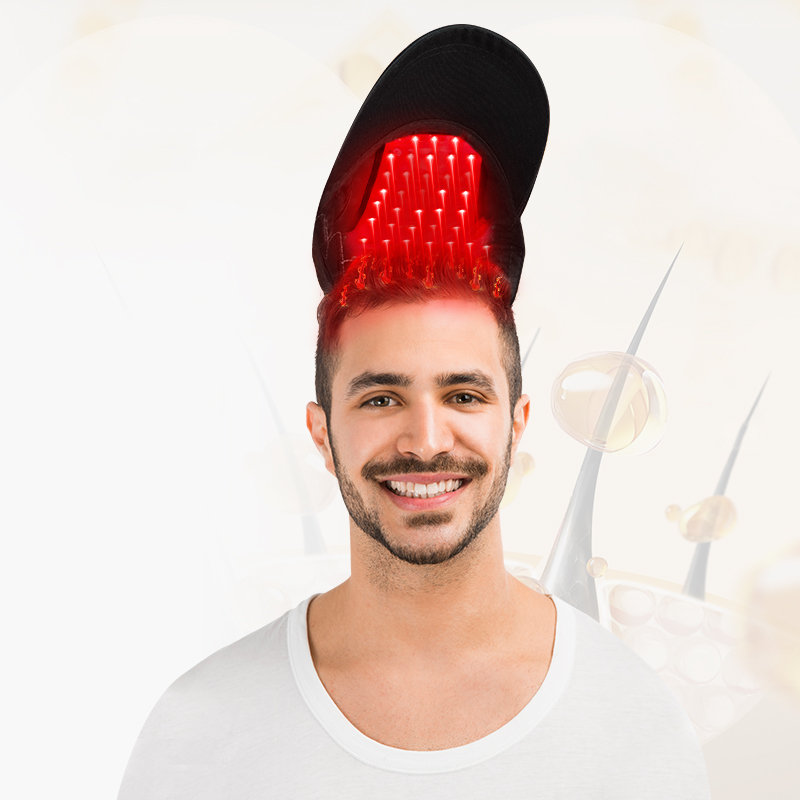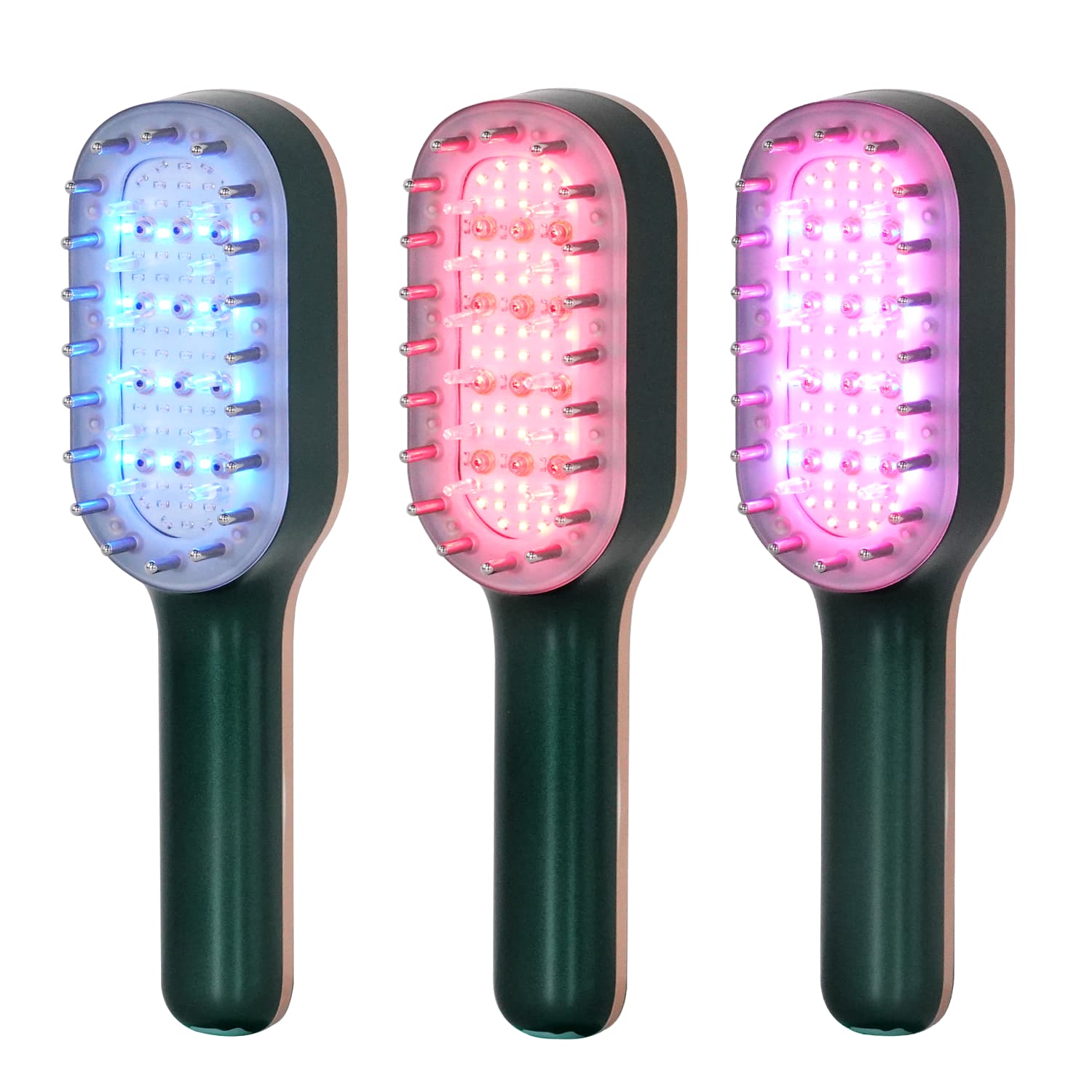
La perte de cheveux touche des millions de personnes dans le monde, susciter une forte demande de produits sûrs, des solutions non invasives pouvant être utilisées à la maison ou en milieu professionnel. Parmi les technologies les plus prometteuses figure thérapie par la lumière laser et LED, en particulier les appareils conçus comme des casquettes ou des casques portables.
Pour les marques, distributeurs, et cliniques, choisir le bon Fabricant de capuchons de croissance de cheveux à LED laser est essentiel, non seulement pour la qualité du produit, mais également pour sa conformité, performance, et un succès commercial à long terme. L'un des facteurs techniques les plus importants dans cette catégorie est le 650spécification de longueur d'onde nm, largement reconnu pour son efficacité à stimuler les follicules pileux.
Cet article donne un aperçu complet de:
- Comment fonctionne la thérapie laser/LED 650 nm
- Spécifications clés à évaluer
- Normes de fabrication et considérations OEM/ODM
- Tendances du marché et opportunités commerciales
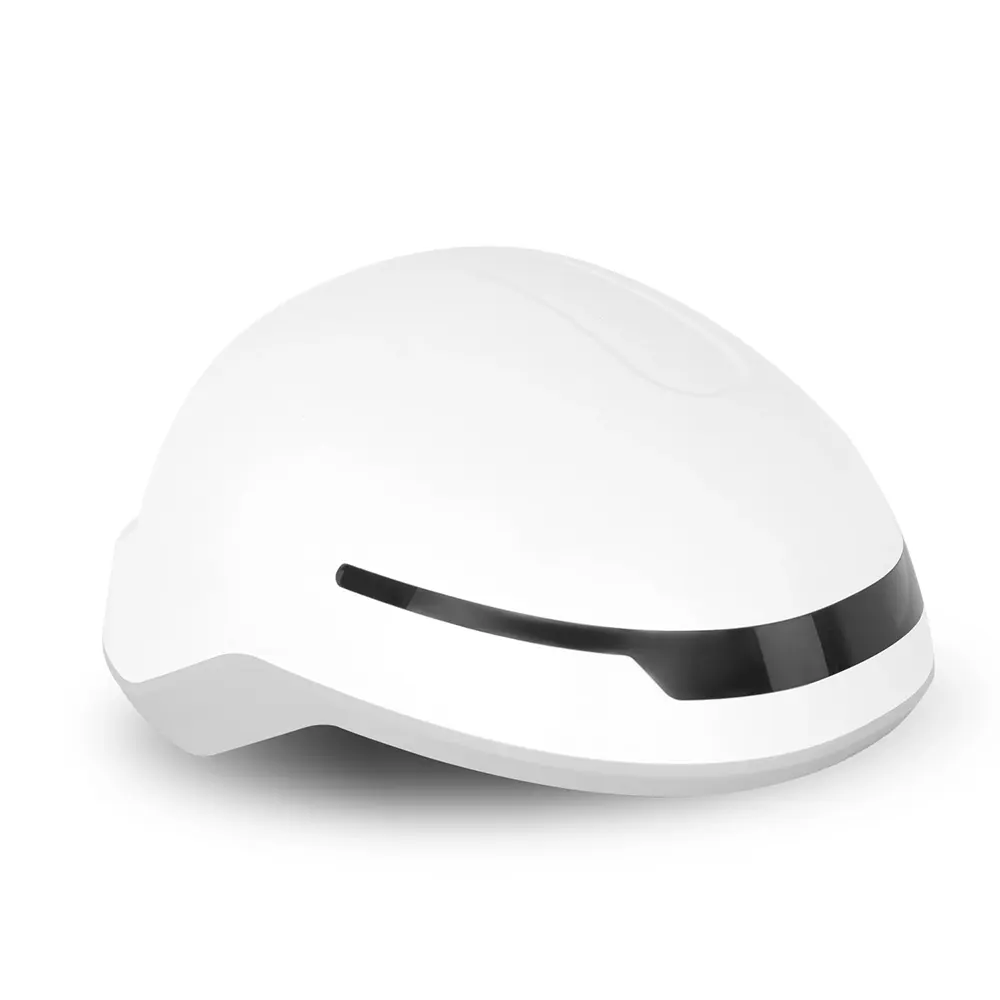
Comprendre la longueur d'onde de 650 nm dans la thérapie pour la croissance des cheveux
Qu'est-ce que 650 nm?
Le 650longueur d'onde nm fait partie du spectre de la lumière rouge et est l'une des longueurs d'onde les plus étudiées en photobiomodulation (PBM) pour la repousse des cheveux.
Pourquoi 650 nm est efficace
La recherche et les applications cliniques ont montré que la lumière de 650 nm peut:
- Pénètre efficacement le cuir chevelu
- Stimuler les cellules du follicule pileux (papille cutanée)
- Augmenter l'ATP (production d'énergie cellulaire)
- Améliorer la circulation sanguine autour des follicules
- Prolonger l'anagène (croissance) phase de cheveux
Ces effets biologiques font du 650 nm un choix standard pour appareils de croissance des cheveux au laser.
Laser vs LED dans les bouchons de croissance des cheveux
Les bouchons de croissance des cheveux utilisent généralement soit diodes laser, LED, ou une combinaison des deux.
Diodes laser
- Lumière plus concentrée et cohérente
- Ciblage de plus grande précision
- Souvent utilisé dans les appareils haut de gamme
LED
- Répartition de la lumière plus large
- Coût inférieur
- Adapté aux produits grand public
Systèmes hybrides
De nombreux appareils modernes combinent les deux pour équilibrer:
- Performance
- Rentabilité
- Couverture
Spécifications clés d’un bonnet de croissance capillaire de haute qualité
Lors de l'évaluation d'un fabricant, les spécifications suivantes sont essentielles:
1. Précision de la longueur d'onde
- Standard: 650nm ±5 nm
- Assure un effet thérapeutique constant
2. Puissance de sortie
- Typiquement 5mW par diode (±20%)
- Doit respecter les normes de sécurité
3. Nombre de sources lumineuses
- S'étend de 50 à 300+ diodes
- Densité plus élevée = meilleure couverture du cuir chevelu
4. Temps de traitement
- Généralement 10–20 minutes par séance
- Conçu pour le confort de l'utilisateur
5. Conception de la couverture
- Répartition uniforme sur le cuir chevelu
- Pas de « zones mortes »
6. Classement de sécurité
- La plupart des appareils relèvent Laser de classe II
- Garantit une utilisation sûre pour le consommateur
Exemple d'appareil de qualité professionnelle
Une solution haut de gamme typique comprend:
- 650sortie de longueur d'onde nm
- 200 réseau de diodes laser
- 5mW par puissance de diode
- Conception ergonomique légère
- Système de batterie rechargeable
Ces spécifications sont couramment utilisées dans les produits OEM/ODM ciblant les marchés mondiaux.
Normes de fabrication et certifications
Pour les marchés internationaux, la conformité est essentielle.
Certifications clés:
- FDA (NOUS.)
- CE (Europe)
- RoHS
- FCC
Pourquoi la conformité est importante:
- Entrée légale sur le marché
- Confiance des consommateurs
- Responsabilité réduite
Un fabricant fiable doit fournir une documentation complète et des rapports de tests.
Services de fabrication OEM/ODM
Pour les marques entrant sur le marché des appareils pour la pousse des cheveux, Les services OEM/ODM sont cruciaux.
OEM (Fabricant d'équipement d'origine)
- Produit standard avec votre marque
- Une mise sur le marché plus rapide
ODM (Fabricant de conception originale)
- Conception et spécifications personnalisées
- Différenciation unique des produits
Options de personnalisation:
- Logo et emballage
- Intégration d'applications
- Capacité de la batterie
- Nombre de diodes
- Conception et matériaux
Considérations de conception pour les bouchons de croissance des cheveux
Ergonomie
- Léger (généralement 500 à 800 g)
- Confortable pour un port prolongé
Ventilation
- Prévenir la surchauffe
- Améliorer l'expérience utilisateur
Système de batterie
- Batterie au lithium rechargeable
- 3000–Plage commune de 5000 mAh
Fonctionnalités intelligentes
- Contrôle de la minuterie
- Invites vocales
- Arrêt automatique
Tendances du marché dans 2026
Le marché des appareils pour la croissance des cheveux est en pleine expansion.
Tendances clés:
- Une demande accrue pour appareils à usage domestique
- Croissance en marchés du toilettage pour hommes et des soins capillaires pour femmes
- Intérêt croissant pour solutions non médicamenteuses
- Intégration avec technologie portable
Croissance régionale:
- L’Amérique du Nord et l’Europe restent des marchés solides
- L'Asie-Pacifique affiche une croissance rapide en raison des tendances en matière de beauté
Opportunités B2B pour les marques et les distributeurs
Les bonnets pour la pousse des cheveux sont très attractifs pour les acheteurs B2B en raison de:
Forte demande
- Large base d'utilisateurs mondiale
- Utilisation récurrente
Des marges fortes
- Positionnement premium possible
- Production évolutive
Divers canaux de vente
- Commerce électronique (Amazone, Shopify)
- Cliniques et salons
- Distributeurs médicaux
Comment choisir le bon fabricant
1. Expertise technique
- Expérience dans les appareils de photobiomodulation
- R fort&Capacités D
2. Capacité de production
- Capacité à gérer des commandes groupées
- Contrôle de qualité cohérent
3. Assistance aux certifications
- Documentation complète
- Assistance à la mise en conformité
4. Flexibilité de personnalisation
- Options OEM/ODM
- Assistance en matière de conception et de marque
5. Service après-vente
- Politiques de garantie
- Assistance technique
Erreurs courantes à éviter
- ❌ Choisir des LED de mauvaise qualité avec des longueurs d'onde imprécises
- ❌ Ignorer les certifications de sécurité
- ❌ Se concentrer uniquement sur le prix plutôt que sur la performance
- ❌ Surveiller la couverture et le nombre de diodes
- ❌ Travailler avec des fabricants inexpérimentés
Perspectives d'avenir
L’avenir des bouchons de croissance des cheveux à LED laser comprend:
- Programmes de traitement basés sur l'IA
- Intégration d'applications mobiles
- Thérapies combinées (laser + microcourant)
- Portabilité et conception améliorées
Les fabricants qui investissent dans l’innovation et la qualité domineront le marché.
Conclusion
Le 650spécification de longueur d'onde nm reste la référence en matière de technologie de croissance des cheveux au laser, offrant des bienfaits prouvés pour stimuler les follicules pileux et favoriser la repousse.
Pour les marques et les distributeurs, sélectionner le bon Fabricant de capuchons de croissance de cheveux à LED laser est essentiel pour assurer:
- Efficacité du produit
- Conformité réglementaire
- Compétitivité du marché
En se concentrant sur des spécifications clés telles que la précision de la longueur d'onde, puissance de sortie, nombre de diodes, et certifications, les entreprises peuvent réussir à entrer et à évoluer dans ce secteur à croissance rapide.
Alors que la demande continue d'augmenter, de haute qualité, des solutions personnalisables définiront la prochaine génération d'appareils pour la croissance des cheveux, ce qui en fait le moment idéal pour investir dans cette technologie.