Si vous êtes propriétaire d'une marque, distributeur, ou un opérateur de clinique recherchant des appareils pour la croissance des cheveux à lumière rouge, vous savez déjà que tous les produits ne sont pas créés égaux. Mais qu'est-ce qui différencie exactement un best-seller d'un entrepôt rempli de retours?
La réponse réside dans les fonctionnalités qui intéressent réellement les consommateurs finaux et que les détaillants et les plateformes de commerce électronique utilisent pour évaluer la qualité des produits.. Que vous vous approvisionniez en peignes laser, Casques LED, ou bouchons LLLT haut de gamme, comprendre ces principales priorités des acheteurs vous aidera à choisir le bon fournisseur et à créer un produit qui se vend.
Vous trouverez ci-dessous les sept caractéristiques les plus critiques que les acheteurs avertis exigent aujourd’hui dans les appareils de croissance des cheveux de couleur rouge..
1. Longueur d'onde optimale: 650nm Rouge + 850nm Proche infrarouge
La longueur d’onde est le paramètre technique le plus important pour l’efficacité. La littérature clinique souligne systématiquement 650feu rouge comme référence en matière de stimulation des follicules pileux au niveau du cuir chevelu. Cette longueur d'onde pénètre environ 5 à 6 mm dans le derme, atteindre le bulbe pileux où l'activité métabolique stimule la croissance des cheveux.
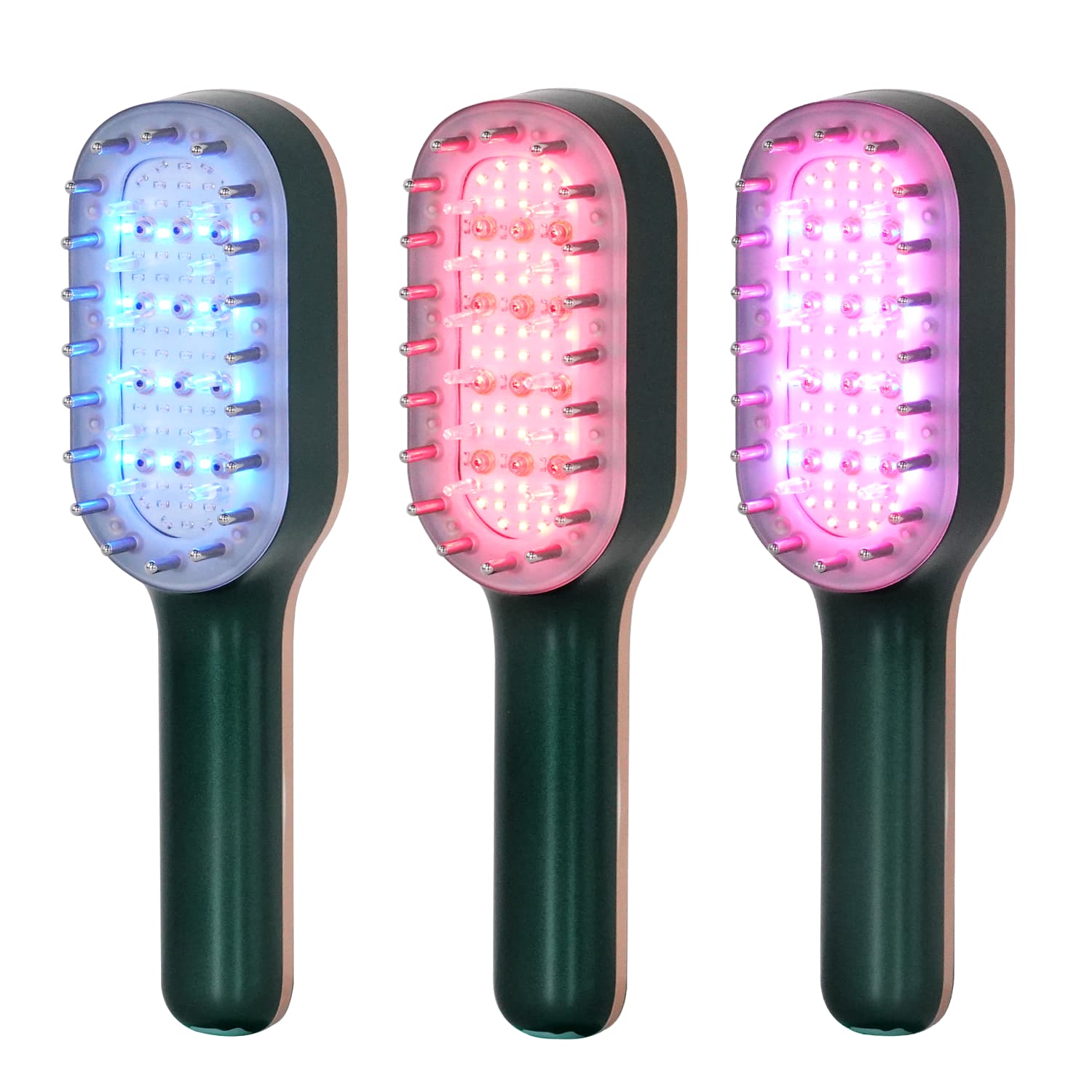
Cependant, les acheteurs sophistiqués recherchent maintenant systèmes à double longueur d'onde qui combinent le rouge 650 nm avec 850nm proche infrarouge (NIR) . Pourquoi? La lumière proche infrarouge pénètre plus profondément, jusqu'à 2 à 3 cm, ciblant le tissu sous-cutané et améliorant le flux sanguin vers la racine du follicule.. UN 2024 L'analyse du marché de l'industrie des chapeaux pour la croissance des cheveux au laser a révélé que les appareils hybrides offrant les deux longueurs d'onde gagnent en popularité., car ils offrent une couverture thérapeutique plus large.
Que demander à votre fournisseur: L'appareil offre-t-il uniquement du 650 nm pur ?, ou une combinaison de 650 nm et 850 nm? Quelle est la tolérance de longueur d'onde (± 5 nm est excellent, ± 10 nm est acceptable)?
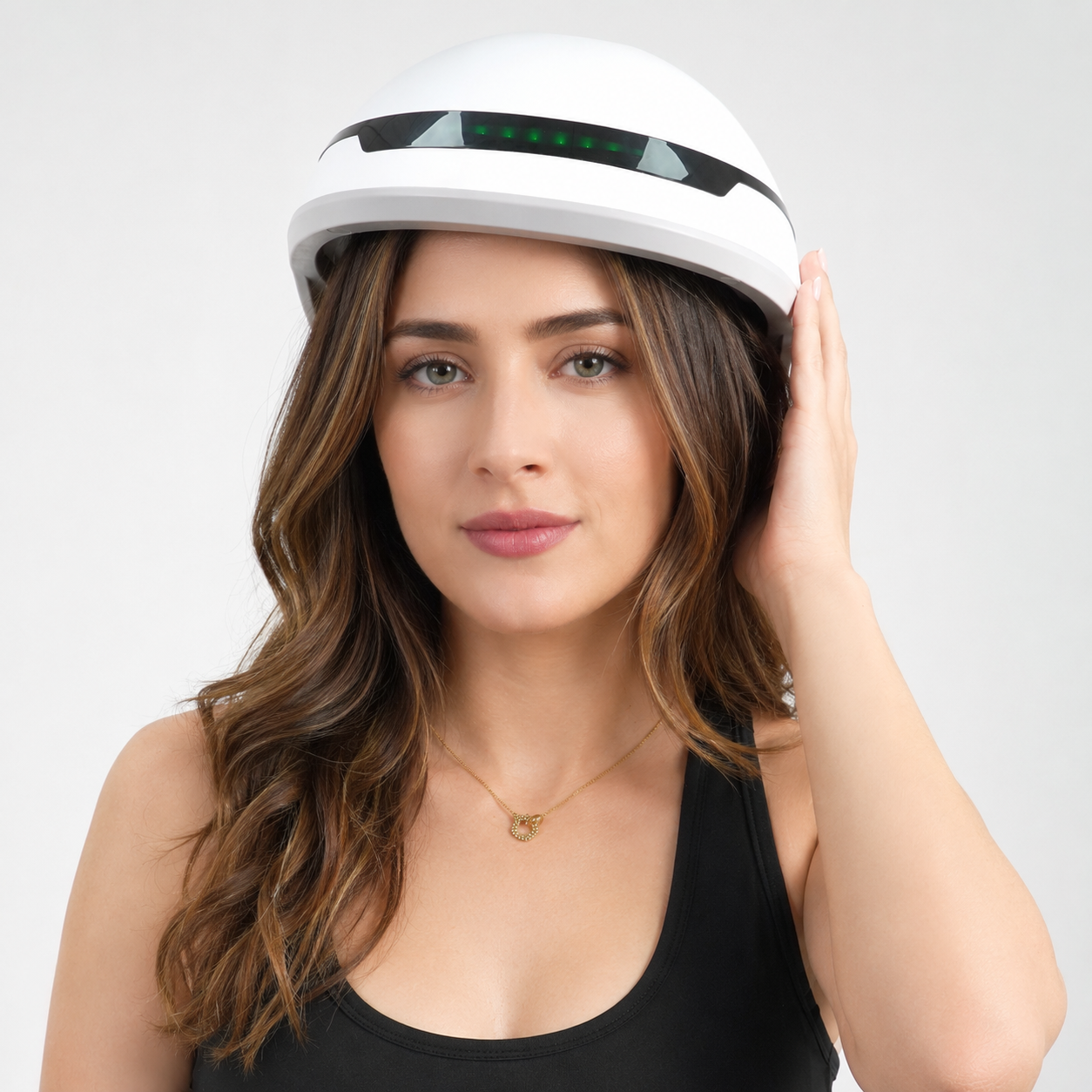
Série de casques LED To2 Laser de PureLuxtech, Par exemple, offre précisément cette approche hybride: 650Thérapie laser de bas niveau nm associée à une photobiomodulation LED 630 nm et 850 nm, couvrant à la fois les cibles tissulaires superficielles et plus profondes.
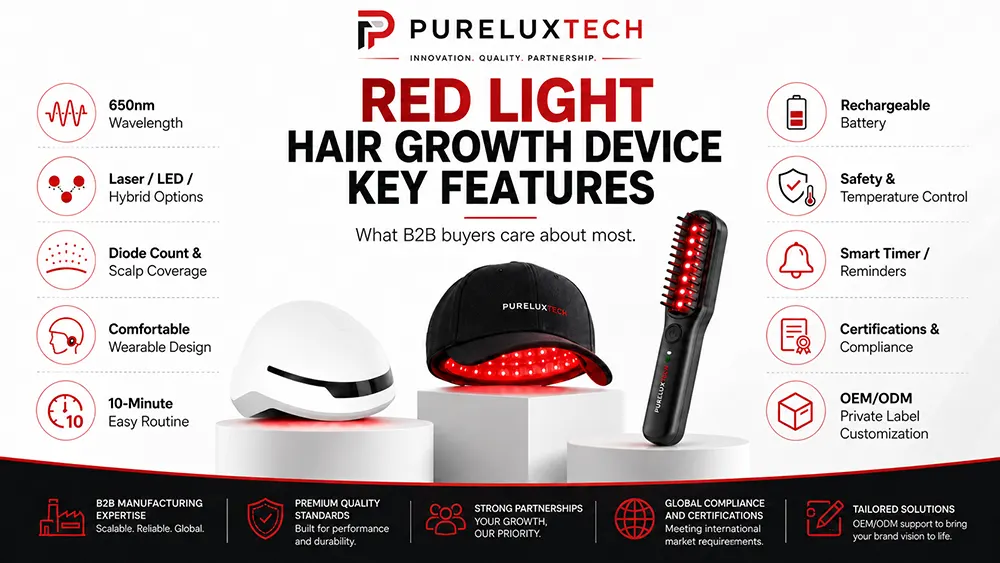
2. Densité de puissance et nombre de diodes (Plus n’est pas toujours mieux, mais…)
Les acheteurs se concentrent souvent sur le nombre de diodes, et pour cause: plus de diodes signifie généralement des temps de traitement plus rapides et une couverture plus uniforme du cuir chevelu. Mais la densité de puissance, mesurée en mW/cm²- est tout aussi important. Un appareil avec 200 diodes faibles (1mW chacun) peut en fait sous-performer un appareil avec 80 diodes de qualité médicale (5–10 mW chacun).
Références de l'industrie:
-
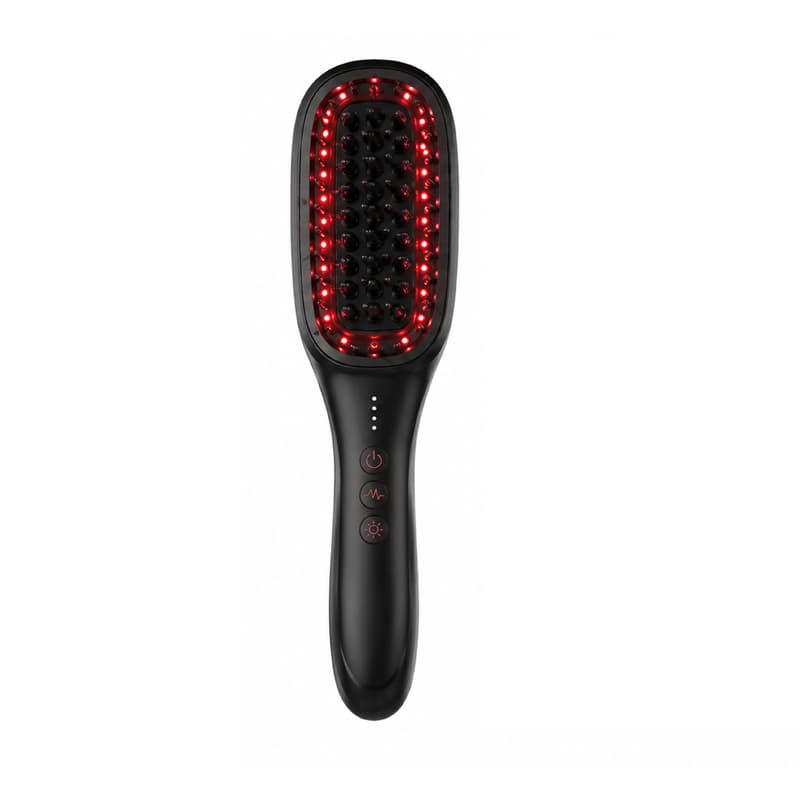
Peignes d'entrée de gamme: 7–12 diodes, 3–5 mW par diode
-
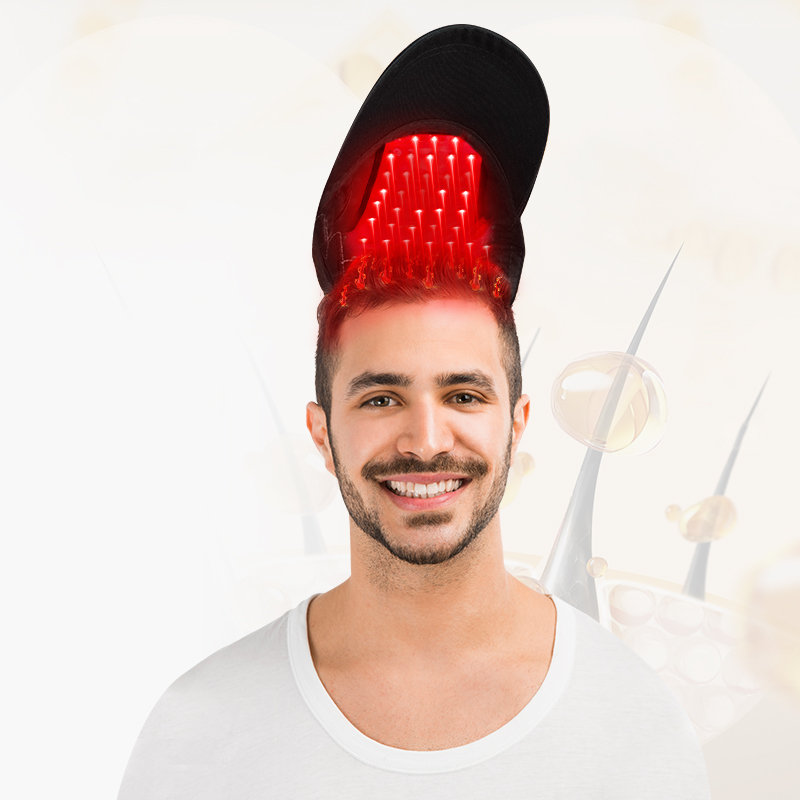
Casquettes milieu de gamme: 50–100 diodes, 5mW par diode
-
Casques haut de gamme: 200+ diodes, 5–10 mW par diode
Les acheteurs professionnels recherchent un densité de puissance d'au moins 3 à 5 mW par diode et une puissance optique totale qui garantit que chaque centimètre carré du cuir chevelu reçoit suffisamment d'énergie (typiquement >1.5 Joules par session).
Pour un conseil: Demandez à votre fournisseur la densité de puissance optique mesurée au niveau du cuir chevelu, pas seulement les spécifications des diodes. Certains fabricants gonflent les chiffres en mesurant à l'ouverture du laser.
3. Couverture complète du cuir chevelu et conception ergonomique
Un capuchon laser qui ne s'ajuste pas correctement ou laisse de grands espaces non traités donnera de mauvais résultats et générera de mauvaises critiques.. Les acheteurs veulent des appareils conçus pour ajustement universel avec bretelles réglables, cadres internes flexibles, et construction légère (sous 1 kg est idéal pour le confort pendant des séances de 20 à 30 minutes).
Éléments de conception clés à évaluer:
-
Disposition interne: Les diodes doivent être réparties sur toute la couronne, sommet, frontale, et zones temporelles – non regroupées au centre.
-
Rapport laser/LED: Pour les appareils hybrides, les acheteurs recherchent un équilibre réfléchi (par ex., 80% diodes laser pour une pénétration profonde, 20% LED pour circulation de surface).
-
Répartition du poids: Les casques très lourds provoquent des tensions au cou. Les conceptions équilibrées avec des batteries ou des sangles montées à l'arrière améliorent le confort.
La série de casques PureLuxtech est construite avec des bandeaux réglables et une répartition ergonomique du poids, garantir la conformité pendant tout le cycle de traitement, car un appareil posé sur une étagère ne génère aucun résultat.
4. Certifications qui permettent l'accès au marché
Dans notre guide précédent, nous avons détaillé le paysage de la certification. Pour les acheteurs B2B, FDA 510(k) autorisation et Certification MDSAP sont souvent des préalables non négociables. Ces documents prouvent que l'appareil a satisfait à des normes rigoureuses de sécurité et d'efficacité., réduisant considérablement le fardeau réglementaire de l'acheteur.
Ce que les acheteurs vérifient:
-
Le numéro de liste FDA correspond au modèle spécifique (pas seulement l'enregistrement générique de l'usine)
-
Certificat CE MDR pour la distribution dans l'UE
-
Conformité RoHS et REACH pour la sécurité environnementale
-
CEI 60601 tests de sécurité électrique
Un fournisseur incapable de produire du courant, les certificats spécifiques à un modèle sont automatiquement exclus d'un examen sérieux.
5. Autonomie de la batterie et commodité de chargement
Les appareils de croissance des cheveux sont utilisés à la maison, souvent en regardant la télévision ou en lisant au lit. Les appareils filaires sont de plus en plus rejetés par les consommateurs. Les acheteurs donnent la priorité Piles au lithium rechargeables par USB avec au moins 6 à 8 cycles de traitement par charge complète (une casquette typique utilise 20 à 30 minutes par session, 3–4 fois par semaine).
Fonctionnalités spécifiques qui déterminent les décisions d'achat:
-
Capacité de la batterie: 2000–3000mAh est la norme pour les bouchons premium.
-
Temps de charge: 2–3 heures pour une charge complète.
-
Protection contre les surcharges et Homologation UN38.3 pour un transport aérien en toute sécurité.
-
Utilisation directe: L'appareil peut-il être utilisé pendant le chargement? (Une fonctionnalité de sauvegarde précieuse.)
Les acheteurs vérifient également que la batterie est remplaçable par l'utilisateur (avec connecteurs standards) prolonger la durée de vie des produits – une préoccupation croissante en matière de durabilité parmi les marques soucieuses de l’environnement.
6. Fonctionnalités intelligentes: Minuteries, Arrêt automatique, et connectivité des applications
Les consommateurs modernes attendent de la commodité. Les appareils de croissance des cheveux les plus efficaces comprennent:
-
Minuteries de traitement prédéfinies: Démarrage à un bouton avec arrêt automatique après 20 à 30 minutes. Aucune hypothèse de l'utilisateur.
-
Rappels de séances: Alertes visuelles ou sonores lorsqu'un traitement est dû.
-
Intégration d'applications Bluetooth: Suivre le temps d'utilisation cumulé, respect des horaires, et photos d'avancement. Les applications permettent également des mises à jour du micrologiciel et des analyses d'utilisation pour la marque.
Cependant, les acheteurs doivent être prudents: le développement d'applications ajoute des coûts et de la complexité. Une application mal conçue peut créer plus de tickets d’assistance qu’elle n’en résout. Les acheteurs intelligents recherchent simple, fonctionnalité d'application stable—le suivi de l'utilisation et les rappels sont suffisants; les diagnostics complexes de l’IA sont souvent excessifs.
PureLuxtech propose le développement d'applications OEM dans le cadre de ses services de personnalisation, avec des interfaces claires qui privilégient la fiabilité plutôt que les gadgets.
7. Caractéristiques de sécurité: Protection contre la surchauffe et capteurs cutanés
La sécurité n'est pas une option. Les acheteurs avertis vérifient spécifiquement:
-
Protection contre la surchauffe: Capteurs thermiques qui arrêtent automatiquement l'appareil si les températures internes dépassent les limites de sécurité.
-
Capteurs de contact: De nombreux peignes laser nécessitent un contact avec le cuir chevelu avant que les lasers ne s'activent., prévenir l’exposition accidentelle des yeux. Pour les casques, lunettes de sécurité laser ou lunettes de protection devrait être inclus dans le paquet.
-
Classement laser classe 3R selon CEI 60825-1, avec des étiquettes d'avertissement appropriées.
Ces fonctionnalités protègent non seulement les utilisateurs finaux, mais réduisent également le risque de responsabilité pour votre marque.. Il est connu qu'Amazon et d'autres marchés suspendent les listes d'appareils ne disposant pas d'informations de sécurité de base..
Pourquoi ces fonctionnalités sont importantes pour votre marque
En tant qu'acheteur, chaque fonctionnalité que vous sélectionnez a un impact direct sur votre:
-
Satisfaction du client: Efficace, confortable, les appareils sécurisés génèrent des achats et des références répétés.
-
Taux de retour: Une mauvaise couverture ou des lasers faibles entraînent des plaintes et des rétrofacturations pour « aucun résultat ».
-
Conformité réglementaire: Des dispositifs de sécurité manquants peuvent bloquer complètement l’accès au marché.
-
Réputation de la marque: Dans la catégorie croissance des cheveux, le bouche à oreille est tout. Un seul produit bien conçu peut construire une marque; un seul mauvais peut le détruire.
Rassembler tout cela: Votre liste de contrôle des fonctionnalités
Lors de l'évaluation d'un appareil de croissance des cheveux à lumière rouge pour votre marque, utilisez cette liste de contrôle:
-
✅ Longueur d'onde: 650nm (±10 nm) avec NIR 850 nm en option
-
✅ Pouvoir: 5–10 mW par diode, densité de puissance ≥3mW/cm² au niveau du cuir chevelu
-
✅ Couverture: Répartition complète du cuir chevelu, ajustement réglable, <1kg poids
-
✅ Certifications: FDA 510(k), MDSAP, CE MDR, RoHS, FCC
-
✅ Batterie: Rechargeable par USB, 6+ séances par charge, ONU38.3
-
✅ Contrôles: Minuterie automatique (20–30 minutes), protection contre la surchauffe
-
✅ Fonctionnalités intelligentes: Suivi des applications en option (écurie, simple)
-
✅ Sécurité: Capteurs de contact ou protections oculaires, Etiquettes classe 3R
Où s’intègre PureLuxtech
PureLuxtech a conçu sa série de casques To2 Laser LED pour atteindre ou dépasser toutes les fonctionnalités énumérées ci-dessus.. De l'architecture hybride à double longueur d'onde aux variantes approuvées par la FDA et au système qualité certifié MDSAP, l'entreprise offre ce que les acheteurs avertis exigent, sans aucune conjecture.
Que vous ayez besoin d'une solution en marque blanche prête à être distribuée immédiatement ou d'une conception OEM entièrement personnalisée avec l'application et le boîtier de votre marque., L'usine intégrée verticalement de 8 000㎡ de PureLuxtech et sa capacité annuelle de 300 000 unités garantissent une qualité constante à grande échelle.
Pensée finale
Le marché de la croissance des cheveux roux mûrit rapidement. Les consommateurs sont devenus informés : ils lisent les avis, comparer les spécifications, et exigez une preuve. Les marques qui gagneront seront celles qui s'approvisionneront en appareils dotés de fonctionnalités cliniquement significatives., pas des contrefaçons bon marché avec des LED cosmétiques.
Choisissez soigneusement vos fonctionnalités. Choisissez encore plus soigneusement votre fournisseur. Et testez toujours avant de vous engager.