Red light therapy, also known as photobiomodulation or low-level light therapy, includes both visible red light, which targets more superficial layers of the skin, as well as invisible near-infrared light, which is able to penetrate deeper. When these lights hit the skin at specific wavelengths, the light particles, or photons, penetrate beneath the surface of the skin. There, they are absorbed by a specific protein inside the mitochondria called cytochrome c oxidase. This leads to increased production of ATP (adenosine triphosphate), activation of the body’s antioxidant defenses to reduce oxidative stress, and release of nitric oxide, which improves blood vessel function and tissue repair. With this energy boost, cells can perform their functions more efficiently, including repair and regeneration. At least in the skin, this also improves circulation and reduces inflammation.
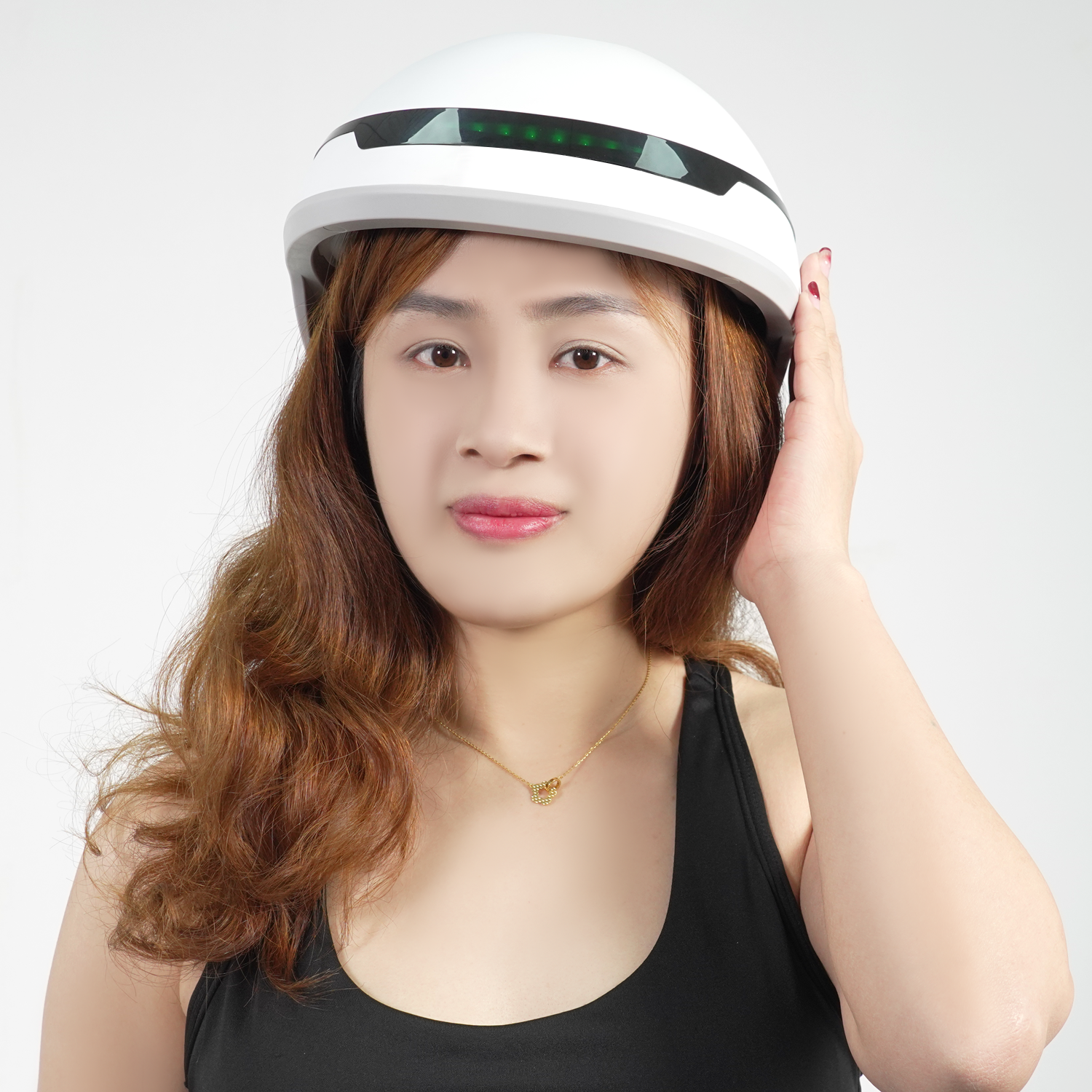
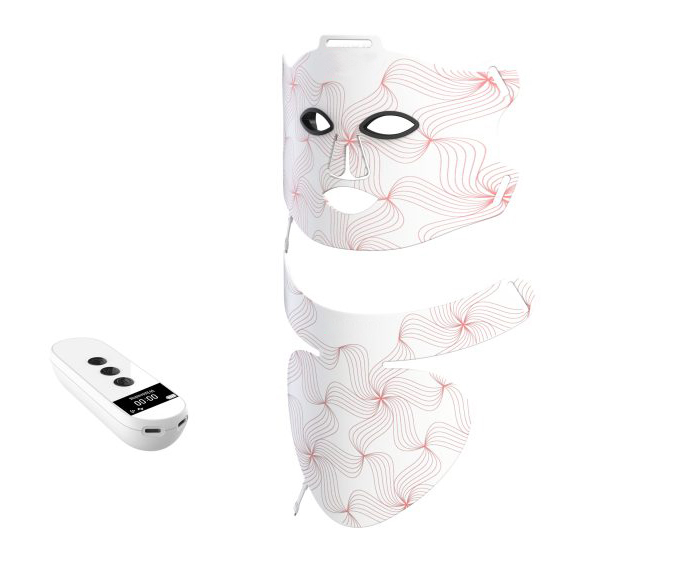
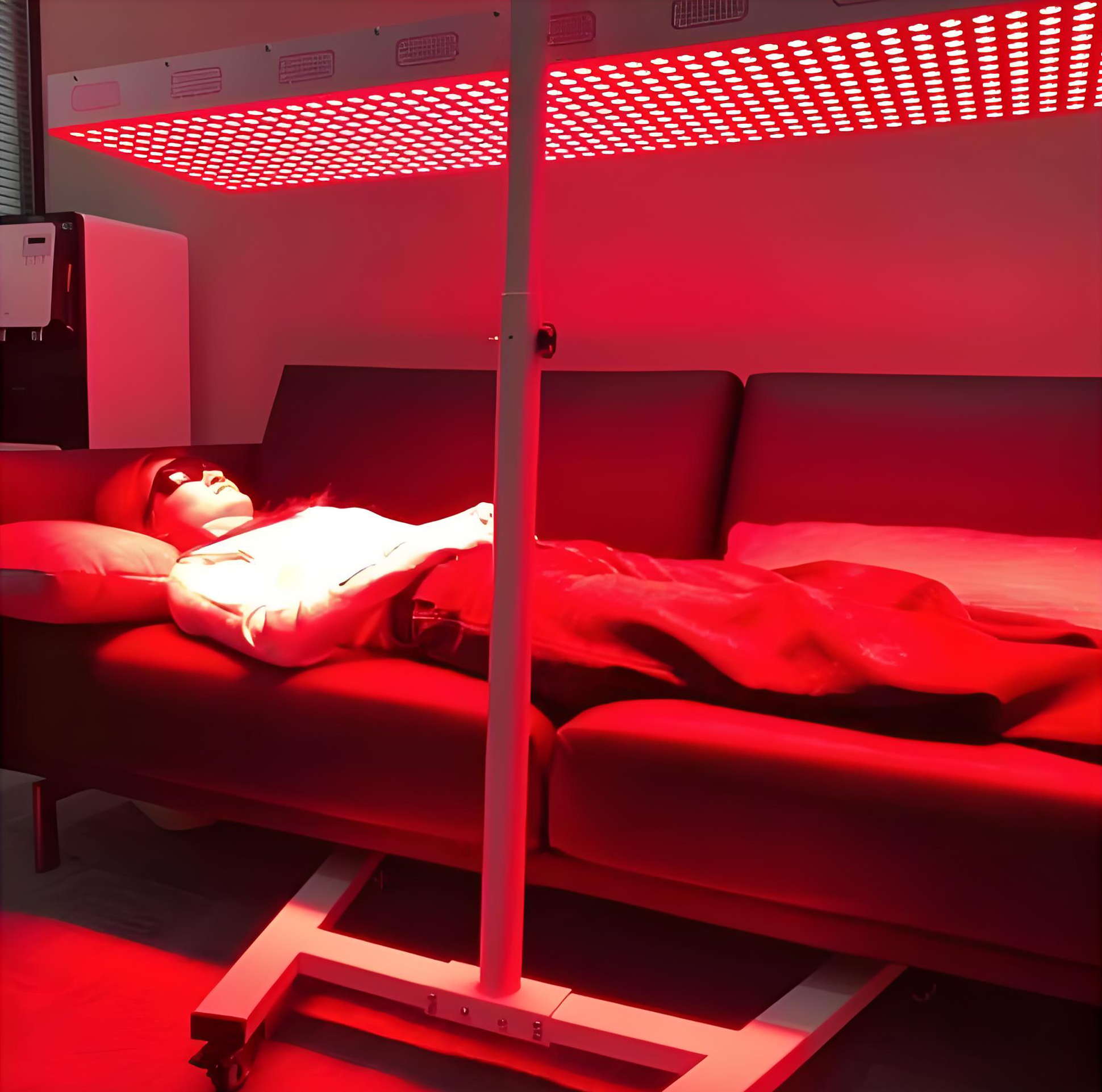
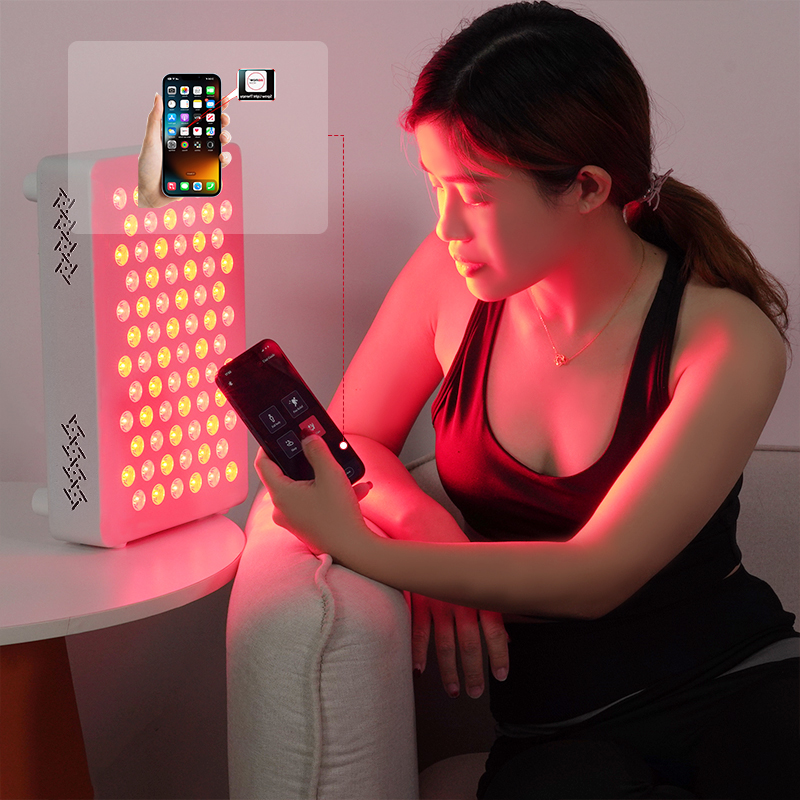
Red light therapy can be administered through masks you wear over the face, wearable caps, hand-held wands that can be applied to other body parts, and via panels suitable for larger areas such as legs or arms.
General Recommended Frequency
Several factors determine how often to use red light therapy for hair growth or any other health concern:
The Device: Different devices have varying power outputs or irradiance, measured in mW/cm². This affects the intensity and dosage during a session. Always check the product descriptions for irradiance levels. To compare various devices, all of Pureluxtech’s RLT therapy devices have the irradiance mentioned in the product descriptions.
Treatment Area: The body area being treated influences the dosage. Superficial tissues like skin need a lower dose than deeper tissues like muscles or joints. If you want to know ‘How often should you use red light therapy on your face?’ the answer is that sensitive areas, such as the face, require lower dosages.
Age and Health: Younger, healthier individuals might tolerate more frequent sessions than older adults or those with chronic conditions.
Skin Sensitivity: If you have sensitive skin, start with shorter sessions and gradually increase the duration and frequency. Although there are no serious red light therapy dangers, overuse can cause redness or irritation.
Specific Goals: The intended outcome affects frequency. General wellness may need less frequent sessions compared to targeted medical conditions.
Doctor’s Advice: Always follow your doctor’s recommendations, especially for specific health conditions.
What is Red Light /Infrared Light Wavelength ?
Red and near-infrared light therapy, also known as photobiomodulation (PBM) . Most commonly, photobio modulation is used for red light therapy which encompasses visible 630-660nm red wavelengths; invisible near-infrared wavelengths (810-850nm), and invisible infrared wavelengths (1060nm). involves the use of specific wavelengths of natural light in red light, near-infrared light, and invisible infrared light to enhance the health and function of our cells without any harmful UV rays, excess heat, or negative effects. Light therapy is among the earliest recorded healing modalities. The Egyptians first used solar therapy, and the ancient Greeks, Chinese, and Indians also practiced forms of light therapy. No question that light exerts biological effects: in fact, the body needs light to be healthy.
What is The Wavelength of ESPRO Series
ESPRO Series is a combo of red light 630nm 660nm, near-infrared light 810nm 830nm 850nm, and infrared light 1060nm. Red light at 630nm 660nm: this wavelength is absorbed in a higher proportion by skin tissue, making it especially effective for boosting skin health and increasing collagen production. Near-infrared light and infrared light at 810nm 830nm 850nm 1060nm, These wavelengths are outside of the visual spectrum, so it appears as if the NIR light is not working, but they just can’t be seen by the naked eye. Near-infrared and infrared light have a particularly strong ability to penetrate deeper into the tissue, organs, and joints, making it ideal for enhancing muscle recovery and reducing joint pain.
People Also Ask
Can you do red light therapy every day?
Yes, you can do red light therapy daily, and your doctor may recommend it for the first week, especially if you’re recovering from an injury. However, it’s better to switch to every other day for long-term use. This helps prevent overstimulation and allows your body to absorb the benefits better. This approach is supported by anecdotal evidence suggesting a slight break can enhance overall treatment results.
Can you overuse red light therapy?
Yes, overusing red light therapy is possible. RLT follows a biphasic dose-response, meaning too little light has minimal effect, the optimal dose provides the best benefits, but excessive light can diminish those positive effects. To avoid overuse, follow the recommended guidelines: position yourself 15 to 50 cm from the light for 10 to 20 minutes per area. Pay attention to your skin’s response and adjust your sessions accordingly. Everyone’s sensitivity to light varies, so find what works best for you.
Is 10 minutes of red light therapy enough?
Yes, 10 minutes of red light therapy can be effective, especially for superficial treatments like improving skin health. The general recommendation is 10-20 minutes, depending on your goals, the device’s power, and its distance from your skin.
Can you do red light therapy two days in a row?
Yes, you can do red light therapy two days in a row. For most people, 3-4 sessions a week with a day’s gap in between are recommended. However, if you miss a session, doing a session back-to-back is fine. Read the full article on doing red light therapy every day, here.
Can you do red light therapy twice a day?
No, we don’t recommend overdoing red light therapy by taking sessions twice a day. 3-5 times a week is the general recommendation for most health issues.