Se hai lottato con l'acne, conosci la procedura. Hai provato i detergenti aggressivi, i trattamenti di asciugatura spot, e le creme da prescrizione che lasciano la pelle cruda. You are likely searching for something that works con your skin, non contro di esso.
Inserisci la maschera per la terapia della luce rossa. But can a device that glows red really help clear up pimples?
SÌ, red light therapy is a clinically proven, powerful tool for treating acne. Tuttavia, the full story involves a bit of nuance. While blue light often steals the spotlight for killing bacteria, red light plays an equally important—if not more crucial—role in healing acne-prone skin and preventing future breakouts.
A Pureluxtech , we believe in treating the root cause, not just the symptoms. Here is how red light therapy tackles acne from the inside out.
The Two Faces of Acne
To understand why red light works, you have to understand what causes a pimple. Acne is not just “dirty skin.” It is a complex inflammatory condition driven by four main factors:
-
Excess Oil (Sebum) Produzione: Overactive sebaceous glands clog pores.
-
Clogged Pores: Dead skin cells aren’t shed properly, creating a blockage.
-
Bacteria (Cutibacterium acnes): This bacteria thrives in the clogged, low-oxygen environment of a pore.
-
Infiammazione: This is the redness, rigonfiamento, and pain. It is the body’s reaction, and it is what causes the “ugly” red bump and the risk of scarring.
Most acne treatments target just one of these factors. Terapia con la luce rossa, particularly when combined with other wavelengths, can target several at once.
The Anti-Inflammatory Power of Red Light
This is the superpower of red light therapy for acne. While blue light is famous for killing bacteria on the surface, red light penetrates deeper to calm the fire.
Come funziona:
-
Calming the Storm: When you have a cystic or inflammatory pimple, your immune cells are in overdrive, creating redness and swelling. Red light therapy reduces oxidative stress and calms these hyperactive immune cells.
-
Healing Faster: Aumentando l'energia cellulare (ATP), red light accelerates the repair of the damaged tissue surrounding the pimple.
-
Reducing Redness: The result is that active breakouts become less angry, less painful, and they heal significantly faster.
Think of red light as the “cool down” after a workout. It tells your skin to stop panicking and start healing.
The Role of Blue Light (The Bacteria Killer)
Many modern “acne” masks combine Red and Blue light. This is where the magic truly happens.
-
Luce blu (415nm): Targets and kills the P. acnes bacteria on the surface of the skin. Bacteria produce porphyrins, and when blue light hits them, it creates a chemical reaction that destroys the bacteria.
-
Luce rossa (630nm): Penetrates deeper to reduce inflammation, calmare il rossore, and heal the lesions.
La sinergia: Blue light clears the infection; red light heals the wound. This combination is why professional dermatologists often use “LED photo therapy” for their acne patients.
Cosa dice la scienza
The clinical evidence for light therapy and acne is robust and well-established.
-
Reducing Lesions: A study published in Chirurgia dermatologica examined the effects of combined red and blue light therapy on acne patients. Dopo 12 settimane di trattamento, there was a 76% reduction in inflammatory acne lesions.
-
Long-Term Remission: Unlike antibiotics, which bacteria can eventually become resistant to, light therapy provides a physical mechanism for clearing skin. Many patients in clinical studies maintained clear skin for months after their treatment regimen ended.
-
Zero Resistance: Because light therapy doesn’t rely on chemicals, bacteria cannot develop a resistance to it. It remains effective over time.
Beyond the Pimple: Healing the Scars
For those with acne, the pimple is only half the problem. The red or brown marks left behind (post-inflammatory hyperpigmentation) can last for months.
Red light therapy is exceptional at speeding up the fading of these marks. By increasing cellular turnover and repair, it helps your skin shed the damaged, pigmented cells faster and replace them with healthy, evenly toned tissue.
A Gentler Approach for Sensitive Skin
If you have acne, you likely also have sensitive skin. Many acne fighters fall into a trap: they use harsh products to dry out the oil, which damages the skin barrier, portando a Di più irritation and Di più breakouts.
Red light therapy is non-invasive and non-drying.
-
It causes zero irritation.
-
It does not strip your skin of its natural moisture barrier.
-
It is safe to use even on skin that is currently broken out or raw from other treatments.
This makes it a perfect companion for those who cannot tolerate high-strength retinoids or benzoyl peroxide.
Cosa aspettarsi: La cronologia
Healing acne with light therapy requires consistency. It is not an overnight spot treatment.
-
Settimana 1-2: You may notice that new pimples are smaller and less inflamed. Existing redness may start to fade.
-
Settimana 3-4: The frequency of breakouts often decreases. Skin texture begins to feel smoother.
-
Settimana 8-12: This is where the cumulative effect kicks in. Oil production may feel more balanced, and the overall clarity of your skin improves significantly.
The Verdict: A Powerful Tool for Clear Skin
COSÌ, do red light therapy masks work for acne?
SÌ. Whether you are dealing with the occasional hormonal breakout or persistent cystic acne, red light therapy offers a drug-free, gentile, and clinically proven way to reduce inflammation, kill bacteria, and heal your skin.
It won’t replace a good diet and skincare routine, but it provides the foundational cellular support your skin needs to finally break the cycle of breakouts.
Domande frequenti (Domande frequenti)
Quali sono i vantaggi della terapia con luce rossa?
La terapia con la luce rossa può aiutare a calmare l’infiammazione, sostenere la barriera cutanea, aumentare la produzione di collagene, e favorire il recupero dopo trattamenti ambulatoriali come i laser. Dott. Gohara lo descrive più come uno strumento lenitivo e di mantenimento della pelle che come un dramma, correzione notturna.
Quando la luce rossa è combinata con la luce blu, può anche aiutare a migliorare gli sfoghi. La luce blu prende di mira P. batteri dell'acne, mentre la luce rossa aiuta a ridurre l'infiammazione associata all'acne, spiega il Dott. Obayomi. La ricerca mostra che l'utilizzo di entrambi insieme può portare a un minor numero di sblocchi nel tempo, con studi che riportano notevoli miglioramenti dopo diverse settimane di uso coerente.
Detto questo, è importante tenere sotto controllo le aspettative. I dispositivi per la terapia della luce domestica in genere forniscono luce di intensità inferiore (spesso intorno ai 5–40 mW/cm²) rispetto ai trattamenti professionali (che può superare 50 mW/cm²), quindi i risultati tendono ad essere più graduali e dipendono dalla coerenza, uso regolare. Come il Dott. Note di Obayomi, l’uso regolare per mesi, non giorni, è ciò che più probabilmente porterà a cambiamenti visibili.
Cos’è esattamente la terapia con la luce rossa?
È un trattamento non invasivo che utilizza la luce rossa o del vicino infrarosso. Chiamata anche fotobiomodulazione, alcuni dermatologi lo offrono per curare l'acne, segni dell'invecchiamento come le rughe, perdita di capelli, e altre condizioni. La luce rossa offerta dai dermatologi è più potente di quella riscontrata nei dispositivi venduti per uso domestico.
Per dare ai propri pazienti i migliori risultati, i dermatologi in genere raccomandano la luce rossa come terapia complementare. Questo significa, fa parte di un piano di trattamento che utilizza la terapia standard. Per esempio, nel trattamento dei segni dell'invecchiamento, il tuo dermatologo può aggiungere luce rossa a un piano di trattamento che include una crema medicata, microaghi, o un peeling chimico. Anche la cura della pelle su misura può far parte di questo piano di trattamento.
Per aiutarti a mantenere i risultati dopo il trattamento in studio, il tuo dermatologo potrebbe consigliarti l'uso di un dispositivo a luci rosse a casa.
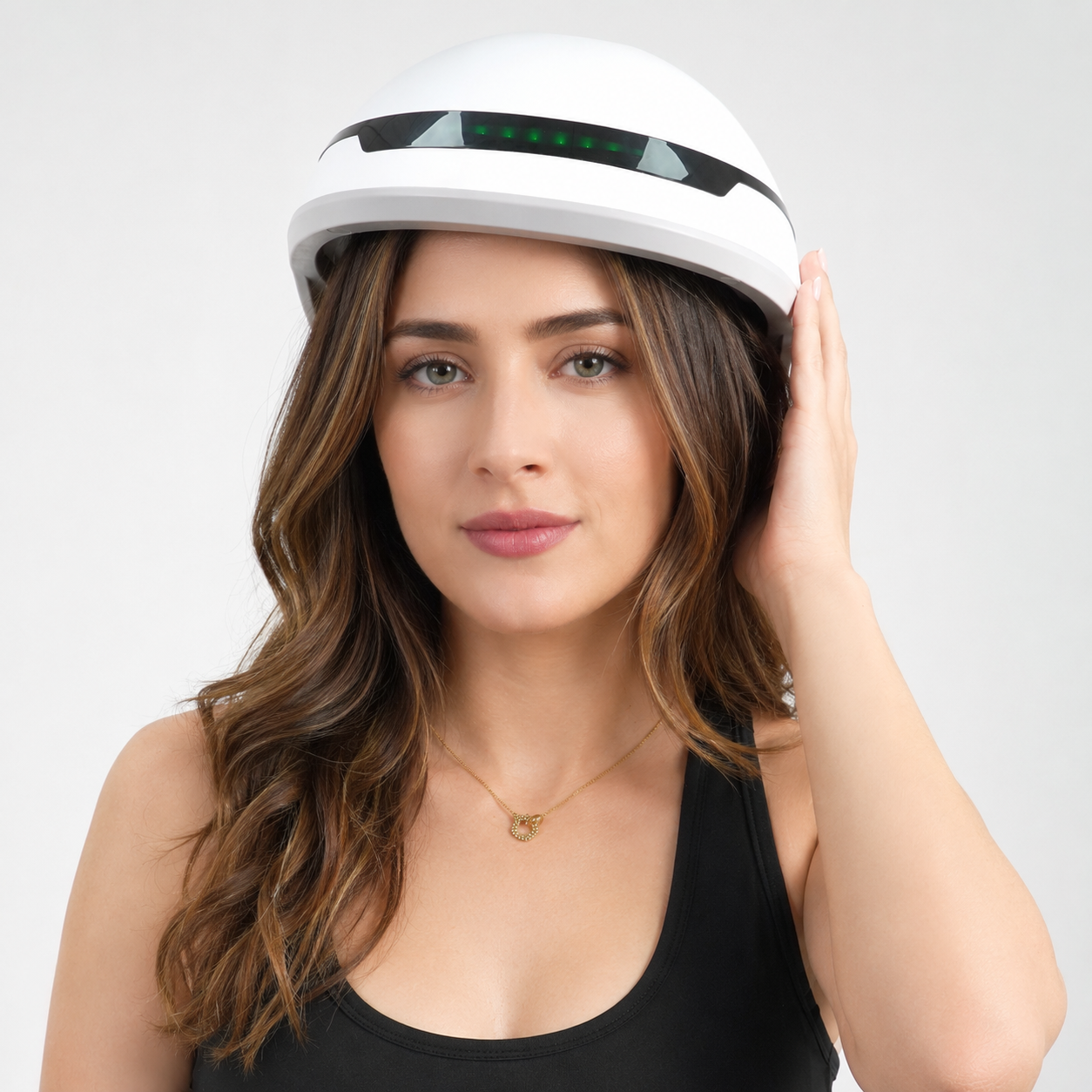
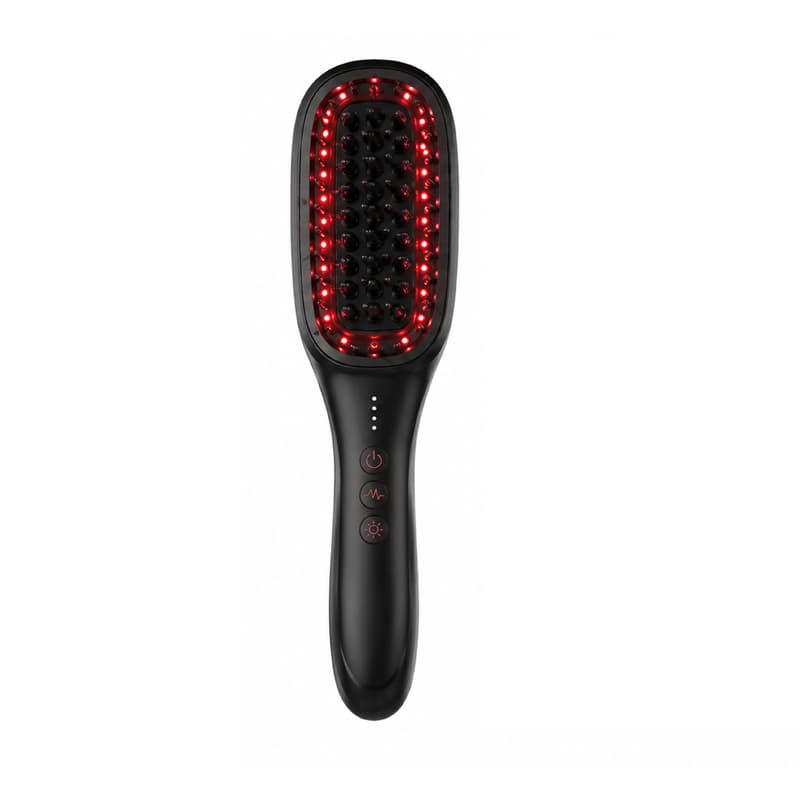
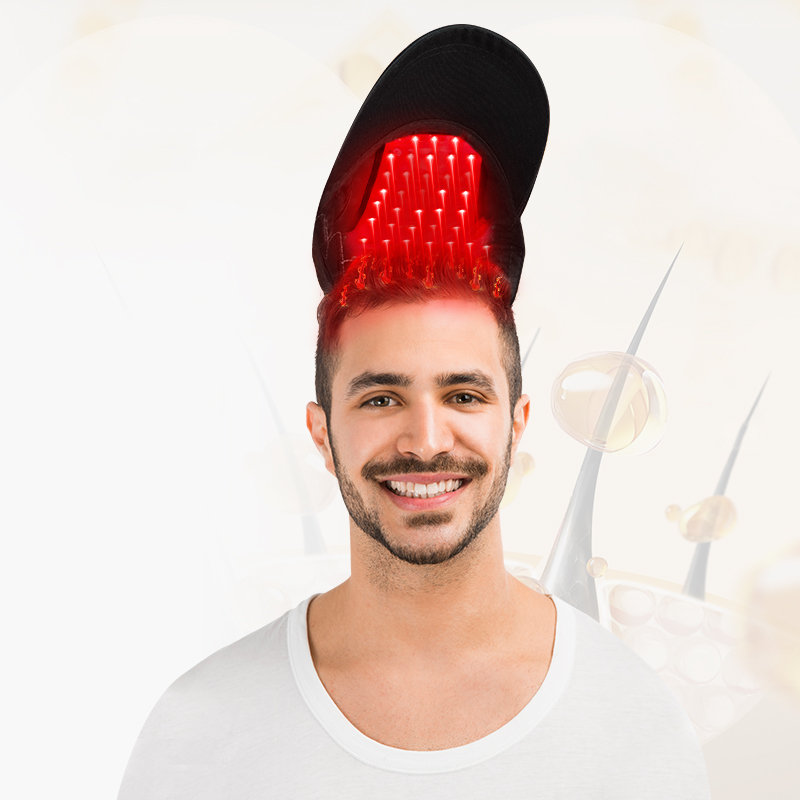
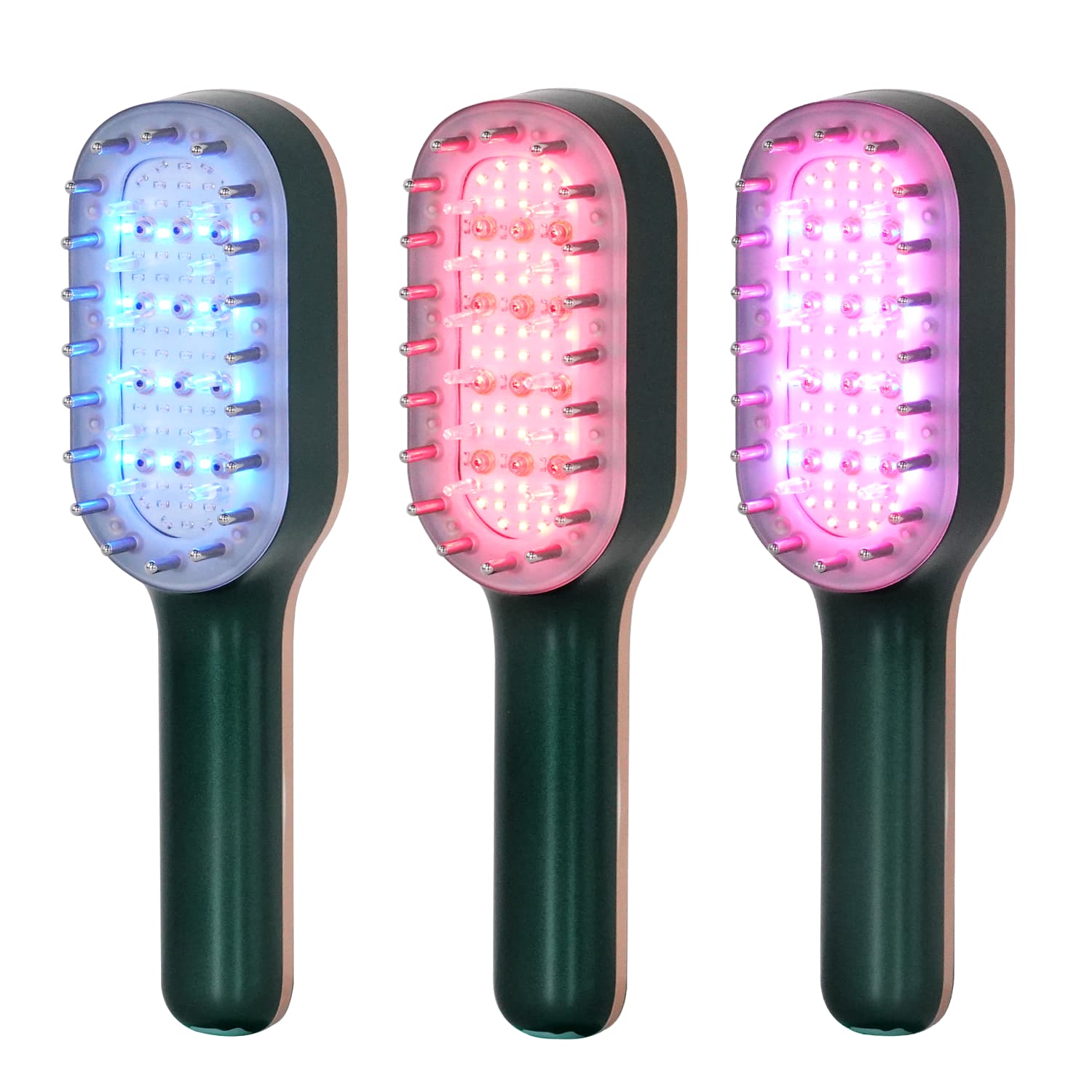
Sia che tu voglia utilizzare la luce rossa dopo aver ricevuto un trattamento da un dermatologo o provarlo da solo, troverai molte opzioni. Bacchette a luce rossa, maschere, e altri dispositivi vengono venduti per il trattamento della pelle. Tappi, pettini, e si vendono caschi per far ricrescere i capelli. La maggior parte dei dispositivi domestici contiene diodi emettitori di luce (GUIDATO), che sono considerati sicuri per l'uso domestico. Troverai anche dispositivi venduti per uso domestico dotati di laser a basso livello.
Quanto spesso devi usare la terapia con la luce rossa?
Questo non è un trattamento unico. Quando si utilizza un dispositivo a luci rosse a casa, dovrai usarlo regolarmente. La quantità di tempo necessaria varia, quindi seguire le istruzioni fornite con il dispositivo.
Tieni presente che ci vuole tempo per vedere i risultati e non tutti li vedono.
Nel trattamento dei segni dell'invecchiamento cutaneo o della caduta ereditaria dei capelli, sia nello studio di un dermatologo che a casa, avrai bisogno di trattamenti di follow-up. Ciò è necessario perché la pelle continua a invecchiare, e continuiamo a perdere capelli.