Il fascino della terapia con luce UVB per tutto il corpo a casa è comprensibile. Per milioni di persone che gestiscono malattie croniche della pelle come la psoriasi, vitiligine, o dermatite atopica, frequenti visite cliniche significano tempo lontano dal lavoro, costi di viaggio, e pianificazione degli attriti. La fototerapia domiciliare promette comodità, coerenza, e potenzialmente minori spese a lungo termine. Ma quando si tratta di ultravioletti B (UVB) terapia, la comodità non deve mai compromettere la sicurezza o l’efficacia clinica.
Prima di investire o sperimentare sistemi UVB domestici, è essenziale separare la pratica basata sull’evidenza dalle affermazioni di marketing, comprendere le realtà fisiologiche dell’esposizione ai raggi UV, e riconoscere perché la supervisione professionale rimane il gold standard.
La promessa contro. La realtà degli UVB domestici “tutto il corpo”.
UVB a banda stretta (NB-UVB), tipicamente centrato su 311 nm, è lo standard clinicamente accettato per la fototerapia in dermatologia. A differenza dei raggi UVB a banda larga, che contiene più eritemogenico (provocando ustioni) lunghezze d'onda, NB-UVB fornisce energia terapeutica in modo più efficiente riducendo al minimo i danni inutili alla pelle. In contesti clinici, L'NB-UVB a corpo intero viene somministrato in armadietti calibrati o grandi pannelli verticali, con dosi attentamente calcolate in base alla dose minima per eritema del paziente (CON), tipo di pelle, e storia del trattamento.
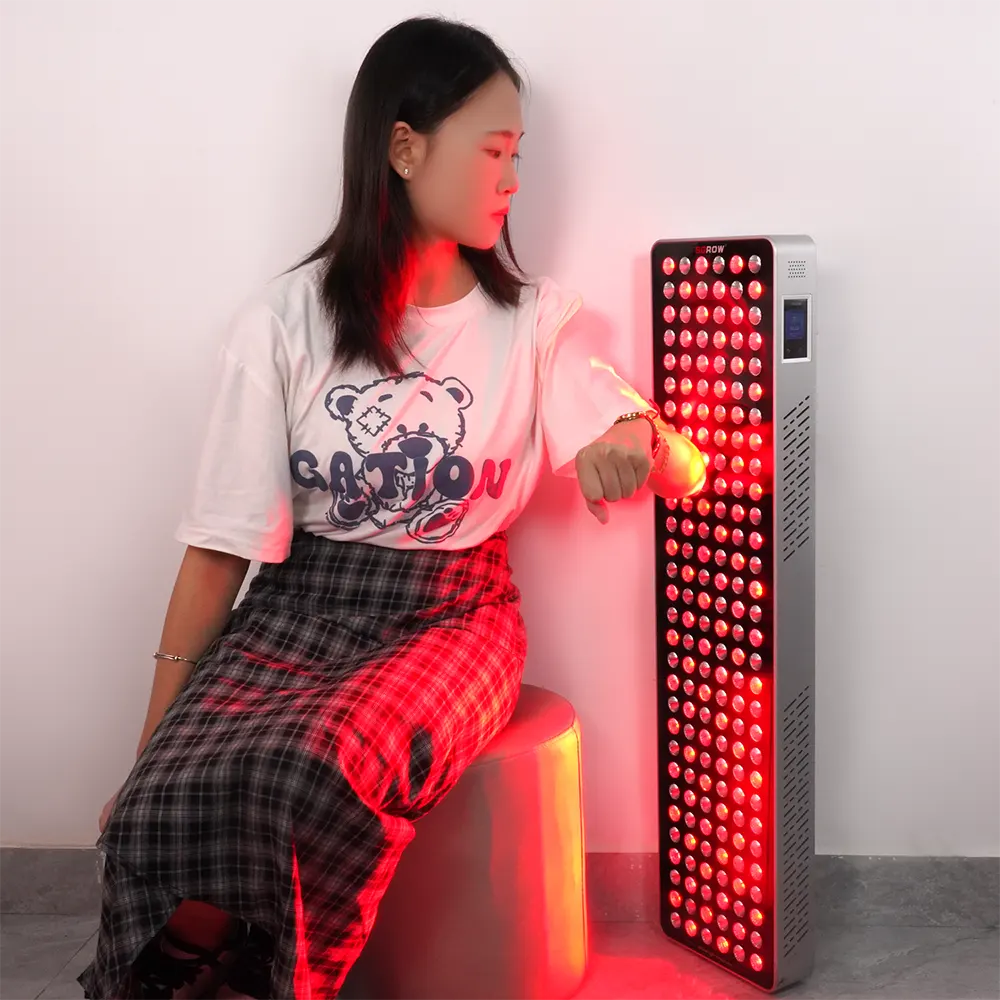
Esistono vere unità UVB per tutto il corpo progettate per l'uso domestico, ma sono fortemente regolamentati, spesso solo su prescrizione, e richiedono uno spazio notevole, energia, e investimenti finanziari. Molti dispositivi commercializzati come “UVB domestici per tutto il corpo” sono in realtà pannelli compatti o mirati che trattano regioni isolate (braccia, gambe, torso, o indietro). Mentre la terapia mirata può essere molto efficace per le condizioni localizzate, non replica la copertura o i protocolli di dosaggio dei sistemi clinici per tutto il corpo.
Il divario tra aspettative e realtà è importante. L'UVB non è una lampada per il benessere: è un dispositivo medico di Classe II negli Stati Uniti e regolamentato in modo simile nell'UE, Regno Unito, Canada, e Australia. L'uso improprio può causare gravi ustioni, fotoinvecchiamento precoce, iperpigmentazione, e in casi estremi, aumento del rischio di cancro della pelle a lungo termine.
Medico & Considerazioni sulla sicurezza che non possono essere ignorate
La fototerapia agisce modulando l'attività immunitaria della pelle, rallentando la proliferazione anomala dei cheratinociti, e stimolando la migrazione dei melanociti nella vitiligine. Questi meccanismi sono dose-dipendenti. Troppa poca luce non produce alcun beneficio clinico; troppo provoca lesioni acute.
I principali fattori di sicurezza per qualsiasi protocollo UVB includono:
- CON Test: La dose iniziale deve essere calibrata sulla risposta cutanea dell’individuo. Indovinare porta a sottodosaggio o ustioni.
- Dosaggio incrementale: I protocolli clinici aumentano l’esposizione del 10-20% per sessione, in base alla precedente reazione cutanea. Gli utenti domestici senza sistemi di tracciamento spesso si stabilizzano o sovraespongono.
- Occhio & Protezione genitale: Gli UVB penetrano nella cornea e possono causare fotocheratite. La schermatura è obbligatoria durante ogni sessione.
- Controindicazioni: Condizioni come il lupus, xeroderma pigmentoso, o una storia di melanoma, insieme ai farmaci fotosensibilizzanti (per esempio., tetracicline, tiazidici, retinoidi), rendere gli UVB pericolosi senza l'autorizzazione di uno specialista.
- Calibrazione del dispositivo: L'emissione UV si degrada nel tempo. Le unità cliniche vengono regolarmente misurate con radiometri. I dispositivi di livello consumer raramente includono registri di calibrazione o verifica dell'output.
Gli organismi di regolamentazione non approvano il “DIY UVB”. Sono prescritti dispositivi per fototerapia domiciliare approvati dalla FDA, venire con programmi di dosaggio dettagliati, e richiedono un follow-up periodico da parte di un dermatologo per regolare i parametri e monitorare gli effetti avversi.
Perché "tutto il corpo" non è sempre la risposta clinica
È interessante notare, la dermatologia moderna si sta allontanando dagli UVB di routine su tutto il corpo verso metodi più precisi, protocolli specifici per condizione. Molti pazienti presentano un coinvolgimento localizzato o asimmetrico del cuoio capelluto, gomiti, ginocchia, mani, o chiazze specifiche di vitiligine. Il trattamento della pelle non interessata aumenta inutilmente l’esposizione cumulativa ai raggi UV senza beneficio terapeutico.
Questo è il motivo per cui la fototerapia professionale si sta evolvendo verso la multilunghezza d’onda, sistemi mirati. Dispositivi che si integrano 311 nm UVB per l'immunomodulazione insieme alla luce rossa visibile (630–660 nm) per la riparazione della barriera, o nel vicino infrarosso (810–1060 nm) per il recupero dei tessuti, consentire ai medici di progettare protocolli a più livelli. I pazienti ricevono esattamente ciò di cui hanno bisogno, dove ne hanno bisogno, senza esposizione generale.
Per gli utenti domestici, questo approccio di precisione si traduce spesso in risultati migliori e rischi inferiori. Una compatta, il pannello di ingegneria medica utilizzato sotto guida può fornire risultati coerenti, trattamento localizzato che si allinea ai modelli di malattia del mondo reale, senza spazio, costo, o pensili di sicurezza di armadi a corpo intero.
Il percorso sicuro verso la terapia UVB domiciliare
Se stai considerando la fototerapia UVB a casa, seguire questo quadro basato sull’evidenza:
- Consulta un dermatologo: Conferma la tua diagnosi, valutare le controindicazioni, e determina se NB-UVB è appropriato per la tua condizione.
- Richiedi il test MED: Stabilisci la tua sensibilità di base prima di iniziare qualsiasi protocollo domiciliare.
- Utilizzare dispositivi con prescrizione medica: Acquistare apparecchiature solo con FDA 510(k), Marchio CE, o autorizzazione regionale equivalente. Evita le lampade “benessere” non certificate commercializzate per i raggi UVB.
- Seguire un programma di dosaggio documentato: Tieni traccia di ogni sessione, notare la risposta cutanea, e non superare mai gli incrementi consigliati senza un contributo professionale.
- Pianifica follow-up regolari: Il controllo clinico deve continuare durante il trattamento. I dermatologi possono aggiustare le dosi, sospendere la terapia durante le riacutizzazioni, e valutare la sicurezza a lungo termine.
- Investi nelle funzionalità di conformità: Cerca dispositivi con timer integrato, memoria della dose, arresti di emergenza, e verifica certificata dell'emissione UV.
La fototerapia domiciliare può rappresentare un’estensione legittima dell’assistenza clinica, ma solo se trattata come tale. Non sostituisce la consulenza medica, né un esperimento autosomministrato.
Il futuro è guidato, Non solo più luminoso
Il panorama della fototerapia sta maturando. I pazienti non devono più scegliere tra visite cliniche e gadget domestici non regolamentati. La prossima generazione di terapia della luce enfatizza la precisione, sicurezza, e partenariato professionale. Produttori come PureLuxTech progettano sistemi di fototerapia di livello professionale con irradianza calibrata, flessibilità multi-lunghezza d'onda, e rigorosi standard di conformità (FDA, CE, ISO13485, MDSAP) proprio perché la terapia della luce è un intervento medico, non un accessorio di stile di vita.
È possibile ottenere raggi UVB su tutto il corpo a casa, ma esige rispetto, regolamento, e responsabilità. Se avvicinato correttamente, la fototerapia domiciliare può migliorare la qualità della vita delle malattie croniche della pelle. Quando ci si avvicina con noncuranza, può causare danni che superano qualsiasi comodità.
La scienza è chiara: L'UVB funziona. Ma funziona meglio se consegnato con attenzione, misurato accuratamente, e monitorato professionalmente. Che tu sia un paziente che esplora opzioni o un medico che espande i percorsi di cura, dare priorità alle prove rispetto alla facilità, precisione su scala, e guida sulle supposizioni.
La terapia della luce ha un potenziale notevole. Assicuriamoci che sia usato saggiamente.