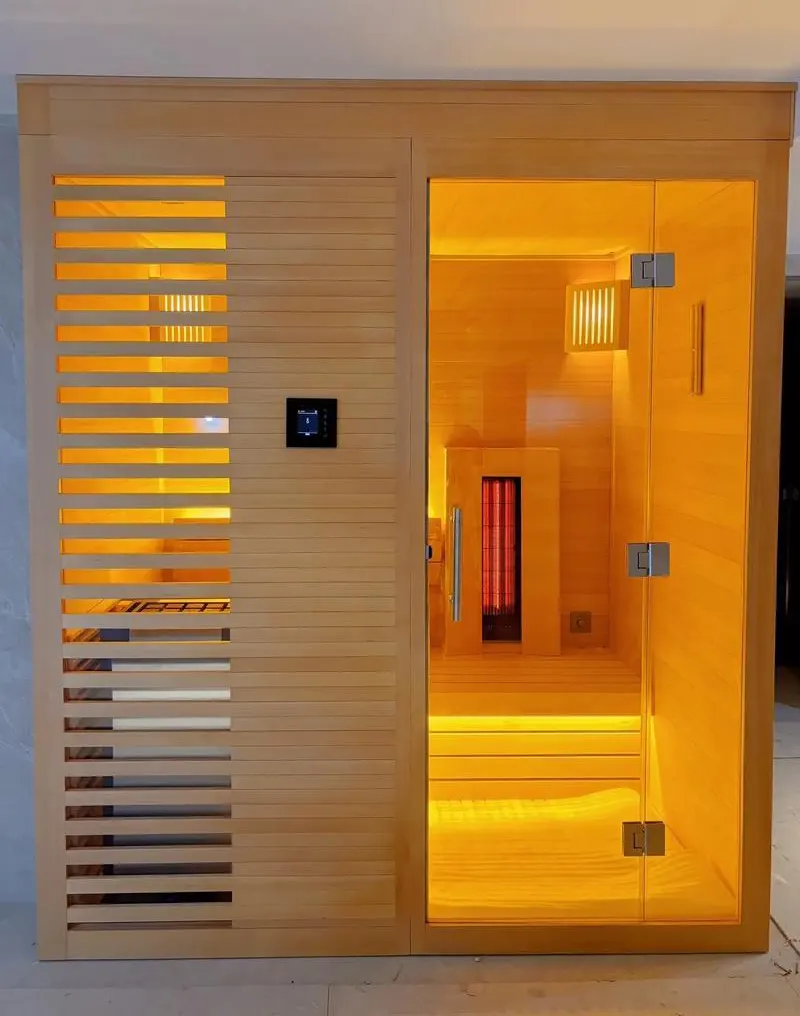
Cos'è una sauna a infrarossi con terapia a luce rossa?
Una sauna a infrarossi con terapia a luce rossa è integrata:
- Infrarosso lontano (ABETE) pannelli riscaldanti per una penetrazione termica profonda
- Luce rossa (630–660 nm) per la stimolazione cutanea e cellulare
- Vicino infrarosso (NIR 810–880 nm) per un recupero tissutale più profondo
A differenza delle saune tradizionali, questi sistemi funzionano a temperature più basse fornendo allo stesso tempo effetti biologici più mirati, rendendoli più sicuri e confortevoli per una gamma più ampia di utenti.
Fattori chiave di produzione per gli acquirenti B2B
Quando si acquista da un produttore, comprendere i fattori critici di produzione e prestazione è essenziale.
1. Qualità e configurazione del chip LED
L'efficacia della terapia con luce rossa dipende in larga misura dalla qualità del chip LED. I produttori di fascia alta in genere utilizzano:
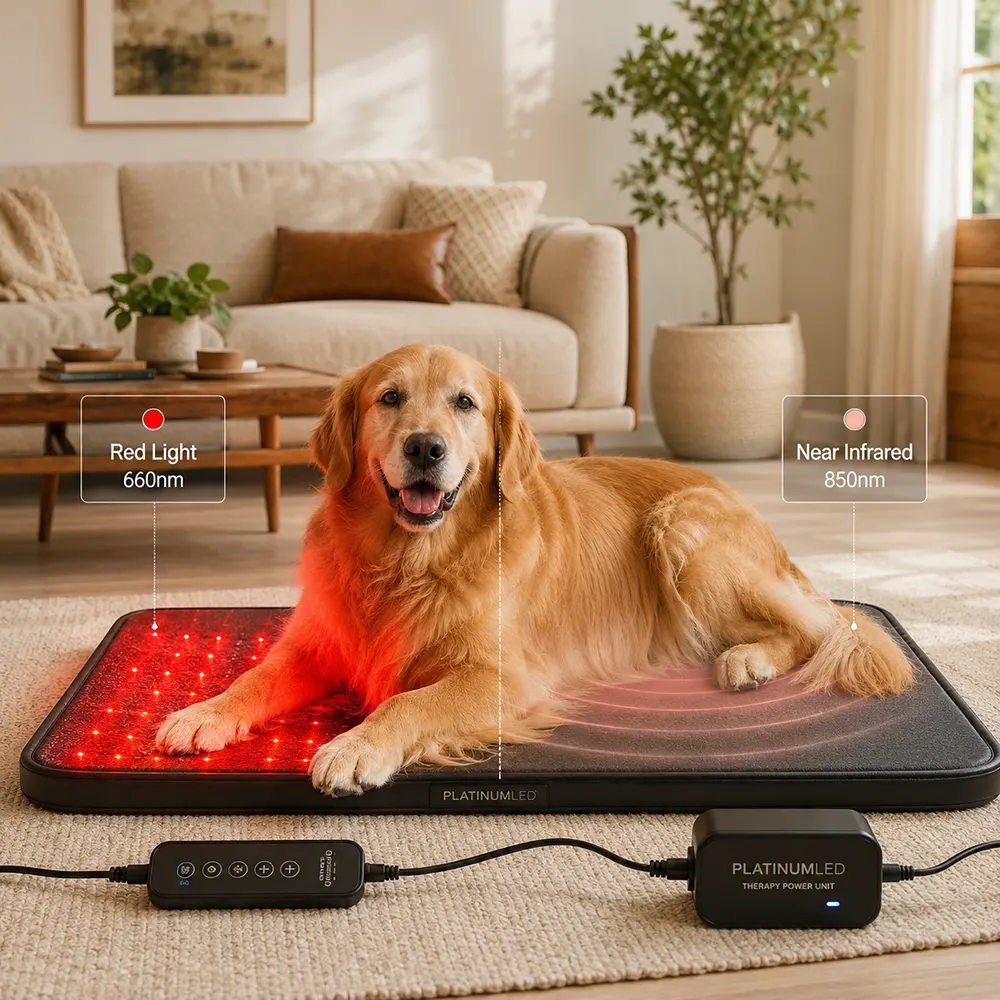
- LED a doppio chip (660nm + 850nm)
- Array ad alta densità per una copertura uniforme
- Chip di grado medico con lunga durata (>50,000 ore)
La coerenza nella lunghezza d’onda emessa e nell’irradiazione è fondamentale per fornire benefici terapeutici reali.
2. Irradianza (Potenza in uscita)
L’irraggiamento determina la quantità di energia che raggiunge il corpo. Per sistemi di livello commerciale:
- Gamma ideale: 80–150mW/cm²
- Troppo basso = inefficace
- Troppo alto = problemi di calore e sicurezza inutili
Produttori affidabili forniscono rapporti di test di terze parti per verificare i livelli di output.
3. Sistema di riscaldamento a infrarossi
Esistono tre tipi principali di elementi riscaldanti a infrarossi:
- Pannelli in fibra di carbonio (distribuzione uniforme del calore)
- Riscaldatori in ceramica (alta intensità, calore localizzato)
- Riscaldatori a spettro completo (ABETE + MIR + NIR)
Le soluzioni OEM premium spesso combinano pannelli in carbonio con tecnologia a spettro completo per prestazioni ottimali.
4. Materiali strutturali e qualità costruttiva
La selezione del materiale influisce direttamente sulla durabilità, sicurezza, e posizionamento del marchio:
- Cicuta canadese o legno di cedro (segmento premium)
- Pannelli compositi ecologici (design moderni)
- Sistemi di cablaggio e isolamento resistenti al calore
Una sauna ben costruita migliora l’esperienza dell’utente e riduce i costi di manutenzione a lungo termine.
5. Sicurezza e conformità alle certificazioni
Per i mercati internazionali, la certificazione non è negoziabile. Assicurati che il tuo produttore supporti:
- CE (Europa)
- FCC (Conformità elettronica USA)
- RoHS (sicurezza ambientale)
- ETL / UL (Standard di sicurezza del Nord America)
Per richieste mediche o di benessere, potrebbe essere necessaria ulteriore documentazione.
Soluzioni OEM e per il marchio privato
Uno dei maggiori vantaggi di lavorare con un produttore professionale è l'accesso ai servizi OEM e di marchio del distributore.
1. Personalizzazione del prodotto
I produttori possono personalizzare i prodotti in base al posizionamento del tuo marchio:
- Dimensioni e capacità (1-persona, 2-persona, multiutente)
- Disposizione del pannello LED e livelli di potenza
- Combinazioni di lunghezze d'onda (630nm, 660nm, 810nm, 850nm)
- Sistemi di controllo (touchscreen, controllo dell'app, remoto)
2. Marchio e imballaggio
Le opzioni di etichetta privata in genere includono:
- Stampa del logo sulle unità sauna
- Progettazione di imballaggi personalizzati
- Manuali utente con identità del marchio
- Materiali di marketing e fotografie dei prodotti
Ciò ti consente di costruire un forte, marchio riconoscibile senza possedere una fabbrica.
3. Aggiornamenti funzionali
Per aumentare il valore del prodotto e l’attrattiva del mercato, Gli aggiornamenti OEM possono includere:
- Sistemi audio Bluetooth
- Cromoterapia (cromoterapia)
- Ionizzatori di ossigeno
- Integrazione intelligente dell'app
- Funzionalità di controllo vocale
Queste funzionalità aiutano a posizionare il tuo prodotto nel segmento del benessere premium.
Opzioni di personalizzazione e flessibilità di progettazione
Specifiche tecniche
- Tipo e configurazione dell'emettitore a infrarossi: Scegli tra pannelli in fibra di carbonio, riscaldatori in ceramica, o sistemi ibridi
- Specifiche della lunghezza d'onda: Seleziona il rosso specifico (630-660nm) e nel vicino infrarosso (810-850nm) lunghezze d'onda
- Potenza ed efficienza energetica: Bilanciare l’efficacia terapeutica con i costi operativi
- Intervallo di temperatura e precisione di controllo: Gli intervalli tipici vanno da 100 a 150 ° F (38-65°C)
- Livelli di campi elettromagnetici: Richiedi progetti con campi elettromagnetici ultrabassi (tipicamente <3 mg)
Progettazione fisica
- Dimensioni e capacità dell'armadio: Dalle unità compatte per una sola persona alle installazioni commerciali per più persone
- Materiali: Le opzioni includono la cicuta canadese, Abete nordico, tiglio, o compositi ecologici
- Configurazioni di porte e vetri: Vetro temperato, opzioni colorate, pannelli a visualizzazione intera o parziale
- Disposizione interna: Configurazioni da banco, angoli dello schienale, riscaldamento vano piedi
Integrazione tecnologica
- Sistemi di controllo: Pannelli touchscreen, connettività dell'app mobile, controllo vocale
- Funzionalità di intrattenimento: Audio Bluetooth, illuminazione per cromoterapia, porta tablet
- Capacità di monitoraggio: Sensori di frequenza cardiaca, monitoraggio della temperatura, analisi dell'utilizzo
- Integrazione domestica intelligente: Compatibilità con Alexa, Google Home, o sistemi proprietari
Marchio ed estetica
- Posizionamento e personalizzazione del logo
- Combinazioni di colori e finiture
- Progettazione dell'imballaggio
- Manuale utente e documentazione con la voce del tuo marchio
Il processo di produzione: Cosa aspettarsi
Considerazioni sui costi e strutture dei prezzi
Costruire una partnership a lungo termine
- Investire nella R&D per mantenere competitiva la vostra linea di prodotti
- Fornire informazioni di mercato e analisi delle tendenze
- Offri supporto di marketing, compresa la fotografia del prodotto, specifiche tecniche, e formazione alla vendita
- Mantenere un inventario adeguato di pezzi di ricambio per il servizio di garanzia
- Migliorare continuamente i processi e ridurre i costi senza compromettere la qualità
- Proteggi la tua proprietà intellettuale e mantieni la massima riservatezza