La risposta breve è: SÌ, la terapia con la luce rossa è efficace per gli animali domestici, ma non allo stesso modo per tutte le condizioni, e non miracolosamente dall'oggi al domani. Se utilizzato correttamente per le condizioni appropriate, le prove scientifiche sono solide e in crescita.
In questa guida completa, esamineremo la ricerca clinica, suddividere l’efficacia per condizione, esplorare quali sono i risultati realistici, e aiutarti a determinare se la terapia con luce rossa è la scelta giusta per le esigenze specifiche del tuo animale domestico.
La linea di fondo: Efficacia in breve
| Categoria di condizione | Valutazione di efficacia | Forza delle prove | Cronologia tipica |
|---|---|---|---|
| Artrite/dolore articolare | ⭐⭐⭐⭐⭐ Altamente efficace | Forte (molteplici studi) | 2-6 settimane |
| Guarigione delle ferite | ⭐⭐⭐⭐⭐ Altamente efficace | Molto forte (decenni di ricerca) | Giorni a 2 settimane |
| Recupero post-operatorio | ⭐⭐⭐⭐⭐ Altamente efficace | Forte | 1-3 settimane |
| Lesioni acute (Distorsioni, Tensioni) | ⭐⭐⭐⭐ Molto efficace | Forte | 24 ore a 1 settimana |
| Condizioni della pelle/punti caldi | ⭐⭐⭐⭐ Molto efficace | Da moderato a forte | Giorni a 2 settimane |
| Dolore dentale/orale | ⭐⭐⭐ Moderatamente efficace | Emergente | Varia |
| Infezioni dell'orecchio | ⭐⭐ Moderatamente efficace (aggiunto) | Limitato | Come parte del trattamento complessivo |
| Condizioni neurologiche (IVDD) | ⭐⭐⭐ Moderatamente efficace (di supporto) | Emergente | Settimane o mesi |
| Cancro | ⭐ NON Efficace / Controindicato | Forti prove contro l'uso | N / A – Non utilizzare |
Oltre gli studi clinici, comprendere le esperienze del mondo reale aiuta a stabilire aspettative realistiche.
Storie di successo
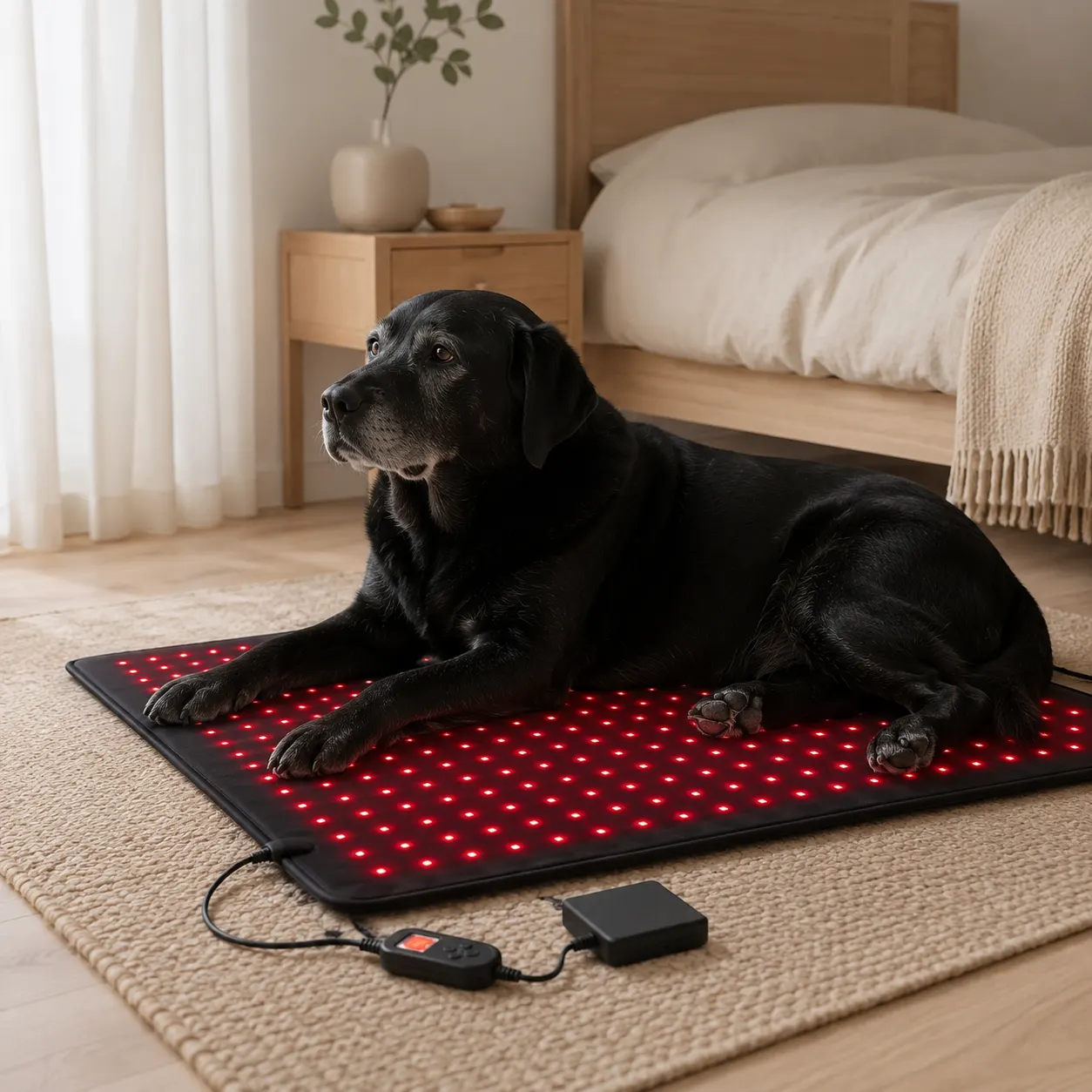
Caso 1: Massimo, 12-Labrador di un anno con grave artrite
“Dopo tre settimane di trattamenti (due volte alla settimana dal veterinario, poi manutenzione della casa), Max ricominciò a camminare. Dormiva gran parte della giornata da mesi. Adesso mi viene incontro alla porta con il guinzaglio. Non è di nuovo un cane giovane, ma è un cane più felice.”
Caso 2: Luna, 5-gatto di un anno con gengivite cronica
“Luna aveva gengive doloranti e mangiava meno. Dopo la pulizia dentale e una serie di trattamenti laser, è tornata a mangiare comodamente. Il veterinario dice che le sue gengive sembrano notevolmente migliorate.”
Caso 3: Bottaio, 2-razza mista di un anno con un punto caldo
“L’hot spot di Cooper si stava diffondendo nonostante i nostri tentativi di impedirgli di leccarsi. Una seduta con il laser dal veterinario, e il giorno dopo era visibilmente più asciutto. Due sessioni dopo, era sparito.”
Che aspetto ha il successo
Efficacia non significa sempre “guarito.” Spesso significa:
-
Migliore mobilità: Alzarsi più facilmente, salire le scale, passeggiate più lunghe
-
Riduzione dei farmaci antidolorifici: Dosi più basse o meno farmaci
-
Comportamento migliorato: Più giocoso, impegnato, e sociale
-
Meglio dormire: Meno irrequietezza durante la notte
-
Guarigione più rapida: Le ferite si chiudono più velocemente, il recupero chirurgico accelera
Quando i risultati possono essere deludenti
La terapia con la luce rossa può sembrare inefficace quando:
-
La condizione è inappropriata (per esempio., aspettandosi che ripari un legamento rotto che necessita di un intervento chirurgico)
-
Il dispositivo è sottodimensionato per la profondità necessaria
-
Il trattamento è incoerente (sessioni sporadiche piuttosto che un protocollo)
-
Le aspettative non sono realistiche (aspettandosi una cura per la malattia progressiva)
-
I problemi di fondo non vengono affrontati (per esempio., obesità che peggiora l’artrite)
Come massimizzare l'efficacia
Collabora con il tuo veterinario
-
Ottieni una diagnosi corretta prima di iniziare il trattamento
-
Discuti se la terapia con luce rossa è appropriata per la condizione specifica del tuo animale domestico
-
Chiedere di integrarlo con altri trattamenti (farmaco, terapia fisica, gestione del peso)
-
Considera trattamenti professionali per l'induzione iniziale, soprattutto per problemi profondi o seri
Scegli il dispositivo giusto
Se si utilizza un dispositivo domestico:
-
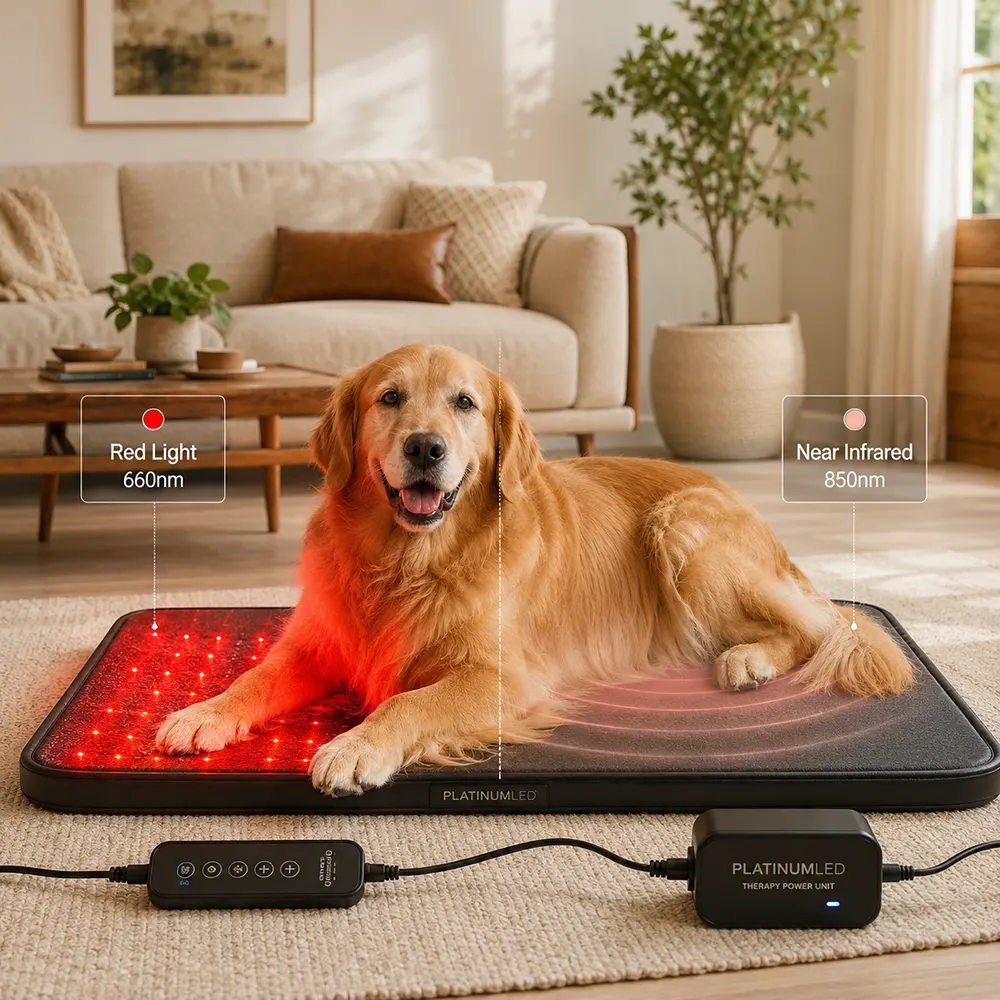
Ricerca il produttore: Forniscono prove?? Sono specificate le lunghezze d'onda (tipicamente 660 nm e 810-850 nm)?
-
Controllare la potenza erogata: Una potenza maggiore generalmente significa una penetrazione più profonda e tempi di trattamento più brevi
-
Leggi le recensioni degli acquirenti verificati, soprattutto quelli con condizioni simili
-
Evitare a buon mercato, dispositivi senza marchio da fonti sconosciute
Domande frequenti sulla terapia laser per cani
La terapia laser funziona davvero sui cani??
La terapia laser è considerata un trattamento efficace per ridurre il dolore e l’infiammazione, e può aiutare con la guarigione delle ferite. Tieni presente che la terapia laser è generalmente consigliata come parte di un piano di trattamento, piuttosto che l'unico trattamento.
La terapia laser può aiutare il mio cane a camminare di nuovo??
La terapia laser può essere utilizzata con altri trattamenti per molteplici condizioni che possono influire sulla capacità del cane di camminare, come la malattia del disco intervertebrale (IVDD) o osteoartrite.
Tuttavia, se la capacità di camminare del tuo cane migliorerà dipenderà dalla causa specifica sottostante, la gravità e la durata della condizione, e quali altre opzioni di trattamento vengono utilizzate. Non tutti i cani che hanno perso la capacità di camminare, in particolare se c'è una paralisi dovuta a causa neurologica, saranno in grado di camminare di nuovo.
Posso usare la terapia della luce a casa?
SÌ! La tecnologia è diventata disponibile per i proprietari di cani da utilizzare a casa. Puoi decidere di utilizzare il file Dispositivo per terapia a infrarossi per zampe di cane il che è fantastico se il tuo cane ha dolori alle articolazioni a causa dell'artrite, un polso artritico, garretto o gomito. Aggiusti la fascia attorno al carpo del tuo cane, garretto, o gomito e la sessione è 10 minuti. Puoi fare trattamenti fino a 3 X 10 sessioni di pochi minuti al giorno. L'avvolgimento è dotato di timer per garantire la giusta dose di tempo. Se il tuo cane ha particolarmente tempo, pelliccia ispida, allora il consiglio è di fare a 20 sessione minuta per garantire che venga penetrata.
Se il tuo cane ha bisogno di cure in una zona difficile da raggiungere, o hai bisogno della flessibilità per poter trattare diverse aree del corpo, allora il dispositivo portatile Photizo VetCare sarà l'opzione migliore. Questo è stato progettato per essere facile da usare. Puoi comprarne uno silenzioso e senza segnali acustici per spaventare il tuo cane, se il tuo cane è sensibile al rumore.