La fotobiomodulazione (PBM) l’industria sta vivendo una crescita senza precedenti, con aziende che vanno dalle startup del benessere alle cliniche mediche affermate che cercano di lanciare dispositivi per la terapia della luce con marchio privato. Tuttavia, la differenza tra un prodotto di successo e un costoso fallimento spesso risiede nei dettagli tecnici. Quando si persegue un Pannello per terapia a luce rossa e vicino infrarosso OEM, comprendere le specifiche chiave e i fattori di produzione è fondamentale. Questi elementi determinano non solo l’efficacia terapeutica del dispositivo ma anche la sua sicurezza, longevità, e la reputazione del marchio.
Questa guida fornisce un approfondimento sulle specifiche tecniche essenziali e sui fattori operativi da valutare quando si collabora con un produttore OEM. Che tu stia progettando un'unità domestica compatta o un sistema per tutto il corpo di livello clinico, queste informazioni ti aiuteranno a navigare nelle complessità della produzione e a garantire che il tuo prodotto finale soddisfi i più elevati standard del settore.
Precisione della lunghezza d'onda e configurazione dello spettro
Il fondamento di qualsiasi dispositivo per la terapia della luce è la sua lunghezza d'onda. I benefici terapeutici sono altamente specifici per il nanometro (nm) intervalli, rendendo la precisione non negoziabile.
🔹Lunghezze d'onda critiche
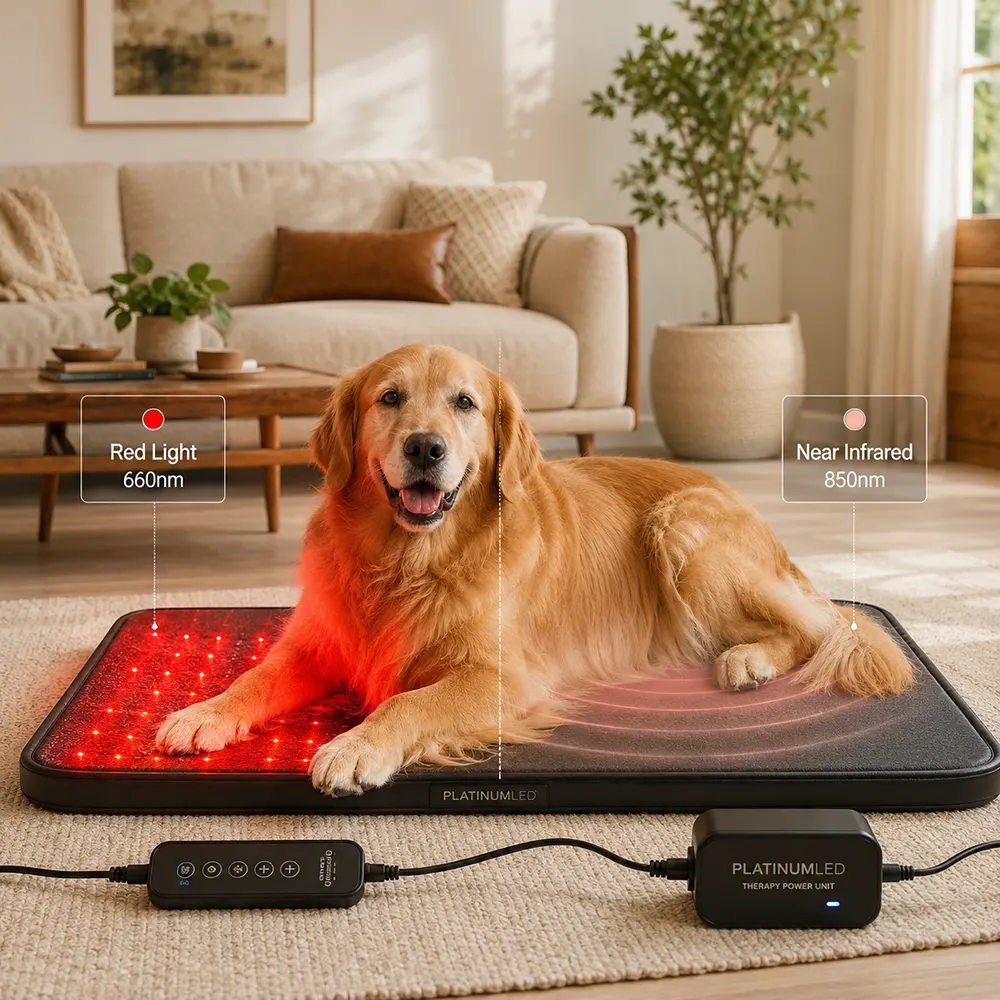
- 630nm–660 nm (Rosso visibile): Assorbito principalmente dagli strati cutanei. Ideale per la produzione di collagene, guarigione delle ferite, e infiammazione superficiale.
- 810nm–850 nm (Vicino infrarosso): Penetra più in profondità nel muscolo, osso, e tessuto nervoso. Essenziale per alleviare il dolore, recupero muscolare, e salute delle articolazioni.
- 940nm & 1060nm (NIR esteso): Lunghezze d'onda emergenti utilizzate per una circolazione più profonda e processi metabolici specifici.
🔹 Livelli di tolleranza
Un errore comune nella produzione OEM a basso costo è l’ampia tolleranza della lunghezza d’onda. Un pannello etichettato “850nm” potrebbe effettivamente emettere ovunque da 840 nm a 870 nm. Produttori di alta qualità, come Pureluxtech, mantenere stretti livelli di tolleranza (tipicamente ±5 nm) per garantire effetti biologici coerenti. Quando specifichi il tuo ordine OEM, richiedi rapporti di test dello spettrometro per ogni lotto di produzione per verificare che le lunghezze d'onda di picco siano in linea con le tue indicazioni terapeutiche.
🔹Ragioni di spettro
Puoi personalizzare il rapporto tra LED rossi e NIR in base al tuo pubblico di destinazione. Un dispositivo incentrato sulla pelle potrebbe utilizzare a 1:1 rapporto, mentre un pannello di sollievo dal dolore potrebbe dare priorità al NIR (per esempio., 1:2). Le serie E ed Esplus di Pureluxtech consentono una progettazione PCB flessibile per soddisfare questi requisiti di rapporto specifici senza compromettere la distribuzione dell'alimentazione.
Irraggiamento e densità di potenza
Una delle specifiche più fraintese nel settore è la differenza tra la potenza in ingresso (Watt) e l'irradianza in uscita (mW/cm²). Molti consumatori presumono che un wattaggio più elevato equivalga a una terapia migliore, ma l’irradianza a una distanza specifica è la vera metrica dell’efficacia.
🔹 Comprendere l'irradianza
L'irradianza misura la potenza della luce che raggiunge un'area specifica. Per una fotobiomodulazione efficace, gli studi clinici spesso raccomandano livelli di irradianza compresi tra 50 e 200 mW/cm² nel sito di trattamento.
- Uso domestico: ≥100 mW/cm² a 6 i pollici sono generalmente sufficienti.
- Uso clinico: ≥200 mW/cm² a 6 pollici consente tempi di trattamento più brevi e una penetrazione più profonda.
🔹Standard di misurazione
Assicurati che il tuo partner OEM misuri l'irradianza a distanze standardizzate (per esempio., 0 pollici, 6 pollici, 12 pollici). Alcuni produttori misurano a 0 pollici per gonfiare i numeri, il che è fuorviante poiché gli utenti non possono trattare la pelle mentre toccano il pannello. Pureluxtech specifica l'irradianza a 6 pollici (per esempio., ES300 ≥230 mW/cm²), fornire un’aspettativa realistica di prestazione.
🔹 Progettazione di lenti ottiche
L'angolo dell'obiettivo influisce sulla distribuzione della luce. Una lente da 60 gradi diffonde la luce più ampia ma riduce l'intensità a distanza. Una lente da 30 gradi focalizza la luce per una penetrazione più profonda. Per pannelli OEM, specifica l'angolo dell'obiettivo in base al caso d'uso previsto: più ampio per la copertura di tutto il corpo, più stretto per alleviare il dolore localizzato.
Qualità e architettura dei chip LED
Il cuore del pannello è il chip LED. L'utilizzo di chip di qualità inferiore comporta un rapido deprezzamento dei lumen (oscuramento) e lo spostamento della lunghezza d'onda nel tempo.
🔹Marca e Binning del chip
I produttori rinomati utilizzano chip di fornitori affermati (per esempio., Epistar, San'an, Bridgelux). “Cestinare” si riferisce all'ordinamento dei LED per lunghezza d'onda e tensione per garantire l'uniformità sul pannello. Un binning inadeguato provoca hotspot e una terapia incoerente.
- LED standard: Lunghezza d'onda singola per chip.
- Tecnologia a doppio chip: Come visto nella serie Esplus di Pureluxtech, i chip dual-core emettono sia il rosso che il NIR da un unico alloggiamento. Ciò aumenta la densità energetica e consente una maggiore potenza in uscita senza aumentare significativamente il calore.
🔹 Valutazioni sulla durata della vita
Cerca le classificazioni L70 o L80, che indicano il numero di ore prima che l'uscita del LED scenda a 70% O 80% della sua luminosità originaria. I pannelli OEM di alta qualità dovrebbero garantire 50,000+ ore di vita utilizzabile. Ciò incide direttamente sui costi di garanzia e sulla soddisfazione del cliente.
Gestione termica e progettazione dell'alloggiamento
I pannelli LED ad alta potenza generano calore. Senza un'adeguata gestione termica, le prestazioni degradano, e i rischi per la sicurezza aumentano.
🔹 Affondamento del calore
L'alloggiamento dovrebbe essere realizzato in alluminio di alta qualità con strutture ad alette ottimizzate per dissipare passivamente il calore. Evitare gli alloggiamenti in plastica per i pannelli ad alto wattaggio poiché intrappolano il calore.
- Raffreddamento passivo: Silenzioso, affidabile, preferito per uso domestico e clinico.
- Raffreddamento attivo (Tifosi): Può gestire potenze più elevate ma introduce rumore e punti di guasto meccanico.
🔹Temperatura superficiale
Un pannello ben progettato dovrebbe rimanere sicuro al tatto anche dopo un uso prolungato. Specificare una soglia massima di temperatura superficiale (per esempio., <50°C) nel contratto OEM. Il design dell'alloggiamento in alluminio di Pureluxtech garantisce un'efficiente dissipazione del calore, mantenendo un output stabile anche durante sessioni di 20 minuti.
Sistemi di controllo ed esperienza dell'utente
L'interfaccia utente è il modo in cui i clienti interagiscono con il tuo marchio. Un sistema di controllo goffo o inaffidabile può compromettere anche il miglior motore leggero.
🔹 Requisiti di funzionalità
- Timer: Impostazioni predefinite (per esempio., 10/15/20 min) con spegnimento automatico.
- Oscuramento: Intensità regolabile (0–100%) per la gestione della sensibilità.
- Modalità a impulsi: Frequenze specifiche (per esempio., 10Hz per l'infiammazione, 40Hz per il supporto neurologico) richiedono una programmazione precisa del driver.
- Funzione di memoria: Ricorda l'ultima impostazione utilizzata per comodità.
🔹 Connettività
Le opzioni OEM avanzate includono la connettività Bluetooth o Wi-Fi per il controllo delle app, consentendo agli utenti di tenere traccia della cronologia dei trattamenti. Mentre questo aggiunge costi, differenzia i prodotti premium. Pureluxtech supporta schede di controllo personalizzabili che possono integrare queste funzionalità intelligenti su richiesta.
🔹 Collegamento a margherita
Per configurazioni cliniche, la possibilità di collegare più pannelli a un'unica fonte di alimentazione (collegamento a margherita) è una caratteristica preziosa. Assicurarsi che l'alimentatore e i circuiti siano progettati per gestire il carico cumulativo in modo sicuro.
Certificazioni di sicurezza e conformità
Entrare nei mercati globali richiede il rispetto di rigorosi standard normativi. La non conformità può portare al sequestro delle spedizioni, multe, o questioni di responsabilità.
🔹Certificazioni essenziali
- CE & RoHS: Obbligatorio per i mercati europei (sicurezza elettrica e sostanze pericolose).
- FCC: Obbligatorio per i dispositivi elettronici venduti negli Stati Uniti.
- Registrazione FDA: Mentre la FDA no “approvare” dispositivi per la terapia della luce, la registrazione e l'elenco delle strutture sono cruciali per gli Stati Uniti. credibilità del mercato.
- CEI 60601-1: Norma di sicurezza delle apparecchiature elettromedicali (facoltativo ma consigliato per le affermazioni cliniche).
🔹Sicurezza elettrica
Verificare che gli alimentatori siano certificati UL/CE e includano protezioni contro le sovratensioni, sovracorrente, e cortocircuiti. Il tuo partner OEM dovrebbe fornire rapporti di prova da laboratori di terze parti accreditati (per esempio., SGS, TÜV).
Capacità di personalizzazione e MOQ
Uno dei principali vantaggi dell'OEM è il branding. Tuttavia, i livelli di personalizzazione variano a seconda del fornitore.
🔹 Opzioni di marchio
- Posizionamento del logo: Incisione laser, serigrafia, o badge metallici.
- Confezione: Progettazione di scatole personalizzate, manuali, e inserti in più lingue.
- Colore: Personalizzazione del colore dell'alloggiamento (per esempio., nero opaco, bianco, argento).
🔹 Quantità minima di ordine (MOQ)
I modelli standard hanno spesso MOQ inferiori (per esempio., 50–100 unità). Disegni completamente personalizzati (nuovo stampo, PCB unico) potrebbe richiedere 500+ unità. Pureluxtech offre strutture MOQ flessibili per le startup, consentendo ai marchi di testare il mercato con un rischio inferiore prima di espandersi.
🔹 Tempi di consegna
I tempi di produzione tipici variano da 15 a 45 giorni a seconda della personalizzazione. Chiariscilo in anticipo per allinearlo al programma di lancio.
Garanzia di qualità e garanzia
La reputazione del tuo marchio è legata all’affidabilità del prodotto. Un solido processo di QA è essenziale.
🔹Protocolli di test
Chiedi informazioni sulle fasi di controllo qualità della fabbrica:
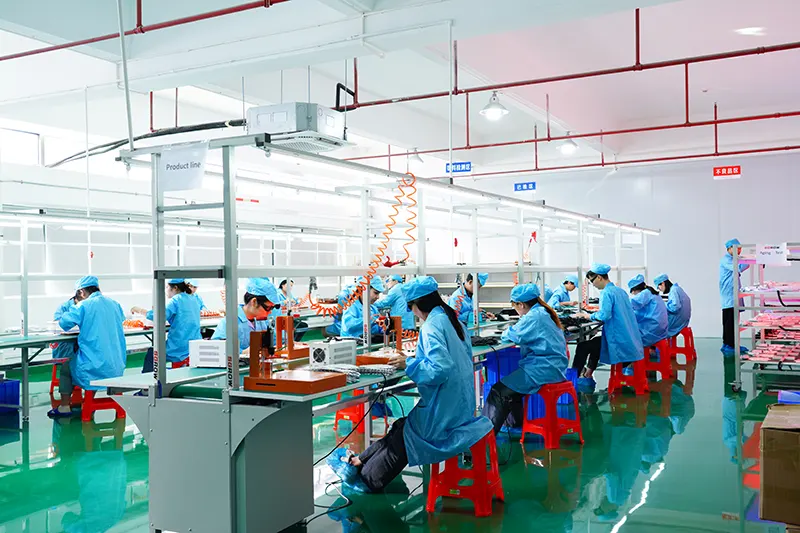
- Prova di invecchiamento: Eseguire i pannelli per 24-48 ore prima della spedizione per identificare i guasti precoci.
- Controllo dello spettrometro: Campionamento casuale per verificare l'accuratezza della lunghezza d'onda.
- Prova di caduta: Garantire che l'imballaggio protegga l'unità durante il trasporto.
🔹 Termini di garanzia
Le garanzie standard vanno da 1 a 3 anni. Una garanzia di 5 anni, come quello offerto da Pureluxtech sulle serie E ed Esplus, segnala un'eccezionale fiducia nella qualità dei componenti. Assicurarsi che la garanzia copra sia la serie di LED che l'alimentatore, e chiarire l'RMA (Autorizzazione alla restituzione della merce) procedura per le unità difettose.
Errori OEM comuni da evitare
- Concentrarsi solo sul prezzo: Le unità più economiche spesso utilizzano chip riciclati o driver di qualità inferiore, portando ad alti tassi di rendimento.
- Ignorare la gestione del calore: Il surriscaldamento riduce la durata della vita e può rappresentare un pericolo per la sicurezza.
- Specifiche vaghe: Definire sempre le lunghezze d'onda esatte, livelli di irradiazione, e tolleranze per iscritto.
- Saltare i campioni: Non effettuare mai un ordine all'ingrosso senza testare in prima persona un campione di pre-produzione.
Conclusione: Costruire un'eredità di qualità
Lo sviluppo di un pannello OEM per terapia a luce rossa e vicino infrarosso è un investimento strategico per il futuro del tuo marchio. Dando priorità a lunghezze d'onda precise, irradianza verificata, chip LED di alta qualità, e robusti standard di sicurezza, ti assicuri che il tuo prodotto offra un reale valore terapeutico ai clienti.
La collaborazione con un produttore esperto come Pureluxtech fornisce l'accesso a una tecnologia avanzata (come chip dual-core e lunghezze d'onda NIR estese), personalizzazione flessibile, e un impegno per la qualità supportato da una garanzia di 5 anni. La loro esperienza nella scalabilità da modelli per uso domestico come ES300 a sistemi clinici come ESPLUS1500 garantisce che possano soddisfare le vostre esigenze indipendentemente dal vostro segmento di mercato.
Nel panorama competitivo del benessere, le specifiche non sono solo numeri: sono promesse fatte ai tuoi clienti. Scegli saggiamente, verificare accuratamente, e costruire un prodotto che resista alla prova del tempo.
Pronto per iniziare il tuo progetto OEM? Contatta Pureluxtech oggi per discutere le tue specifiche, richiedere un campione, o scarica il loro catalogo all'ingrosso. Progettiamo insieme la prossima generazione di terapia della luce.