Poiché la domanda di soluzioni dermatologiche domiciliari continua a crescere, I dispositivi per la terapia della luce UVB sono emersi come una categoria chiave sia nel mercato del benessere dei consumatori che in quello dei trattamenti clinici. Dalla gestione della psoriasi e dell’eczema alla salute generale della pelle, La fototerapia UVB è ormai ampiamente riconosciuta come efficace, soluzione non invasiva.
Per i marchi, distributori, e fornitori medici, questa tendenza rappresenta una forte opportunità. Tuttavia, entrare nel mercato richiede più di un semplice prodotto: richiede il giusto OEM (Produttore di apparecchiature originali) partner.
Questa guida ti guiderà attraverso tutto ciò che devi sapere su come lavorare con un Produttore OEM di dispositivi per terapia della luce UVB, compresi i tipi di prodotto, certificazioni, opzioni di personalizzazione, e strategie di approvvigionamento.
Cos'è la terapia della luce UVB?
La terapia della luce UVB utilizza le lunghezze d'onda ultraviolette B (tipicamente 280–315 nm) per trattare varie condizioni della pelle. Funziona:
- Rallentamento della crescita anormale delle cellule della pelle
- Ridurre l'infiammazione
- Stimolare la produzione di vitamina D
Applicazioni comuni
- Psoriasi
- Eczema (dermatite atopica)
- Vitiligine
- Acne (in protocolli specifici)
- Cure dermatologiche generali
Esistono due categorie principali di UVB:
- UVB a banda larga (BB-UVB)
- UVB a banda stretta (NB-UVB, ~311–313 nm) → preferito nei dispositivi moderni
Per gli acquirenti OEM, NB-UVB è lo standard del settore, soprattutto per i dispositivi per uso domestico.
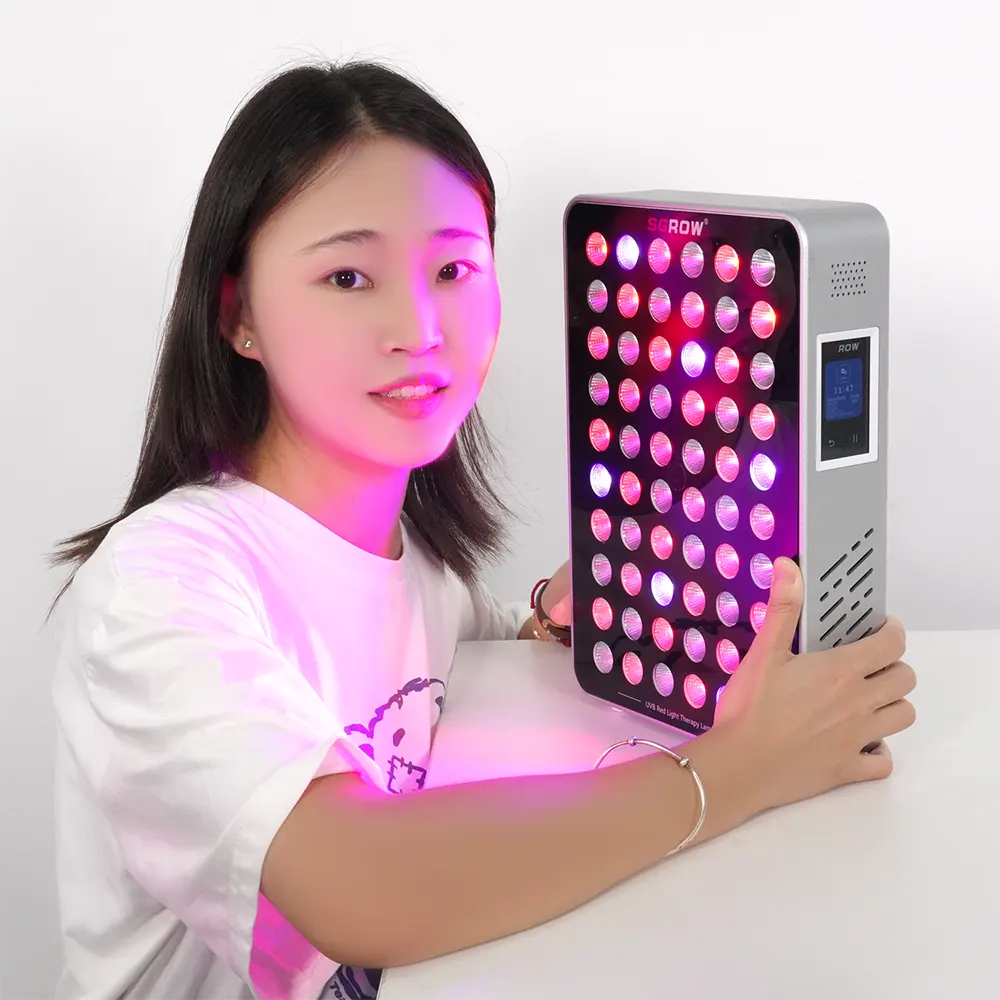
Perché la produzione OEM è importante
Scegliere un produttore OEM ti consente di farlo:
- Lancia il tuo marchio del distributore
- Personalizza le caratteristiche e il design del prodotto
- Ridurre R&D e costi di produzione
- Accelera il time-to-market
Invece di costruire dispositivi da zero, ti avvali di un produttore esperto:
- Competenza ingegneristica
- Catena di fornitura
- Supporto per la certificazione
- Capacità produttiva
Tipi di dispositivi per terapia della luce UVB
Quando si acquista da un produttore OEM, è importante comprendere le principali categorie di prodotti.
1. Pannelli per terapia della luce UVB per tutto il corpo
Questi sono grandi, sistemi ad alta potenza progettati per:
- Utenti del benessere domestico
- Ambulatori dermatologici
Caratteristiche principali:
- Elevata irradianza in uscita
- Ampia copertura del trattamento
- Timer e intensità regolabili
- Design a parete o su supporto
👉 Ideale per i brand che si rivolgono ai mercati premium della terapia domiciliare
2. Dispositivi UVB portatili
Compatto e portatile, vengono utilizzati questi dispositivi:
- Trattamento localizzato
- Uso domestico personale
Caratteristiche principali:
- Design leggero
- Potenza in uscita inferiore
- Funzionamento a batteria o plug-in
👉 Ideale per prodotti entry-level e canali e-commerce
3. Lampade per terapia UVB mirata
Progettato per aree specifiche del corpo:
- Cuoio capelluto
- Mani e piedi
- Trattamento viso
👉 Popolare nelle cliniche dermatologiche e nell'uso domestico specializzato
Specifiche chiave da valutare
Quando si lavora con un produttore OEM di terapia della luce UVB, è necessario valutare attentamente i parametri tecnici.
1. Precisione della lunghezza d'onda
- NB-UVB: 311-313 nm (fondamentale per l’efficacia)
- Garantisci un output coerente su LED o tubi
2. Irradianza (mW/cm²)
- Determina l'efficienza del trattamento
- Maggiore irradianza = tempo di trattamento più breve
3. Zona di trattamento
- Piccolo (dispositivi localizzati)
- Medio (pannelli)
- Sistemi per tutto il corpo
4. Tipo di sorgente luminosa
- Tubi fluorescenti UVB (tradizionale)
- LED UVB (tecnologia emergente)
5. Sistema di raffreddamento
- Raffreddamento passivo (piccoli dispositivi)
- Raffreddamento attivo (tifosi, dissipatori di calore per grandi impianti)
6. Sistema di controllo
- Impostazioni del timer
- Regolazione dell'intensità
- Blocco di sicurezza
Certificazioni e Conformità
I dispositivi per la terapia della luce UVB sono classificati come dispositivi medici o quasi-medici in molti mercati. La certificazione è fondamentale.
Certificazioni essenziali
- FDA (U.S.A.) – Obbligatorio per la vendita di dispositivi medici
- CE (Europa) – Obbligatorio per il mercato UE
- RoHS – Rispetto ambientale
- CEI 60601 – Standard di sicurezza elettrica medica
Perché questo è importante
- Garantisce la sicurezza del prodotto
- Costruisce la fiducia con distributori e cliniche
- Consente l'ingresso nei mercati regolamentati
👉Verifica sempre i documenti di certificazione direttamente con il tuo produttore.
Opzioni di personalizzazione OEM
Un forte partner OEM dovrebbe offrire una personalizzazione flessibile.
1. Marchio (Etichetta privata)
- Stampa del logo
- Imballaggio personalizzato
- Manuali di istruzioni
2. Progettazione industriale
- Forma e colore dell'alloggiamento
- Interfaccia utente (pulsanti, display)
3. Personalizzazione tecnica
- Sintonizzazione della lunghezza d'onda (Messa a fuoco NB-UVB)
- Livelli di potenza e irraggiamento
- Preimpostazioni del timer
4. Software & Funzionalità intelligenti
- Pannelli di controllo digitali
- Connettività dell'app (modelli di fascia alta)
Capacità di produzione da cercare
La scelta del produttore giusto è fondamentale per il successo a lungo termine.
Fattori chiave
1. Esperienza
- 5–Oltre 10 anni nella produzione di terapia della luce
- Comprovata esperienza di esportazione
2. Capacità produttiva
- Capacità di gestire ordini all'ingrosso
- Tempi di consegna stabili
3. R&Capacità D
- Supporto alla progettazione personalizzata
- Sviluppo di nuovi prodotti
4. Controllo di qualità
- Ispezione del materiale in entrata
- Test in linea
- Convalida del prodotto finale
Considerazioni su prezzi e MOQ
Il prezzo varia in base a:
- Tipo di dispositivo (palmare vs corpo intero)
- Potenza e caratteristiche
- Requisiti di certificazione
- Quantità dell'ordine
Struttura tipica
- MOQ (Quantità minima di ordine):
- 50–100 unità (piccoli dispositivi)
- 10–30 unità (grandi sistemi)
- Fascia di prezzo:
- Dispositivi portatili: costo inferiore
- Sistemi per tutto il corpo: prezzi premium
👉 Gli acquirenti OEM dovrebbero negoziare prezzi scaglionati per la scalabilità.
Logistica e catena di fornitura
Una logistica efficiente è essenziale per la distribuzione globale.
Opzioni di spedizione
- Trasporto aereo (veloce, costo più elevato)
- Trasporto marittimo (massa, conveniente)
Considerazioni sull'imballaggio
- Schiuma protettiva per lampade UV
- Cartoni per l'esportazione
- Conformità al test di caduta
Errori comuni da evitare
1. Ignorare la certificazione
La vendita di dispositivi non certificati può portare a problemi legali.
2. Scegliere in base solo al prezzo
I fornitori a basso costo spesso scendono a compromessi:
- Precisione della lunghezza d'onda
- Standard di sicurezza
3. Mancanza di differenziazione del prodotto
Senza personalizzazione, il tuo prodotto diventa una merce.
4. Scarsa comunicazione con il produttore
Specifiche e aspettative chiare sono fondamentali.
Tendenze future nei dispositivi per terapia UVB
Il mercato della terapia UVB si sta evolvendo rapidamente.
Tendenze chiave
- Spostarsi verso dispositivi per uso domestico
- Crescita di Tecnologia UVB basata su LED
- Integrazione con ecosistemi sanitari intelligenti
- Aumento della domanda di soluzioni portatili
Considerazioni finali
Entrare nel mercato della terapia della luce UVB è un’opportunità promettente, ma il successo dipende in larga misura dalla scelta del giusto partner di produzione OEM.
Un produttore affidabile non solo fornirà prodotti, ma supporterà anche il tuo marchio:
- Competenza tecnica
- Guida alla certificazione
- Funzionalità di personalizzazione
- Produzione scalabile
Sia che tu stia lanciando un nuovo marchio, espandere la tua linea di prodotti, o rifornire cliniche, investire tempo nella scelta del giusto partner OEM determinerà il vostro successo a lungo termine.