What Are the Benefits of Red Light Therapy?
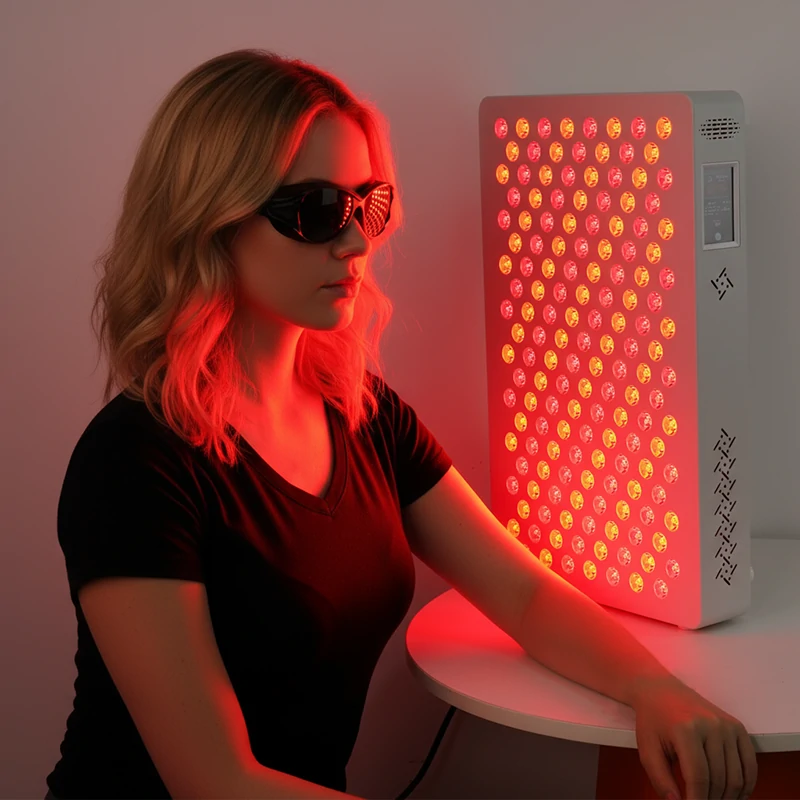
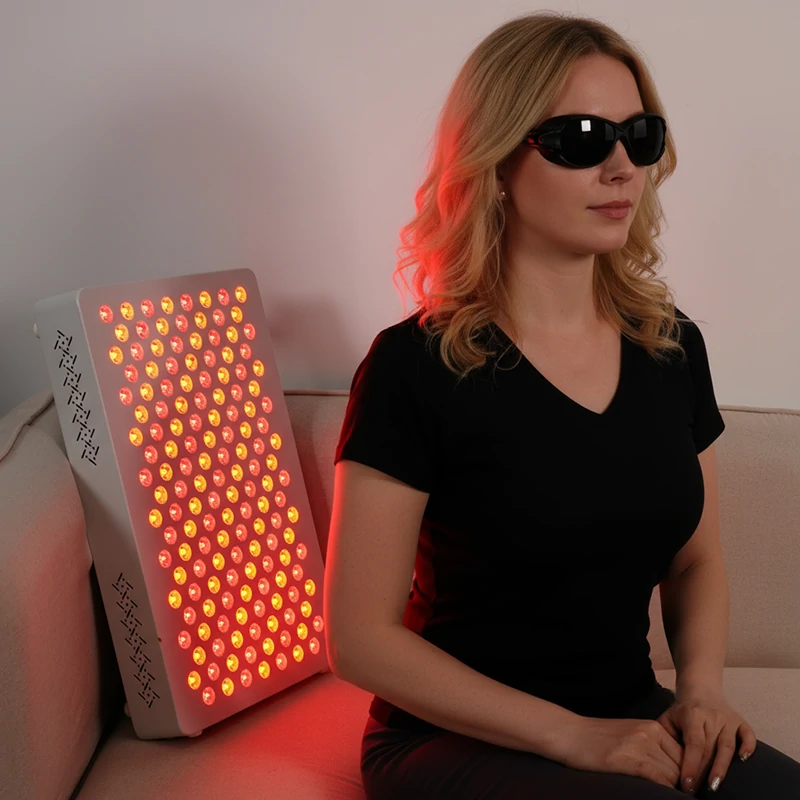
Red light therapy may help calm inflammation, support the skin barrier, boost collagen production, and aid recovery after in-office treatments like lasers. Dr. Gohara describes it as more of a skin-soothing and maintenance tool than a dramatic, overnight fix.
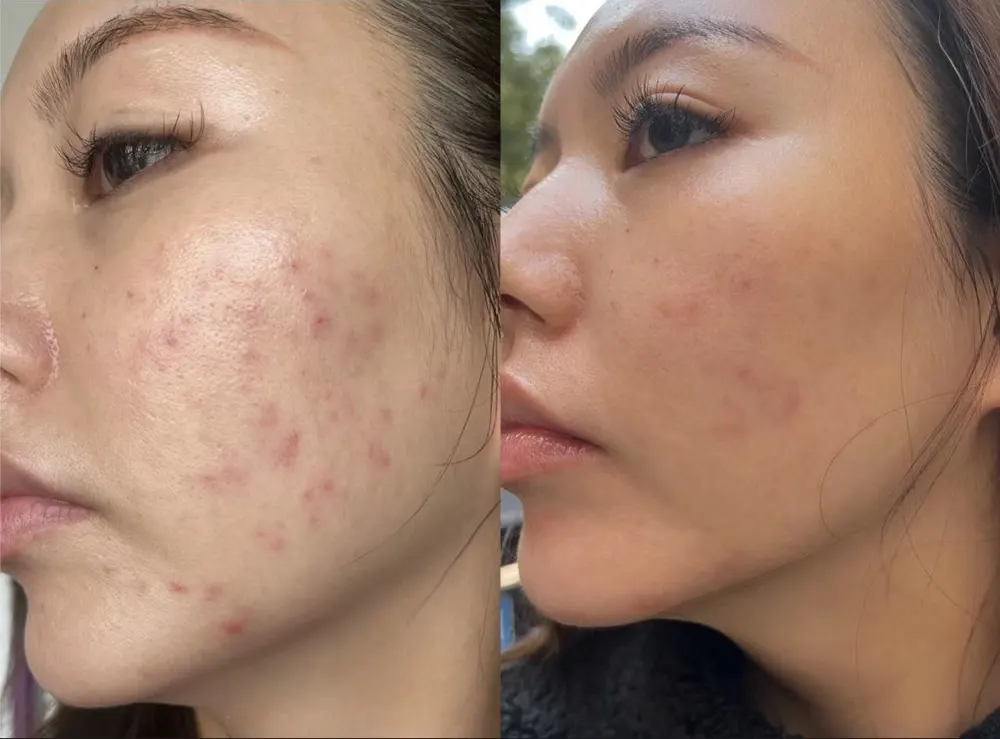
When red light is combined with blue light, it may also help improve breakouts. Blue light targets P. acnes bacteria, while red light helps reduce the inflammation that comes with acne, explains Dr. Obayomi. Research shows that using both together can lead to fewer breakouts over time, with studies reporting noticeable improvements after several weeks of consistent use.
That said, it’s important to keep expectations in check. At-home light therapy devices typically deliver lower-intensity light (often around 5–40 mW/cm²) than professional treatments (which can exceed 50 mW/cm²), so results tend to be more gradual and depend on consistent, regular use. As Dr. Obayomi notes, regular use over months—not days—is what’s most likely to lead to visible changes.
Lunghezze d'onda, explained
Most red light therapy devices actually leverage a range of light wavelengths to deliver more benefits to your skin — not just red. “The wavelength determines how deeply the light penetrates tissue and what processes it influences,” says Dr. Maccarone. When it comes to skincare devices, these are the most common:
Blue light (380—500 nm) stays close to the skin’s surface and can target acne-causing bacteria to reduce breakouts. It may also help with superficial inflammatory skin conditions like dermatitis, eczema, and psoriasis.
Luce rossa (630—660 nm) is absorbed into the skin and targets superficial concerns like acne, skin texture, elasticity, and firmness.
Near-infrared light (810—850 nm) penetrates deeper, reaching muscles, articolazioni, bones, and even the brain. NIR can help athletes with muscle recovery, infiammazione, and healing of injuries.
Some devices will also include green light (500-570 nm) to help stimulate collagen production and reduce pigmentation issues, or even amber light (570—600 nm) to target skin tone, rughe, and superficial inflammation (though not as powerfully as blue or red light).
How to Find the Best Red Light Therapy Mask for You
Finding the best red light therapy mask comes down to understanding your skin’s needs, comparing product specs, and considering features that fit your lifestyle. Below, we’ll walk you through what to look for before investing in one.
Your Needs
Everyone’s skin is different, which means there’s no one-size-fits-all red light therapy mask. Start by identifying your goals: are you hoping to reduce fine lines, calm redness, or target acne? These differences can guide which wavelengths and mask features will work best for you.
It’s also important to note that not everyone’s skin reacts the same way to red light. Talk with your doctor or dermatologist before using a red light mask if you have a skin condition or are taking a medication that increases light sensitivity.
Light Specifications
When comparing masks, pay attention to the light specifications. For visible results, the minimum recommended wavelengths are typically around 630–660 nm for red light and 810–850 nm for near-infrared light. The irradiance (power output) impacts how effectively light penetrates the skin. We recommend that you aim for at least 20–40 mW/cm² for at-home use.
Some devices only use red light, but others include multiple color settings, such as blue or near-infrared, for different benefits. If you want versatility, choose a mask that allows switching between or combining light types.
Tech Features
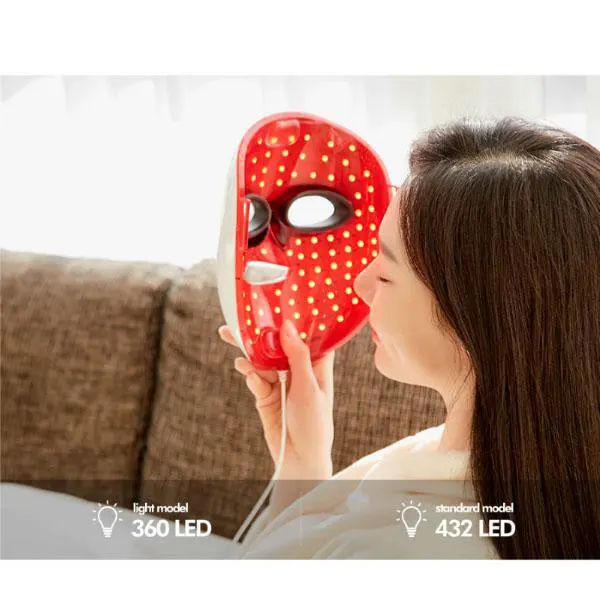
Red light therapy masks vary widely in design and convenience. Some models need to be plugged in, making them less portable but often more affordable. Others are wireless and rechargeable, ideal if you want to multitask or travel with your device.
Timer settings, auto shut-off functions, and adjustable intensity are also handy features. These small details can make your sessions more consistent and comfortable.
Domande frequenti (Domande frequenti)
Is red light therapy safe?
SÌ, red light therapy is safe. “Because LEDs do not produce ultraviolet radiation, they are considered a safer form of light therapy,” says Dr. Brendan Camp, double board-certified dermatologist and dermatopathologist with MDCS Dermatology in New York.
NO, it doesn’t cause cancer. Red light therapy devices don’t emit ultraviolet (UV) light, which is the primary cause of skin cancer. And studies have shown these devices don’t damage DNA or cause mutations of your skin cells.
Still, talk to your doctor if you’re on medications or have a condition that makes your skin more sensitive to light. If you take any medication that increases your sensitivity to the sun (like certain antibiotics, cardiovascular drugs, or diuretics), have a skin condition that causes photosensitivity, or a history of skin cancer, talk to your dermatologist before you start using a red light therapy device.
How effective is red light therapy?
It depends on your consistency and other skincare habits. At-home red light therapy devices can definitely improve skin health, but the results may also be temporary depending on your age, sun exposure levels, and habits like alcohol and tobacco use, Dr. Camp points out. Some ways you can maximize your potential benefits include:
Using other forms of skin therapy, like microcurrent and EMS devices
Following a regular, routine di cura della pelle antietà (daily SPF, retinol, and other active ingredients like vitamin C)
Using the device consistently (Dr. Camp says you should start to see results after two or more months)
What’s the best red light therapy mask?
The best red light therapy mask depends on your needs, skin type, and budget. Look for one that meets the right wavelength standards, offers sufficient irradiance, and includes comfort and safety features that fit your routine.