スキンケア TikTok または Instagram をスクロールする, そしてどこでも見かけるでしょう: 輝く有名人, インフルエンサー, 洗練されたデザインを身に着けている日常のユーザー, カラフルなLEDフェイスマスク. 主張は大胆だ. 「ガラスの皮が入っている」 7 日々。」 「消しゴムのようにシワを消す」 「みんなが隠している皮膚科医の秘密」しかし、誇大広告と並行して, より大きな質問が続く: LEDフェイスマスクは本当に効果があるのか?
短い答え: はい, ただし特定の条件下でのみ. LED 療法はマーケティング上の幻想ではありません, 奇跡でもない. これは十分に文書化されたフォトバイオモジュレーションの分野です (PBM) 何十年にもわたって臨床現場で使用されてきた. しかし, 家庭用マスクの有効性は完全にエンジニアリングの精度に依存します, 検証済みの光出力, 一貫した使用法, そして現実的な期待. このガイドはノイズをカットします, LEDマスクがどのように機能するかを正確に説明します, なぜ一部の人は配信できないのか, 時間とお金を投資する前に知っておくべきこと.
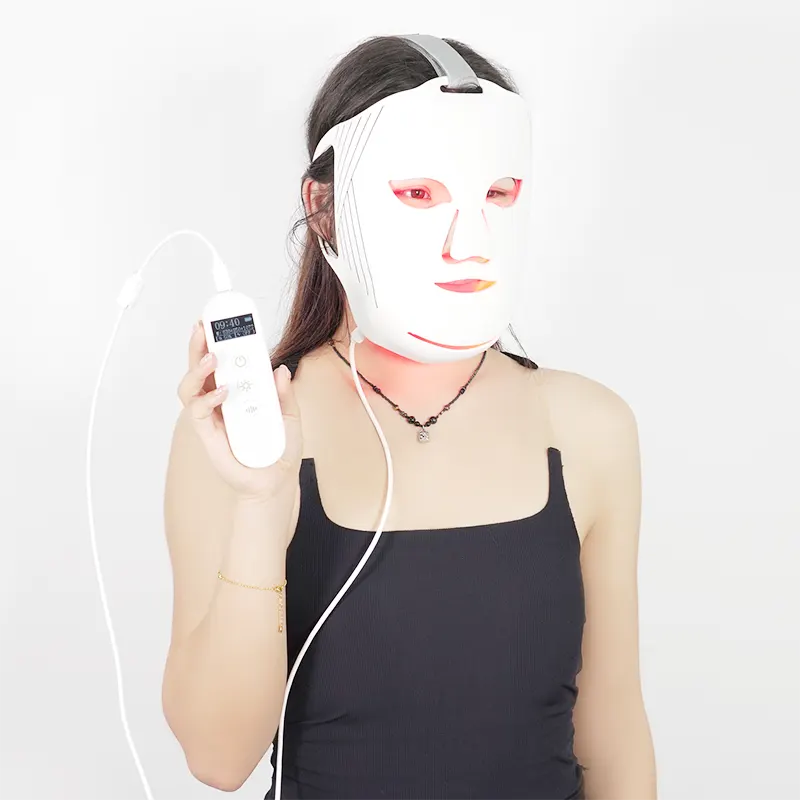
科学を簡素化: 光がスキンケアツールになるまで
LEDフェイスマスク 化学物質を使用しないでください, 角質除去, または熱. 彼らはやり遂げます 光生体調節- 特定の波長の光が皮膚を透過し、細胞の機械と相互作用するプロセス. このプロセスの中心にあるのはミトコンドリアです, あらゆる細胞の「発電所」.
治療用の光が肌に当たると, 光子は、と呼ばれる酵素によって吸収されます。 シトクロムCオキシダーゼ ミトコンドリア膜の中で. これにより一連の生物学的反応が引き起こされます:
- ATP生産量が増加する, 細胞に修復と再生のためのより多くのエネルギーを与える.
- 活性酸素種が正常化する, 酸化ストレスと慢性炎症を軽減する.
- 転写因子が活性化する, 新しいコラーゲンとエラスチンを生成するために線維芽細胞に信号を送る.
- 微小循環が改善される, 代謝老廃物を除去しながら酸素と栄養素を供給します.
波長が異なればターゲットとなる層や懸念事項も異なります:
- 630–660nm (赤信号): 真皮まで1~3mm浸透. コラーゲン合成を刺激する, 小じわを減らす, 表面の赤みを鎮めます.
- 810–880nm (近赤外線): 深さは3~5mmに達します. 組織の修復を促進します, 炎症を調節する, 構造的な堅さをサポートします.
- 415–460nm (ブルーライト): ニキビの原因となる細菌をターゲットにする (C. ニキビ) 内部から病原体を破壊する光感受性ポルフィリンを活性化することにより. 皮脂生成の調節にも役立ちます.
これは投機的な生物学ではありません. 査読済みです, 世界中の皮膚科および医療用途で FDA の認可を取得した、臨床的に検証された科学.
臨床研究が実際に示していること
懐疑論は健全だ, 特に約束の上に成り立っている業界では. しかしLED療法に関するデータはしっかりしている. 複数のランダム化比較試験と体系的レビューにより、デバイスが治療閾値を満たした場合の測定可能な利点が確認されています:
- あ 2014 で勉強する 光線医学とレーザー手術 参加者が633nmの赤色光を使用していることがわかりました。 12 数週間で肌の色調に大幅な改善が見られました, コラーゲン密度, プラセボと比較したしわの深さ.
- に発表された研究 美容とレーザー療法のジャーナル 赤と青の LED 療法を組み合わせた治療により、炎症性座瘡病変が最大で軽減されることが実証されました。 46% 4 ~ 6 週間継続的に使用した後.
- あ 2021 でレビューする 皮膚外科 検証済みの放射照度と適切な投与プロトコルを備えた家庭用 LED デバイスは、臨床的に意味のある光老化の改善をもたらすと結論付けました。, 肌の弾力性, そしてバリア機能.
認定皮膚科医の間でのコンセンサスは明らかです: LED 療法は、デバイスが適切な波長を提供するときに機能します。, 十分な強度で, 一貫したアプリケーションで. 重度の症状に対する処方治療に代わるものではありません, しかし、それは強力な役割を果たします, メンテナンスのための非侵襲的な補助装置, 早期介入, そして肌の弾力性.
多くのマスクが「効果がない」理由 (リアリティチェック)
科学がしっかりしていれば, 一部のユーザーが結果を報告しないのはなぜですか? 答えは臨床グレードのエンジニアリングと消費者グレードのマーケティングの間のギャップにあります.
家庭用 LED 市場は、効率よりも美しさを優先する製品で飽和しています. よくある落とし穴には次のようなものがあります。:
- 不正確または未検証の波長: 「赤色光」とラベル付けされたマスクは、実際には広域スペクトルまたは不十分に調整されたLEDを放射し、生物学的ターゲットを見逃します.
- 治療量以下の放射照度: 多くの低価格マスクは効果をもたらします <10 皮膚表面での mW/cm2. 下に 20 mW/cm2, 光は心地よいかもしれないが、意味のあるミトコンドリアの活性化を引き起こすことはできない.
- 顔のフィット感が悪い: 硬質プラスチックまたは平らな生地のデザインにより、顎のラインに沿って影のゾーンが作成されます。, 頬, そしてほうれい線, 重要な領域が十分に治療されていないままになる.
- 投与量管理の欠如: 明るさ調整なし, タイマー, またはパルス変調, ユーザーは過少投与のリスクがある (結果はありません) または過剰摂取 (細胞阻害).
- 誤解を招く主張: 「FDA 登録済み」とは、製造施設が FDA に登録されていることのみを意味します. それはあります ない デバイスが性能または安全性の審査を受けていることを意味します. 「FDA 認可」または「FDA 承認」のデバイスのみが臨床評価に合格しています。.
LED療法は次のとおりです。 アルント・シュルツ曲線, 光生物学の基本原理: 光が少なすぎると効果がありません, 最適な光が細胞反応を刺激します, そして光が多すぎるとそれが抑制されます. 安価なマスクが治療効果を発揮することはほとんどない.
4 実際の結果を決定する交渉の余地のない仕様
実際に機能する LED マスクが必要な場合, LEDの数を超えて見る, 色の多様性, またはインフルエンサーの推薦. これら 4 つのエンジニアリング標準を確認します:
1️⃣ 波長精度 (±5nmの許容差)
効果的な光生体調節には正確なピーク波長が必要です. 専門メーカーは、分光放射計で校正された LED を使用して、出力が治療範囲内に収まるようにしています。 (例えば, 633±5nm, 「赤あたり」ではない). たとえわずかなドリフトであっても、生物学的反応が活性から不活性に変化します.
2️⃣ 皮膚表面での放射照度 ≥20 mW/cm²
放射照度はパワー密度を測定します. 臨床研究では、測定可能なコラーゲン刺激の最小閾値は 20 mW/cm2 以上であることが一貫して示されています。, 炎症の軽減, そして細菌の除去. プレミアムデバイスは、最適化されたレンズアライメントにより 20 ~ 40+ mW/cm² を供給します, 安定したドライバー, 戦略的な LED 配置. 常にサードパーティの放射照度テストレポートをリクエストしてください.
3️⃣ 3D/4D 人間工学に基づいたフィット感 & ≥95% のカバー率
あなたの顔は平らではありません. 医療グレードの柔軟なシリコンまたは液体シリコンの型が顔の輪郭にフィットします, 一貫した2~5mmの治療距離を維持. これにより、明るい影が除去されます, 均一な投与を保証します, ユーザーのコンプライアンスを向上させます (滑らない, プレッシャーポイントがない).
4️⃣ 規制認証 & 安全性の遵守
検証可能なドキュメントを探す:
- FDA 510(k) クリアランス: 皮膚治療の謳い文句の安全性と性能を確認.
- CE MDR マーキング: EU 医療機器の市販後調査への準拠.
- IEC 62471: 光生物学的安全性 (目と皮膚の保護).
- IEC 60601-1: 美顔器の電気的安全性.
- ISO 10993: 皮膚に接触する材料の生体適合性試験. 認定資格はオプションの贅沢品ではありません. これらは、デバイスが不安定な出力を提供しないことを保証するものです, サーマルスパイク, またはアレルギー反応.
現実的なタイムライン: 期待されること & いつ
LED療法は累積的です. コラーゲンのリモデリング, 細菌の減少, バリア強化には時間がかかる. 一貫した状態での典型的な 8 ~ 12 週間の進行は次のとおりです。, 正しい使い方:
|
時間枠
|
生物学的に何が起こっているのか
|
目に見える兆候
|
|---|---|---|
|
第 1 ~ 2 週目
|
ミトコンドリアの活性化, 炎症の調節
|
肌が落ち着いた感じになる, 反応性が低い, もう少し明るい
|
|
3~4週目
|
線維芽細胞の刺激, 細胞代謝回転の加速
|
新たな吹き出物が少なくなる, より早い治癒, より滑らかな質感
|
|
5 ~ 8 週目
|
コラーゲン & エラスチン合成, 微小循環の促進
|
小じわが柔らかくなる, 毛穴が洗練されて見える, 硬さが改善される
|
|
9 ~ 12 週目以降
|
細胞外マトリックスのリモデリング, 構造的サポート
|
しわの深さが目に見えて減少しました, 顎のライン/頬の輪郭が強調されます, 長期的な回復力
|
進捗状況を客観的に追跡する: 一定の照明の下で毎週写真を撮ります, 同じ角度, 同じ時間帯. 毎日のミラーチェックでは段階的な変化を見逃すことがよくあります. 忍耐はオプションではなく、プロトコルの一部です.
実際に結果を得る方法: プロトコル & ベストプラクティス
LED マスクの効果は日常生活の中でのみ発揮されます. 証拠に裏付けられたガイドラインに従ってください:
- 頻度: 3– 週5回のセッション. 毎日使用しても結果が早くなるわけではなく、一時的な乾燥や細胞疲労を引き起こす可能性があります。.
- セッションの長さ: 10 数分が臨床上のスイートスポットです. 自動タイマーで露出オーバーを防止.
- 準備: 徹底的に浄化する. メイクを落とす, 日焼け止め, そして重い血清. 光は素肌に届く必要があります.
- 位置: LED が高懸念ゾーンに揃うようにマスクを固定します. 隙間や過剰な圧力がないことを確認してください.
- ポストケア: 内で 10 分, ペプチド複合体を適用する, セラミド保湿剤, ヒアルロン酸とか. ミトコンドリア活性の強化により、栄養素の吸収が最大で増加します 60 分.
- 避ける: レチノイド, AHA/BHA, セッションの直前または直後に高強度ビタミンCを摂取. 間隔をあけて配置する 2+ バリアの破壊を防ぐために数時間の間隔をあけてください.
- 衛生: で内面を拭きます 70% 使用後はイソプロピル アルコールまたは医療グレードの消毒用ワイプを使用する. 完全に自然乾燥させます.
神話 vs. 事実
|
神話
|
事実
|
|---|---|
|
「結果は3~7日で現れます。」
|
コラーゲンのリモデリングと細菌の除去には4~8週間かかる. 速いクレームはマーケティングを示しています, 科学ではない.
|
|
「より多くの色 = より良い結果が得られます。」
|
赤のみ, 近赤外線, とブルーは家庭での皮膚科使用に関して堅牢な臨床検証を行っています。. 余分な色は放射照度を弱め、生物学的ターゲットを欠きます.
|
|
「目の保護具は必要ありません。」
|
明るい LED に長時間直接さらすことは推奨されません. 常に不透明なアイシールドを使用するか、目をそっと閉じてください.
|
|
「LED マスクは皮膚科医の治療に取って代わるものです。」
|
メンテナンスと早期介入に優れています, しかしひどいニキビ, 深いシワ, または専門的な治療が必要な病状.
|
|
「USB給電式のマスクであればどれでも使えます。」
|
低電圧家庭用電化製品には安定したドライバが不足していることがよくあります, 出力が不安定になり、バッテリーが急速に劣化します。. 医療グレードの回路により治療量を維持.
|
結論: 科学, 魔法ではありません
それで, LEDフェイスマスクは本当に効果があるのか? はい, 臨床基準に合わせて設計され、規律ある一貫性をもって使用される場合. 10年分の太陽光ダメージを一夜にして消し去ることはできない, また、重篤な症状に対する処方療法に代わるものでもありません。. しかし、非侵襲的として, バリアフリー補助具, LED マスクは細い線に目に見える改善をもたらします, テクスチャ, 赤み, ニキビの透明度, 肌全体の弾力性.
鍵となるのは情報に基づいた選択です. 検証済みの波長を優先する, 治療用放射照度, 人間工学に基づいたフィット感, 派手なマーケティングやインフルエンサーによる誇大宣伝よりも認められた認定資格. 8~12週間のプロトコールを遵守する. サポート力のあるスキンケアと組み合わせる. 進捗状況を客観的に追跡する. そして、数十年の研究で最も効果があることが確認されているものを、フォトバイオモジュレーションに任せましょう: 肌を内側から新しくする, 一度に 1 つの最適化されたセッション.