What is Light Therapy for Dogs?
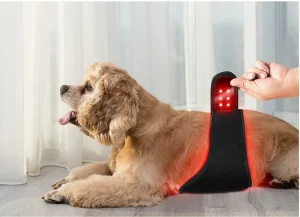
Infra-red light therapy can make a huge difference to your dog if they have had an injury or operation, are suffering from a chronic, degenerative musculoskeletal condition like arthritis or hip dysplasia, have dermatological issues, or even just need a bit of comfort for their creaky aging joints.
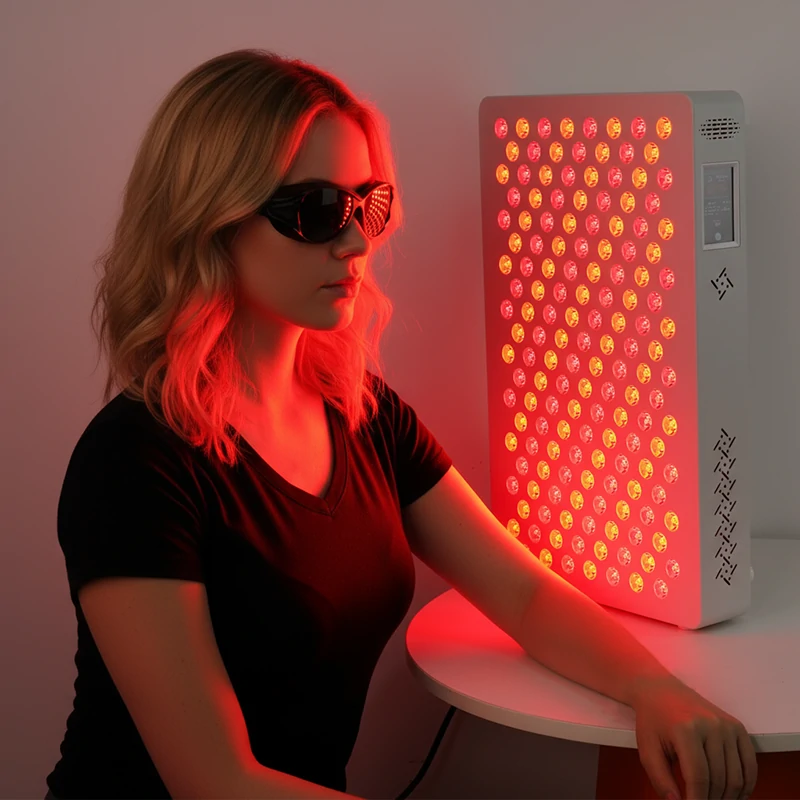
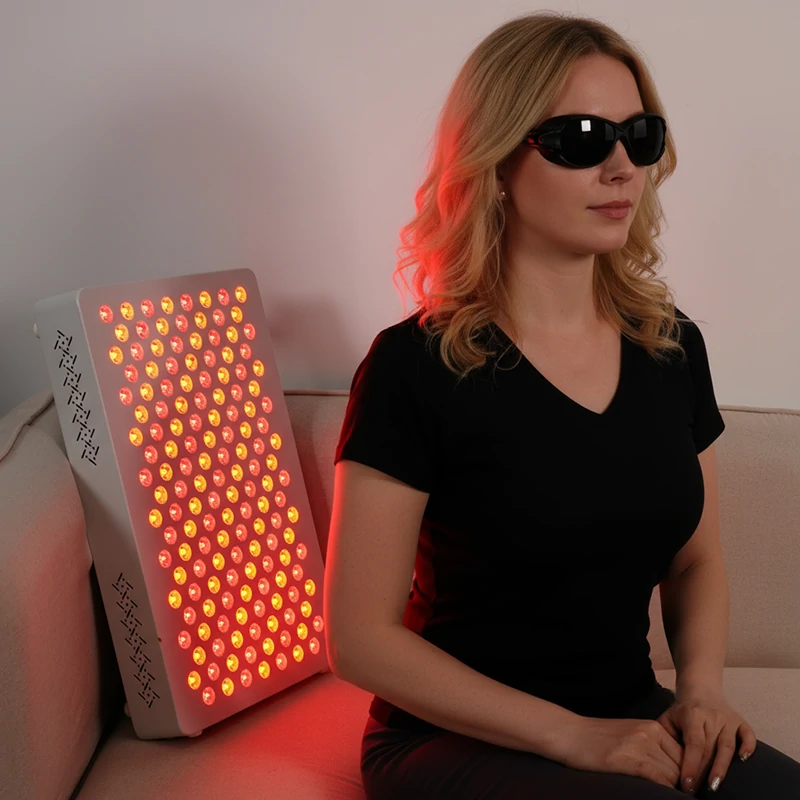
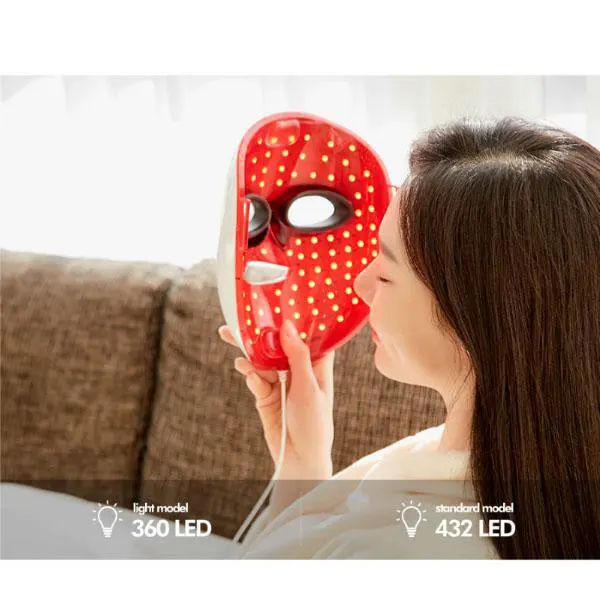
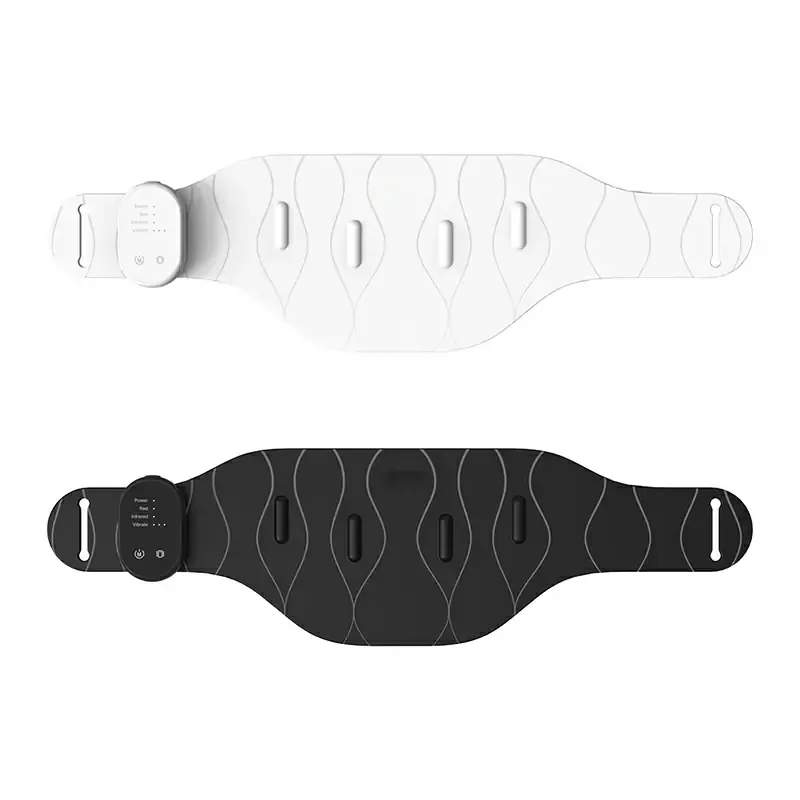
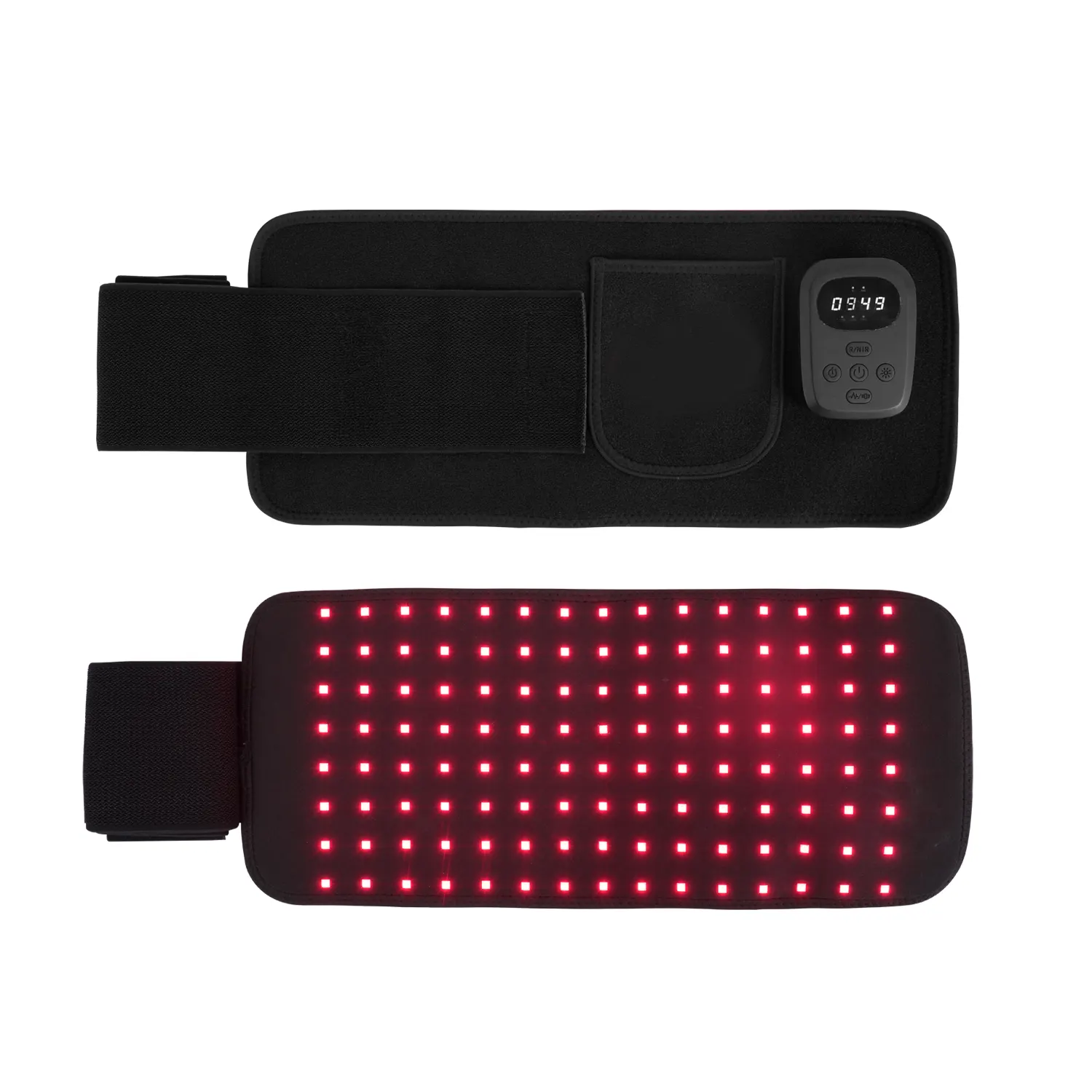
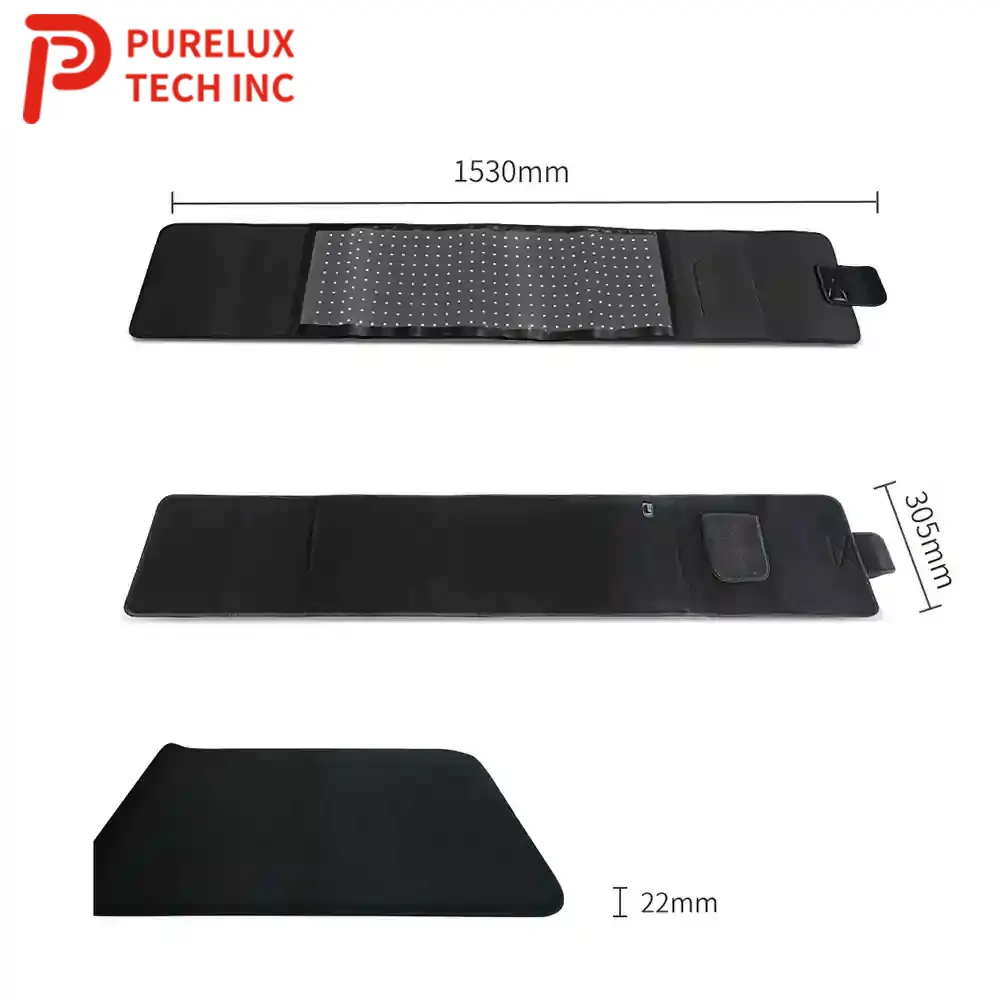
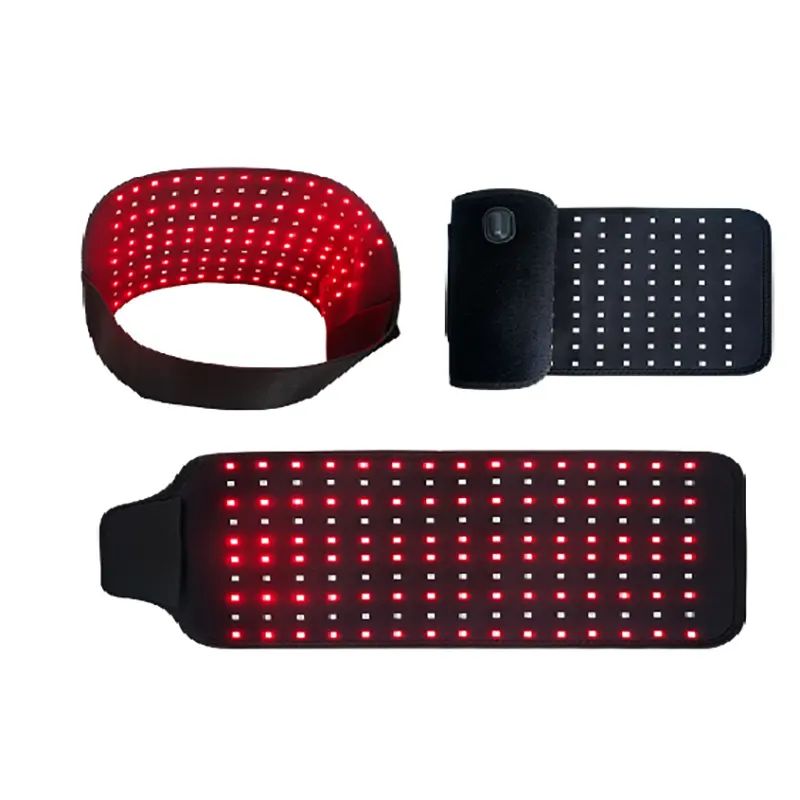
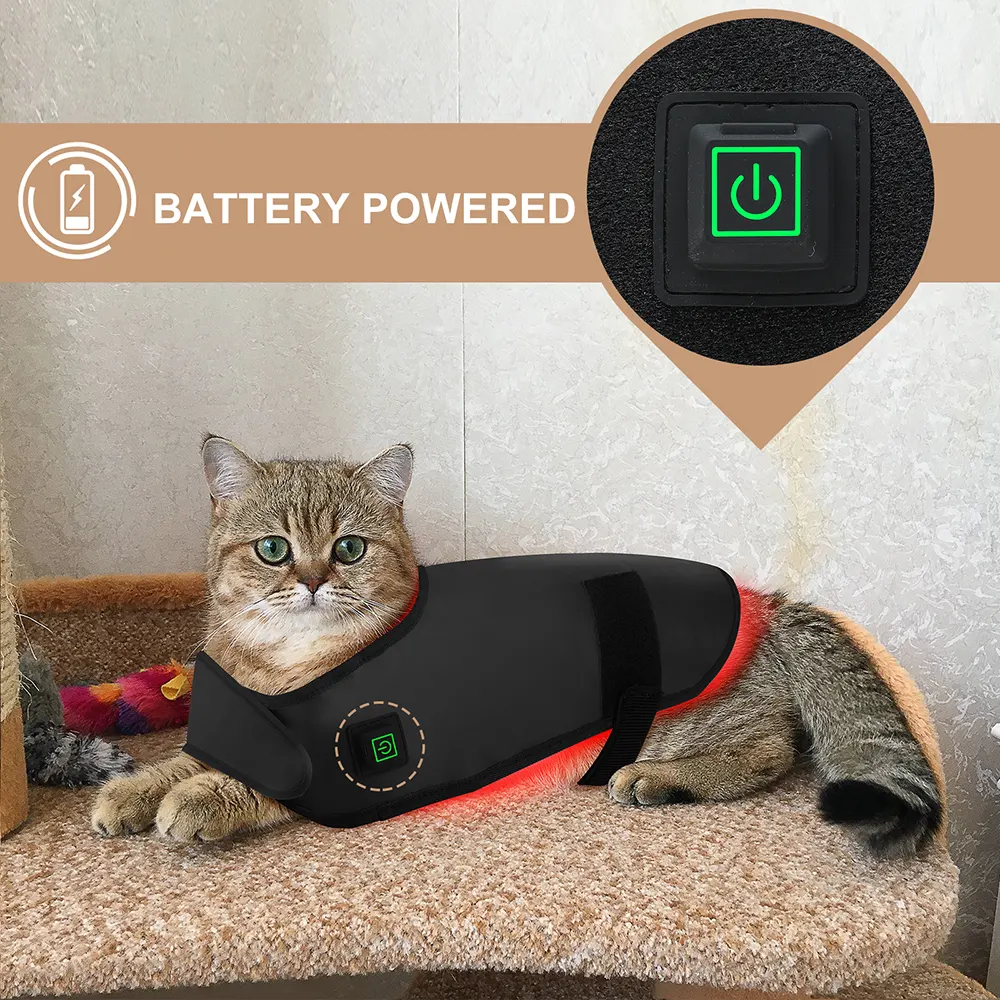
Light therapy is non-invasive, simply buy a wrap or device that contains LEDs and fix to the limbs or around the torso.
Don’t worry. This comprehensive step-by-step guide walks you through everything you need to know about using red light therapy on your dog at home—from unboxing your device to seeing real results.
By the end of this guide, you’ll have the confidence and knowledge to start treatment today.
## Before You Begin: Preparation
### Step 1: Veterinary Consultation
**Before your first treatment:**
✅ **Get a proper diagnosis**
– Know exactly what condition you’re treating
– Understand the expected outcomes
– Rule out contraindications
✅ **Discuss red light therapy with your vet**
– Share the device specifications
– Ask about any concerns specific to your dog
– Get their recommended protocol if possible
✅ **Establish baseline measurements**
– Pain score (1-10 scale)
– Mobility assessment (how easily they move)
– Photos of visible conditions
– Note current medications
**Why this matters:** Your vet can help you set realistic expectations and ensure red light therapy is appropriate for your dog’s specific situation.
### Step 2: Choose the Right Treatment Space
**Ideal treatment area characteristics:**
📍 **Quiet and calm**
– Minimal distractions
– Away from household traffic
– Comfortable temperature
📍 **Comfortable surface**
– Non-slip flooring (yoga mat works well)
– Soft bedding if your dog will lie down
– Enough space to position device properly
📍 **Good lighting**
– Enough light to see what you’re doing
– Not so bright that it competes with the therapy light
– Ability to dim if your dog is light-sensitive
📍 **Convenient location**
– Easy to access daily
– Near power outlet
– Easy to clean (in case of accidents)
**Good options:**
– Laundry room (quiet, easy to clean)
– Spare bedroom (calm, comfortable)
– Corner of living room (if quiet during treatment times)
– Garage (if temperature-controlled and comfortable)
**Avoid:**
– High-traffic areas
– Near loud appliances
– Extremely hot or cold spaces
– Areas with strong odors (dogs may be distracted)
### Step 3: Gather Your Supplies
**Essential items:**
| Item | Purpose | 注意事項 |
|——|———|——-|
| Red light therapy device | Treatment | Fully charged or near outlet |
| Timer | Track sessions | Built-in or phone timer |
| Treats | Positive reinforcement | High-value, small pieces |
| Water bowl | Hydration | Fresh water available |
| Treatment log | Track progress | Notebook or app |
| Camera | Document progress | Before/after photos |
**Optional but helpful:**
– Pet-safe eye protection (goggles)
– Comfort item (favorite toy, blanket)
– Clicker (for training-positive association)
– Treat pouch (hands-free treat access)
– Yoga mat (comfortable, non-slip surface)
### Step 4: Learn Your Device
**Before treating your dog:**
📖 **Read the manual thoroughly**
– Understand all features
– Know recommended distances
– Learn timer settings
– Review safety warnings
🔌 **Test the device**
– Turn it on without your dog present
– Check all settings work
– Verify timer functions
– Feel the heat output (should be minimal)
📏 **Measure treatment distances**
– Most devices: 6-12 inches from skin
– Some contact devices: touch the skin
– Mark distance if helpful (tape on floor)
⏱️ **Practice timing**
– Set timer for intended duration
– Get comfortable with controls
– Practice positioning without rushing
**Pro tip:** Spend 10-15 minutes familiarizing yourself with the device before your dog’s first session. Your confidence will help your dog stay calm.
## First Treatment: Getting Started
### Step 5: Create Positive Associations
**Before turning on the device:**
🎯 **Session 1-2: Device Introduction (No Light)**
1. Place device in treatment area (turned off)
2. Let your dog investigate naturally
3. Reward any interest or calm behavior
4. Keep sessions short (2-3 分)
5. End on a positive note
**Goal:** Your dog should see the device as neutral or positive, not scary.
🎯 **Session 3-4: Sound Introduction (No Light)**
1. Turn device on briefly (1-2 seconds)
2. Immediately reward calm behavior
3. Gradually increase duration (5 sec, 10 sec, 30 sec)
4. Watch for any fear responses
5. Go at your dog’s pace
**Goal:** Your dog should be comfortable with any device sounds.
🎯 **Session 5+: Full Treatment Introduction**
1. Turn on device at lowest setting
2. Keep first session very short (1-2 分)
3. Continuously reward calm behavior
4. Gradually increase to full treatment time
5. Always end positively
**Goal:** Your dog associates red light therapy with good things.
### Step 6: Proper Positioning
**General positioning principles:**
📐 **Distance from skin:**
– Most devices: 6-12 インチ
– Contact devices: gently touch skin
– Follow your device’s specific recommendations
📐 **Angle:**
– Perpendicular (90°) to treatment area
– Maximizes light penetration
– Avoid extreme angles
📐 **Stability:**
– Keep device steady during treatment
– Use stand or mount if available
– If handheld, rest your arm for stability
**Positioning by treatment area:**
**🦴 Hip Treatment:**
1. Position dog lying on side
2. Locate hip joint (greater trochanter—bony prominence)
3. Position device directly over joint
4. Ensure full coverage of joint area
5. Treat both hips even if only one is affected
**🦵 Knee (Stifle) Treatment:**
1. Gently extend or slightly flex the knee
2. Locate joint line (where femur meets tibia)
3. Position device over joint
4. Include surrounding muscles if possible
5. Support leg comfortably
**🦴 Elbow Treatment:**
1. Extend leg forward gently
2. Locate elbow joint
3. Position device directly over joint
4. Hold steady for full duration
5. Watch for any discomfort
**🔙 Back/Spine Treatment:**
1. Position dog standing or lying comfortably
2. Start at base of neck or tail (your choice)
3. Move device in sections along spine
4. Spend 2-3 minutes per section
5. Focus on areas showing most stiffness
**🎯 Wound/Incision Treatment:**
1. Ensure area is clean and dry
2. Position device 6-8 inches away
3. Cover entire wound plus 1-inch margin
4. Avoid contact unless device is designed for it
5. Follow vet’s wound care instructions
### Step 7: Treatment Duration
**Standard treatment times:**
| Condition Type | Duration per Area | 頻度 |
|—————-|——————-|———–|
| **Acute injury** | 3-5 分 | Daily for 1-2 週 |
| **Chronic pain/arthritis** | 5-8 分 | 3-5x/week initially |
| **Post-surgical** | 5-8 分 | Daily for 2-4 週 |
| **Wound healing** | 3-5 分 | 1-2x daily |
| **Maintenance/wellness** | 5-8 分 | 2-3x/week |
**Adjustments by dog size:**
| Dog Size | Base Time | Adjustment |
|———-|———–|————|
| Small (<20 lbs) | 3-5 分 | Start lower |
| Medium (20-60 lbs) | 5-8 分 | Standard |
| Large (60-100 lbs) | 8-10 分 | Add 2-3 min |
| Extra Large (100+ lbs) | 10-15 分 | Add 5-7 min |
**Important:** More is NOT better. Stick to recommended times. Over-treatment can reduce effectiveness.
### Step 8: During Treatment
**What to do:**
✅ **Stay calm and relaxed**
– Dogs sense your energy
– Speak in soft, reassuring tones
– Breathe normally
✅ **Monitor your dog**
– Watch for signs of discomfort
– Note any restlessness
– Observe breathing pattern
– Check for relaxation signs
✅ **Provide gentle reassurance**
– Occasional gentle petting (if it doesn’t move dog)
– Soft verbal praise
– Treats for calm behavior
✅ **Keep time accurately**
– Use timer (don’t estimate)
– Note actual treatment time in log
– Be consistent session to session
**What NOT to do:**
❌ Don’t force your dog to stay still
❌ Don’t treat if your dog is clearly distressed
❌ Don’t look directly at the light (protect your eyes)
❌ Don’t leave dog unattended with device on
❌ Don’t rush through the session
### Step 9: Recognizing Relaxation vs. Distress
**Signs your dog is relaxed:**
😌 **Body language:**
– Soft, relaxed facial expression
– Eyes may close or half-close
– Normal, steady breathing
– Loose body posture
– May lie down or settle
😌 **Behavior:**
– Accepts treats gently
– May sigh or groan (contentment)
– Doesn’t try to move away
– May fall asleep
**Signs your dog is stressed:**
😰 **Body language:**
– Tense muscles
– Whale eye (showing whites of eyes)
– Ears pinned back
– Tail tucked
– Excessive panting
😰 **Behavior:**
– Trying to move away
– Whining or vocalizing
– Excessive lip licking
– Yawning (when not tired)
– Trembling
**If you see stress signs:**
1. Stop treatment immediately
2. Comfort your dog
3. End session on positive note (treat, praise)
4. Next session: shorter duration, go slower
5. Consider consulting trainer or behaviorist if persists
**Most dogs:** Relax and enjoy treatment. Many fall asleep!
—
## Building a Treatment Routine
### Step 10: Establishing Consistency
**Why consistency matters:**
– Red light therapy works cumulatively
– Regular treatment = better results
– Skipping sessions delays progress
– Routine helps your dog know what to expect
**Creating your schedule:**
📅 **Initial Phase (週間 1-4):**
– 頻度: Daily or every other day
– Best times: Same time each day
– 間隔: As recommended for condition
– Goal: Build momentum, reduce acute symptoms
📅 **Improvement Phase (週間 5-8):**
– 頻度: 4-5 times per week
– Can skip 1-2 days per week
– 間隔: Same as initial phase
– Goal: Consolidate gains, continue healing
📅 **Maintenance Phase (週 9+):**
– 頻度: 2-3 times per week
– Can be more flexible with timing
– 間隔: May reduce slightly
– Goal: Maintain improvements, prevent regression
**Sample weekly schedule:**
**週 1-4 (Initial):**
“`
Monday: ✓ Treatment
Tuesday: ✓ Treatment
Wednesday: ✓ Treatment
Thursday: ✓ Treatment
Friday: ✓ Treatment
Saturday: ✓ Treatment
Sunday: ✓ Treatment
“`
**週 5-8 (Improvement):**
“`
Monday: ✓ Treatment
Tuesday: ✓ Treatment
Wednesday: ✓ Treatment
Thursday: Rest
Friday: ✓ Treatment
Saturday: ✓ Treatment
Sunday: Rest
“`
**週 9+ (Maintenance):**
“`
Monday: ✓ Treatment
Tuesday: Rest
Wednesday: ✓ Treatment
Thursday: Rest
Friday: ✓ Treatment
Saturday: Rest
Sunday: Rest
“`
### Step 11: Integrating into Daily Life
**Making it sustainable:**
⏰ **Link to existing routines:**
– After morning walk
– Before dinner
– During your coffee time
– While watching TV
📍 **Keep equipment accessible:**
– Don’t pack device away after each use
– Keep treatment area ready
– Have treats easily accessible
– Timer always available
📝 **Use reminders:**
– Phone alarm
– Calendar notification
– Treatment log visible
– Partner accountability
🎯 **Start small:**
– Begin with 2-week commitment
– Build from there
– Don’t overwhelm yourself
– Consistency > perfection
**Tips for busy schedules:**
– Treat while working from home
– Combine with grooming time
– Treat while dog is resting anyway
– Weekend catch-up is okay occasionally
### Step 12: Tracking Progress
**Why track:**
– Motivation when progress seems slow
– Objective data (not just feelings)
– Information to share with vet
– Adjust protocol if needed
**What to track:**
📊 **Daily treatment log:**
“`
Date: ___________
Session #: _______
Treatment area: __
間隔: _______
Dog’s mood before: _______
Dog’s mood after: _______
注意事項: _____________
“`
📊 **Weekly assessments:**
– Pain score (1-10)
– Mobility score (1-10)
– Activity level
– Medication changes
– Behavioral changes
– Photos (weekly)
📊 **Milestone tracking:**
– First time climbing stairs easily
– First walk without limping
– First time playing after treatment
– Medication reduction
– Vet assessment improvements
**Sample progress tracking:**
| 週 | Pain Score (1-10) | Mobility Score (1-10) | 注意事項 |
|——|——————-|———————-|——-|
| 0 (Baseline) | 7 | 4 | Reluctant to climb stairs |
| 1 | 6 | 5 | Slightly easier to stand |
| 2 | 5 | 5 | Less morning stiffness |
| 3 | 4 | 6 | Climbing stairs better |
| 4 | 3 | 7 | Playing briefly |
| 6 | 2 | 8 | Off NSAIDs |
| 8 | 2 | 8 | Maintaining improvement |
—
## Troubleshooting Common Challenges
### Challenge 1: Dog Won’t Stay Still
**Problem:** Your dog keeps moving during treatment.
**Solutions:**
✅ **Shorter sessions:**
– Start with 1-2 分
– Gradually increase as tolerance builds
– Multiple short sessions better than one long struggle
✅ **Better timing:**
– Treat after exercise (tired dog)
– Treat during natural rest time
– Treat when dog is sleepy
✅ **More reinforcement:**
– Higher-value treats
– Continuous treats during session
– Praise and petting
✅ **Position changes:**
– Try standing instead of lying
– Try different room
– Try treating while dog is in crate (if comfortable there)
✅ **Help from family:**
– One person treats, one person holds/rewards
– Take turns
– Make it a team activity
✅ **Device positioning:**
– Use stand for hands-free
– Treat while dog is sleeping
– Gentle restraint (only if dog accepts it)
### Challenge 2: Dog Seems Afraid of Device
**Problem:** Your dog is scared of the device or light.
**Solutions:**
✅ **Go slower:**
– More desensitization sessions
– Don’t rush to full treatment
– Let dog set the pace
✅ **Change associations:**
– Device = amazing treats
– Light comes on = party time
– End session before dog gets stressed
✅ **Modify device:**
– Cover light initially (let dog hear only)
– Start with device further away
– Use lowest power setting
✅ **Try different approach:**
– Treat while device is in another room (gradually move closer)
– Have someone else operate device
– Try treating in different location
✅ **Consider device type:**
– Some dogs prefer handheld (less intimidating)
– Some prefer panel (further away)
– Noise level may be issue (try quieter device)
### Challenge 3: Not Seeing Results
**Problem:** After several weeks, you’re not seeing improvement.
**Solutions:**
✅ **Check your protocol:**
– Are you treating consistently?
– Is duration appropriate?
– Is device positioned correctly?
– Is power sufficient for dog’s size?
✅ **Reassess diagnosis:**
– Is red light therapy appropriate for this condition?
– Is there an underlying issue not being addressed?
– Should you consult your vet again?
✅ **Consider combination therapy:**
– Add joint supplements
– Incorporate physical therapy exercises
– Address weight if overweight
– Consider other modalities (acupuncture, massage)
✅ **Give it more time:**
– Some conditions take 6-8 weeks to show improvement
– Chronic issues need patience
– Don’t give up too soon
✅ **Check device function:**
– Is device working properly?
– Are LEDs all functioning?
– Is power output as expected?
– Contact manufacturer if concerned
### Challenge 4: Scheduling Conflicts
**Problem:** Life gets in the way of consistent treatment.
**Solutions:**
✅ **Plan ahead:**
– Schedule treatments like appointments
– Set phone reminders
– Prepare treatment area in advance
✅ **Have backup plans:**
– Partner can treat if you’re unavailable
– Weekend catch-up sessions
– Shorter sessions better than skipping
✅ **Be flexible:**
– Morning one day, evening another is okay
– Consistency over weeks matters more than perfect daily schedule
– Don’t stress about occasional missed session
✅ **Travel solutions:**
– Portable device for trips
– Boarding facility instructions
– Pet sitter training on treatment
### Challenge 5: Multiple Conditions to Treat
**Problem:** Your dog has multiple areas that need treatment.
**Solutions:**
✅ **Prioritize:**
– Most painful/problematic area first
– Rotate areas if time is limited
– Focus on quality over quantity
✅ **Larger device:**
– Upgrade to device with more coverage
– Treat multiple areas simultaneously
– More efficient sessions
✅ **Split sessions:**
– Morning: front end
– Evening: back end
– Still counts as consistent treatment
✅ **Combine areas:**
– Treat spine for overall benefit
– Large panel covers multiple joints
– Strategic positioning
—
## Maximizing Results
### Step 13: Combining with Other Therapies
**Highly effective combinations:**
💊 **Red Light + Joint Supplements:**
– Glucosamine/chondroitin/MSM
– Omega-3 fatty acids
– Green-lipped mussel
– Turmeric/curcumin
– *Synergy: RLT reduces inflammation, supplements support cartilage*
🏃 **Red Light + Exercise:**
– Controlled leash walks
– Swimming or underwater treadmill
– Passive range of motion exercises
– *Synergy: RLT prepares tissues, exercise strengthens*
⚖️ **Red Light + Weight Management:**
– Reduced calorie diet
– Increased low-impact activity
– *Synergy: Less weight = less joint stress*
👐 **Red Light + Manual Therapy:**
– Massage
– Physical therapy
– Chiropractic (vet-certified)
– Acupuncture
– *Synergy: Multiple pathways to healing*
💊 **Red Light + Medication Management:**
– Continue prescribed medications
– Work with vet to potentially reduce doses
– *Synergy: RLT may allow lower medication needs*
**Always consult your vet before:**
– Starting new supplements
– Changing exercise routines
– Modifying medications
– Adding new therapies
### Step 14: Optimizing Treatment Conditions
**Environmental factors:**
🌡️ **Temperature:**
– Comfortable room temperature
– Not too hot or cold
– Dogs relax better in comfortable temps
🔇 **Noise level:**
– Quiet environment
– Minimize sudden loud noises
– Some dogs prefer soft music
💡 **Lighting:**
– Dimmed lights help dog relax
– Reduces competition with therapy light
– Not so dark you can’t see
🕐 **Timing:**
– Consistent time of day
– When dog is naturally calm
– Not right after eating (wait 30 min)
🍖 **Reinforcement:**
– High-value treats
– Enthusiastic praise
– Make it the highlight of their day
### Step 15: Knowing When to Adjust
**Signs to increase treatment:**
– Good response but plateau reached
– Condition is severe/chronic
– Vet recommends more frequent treatment
– Dog tolerates treatment well
**Signs to decrease treatment:**
– Dog seems overly tired after sessions
– Skin irritation (rare)
– Condition resolved, moving to maintenance
– Schedule constraints
**Signs to stop and consult vet:**
– Condition worsening despite treatment
– New symptoms appearing
– Adverse reactions (extremely rare)
– Dog consistently stressed by treatment
—
## Success Stories: Real Dogs, Real Results
### Case Study 1: Max, Golden Retriever, Age 11
**Condition:** Severe hip arthritis
**Before:**
– Could barely climb stairs
– Needed help standing
– On maximum NSAID dose
– Pain score: 8/10
**Protocol:**
– Device: PureLux Pro Panel
– 間隔: 8 minutes per hip
– 頻度: Daily for 3 週, then 4x/week
– Combined with: Joint supplements, weight management
**結果:**
– 週 2: Easier to stand independently
– 週 4: Climbing stairs with minimal hesitation
– 週 6: Playing fetch for 10 分
– 週 8: Reduced NSAID by 50%
– 週 12: Pain score 3/10
**Owner quote:** *”Max is running around like he’s 8 years old again. This has given us so much more time with him.”*
—
### Case Study 2: Bella, German Shepherd, Age 7
**Condition:** Elbow dysplasia with secondary arthritis
**Before:**
– Persistent front-leg lameness
– Reluctant to bear weight
– Multiple failed medication trials
– Considering surgery
**Protocol:**
– Device: PureLux Home Station
– 間隔: 6 minutes per elbow
– 頻度: 5x/week
– Combined with: Physical therapy, Adequan injections
**結果:**
– 週 3: Noticeably improved weight-bearing
– 週 6: No visible limp during walk
– 週 8: Off all pain medications
– 週 12: Surgery postponed indefinitely
**Owner quote:** *”We were preparing for surgery. Red light therapy gave us another option, and Bella has never been better.”*
—
### Case Study 3: Charlie, Labrador Mix, Age 13
**Condition:** Spinal arthritis (spondylosis)
**Before:**
– Stiff, hunched posture
– Difficulty rising
– Yelping when touched
– Withdrawn behavior
**Protocol:**
– Device: PureLux Elite
– 間隔: 10 minutes along spine (in sections)
– 頻度: Daily for 2 週, then 3x/week
– Combined with: Massage, comfortable bedding
**結果:**
– 週 2: Standing taller
– 週 4: No vocalization when touched
– 週 6: Renewed interest in family activities
– 週 8: Sleeping through the night
**Owner quote:** *”We thought Charlie’s best days were behind him. Red light therapy proved us wrong.”*
—
## よくある質問
### Q: How soon will I see results?
**あ:** Some dogs show improvement within 2-3 sessions (increased comfort, easier movement). Significant improvements typically appear within 2-4 週. Full benefits may take 6-8 weeks of consistent treatment.
### Q: What if I miss a day?
**あ:** Don’t worry! Just resume your normal schedule. Consistency over weeks and months matters more than perfect daily adherence. Don’t try to “make up” missed sessions.
### Q: Can I treat my dog while they’re sleeping?
**あ:** 絶対に! Many owners find this is the easiest time. Your dog is already relaxed and still. Just ensure proper positioning and don’t wake them.
### Q: Do I need to shave my dog’s fur?
**あ:** いいえ! Red light penetrates fur effectively. For very thick coats, you may part the fur for contact devices, but shaving is unnecessary.
### Q: Can I use red light therapy on multiple areas in one session?
**あ:** はい! Just add the treatment times together. For example: 8 minutes hips + 6 minutes knees = 14-minute total session.
### Q: What if my dog falls asleep during treatment?
**あ:** That’s great! It means they’re relaxed and comfortable. Just ensure the device stays properly positioned and complete the full treatment time.
### Q: Can children help with treatment?
**あ:** はい, with supervision. Children can:
– Hold treats
– Pet and reassure
– Help position device (with guidance)
– Operate timer
Teach them proper safety (don’t look at light, don’t move device during treatment).
### Q: Should I treat both sides even if only one is affected?
**あ:** はい! For joint conditions, treating both sides promotes balance and can prevent compensation injuries.
### Q: Can I use red light therapy preventatively?
**あ:** 絶対に! Many owners use red light therapy on senior dogs or working dogs before problems develop. Maintenance protocol: 2-3x/week, 5-8 minutes per area.
### Q: What if my dog’s condition gets worse?
**あ:** Stop treatment and consult your vet immediately. While red light therapy is very safe, worsening conditions need professional evaluation.
—
## 結論: Your Journey Starts Now
You now have everything you need to successfully use red light therapy on your dog at home.
**覚えて:**
– ✅ Start slow and build gradually
– ✅ Consistency is key
– ✅ Track your progress
– ✅ Be patient—results take time
– ✅ Celebrate small victories
– ✅ Consult your vet when needed
**Your action plan:**
1. Set up your treatment space today
2. Schedule your first session
3. Gather your supplies (treats, timer, log)
4. Take baseline photos
5. Start with a short, positive session
6. Build your routine over the first week
7. Track progress consistently
8. Adjust as needed based on results
Your dog is counting on you. With red light therapy, you have a powerful, safe, effective tool to help them feel better and live their best life.
The journey of a thousand miles begins with a single step. Your dog’s journey to better health begins with your first treatment session.
**Start today. Your dog will thank you.**
—
**Ready to begin your red light therapy journey?** Explore PureLux Tech’s range of pet-friendly devices, complete with treatment guides and customer support to help you every step of the way.
*Because every dog deserves to move without pain, play without limits, and live life to the fullest.*