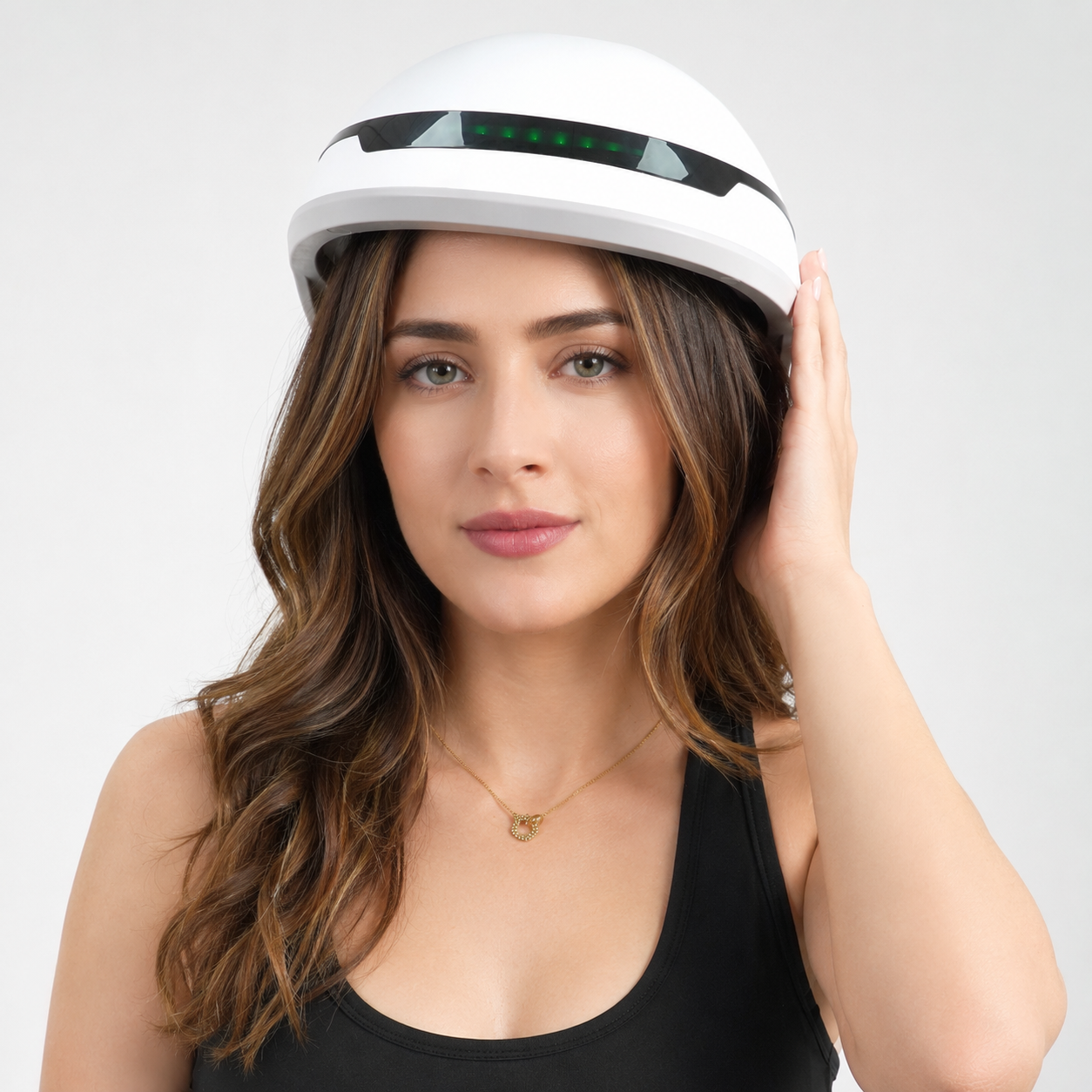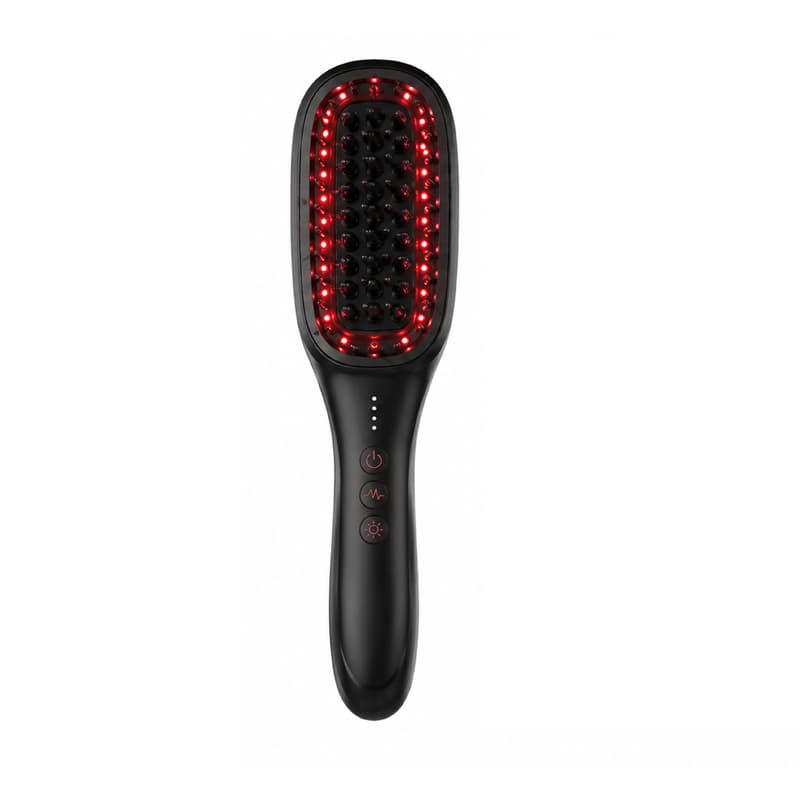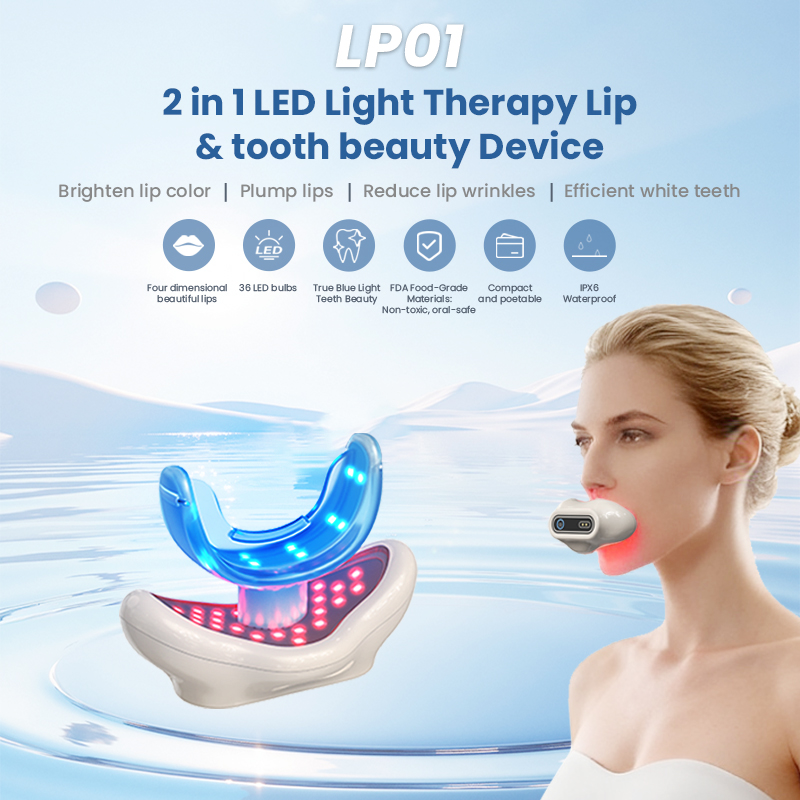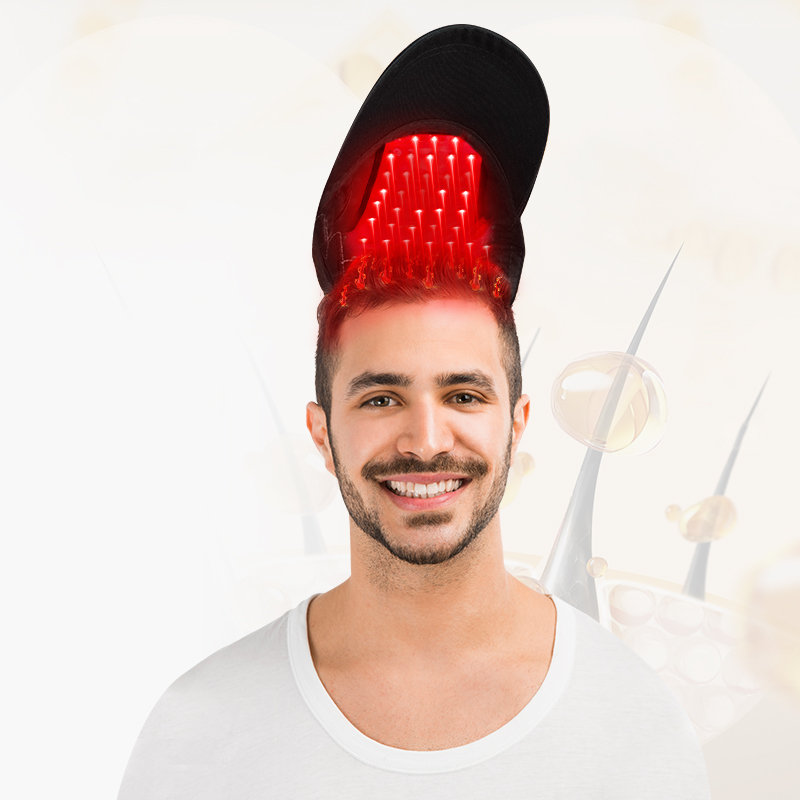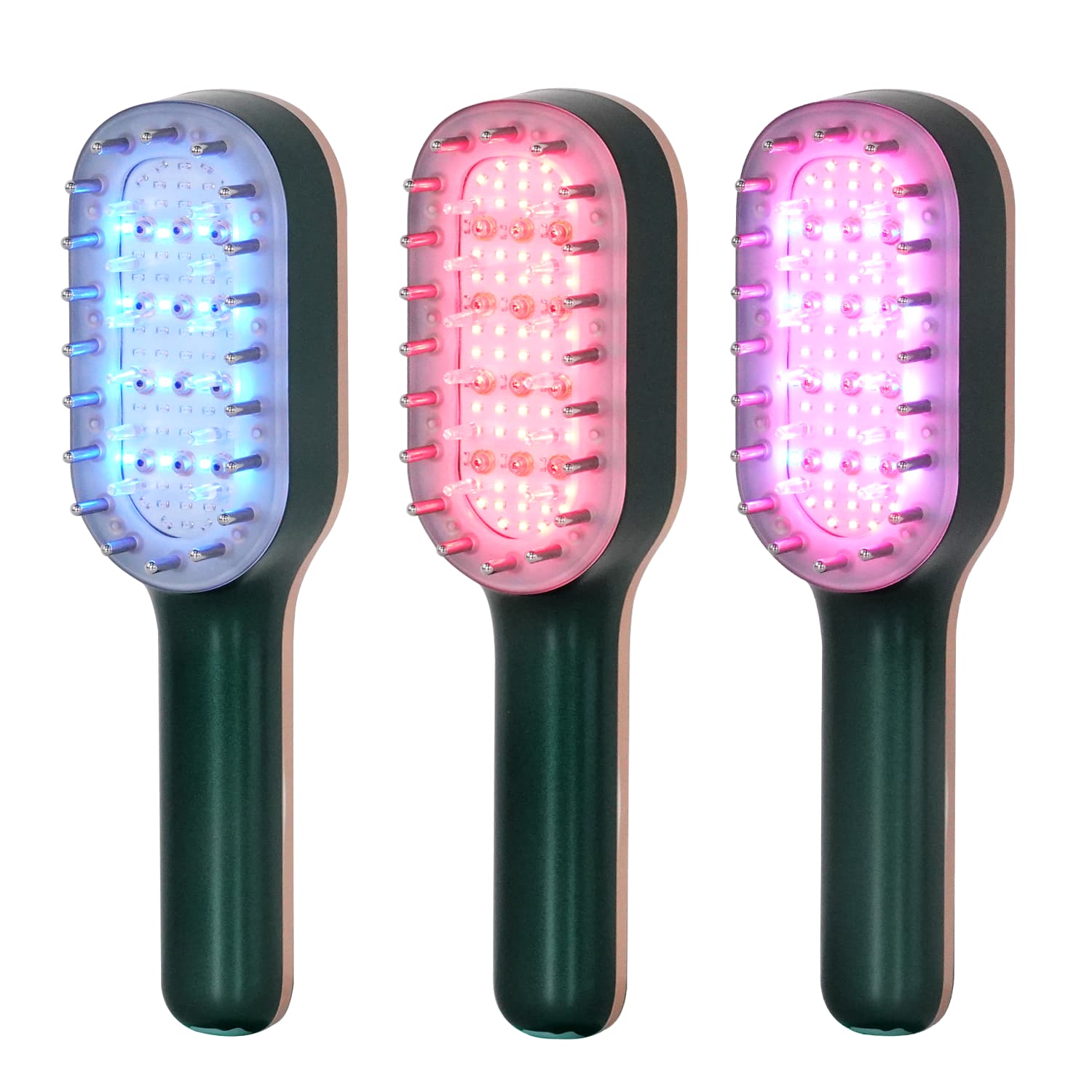
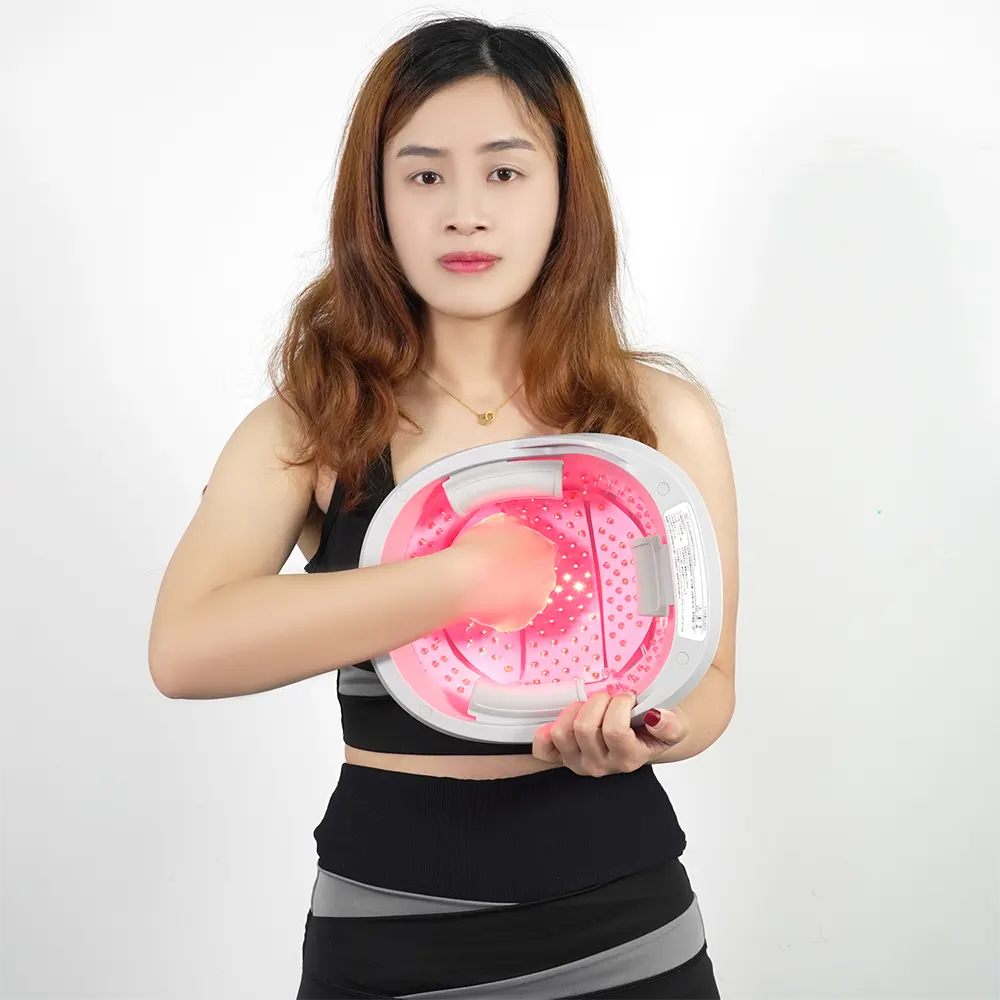
非侵襲的な育毛ソリューションの需要が高まり続ける中, 赤外線および赤色光育毛キャップ 世界のウェルネスおよびパーソナルケア市場で最も急速に成長しているカテゴリーの 1 つとなっています. これらのウェアラブルデバイスは、 光生体調節 (PBM)—通常は 630–660nmの赤色光範囲, 毛包を刺激するために、近赤外線と組み合わせることもあります, 頭皮の循環を改善する, 再成長をサポートします.
しかし, ブランドにとって, 販売代理店, とクリニック, パフォーマンスは方程式の半分にすぎません. 残りの半分は、多くの場合、より重要です。 安全認証と規制遵守. 適切な認証がなければ, 技術的に健全な製品であっても、米国や欧州連合などの主要市場に合法的に参入することはできません。.
このガイドでは、知っておくべきことをすべて説明します 安全規格, 認定経路, およびコンプライアンス要件 赤外線赤色光育毛キャップのメーカーを選ぶとき.
安全性認証が重要な理由
育毛キャップは通常次のように分類されます。 医療機器または健康機器 地域と主張に応じて. レーザーやLEDの光を頭皮に直接照射するため, 厳しい安全要件を満たさなければなりません.
認定が不可欠な主な理由:
- 合法的な市場アクセス (私たち。, 欧州連合, イギリス, 等)
- 消費者の安全保証
- ブランドの信頼性と信頼性
- 責任とリスクの軽減
- プラットフォームの承認 (アマゾン, 販売代理店, クリニック)
遵守しないと次のような結果が生じる可能性があります:
- 製品の禁止
- 税関拒否
- 法的罰則
- 風評被害
育毛キャップの主要な安全基準
1. レーザーの安全性分類
ほとんどのレーザーベースの育毛キャップは以下に該当します。:
- クラス II レーザー (IEC 60825-1)
- 出力は通常、ダイオードあたり ≤5mW
- 最小限のリスクで消費者が使用しても安全であると考えられています
メーカーは次のことを行う必要があります。:
- レーザー分類レポートの提供
- 適切なラベルと警告を確実に行う
- ユーザーの安全に関する指示を含める
2. 電気安全規格
電気的安全性はウェアラブル デバイスにとって重要です.
共通規格:
- IEC 60601-1 (医療用電気機器)
- UL認証 (私たち. 安全規格)
これらにより、:
- 感電に対する保護
- 安全なバッテリー動作
- 信頼性の高い回路設計
3. 電磁適合性 (EMC)
育毛機器は他の電子機器に干渉してはなりません.
主要な規格:
- IEC 60601-1-2 (EMC要件)
保証します:
- 安定したパフォーマンス
- 有害な干渉なし
- 病院/臨床環境へのコンプライアンス
4. 生体適合性
頭に装着する装置なので, 材料は皮膚に触れても安全でなければなりません.
標準:
- ISO 10993 (医療機器の生物学的評価)
カバー:
- 皮膚刺激性
- 毒性
- 長期暴露の安全性
主要な市場認証
🇺🇸 米国 – FDA
米国にとって. 市場, 育毛キャップには通常、次のものが必要です:
- FDA 510(k) クリアランス (医療請求用)
- 医療機器としての登録
要件には次のものが含まれます:
- 臨床データまたは実質的同等性
- 安全性と性能のテスト
- 適切なラベルと指示
🇪🇺 欧州連合 – CE マーキング
ヨーロッパで販売するには, メーカーは入手しなければならない:
- MDR に基づく CE 認証 (医療機器規制)
これには、:
- リスクアセスメント
- 技術文書
- 臨床評価
- 通知機関のレビュー (上級クラス向け)
🇬🇧 英国 – UKCA
EU離脱後, 英国が要求するのは:
- UKCAマーキング (CEに似ている)
🌍 その他の重要な認定
- RoHS → 有害物質の制限
- FCC → 電磁放射 (私たち。)
- PSE → 日本
- KC → 韓国
主要なコンプライアンスコンポーネント
1. 技術文書
準拠したメーカーは提供する必要があります:
- 製品仕様
- リスク分析 (ISO 14971)
- テストレポート
- ユーザーマニュアル
2. ラベルの要件
ラベルには以下を含める必要があります:
- レーザー分類
- メーカー情報
- 安全上の警告
- 認証マーク
3. 品質マネジメントシステム
信頼できるメーカーは従うべきだ:
- ISO 13485 (医療機器のQMS)
これにより、:
- 一貫した生産品質
- トレーサビリティ
- 規制遵守
代表的な認定製品仕様
準拠した赤外線赤色光発毛キャップには通常、次のものが含まれます。:
- 波長: 650nm±5nm (630nm または 660nm と組み合わせることもあります)
- 出力電力: ダイオードあたり約 5mW
- レーザー数: 100–300ダイオード
- 治療時間: 10–20分
- バッテリー: 充電式リチウム (3000–5000mAh)
- 安全教室: クラス II レーザー
これらの仕様は両方に適合します 性能と安全基準.
OEM/ODM コンプライアンスの考慮事項
メーカーと提携しているブランド向け, コンプライアンスの責任は共有される.
OEMモデル:
- メーカーは認定された基本製品を提供します
- ブランドはプライベートラベルを適用します
ODMモデル:
- カスタムデザイン → 必要 新しい認証プロセス
重要なヒント:
- 既存の証明書を常に検証する
- 証明書がご使用の製品と正確に一致することを確認してください
- レポートが転送可能かどうかを確認する
メーカーの認定を確認する方法
サプライヤーと提携する前に:
✔ 原本をリクエストする
- FDAリストまたは 510(k) 番号
- CE証明書とテストレポート
- ISO 13485 証明書
✔ 信頼性を確認する
- 発行機関に確認する
- 証明書番号を照合する
✔ 製品のマッチングを確認する
- 仕様が認定バージョンと一致していることを確認する
- 「汎用」証明書を避ける
よくあるコンプライアンスの間違い
- ❌ 偽の証明書または期限切れの証明書の使用
- ❌ 製品と認証の不一致
- ❌ 現地の規制を無視する
- ❌ 承認を得ずに医療費を誇張する行為
- ❌ EMC または安全性テストをスキップする
安全性の動向 & 規制 (2026)
規制環境はますます厳しくなっています.
主要な傾向:
- の強化 ヨーロッパのMDR
- より高度な精査 FDAの主張
- の需要 臨床検証
- の成長 トレーサビリティシステム
コンプライアンスを優先するメーカーは明らかな競争上の優位性を持つことになる.
完全準拠のメーカーを選択するメリット
認定サプライヤーと協力することで、:
✅ より迅速な市場参入
書類の不足による遅延はありません
✅ リスクの低減
法的および規制上のリスクの軽減
✅ より高い信頼性
顧客と販売代理店による受け入れの向上
✅ スケーラビリティ
世界市場への拡張が容易になる
結論
急成長する市場において、 赤外線赤色光育毛キャップ, 安全認証とコンプライアンスはオプションではなく、基本的なものです.
から レーザーの分類と電気の安全性 に FDA および CE の承認, コンプライアンスのあらゆる側面が製品の成功を保証する上で重要な役割を果たします. ブランドおよび代理店向け, 国際基準を満たすメーカーと提携することが、信頼性の高い製品を構築する鍵となります。, スケーラブルな, 法を遵守したビジネス.
規制が進化し続ける中、 2026 そしてその先へ, に投資する企業 品質, 透明性, および認証 業界をリードする一方、コンプライアンスを無視する企業は取り残されるリスクがある.