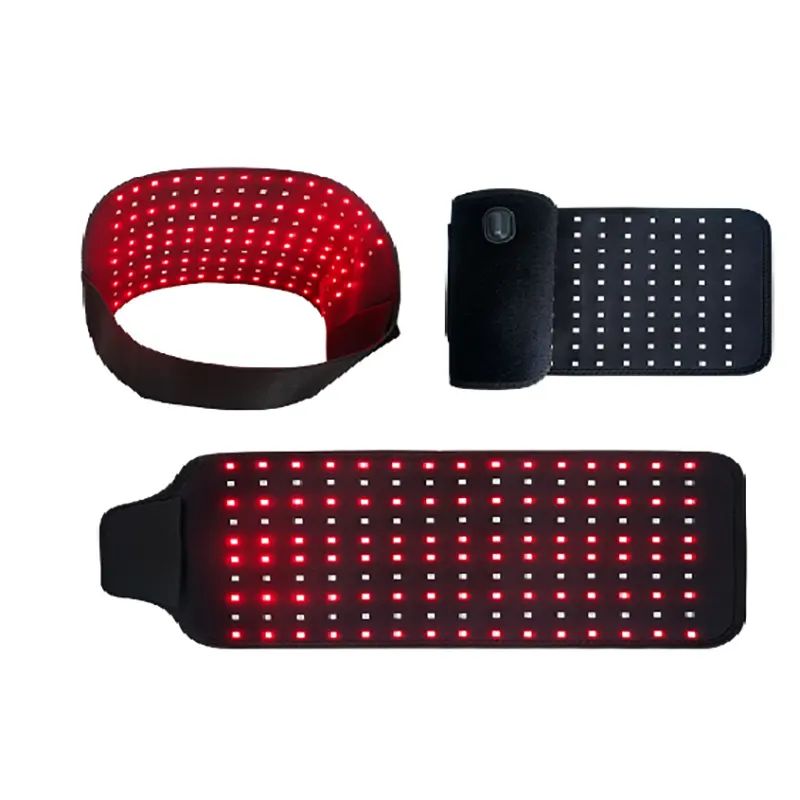
Osteoarthritis (OA) is the most common orthopedic diagnosis in dogs, significantly impacting quality of life through chronic pain and reduced mobility . The condition—often affecting the knee (stifle) joint—is progressive and degenerative, with recent research revealing that nearly 40% of dogs aged 8 months to 4 years already show radiographic signs of OA .
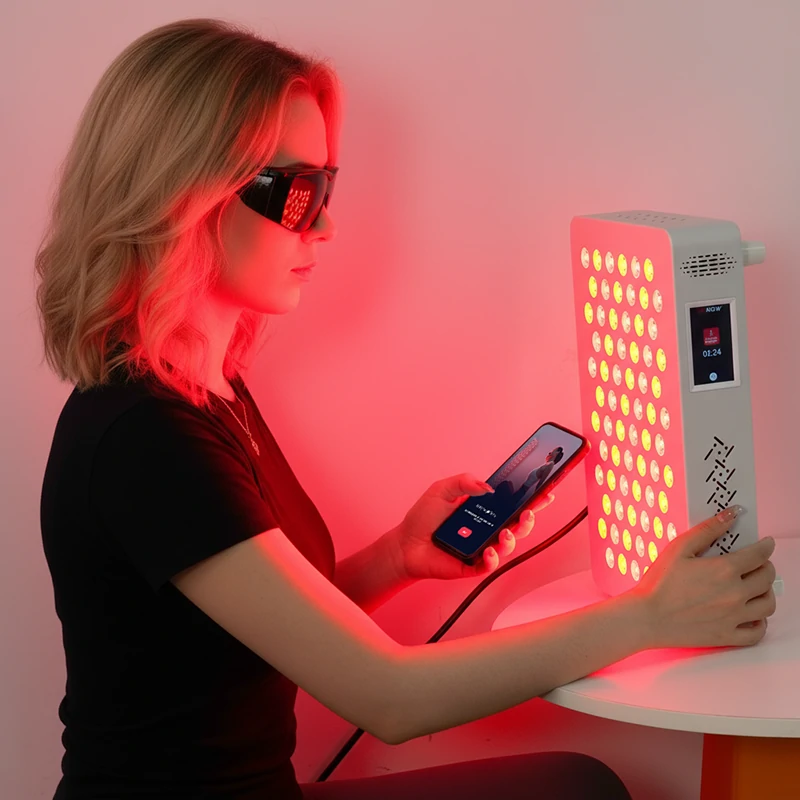
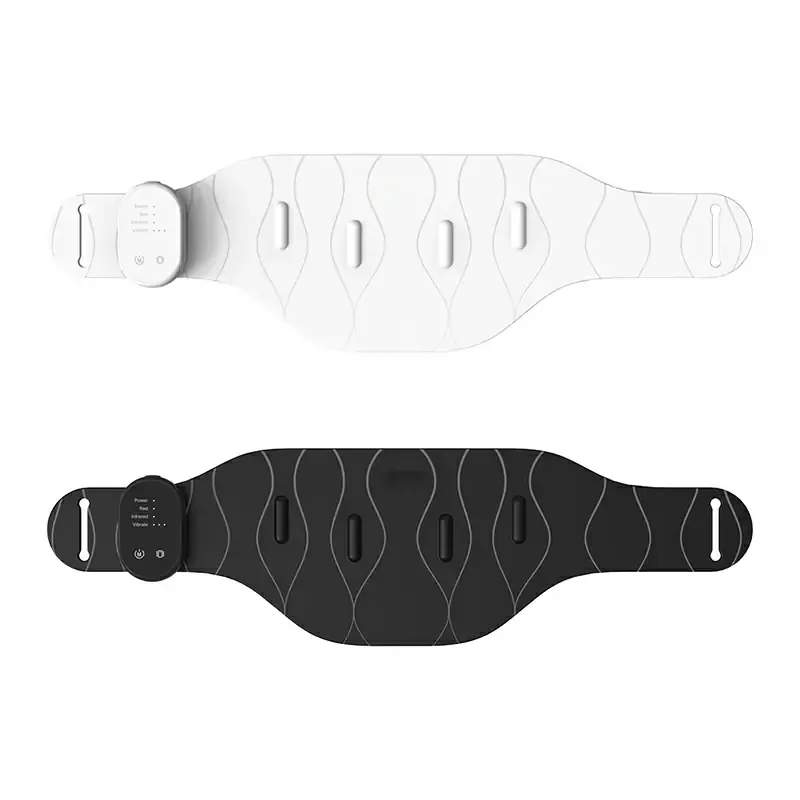
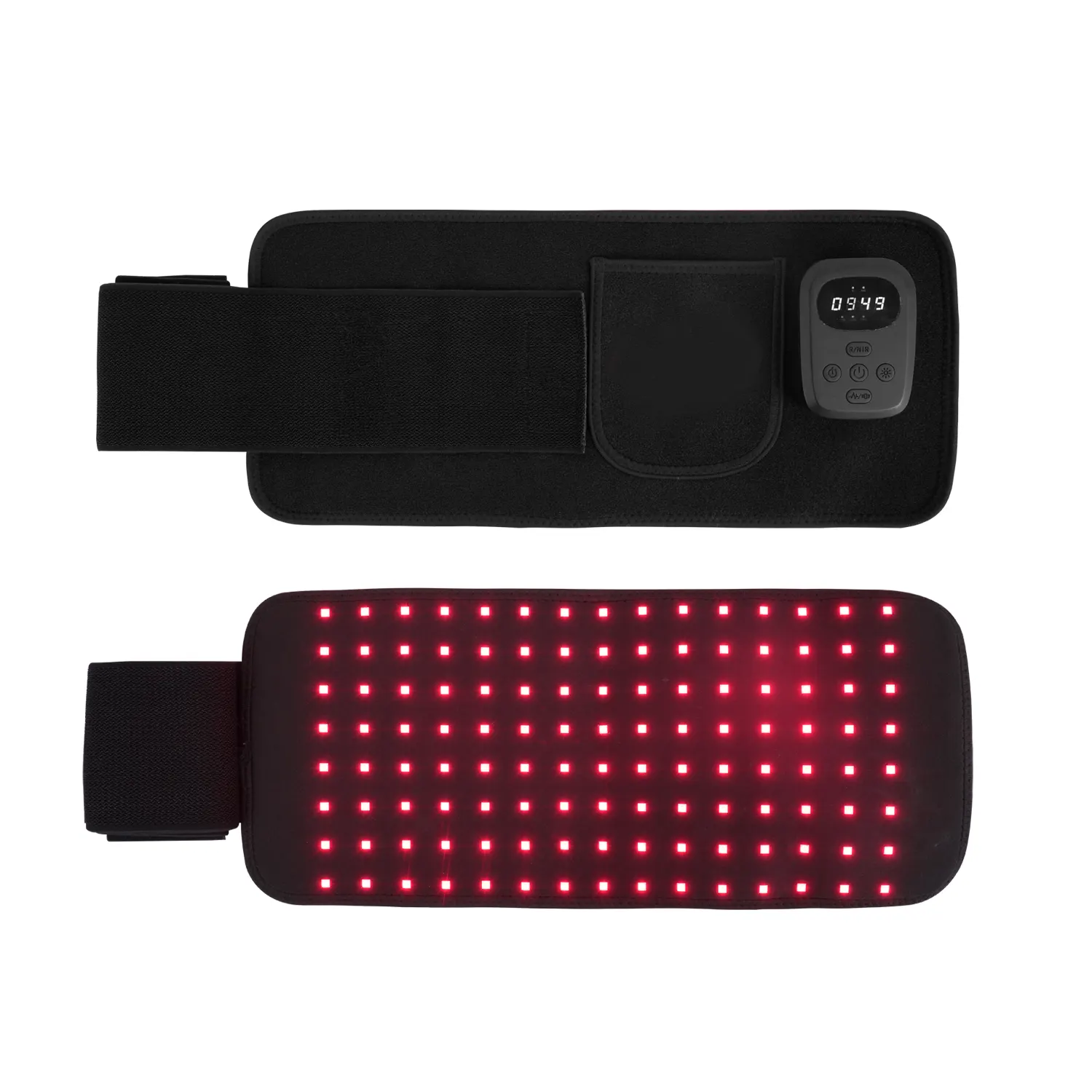
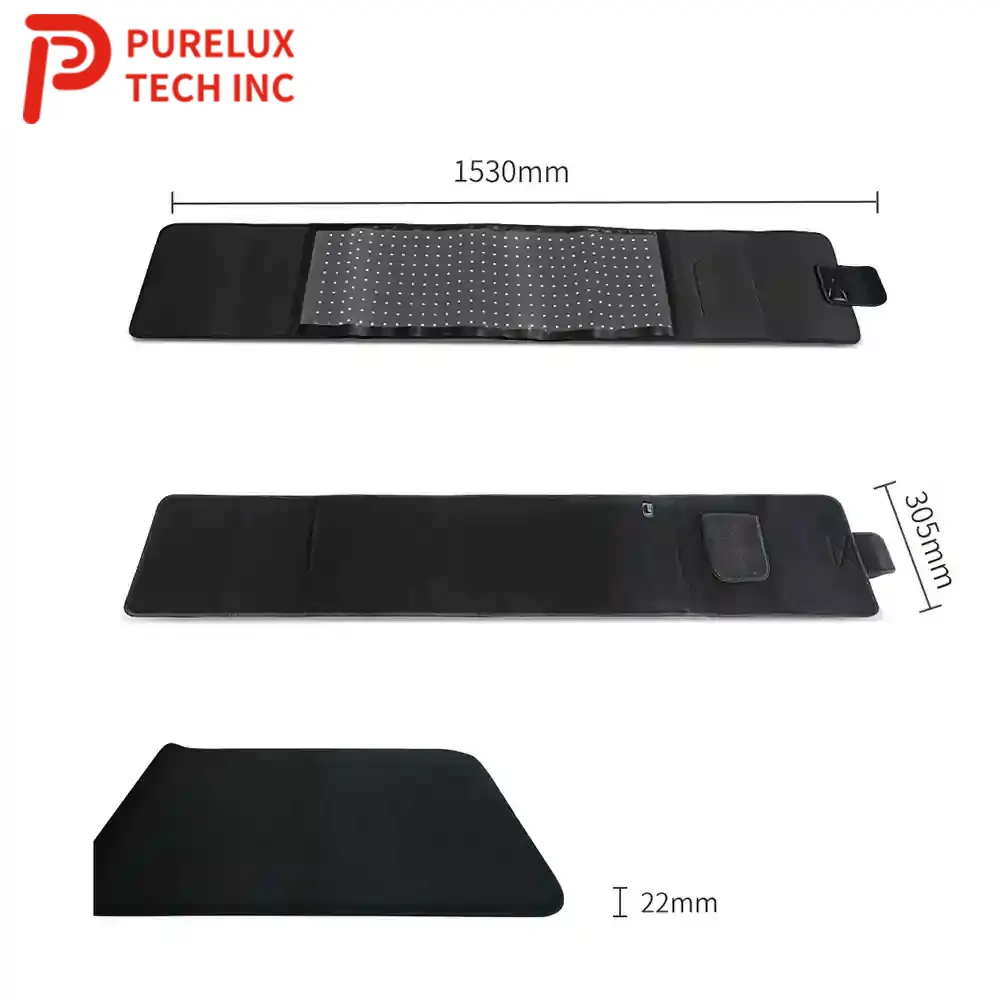
For dog owners watching their beloved companions struggle to rise, limp during walks, or hesitate before jumping, finding safe, effective pain management is a top priority. Red light therapy—also called photobiomodulation (PBMT)—has emerged as a scientifically supported, non-invasive option for managing canine knee arthritis.
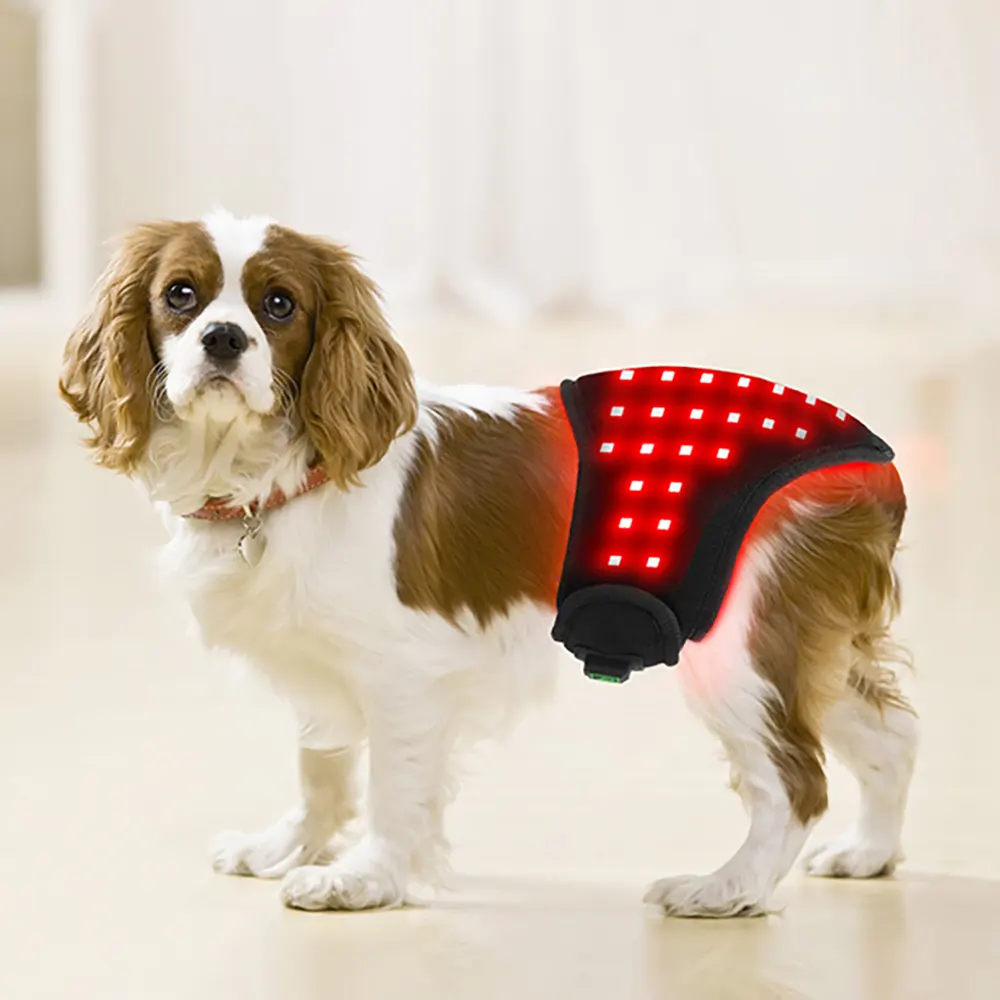
How Red Light Therapy Works on Arthritic Knees
The Cellular Mechanism
When specific wavelengths of red and near-infrared light (typically 650-1064nm) penetrate the knee joint, they are absorbed by mitochondria in cells—particularly cytochrome c oxidase. This absorption triggers several therapeutic effects :
-
Increased ATP production: Cellular energy boosts, powering repair mechanisms
-
炎症の軽減: Modulation of inflammatory mediators
-
Improved microcirculation: Enhanced blood flow to damaged tissues
-
Pain relief: Analgesic effects through multiple pathways
Optimal Wavelengths for Knee Arthritis
Different wavelengths penetrate to different depths, making wavelength selection crucial for knee joint treatment :
| Wavelength | Color | Penetration | Application for Knee Arthritis |
|---|---|---|---|
| 808nm | 近赤外線 | 3-5cm | Most commonly used veterinary wavelength for arthritis, muscle injuries, tendonitis |
| 910-980nm | 近赤外線 | 4-6cm | Reaches joint cavity depth, effective for deep pain and post-operative swelling |
| 1064nm | Infrared | Up to 7-8cm | Penetrates to bone surface, ideal for severe chronic cases and large breeds |
Many modern veterinary devices combine multiple wavelengths (e.g., 808nm + 980nm) to optimize musculoskeletal outcomes .
Clinical Evidence: What Research Shows
LED Wrap Study Shows Improved Mobility
あ 2025 study investigated the use of an LED wrap on 13 canine patients (ages 4-13 years) diagnosed with lower limb osteoarthritis, including stifle (knee) involvement. After 11 weeks of treatment, researchers found a significant (p < 0.001) difference in stifle joint measurements between baseline and week 11. Clinicians observed increased fluidity in movement, and owners reported improved clinical signs .
Key finding: Significant improvement required consistent use—no difference was detected at week 4, but benefits emerged by week 11 .
Combination Therapy Shows Enhanced Results
A landmark long-term study published in 2025 examined 30 dogs with hip osteoarthritis (findings applicable to knee OA). The research compared three groups :
-
Platelet-rich plasma (PRP) alone
-
Photobiomodulation alone
-
Combined PRP + photobiomodulation
結果: All treatments produced clinically significant improvements, but the combination of PRP and PBMT had a greater effect with longer duration, showing significant differences compared to isolated treatments. The combined approach led to more extended periods with better results .
Post-Surgical Applications
For dogs undergoing knee surgery (such as TPLO for cruciate ligament injury), laser therapy has shown mixed but promising results. One study found preoperative laser treatment mildly effective in improving post-operative weight-bearing . Another indicated improvement in lameness through subjective scoring .
しかし, a systematic review notes that study quality varies and optimal protocols remain under investigation—highlighting the importance of working with veterinary professionals .
Treatment Protocols for Knee Arthritis
Clinical Parameters
Based on current evidence and veterinary guidelines, typical treatment parameters include :
| Parameter | Recommendation |
|---|---|
| Dosage | 4-10 J/cm² per treatment area |
| 頻度 (acute) | Daily for first few days |
| 頻度 (chronic) | 2-3 times weekly |
| Session duration | 5-15 minutes per knee |
| Course of treatment | 6-10 sessions for complete course |
Step-by-Step Application for Dog Knees
1. Veterinary Diagnosis First
Before starting any light therapy, a full veterinary work-up is essential. Lameness in older dogs is often assumed to be arthritis, but can also be caused by cancer. Therapeutic laser should NOT be used if a pet has cancer .
2. Address Hair Interference
The color and thickness of your dog’s fur significantly affects light absorption—dark, thick fur can block light from reaching the skin. 最適な結果を得るために, hair may need to be :
-
Shaved (best scenario)
-
Parted (alternative to shaving)
3. Eye Protection Is Mandatory
The light from therapeutic lasers (Class 3B or Class 4) can be very harmful to eyes. Anyone in the vicinity—including the dog, the person administering treatment, and any other pets—must wear laser-specific protective eyewear. Regular sunglasses will NOT block therapeutic laser light .
4. Positioning for Knee Treatment
Position your dog comfortably in side-lying or standing position, with the affected knee accessible. For anxious dogs, keep sessions positive with treats and calm reassurance.
5. Application Technique
Move the device slowly over the entire knee area, including:
-
Front of the knee (patellar region)
-
Sides of the joint (collateral ligaments)
-
Back of the knee (popliteal region)
For bilateral arthritis, treat both knees even if only one appears painful.
Professional vs. At-Home Devices
Clinical Lasers (Class 3B and Class 4)
-
Higher power output (500mW to multiple watts)
-
Most studied for therapeutic efficacy
-
Require specialized training
-
Expensive ($5,000-$30,000)
At-Home Devices
-
Lower power output (50-500mW)
-
More affordable ($100-$2,500)
-
May not meet therapeutic parameters for deep joint conditions
-
Still beneficial for maintenance and mild cases
Expert recommendation: Instead of buying a lower-power home laser, invest in a comprehensive rehabilitation treatment plan with a veterinary professional to address pain, joint limitations, and strengthening .
Integrating Red Light with Other Therapies
Multimodal Approach Recommended
Veterinary experts emphasize that optimal arthritis management combines multiple modalities :
| Therapy | Role |
|---|---|
| 赤色光療法 | Cellular regeneration, pain relief, inflammation reduction |
| Weight management | Reduces joint load |
| Exercise modification | Maintains mobility without overstressing joints |
| NSAIDs (as prescribed) | Symptom control |
| Physical rehabilitation | Strengthens supporting muscles |
| Joint supplements | Supports cartilage health |
PRP + Photobiomodulation: A Powerful Combination
Recent research strongly supports combining intra-articular platelet-rich plasma injections with photobiomodulation for superior, longer-lasting results in osteoarthritis management .
Safety Considerations
Do NOT Use If:
-
Your dog has cancer (without oncologist approval)
-
Over the thyroid gland
-
Over pregnant uterus
-
Over hemorrhaging areas
-
On testicles or ovaries
潜在的な副作用
Red light therapy is extremely safe when used properly. Side effects are rare but may include temporary mild discomfort. Eye damage is the primary risk—entirely preventable with proper protective eyewear .
Monitoring Progress
Track your dog’s response to treatment by noting:
-
Pain behaviors: Crying, reluctance to move, hunched back
-
Mobility: Ease of rising, stair navigation, walking stamina
-
Weight-bearing: Shifting weight away from affected leg
-
Activity levels: Willingness to play, go for walks
Validated tools like the Helsinki Pain Score or Canine Brief Pain Inventory can help objectively measure improvement .
When to Expect Results
| Condition | Expected Timeline |
|---|---|
| Acute flare-ups | Improvement within 1-3 sessions |
| Chronic arthritis | 4-6 weeks of regular treatment for significant change |
| Maximum benefit | Often requires ongoing maintenance treatments |
注記: In the LED wrap study, significant improvements were detected at week 11, but not at week 4—patience and consistency matter .
Summary: Key Takeaways for Dog Knee Arthritis
-
Get a diagnosis first—rule out cancer and confirm arthritis
-
Choose appropriate wavelengths—near-infrared (808-980nm) for deep joint penetration
-
Address hair—shave or part dark/thick fur for light to reach tissues
-
Protect eyes—laser-specific goggles for all in the room
-
Follow proper protocols—4-10 J/cm², 2-3x weekly for chronic cases
-
Consider combination therapy—PRP + photobiomodulation shows enhanced results
-
Be patient—significant improvement may take weeks to months
-
Use multimodal approach—combine with weight management, exercise, and veterinary care
赤色光療法は有望な効果をもたらします, drug-free option for managing canine knee arthritis. When used correctly—with proper veterinary guidance, appropriate device selection, and strict safety protocols—it can significantly improve your dog’s comfort, mobility, and quality of life. The growing body of clinical evidence supports its role as a valuable tool in comprehensive arthritis management, particularly when combined with other evidence-based therapies.