By a Red Light Therapy Specialist & Lifelong Dog Lover (8+ Years Experience)
Over the past eight years working in red light therapy—and as someone who genuinely treats dogs like family—I’ve answered the same questions hundreds of times.
Dog owners want clarity. They want safety. And most importantly—they want results.
So in this guide, I’ve compiled the 15 most frequently asked questions about red light therapy for dogs, with honest, experience-backed answers you can trust.
🧠 1. What exactly is red light therapy for dogs?
赤色光療法 (also known as photobiomodulation) uses specific wavelengths—primarily 660nm (red) and 850nm (near-infrared)—to stimulate healing at a cellular level.
It works by:
- Increasing cellular energy (ATP production)
- Improving blood circulation
- Reducing inflammation
- Accelerating tissue repair
👉 Think of it as helping your dog’s body heal itself—faster and more efficiently.
🐕 2. Does red light therapy really work for dogs?
Yes—but with one important condition: it must be used consistently.
In my experience:
- Dogs with arthritis show improved mobility
- Injuries heal faster
- Pain levels visibly decrease
しかし, it’s not a one-time miracle. The real results come from daily or near-daily use over time.
🦴 3. What conditions can it treat?
Red light therapy is highly versatile. It’s commonly used for:
- 関節炎
- Hip dysplasia
- Joint inflammation
- Muscle injuries
- Wounds and skin issues
- Post-surgery recovery
For example:
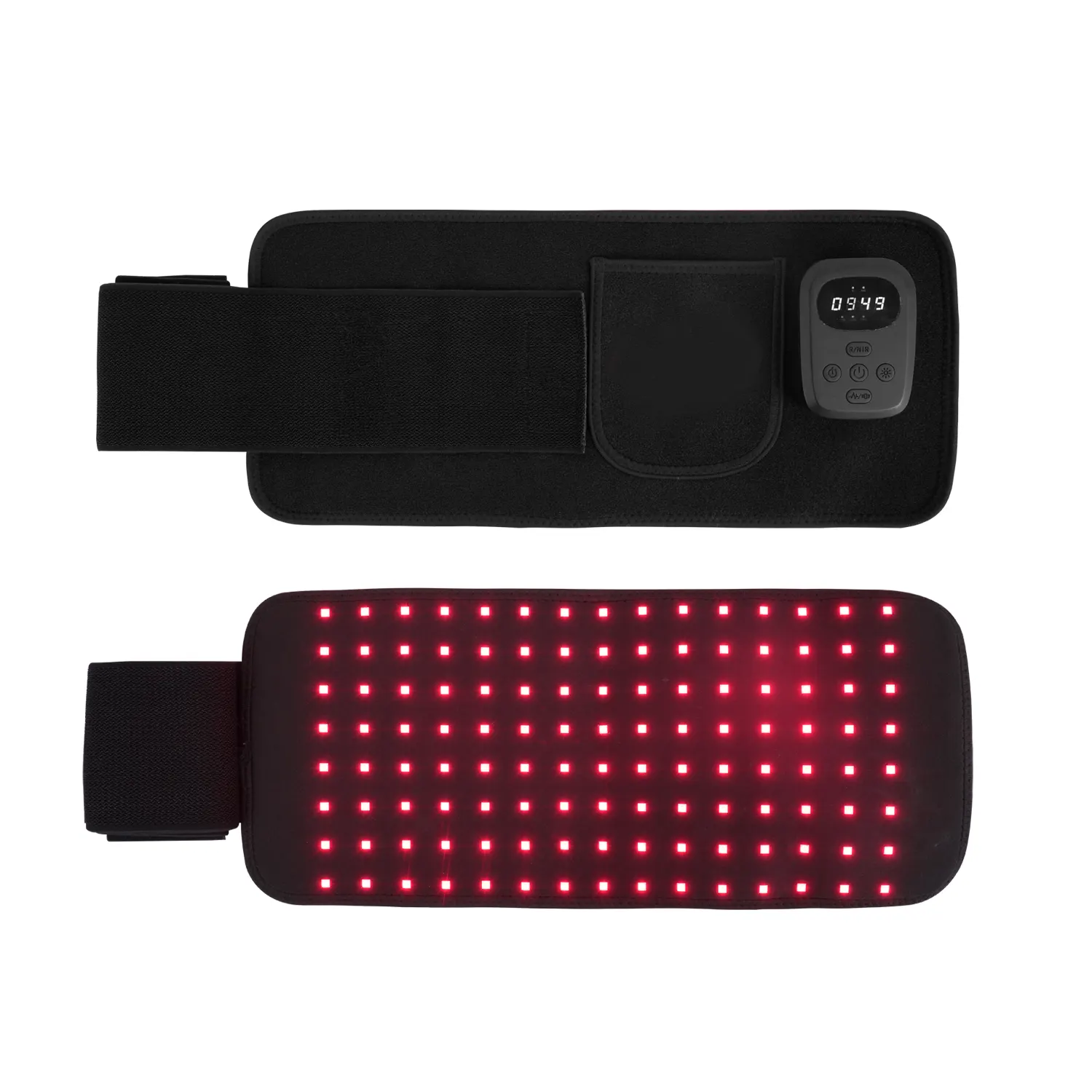
- あ full-body mat (like high-LED coverage systems such as BE700) works well for arthritis
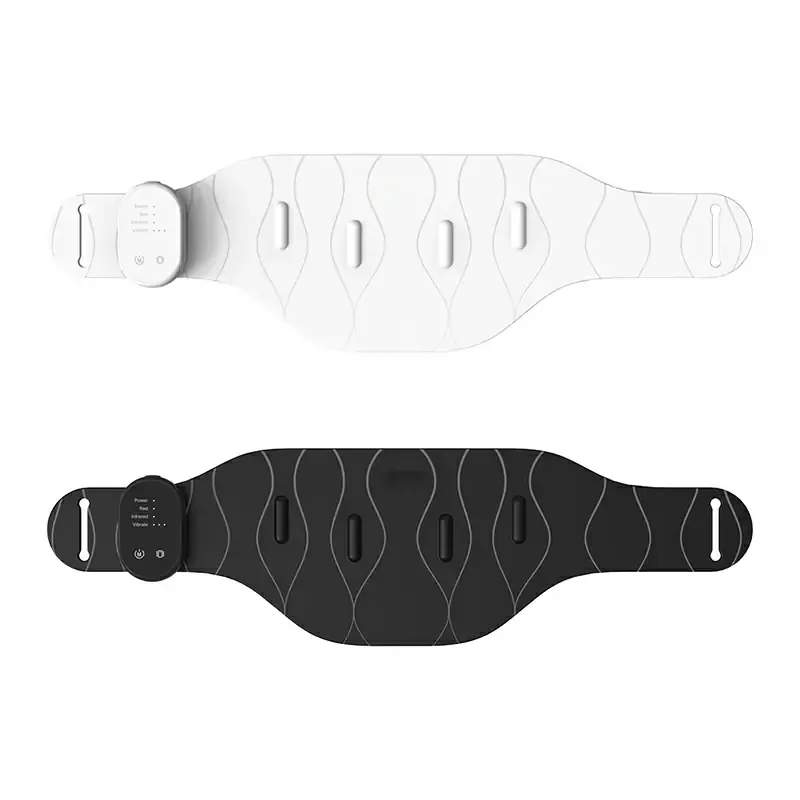
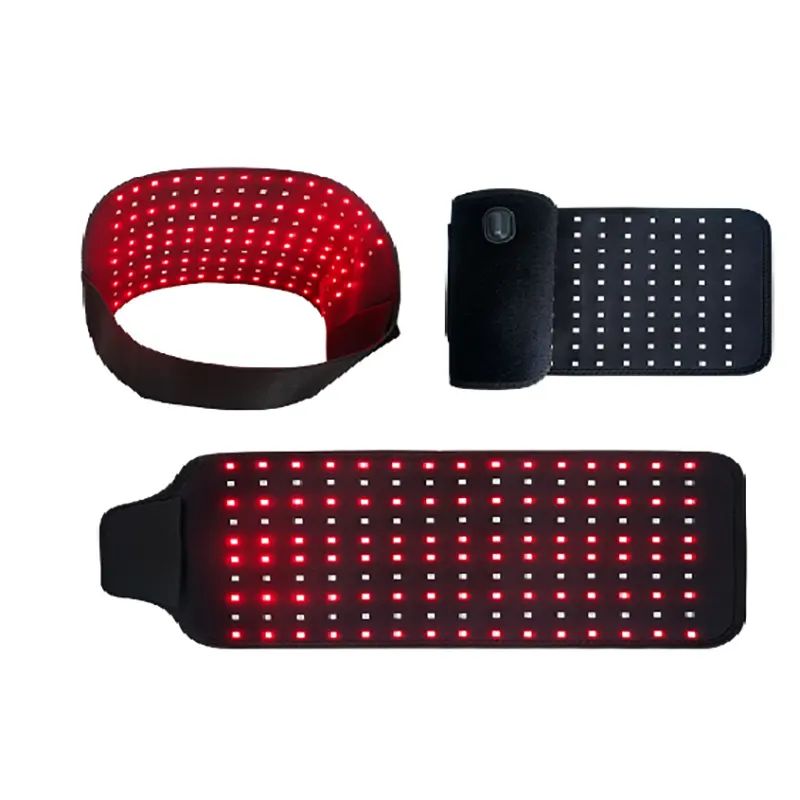
- あ targeted wrap device is ideal for joint-specific problems
⚡ 4. 結果が表示されるまでにどれくらい時間がかかりますか?
This varies depending on the condition.
Typical timeline:
- 1–2 weeks: Reduced stiffness
- 3–4 weeks: Noticeable mobility improvement
- 6+ 週: Significant, lasting results
👉 Faster results usually happen when:
- The correct device is used
- Sessions are consistent
⏱ 5. How often should I use it on my dog?
Consistency matters more than intensity.
Recommended usage:
- 10–20 minutes per session
- 1–2 times per day
関節炎などの慢性疾患の場合:
- Daily use for the first month
- Then maintenance (3–4 times per week)
🔒 6. Is red light therapy safe for dogs?
Yes—extremely safe when used properly.
There is:
- No UV radiation
- No invasive procedure
- No known serious side effects
Safety tips:
- Avoid direct eye exposure
- Don’t exceed recommended session time
- Start slow if your dog is new to it
Most dogs actually enjoy the sessions.
🧪 7. Are there any side effects?
Side effects are rare.
Occasionally:
- Mild warmth sensation
- Temporary increased activity (due to improved circulation)
👉 Compared to medications, this is one of the safest therapies available.
🐶 8. Can I use human red light therapy devices on dogs?
Technically yes—but it’s not ideal.
Pet-specific devices are designed for:
- Fur penetration
- Proper coverage
- Safe intensity levels
For example:
- Devices with higher LED counts (like 400–700 LEDs) ensure proper coverage through fur
- Pet-focused wraps fit joints better
👉 Using the right device significantly improves results.
📏 9. How do I choose the right device?
Focus on three things:
1. Coverage area
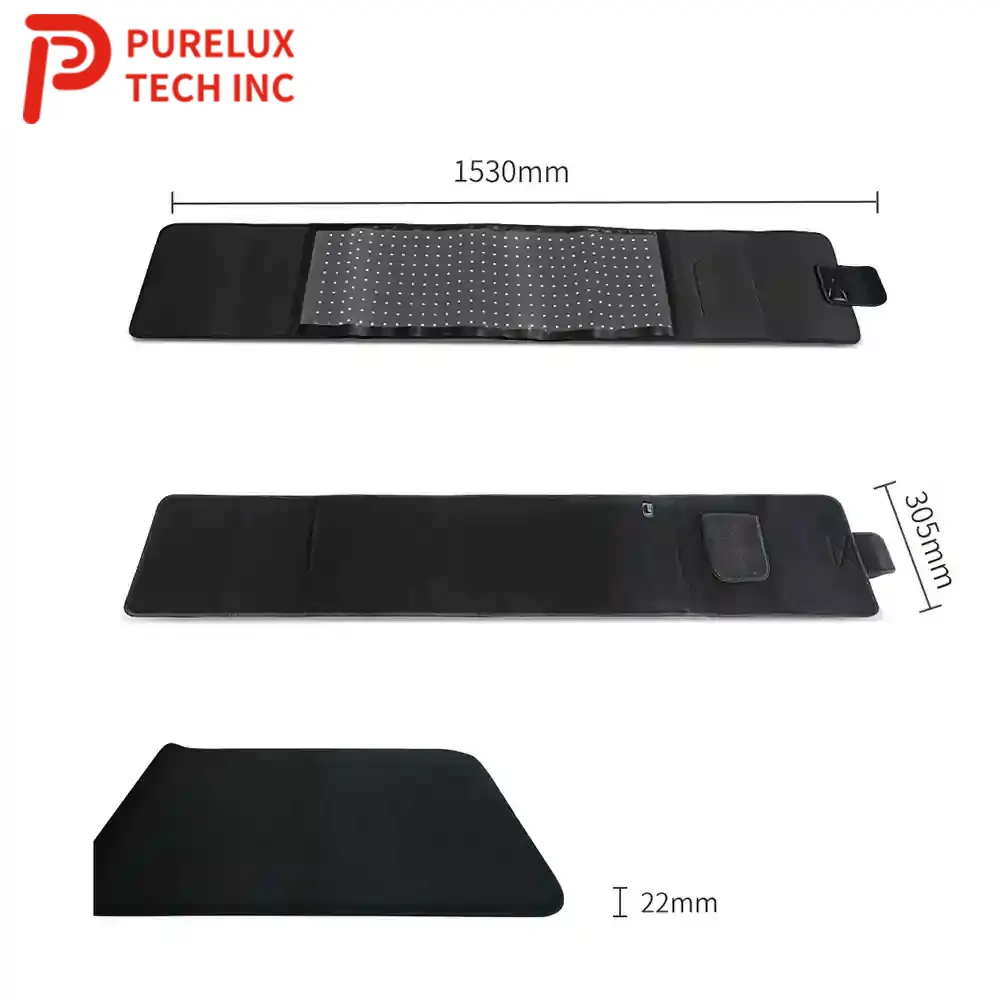
- Large dog → large pad (e.g., BE700 or PB272)
- Small area → targeted device
2. Power & 放射照度
- Look for 80–120 mW/cm²
3. Wavelength
- Must include 660nm + 850nm
🐾 10. What’s the difference between 660nm and 850nm?
This is one of the most important concepts.
- 660nm (赤):
- Skin-level treatment
- Wounds, inflammation
- 850nm (近赤外線):
- Deep penetration
- ジョイント, muscles, bones
👉 The best devices combine both—this is why dual-wavelength systems are preferred.
🐕🦺 11. Can it help with arthritis in dogs?
Absolutely—this is one of the most common uses.
In my experience:
- Dogs become more active
- Stiffness decreases
- Pain behavior reduces
For arthritis:
- Full-body mats or joint wraps work best
- Daily sessions are critical
🩹 12. Can red light therapy speed up wound healing?
はい, significantly.
It helps by:
- Increasing blood flow
- Stimulating tissue regeneration
- Reducing inflammation
👉 Many vets use it post-surgery for faster recovery.
🐕 13. Will my dog feel anything during treatment?
Most dogs feel:
- Gentle warmth
- Relaxation
Some signs you’ll notice:
- Lying still during sessions
- Falling asleep
- Becoming calmer over time
👉 That’s a good sign—it means the therapy is comfortable.
🧩 14. Can I combine red light therapy with other treatments?
Yes—and in many cases, you should.
It works well with:
- Physical therapy
- Supplements (like glucosamine)
- Vet-prescribed treatments
👉 Many owners gradually reduce medication as results improve.
💰 15. Is red light therapy worth the investment?
From both a professional and personal perspective—yes.
Why?
- One device = hundreds of sessions
- No recurring costs
- Long-term health benefits
For example:
- A mid-range device (like BE400 or PB272) can cover most needs
- Larger systems (like HS456 or HR140) are ideal for serious conditions
👉 Over time, it often costs LESS than repeated vet visits.
🧠 Bonus: What Most People Get Wrong
After years in this field, here are the biggest mistakes I see:
❌ Inconsistent use
This is the #1 reason people don’t see results.
❌ Choosing the wrong device
Too small or too weak for the condition.
❌ Expecting instant results
This is therapy—not a quick fix.
🐾 Final Thoughts
If you’ve made it this far, you’re clearly someone who cares deeply about your dog’s well-being—and that matters.
Red light therapy is not just a trend. It’s a scientifically backed, practical, and safe way to improve your dog’s quality of life.
If you want to learn more, why not check out these articles below:
Best Red Light Therapy Devices for Pets in 2026: Complete Buyer’s Guide
How Long Does Red Light Therapy Take to Work on Dogs?