赤色光療法パネルとは何ですか?
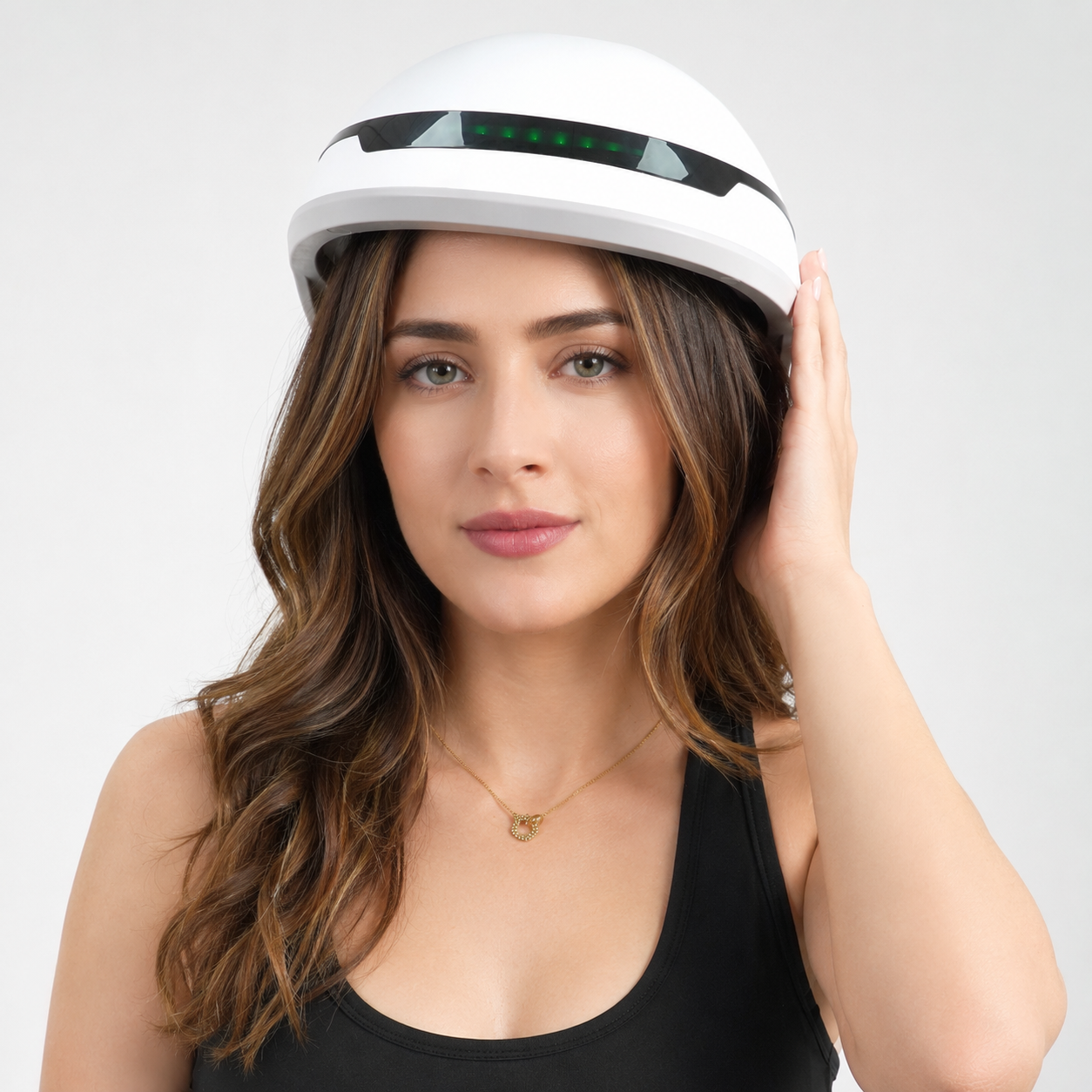
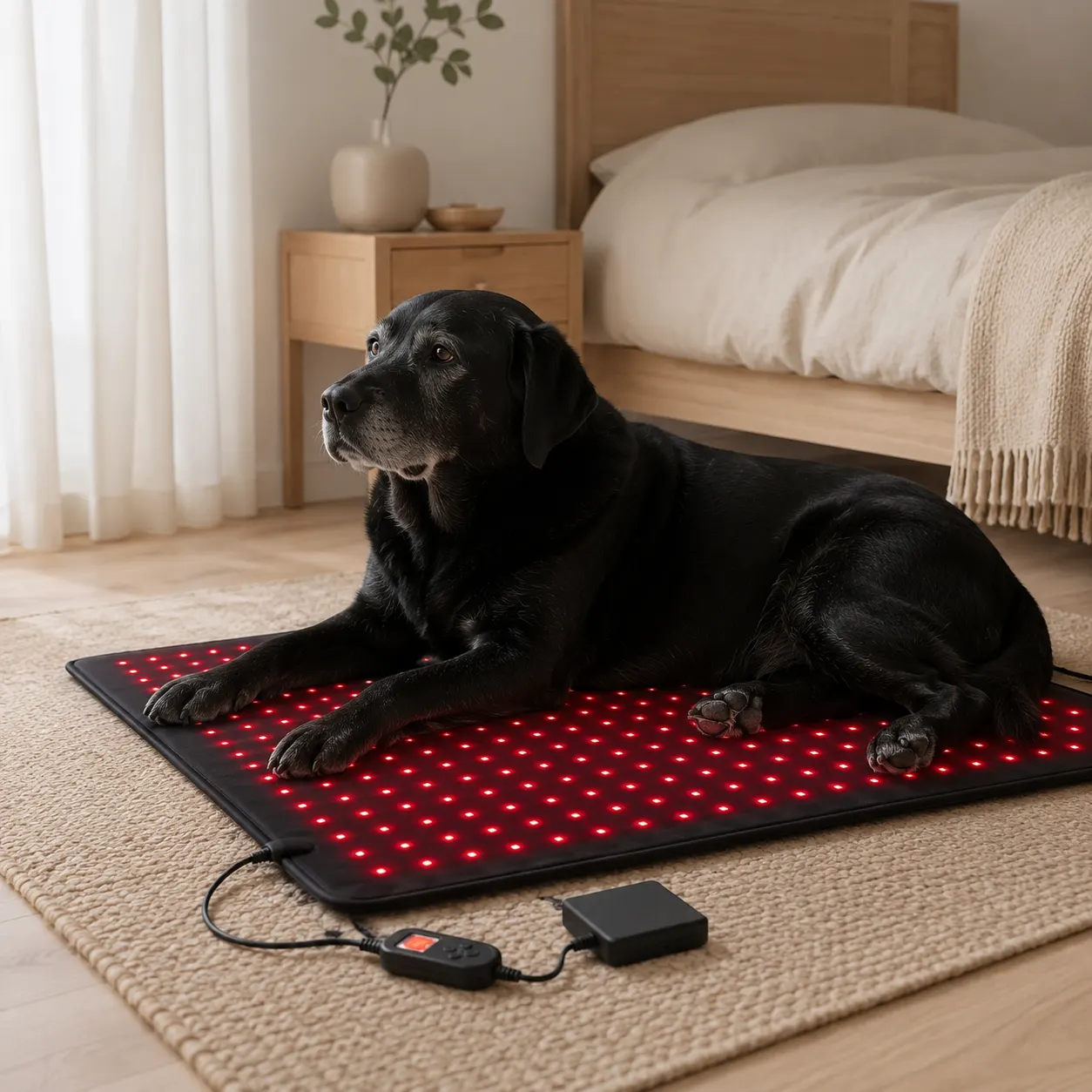
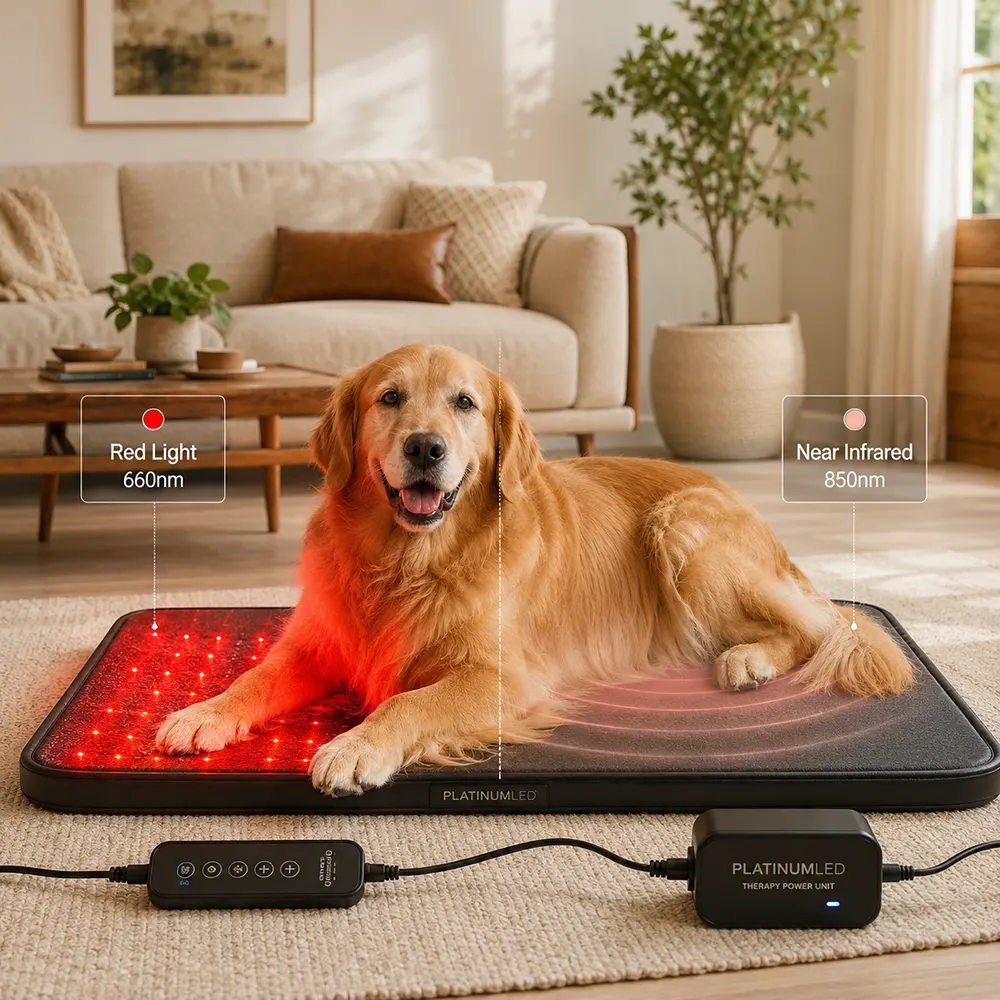
赤色光療法パネルは、集中した赤色光と近赤外線を皮膚に照射するように設計されたデバイスです。, 通常、LED アレイを備えた平らな表面を介して. これらのパネルには、コンパクトなデスクトップ バージョンからフルサイズまで、さまざまなサイズがあります。, ドアのようなシステムで、通常は 600 ~ 700 nm の光を発します。 (赤) および 800 ~ 900 nm (近赤外線) 範囲. 皮膚の健康をサポートするためによく使用されます, 筋肉と関節の回復を助ける, 炎症を軽減するのに役立ちます. しかし, 屈強, 大規模な研究はまだ限られている, 個々の結果は異なる場合があります.
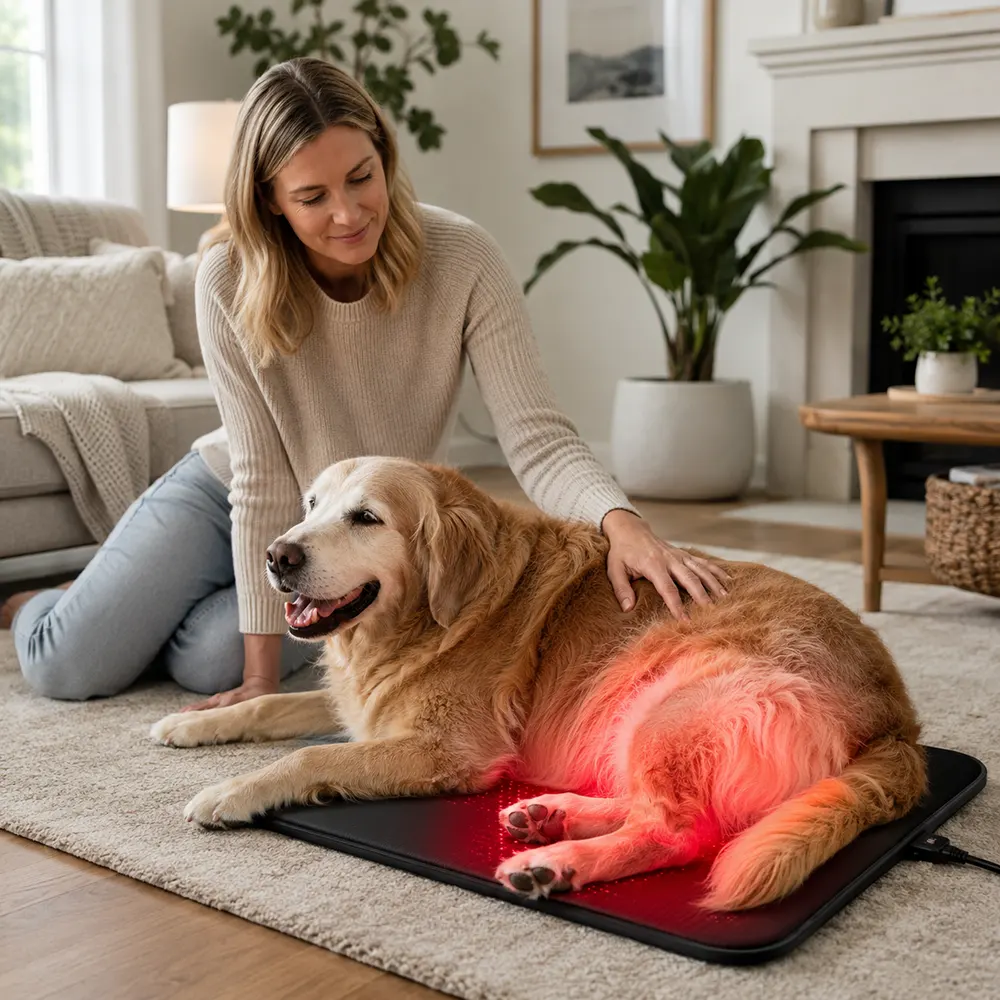
家庭用, パネルは通常、から 6 メートルの距離に配置されます。 18 体から数インチ. ターゲット領域はセッションごとに数分間露出されます, 週に数回治療を繰り返す. 使用される光は非電離性であり、比較的低出力で照射されるため、, これらのパネルは非侵襲性とみなされ、通常は十分に許容されます. そうは言っても, 光過敏症の人, 目の状態, または、光過敏症を高める薬を服用している方は、使用を開始する前に医療専門家に相談してください。.
マスクvs. パネル: どちらがあなたに適していますか?
パネルの詳細に入る前に, 主な違いを理解するのに役立ちます.
| 特徴 | レッドライトセラピーマスク (例えば, ピュアラックステック) | 赤色光療法パネル |
|---|---|---|
| 対象エリア | 顔専用に設計. | 多用途: 顔, ネック, 胸, 戻る, ジョイント, 全身. |
| 利便性 | ハンズフリー, ウェアラブル, ポータブル. | 位置決めとその前に座ったり立ったりする必要があります. |
| 力 | 顔の皮膚に最適化 (より近い). | 多くの場合、より高い出力, 離れた場所でも使用できるように設計されています. |
| 空間 | 最小限のストレージ; 引き出しに収まる. | 床またはテーブルのスペースが必要です. |
| 最適な用途 | 毎日, 手間のかからないフェイシャルトリートメント. | 全身のウェルネス, 筋肉の回復, そしてより広いエリア. |
評決: 一番の関心事が顔である場合, みたいなマスク ピュアラックステック 比類のない利便性と精度を提供します. 背中を治療したい場合, ジョイント, または全身, パネルはより良い投資です.
の 5 効果的なパネルを実現するには交渉不可
コンパクトな卓上パネルまたはフルボディのスタンドアップ ユニットをお探しの場合, これらの技術仕様により、デバイスが実際に動作するかどうかが決まります.
1. 治療波長 (の “色” 光の)
マスクと同じように, パネルは細胞反応を引き起こすことが証明された特定の波長を放射する必要があります.
-
何を探すべきか: 次のようなパネルを探します。 630nm~660nm (赤) 皮膚および表層組織用, そして 810nm~850nm (近赤外線) 深部組織用, 筋肉, そして関節 .
-
なぜそれが重要なのか: 赤色光は表面をターゲットにします (肌の若返り), 一方、近赤外線は筋肉や関節の奥深くまで浸透し、回復と抗炎症効果をもたらします。 . 優れたパネルは両方を提供します.
2. 高放射照度 (電力出力)
これは肌に当たる光エネルギーの量を測定します。. パネルは通常、離れた場所で使用されます (6-12 数インチ離れたところに), そのため、有効量を送達するには十分な電力が必要です.
-
何を探すべきか: で測定された放射照度を探します 特定の距離での mW/cm² (例えば, “65.7 mW/cm²で 6 インチ”) . 数値が大きいほど効果が高いことを意味します, 短いセッション.
-
なぜそれが重要なのか: パネルの電力が不足している場合, あなたは数インチ離れたところに立っていなければなりません 30 メリットを得るまでに数分. 強力なパネルが動作します 5-10 快適な距離から数分.
3. エネルギー線量 (の “薬”)
これはセッションごとに提供される総エネルギーです (放射照度 x 時間). 臨床上のスイートスポットは通常、 40-60 ジュール エリアごと.
-
何を探すべきか: メーカーは距離に基づいてセッション期間に関するガイダンスを提供する必要があります. 優れたパネルを使用すると、以下の時間でこの用量に達することができます。 15 分.
4. LEDの品質と密度
すべての LED が同じように作られているわけではありません.
-
何を探すべきか: 高品質なパネルを使用, 有名ブランドのLED (オスラムやエピスターのような) より信頼性が高く、時間が経過しても波長を維持します. また, LED の密度に注目してください。一般に、LED の数が多いほど、カバー範囲がより均一になることを意味します。.
-
なぜそれが重要なのか: 安価な LED は、 “ドリフト” 年齢を重ねるにつれてターゲットの波長が離れていく, 治療が無効になる.
5. 安全性と認証
体を光エネルギーにさらしている. 安全は最も重要です.
-
何を探すべきか: 次のデバイスを探します。 FDAの認可または登録済み . これは、メーカーが安全性とラベル表示に関する規制基準を満たしていることを示します。.
-
なぜそれが重要なのか: 独立した研究によると、一部のレーザーベースのデバイスは安全限界を超える可能性があることが示されています . 拡散照明を備えた LED ベースのパネルは、一般的により安全なプロファイルを提供します .
並べて比較: 何を探すべきか
| 特徴 | の “予算” パネル (避ける) | の “医療グレード” パネル (最高の) |
|---|---|---|
| 波長 | 多くの場合、不特定または単一波長. | 複数の治療波長 (630-660nmレッド + 810-850nm近赤外) . |
| 放射照度 | 低い; 長時間のセッションまたは非常に近い距離が必要です. | 高い (>50 mW/cm²で 6-12 インチ) 効率的なセッションのために . |
| LEDの品質 | ジェネリック, ノーブランド LED は波長ドリフトを起こしやすい. | 高品質, 信頼できるメーカーの安定した LED. |
| カバレッジ | まばらなLED配置; “むらのある” 処理. | 均一な高密度LEDアレイ, フルカバー治療. |
| 安全性 | 認証なし; 不明な安全性プロファイル. | FDAの認可または登録済み; 国際安全基準を満たしている . |
| 建てる & デザイン | 脆弱な構造; 限られた位置決めオプション. | 頑丈な作り; 柔軟な取り付け (360°回転, スタンド, 壁掛け可能) . |
よくある質問
Q:最高の赤色光療法パネルは何ですか?
あ:最適なパネルは優先順位によって決まります. 顔のアンチエイジングに重点を置いている人は、コンパクトなものを好むかもしれません。, 強力な赤色および近赤外線出力を備えた高放射照度のパネルまたはマスク, 一方、腰痛や全身の回復に取り組んでいる人は、より広い面積をカバーする大きなパネルやパッドを必要とするかもしれません。. 重要な要素は波長です, 放射照度, カバレッジ, 使いやすさ, 価格に応じた保証.
Q:赤色光療法の最も効果的な方法は何ですか?
あ:効果は目標に合わせた配信方法によって決まります. パネルは皮膚のより広い領域でより効率的です, 筋肉, そして関節; 小型のハンドヘルド デバイスやウェアラブル デバイスは、局所的なスポットには適していますが、一度にカバーできる範囲は狭くなります。.
Q:赤色光療法パネルの使用方法?
あ:通常, 推奨される距離にパネルを配置します (たいてい6時から 18 インチ), 肌をきれいにする, ターゲット領域を設定時間露出させます, 5時からなど 20 セッションごとの分, 週に数回. 多くのメーカーは、短いセッションから始めて徐々に増やすことを推奨しています, パネルが非常に明るい場合や顔の近くで使用する場合は、目を保護するものを使用してください。. デバイスに付属の特定の指示と禁忌に従ってください。, 基礎的な健康状態や懸念事項があるかどうかを医師に確認してください.