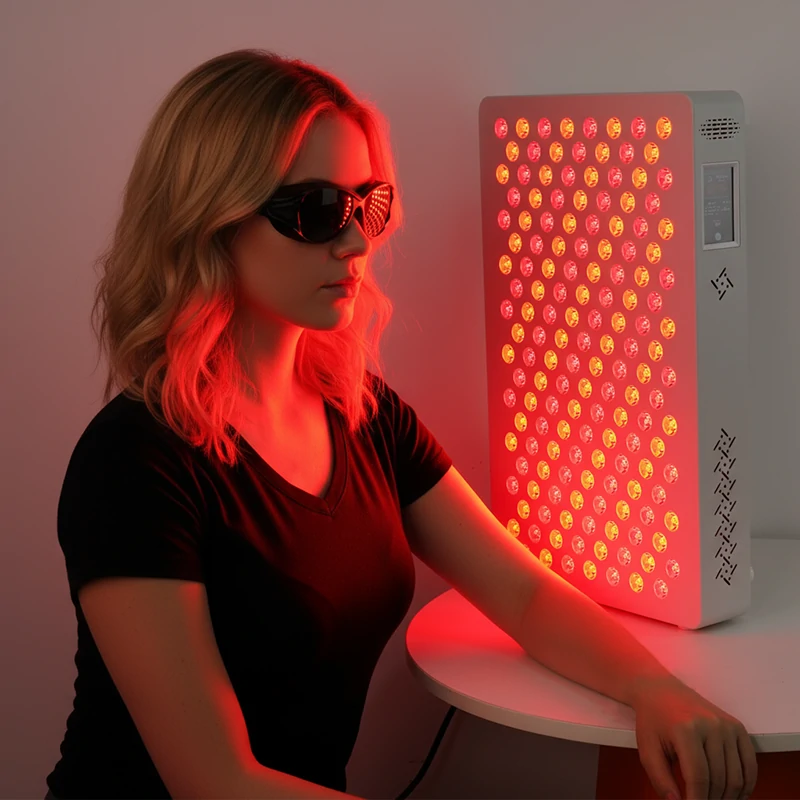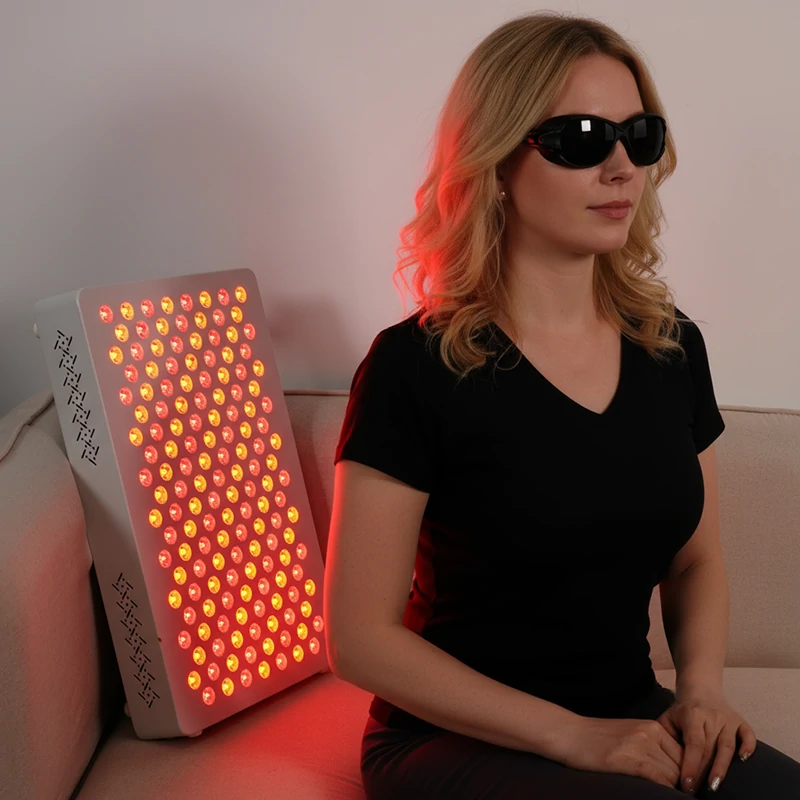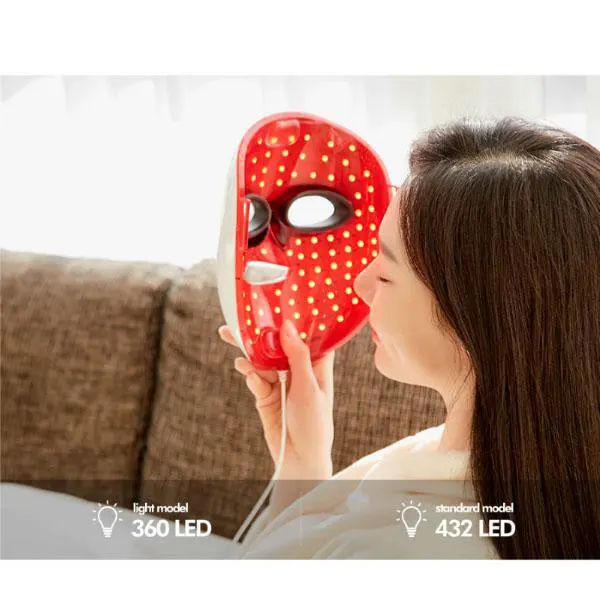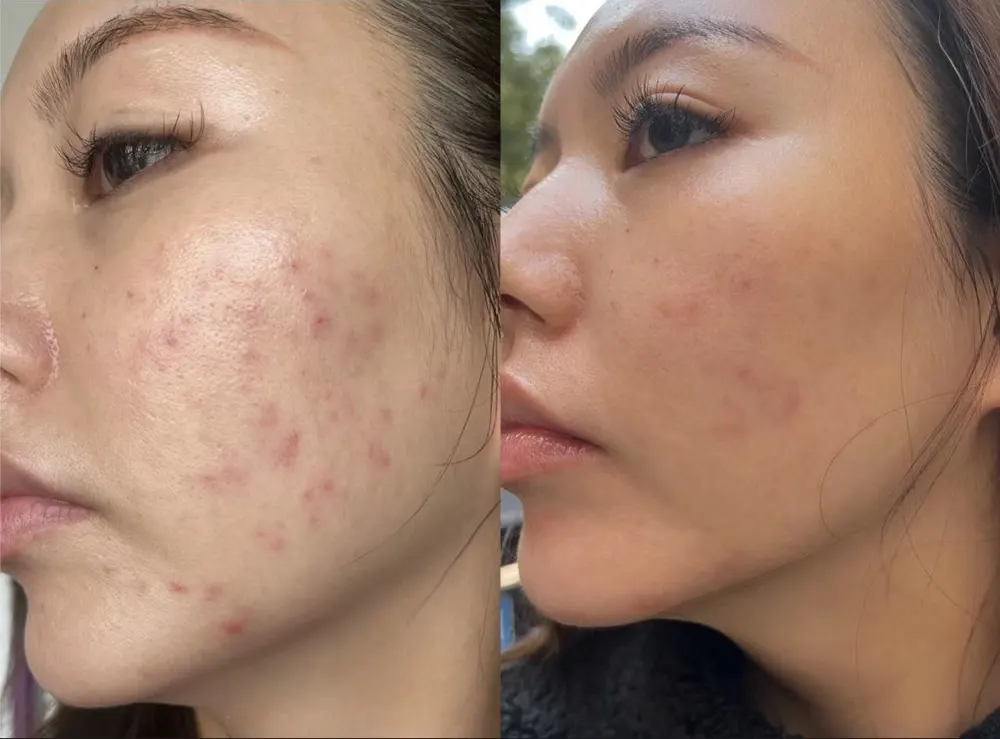
In the rapidly expanding market of photobiomodulation, consumers and business owners alike face a paradox of choice. A simple search for “빨간불 치료” yields thousands of results, ranging from $50 handheld wands to $5,000 full-body clinical panels. With such a vast disparity in price and design, determining the best red light therapy device can feel overwhelming. This guide breaks down the selection process into five critical questions, helping you navigate the technical landscape to find a solution that delivers real biological results, whether for personal use or as a commercial red light therapy investment.
1분기: Why Is There Such a Huge Difference Between Devices?
The staggering price gap and performance variance in the market stem from three primary factors: component quality, engineering precision, and intended application.
1. LED Chip Quality and Bin Sorting
Not all LEDs are created equal. High-end manufacturers use medical-grade chips from reputable suppliers (often in the US, 독일, or South Korea) that undergo strict “bin sorting.” This ensures every diode emits the exact target wavelength (e.g., 660nm ±5nm). Cheaper devices often use generic, unsorted chips where the wavelength can drift significantly (e.g., emitting 640nm or 680nm instead of 660nm). Since photobiomodulation relies on specific absorption peaks in the mitochondria, a deviation of even 20nm can render the device ineffective. This difference in raw materials is a major driver of cost.
Not all LEDs are created equal. High-end manufacturers use medical-grade chips from reputable suppliers (often in the US, 독일, or South Korea) that undergo strict “bin sorting.” This ensures every diode emits the exact target wavelength (e.g., 660nm ±5nm). Cheaper devices often use generic, unsorted chips where the wavelength can drift significantly (e.g., emitting 640nm or 680nm instead of 660nm). Since photobiomodulation relies on specific absorption peaks in the mitochondria, a deviation of even 20nm can render the device ineffective. This difference in raw materials is a major driver of cost.
2. Power Supply and Heat Management
에이 professional red light therapy system requires a stable power supply to maintain consistent irradiance without flickering. Cheap units often lack proper drivers, leading to power fluctuations that reduce efficacy. Furthermore, high-power LEDs generate heat. Premium devices invest heavily in aluminum heatsinks and active cooling fans to prevent overheating, which can degrade the LEDs over time and lower their lifespan. Budget models often skimp on cooling, leading to rapid dimming or failure.
에이 professional red light therapy system requires a stable power supply to maintain consistent irradiance without flickering. Cheap units often lack proper drivers, leading to power fluctuations that reduce efficacy. Furthermore, high-power LEDs generate heat. Premium devices invest heavily in aluminum heatsinks and active cooling fans to prevent overheating, which can degrade the LEDs over time and lower their lifespan. Budget models often skimp on cooling, leading to rapid dimming or failure.
3. Target Market and Certification
Devices designed for home use prioritize aesthetics and low cost, while those built for B2B red light therapy clinics prioritize durability, high irradiance, and safety certifications (FDA, CE, RoHS 규제). The cost of rigorous third-party testing and compliance adds to the price of professional-grade units but ensures safety and verified performance.
Devices designed for home use prioritize aesthetics and low cost, while those built for B2B red light therapy clinics prioritize durability, high irradiance, and safety certifications (FDA, CE, RoHS 규제). The cost of rigorous third-party testing and compliance adds to the price of professional-grade units but ensures safety and verified performance.
2분기: What Are the Key Parameters (파장 & 힘)?
When evaluating the best red light therapy device, two technical specifications are non-negotiable: wavelength accuracy and power density (방사조도). Marketing fluff should be ignored in favor of these hard numbers.
파장: The Biological Key
Effective therapy requires a combination of two specific spectrum bands:
Effective therapy requires a combination of two specific spectrum bands:
- 빨간불 (630nm – 670nm): Ideally centered at 660nm. This wavelength is absorbed by hemoglobin and skin cells, making it ideal for surface issues like wrinkles, acne, scars, and skin tone.
- Near-Infrared Light (810nm – 850nm): Ideally centered at 850nm. This invisible light penetrates deeper into muscle, bone, and joints, targeting inflammation, pain relief, and deep tissue repair.
- Tip: The best devices offer both wavelengths, often with the ability to switch between them or use them simultaneously. Avoid devices that only list “빨간불” without specifying the nanometer range.
Power Density (방사조도): The Delivery Mechanism
Wavelength gets the light to the right place, but irradiance determines if there is enough energy to trigger a response. Measured in milliwatts per square centimeter (mW/cm²), this metric indicates how much light energy hits your skin at a specific distance.
Wavelength gets the light to the right place, but irradiance determines if there is enough energy to trigger a response. Measured in milliwatts per square centimeter (mW/cm²), this metric indicates how much light energy hits your skin at a specific distance.
- Low Power (<10 mW/cm² at 6 신장): Typical of cheap masks or small panels. Good for very superficial skin maintenance but ineffective for deep tissue or significant collagen stimulation.
- Medium Power (20–50 mW/cm² at 6 신장): Suitable for home users targeting specific areas.
- High Power (>60–100+ mW/cm² at 6 신장): Found in industrial red light therapy panels and clinical units. These deliver a therapeutic dose in less time (10 mins vs. 30 mins) and penetrate deeper.
- Crucial Note: Always check the irradiance at a realistic distance (e.g., 6 신장), not directly against the lens. Many manufacturers inflate numbers by measuring at 0 신장.
3분기: OEM vs. Branded Products: Which to Choose?
The decision between buying a established brand or sourcing an OEM red light therapy product depends largely on your goal: personal convenience or business scalability.
Branded Products (For Consumers)
Buying from a well-known consumer brand offers peace of mind. These companies handle customer support, warranties, and have already vetted the manufacturing quality. You pay a premium for the brand reputation, user-friendly interface, and curated packaging. For an individual looking for a plug-and-play solution, this is often the safest route. 하지만, you are limited to their existing designs and price points.
Buying from a well-known consumer brand offers peace of mind. These companies handle customer support, warranties, and have already vetted the manufacturing quality. You pay a premium for the brand reputation, user-friendly interface, and curated packaging. For an individual looking for a plug-and-play solution, this is often the safest route. 하지만, you are limited to their existing designs and price points.
OEM/White Label Solutions (For Businesses)
For gym owners, med-spa operators, or entrepreneurs launching a wellness line, partnering with an OEM red light therapy manufacturer is the strategic choice.
For gym owners, med-spa operators, or entrepreneurs launching a wellness line, partnering with an OEM red light therapy manufacturer is the strategic choice.
- Customization: You can tailor the form factor, wavelength mix, control interfaces, and branding to fit your specific niche.
- Cost Efficiency: Buying in bulk red light therapy quantities significantly reduces the unit cost, improving profit margins for service-based businesses.
- Scalability: Reputable white label red light therapy suppliers provide consistent quality across large orders, ensuring every panel in your clinic performs identically.
- Risk: The downside is the need for due diligence. You must verify the factory’s certifications and request sample testing before committing to a large order. Unlike consumer brands, you become the face of the warranty and support.
4분기: Real-World Testing Experience
To truly identify the best red light therapy device, theoretical specs must meet practical reality. In testing various units from budget to premium tiers, several distinct differences emerged.
그만큼 “Glow” Test
High-quality panels emit a deep, rich red and a faint purple/pink glow (from the NIR diodes). Cheap units often look bright orange or washed out, indicating poor spectral purity. When turned on, premium devices feel substantial; the housing stays cool to the touch even after 20 분, thanks to superior heatsinking. Budget units often become uncomfortably hot, forcing users to cut sessions short.
High-quality panels emit a deep, rich red and a faint purple/pink glow (from the NIR diodes). Cheap units often look bright orange or washed out, indicating poor spectral purity. When turned on, premium devices feel substantial; the housing stays cool to the touch even after 20 분, thanks to superior heatsinking. Budget units often become uncomfortably hot, forcing users to cut sessions short.
The Timer and Control Experience
Professional commercial red light therapy panels feature intuitive digital controls, precise timers, and memory settings. In contrast, many low-cost devices rely on clunky remote controls with laggy responses or simple on/off switches that make dosing difficult to track. Consistency is key to results, and devices that make it hard to track time hinder user adherence.
Professional commercial red light therapy panels feature intuitive digital controls, precise timers, and memory settings. In contrast, many low-cost devices rely on clunky remote controls with laggy responses or simple on/off switches that make dosing difficult to track. Consistency is key to results, and devices that make it hard to track time hinder user adherence.
Coverage and Uniformity
A critical test involves measuring irradiance across the entire panel surface. Top-tier devices maintain uniform light distribution, ensuring no “dark spots.” Lower-quality panels often have intense hotspots directly over the LEDs with significant drop-off in between, leading to uneven treatment results. For full-body treatments, this uniformity is vital to ensure the back, legs, and arms receive equal therapeutic doses.
A critical test involves measuring irradiance across the entire panel surface. Top-tier devices maintain uniform light distribution, ensuring no “dark spots.” Lower-quality panels often have intense hotspots directly over the LEDs with significant drop-off in between, leading to uneven treatment results. For full-body treatments, this uniformity is vital to ensure the back, legs, and arms receive equal therapeutic doses.
Q5: Final Buying Recommendations
Choosing the right device is an investment in health or business growth. Here is a concise checklist to guide your purchase:
For Individual Users:
- Verify Specs: Look for 660nm and 850nm wavelengths. Demand proof of irradiance (mW/cm²) ~에 6 신장. Aim for at least 30-50 mW/cm² for effective home use.
- Check Certifications: Ensure the device is FDA-cleared (or equivalent in your region) for safety.
- Size Matters: Choose a panel size that fits your target area. A small mask is fine for the face, but for back pain or full-body rejuvenation, a mid-to-large panel is necessary.
- 보증: Opt for brands offering at least a 2-3 year warranty, indicating confidence in their build quality.
For Business Owners & Investors:
- Partner with Reputable Suppliers: Seek out red light therapy distributors or manufacturers with a proven track record in the B2B space. Ask for case studies from other clinics.
- Request Samples: Never place a bulk order without testing a sample unit. Measure its output with a light meter to verify claims.
- Consider Customization: If building a brand, explore custom red light therapy options to differentiate your offering from competitors using generic off-the-shelf units.
- Focus on Durability: In a commercial setting, devices will run for hours daily. Prioritize units with industrial-grade components and active cooling systems.
결론
그만큼 best red light therapy device is not necessarily the most expensive one, but it is rarely the cheapest. It is the device that accurately delivers the correct wavelengths at a therapeutic power density, consistently and safely. Whether you are a consumer seeking vitality or a business owner deploying wholesale red light therapy 솔루션, understanding the technical nuances of wavelength, 방사조도, and manufacturing quality is the key to unlocking the true potential of light. Don’t let marketing gimmicks dictate your choice; let the science of photobiomodulation guide your investment.