Interviewee: 박사. Michael Carter (Photobiomodulation Researcher & 5-Year User)
Focus: Facial skin rejuvenation, 노화 방지, at-home LED devices
1분기: How did you first discover red light therapy for facial use?
에이:
Interestingly, I didn’t start with skincare in mind. My first exposure to red light therapy came from reading about photobiomodulation research—particularly early experiments conducted in the 1990s exploring how light could influence cellular behavior. Over time, I noticed dermatology studies referencing the same wavelengths for skin repair and collagen stimulation.
What caught my attention was the non-invasive nature of the treatment. Unlike chemical peels or laser resurfacing, red light therapy doesn’t damage the skin to trigger regeneration. Instead, it enhances natural cellular function. That alone made it worth exploring for facial applications.
When I started testing devices, I focused specifically on LED-based face masks and compact panels designed for skincare. Within a few weeks, I began to understand why this technology has gained so much traction in the beauty and wellness space.
2분기: How does red light therapy work on facial skin?
에이:
At the facial level, red light therapy primarily works by stimulating mitochondrial activity within skin cells. When red light—typically around 630nm to 660nm—penetrates the skin, it is absorbed by enzymes in the mitochondria. This leads to increased ATP production, which essentially gives cells more energy to perform their وظائف.
For facial skin, this has several important effects. First, it activates fibroblasts, which are responsible for producing collagen. Collagen is what keeps skin firm, smooth, and elastic. As we age, collagen production decreases, leading to wrinkles and sagging.
Second, red light therapy reduces inflammation. Many common skin issues—acne, 홍반, irritation—are linked to inflammatory processes. By calming these pathways, the skin appears clearer and more balanced.
Third, it improves microcirculation. Better blood flow means more oxygen and nutrients reach the skin, contributing to that healthy, radiant look many users report.
What makes this especially powerful is that all of these processes happen simultaneously. You’re not targeting a single symptom—you’re improving overall skin function.
3분기: How do you choose the right red light therapy device for the face?
에이:
This is where many users make mistakes. Not all devices are created equal, and effectiveness depends heavily on three factors: wavelength accuracy, power output, and build quality.
For facial treatments, I recommend devices that include wavelengths in the 630nm to 660nm range. These are optimal for skin-level penetration. Some advanced devices also include near-infrared wavelengths (around 830nm–850nm) to support deeper tissue health.
Power output is equally important. A device may have the correct wavelength but insufficient intensity, which limits results. This is why sourcing matters—many high-performing devices come from specialized LED light therapy manufacturers that focus on consistent irradiance and proper calibration.
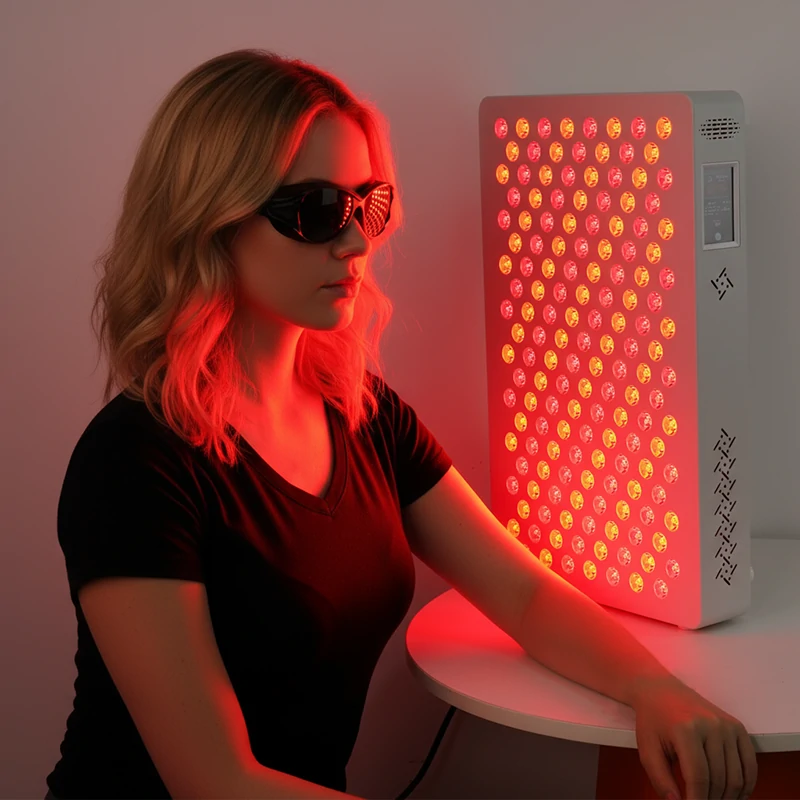
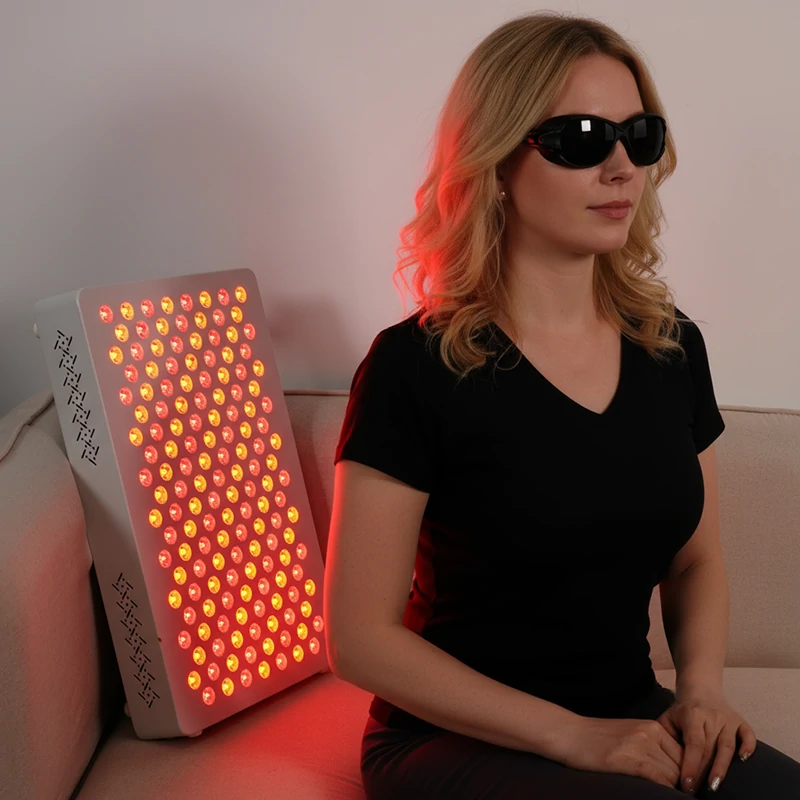
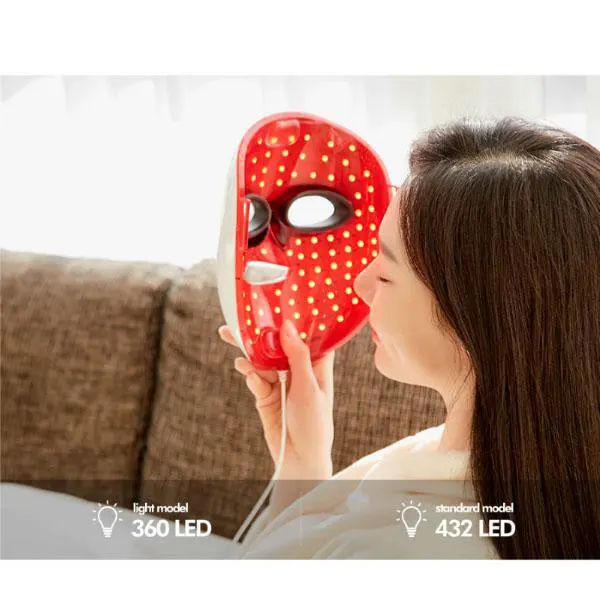
Another consideration is design. Face masks offer convenience and even coverage, while small panels may provide stronger output but require positioning.
From a B2B perspective, brands often partner with OEM red light therapy factories to customize devices with specific wavelengths and power levels. This is why you’ll see significant variation across products in the market.
4분기: What results can users realistically expect?
에이:
Results are real—but gradual. That’s an important point.
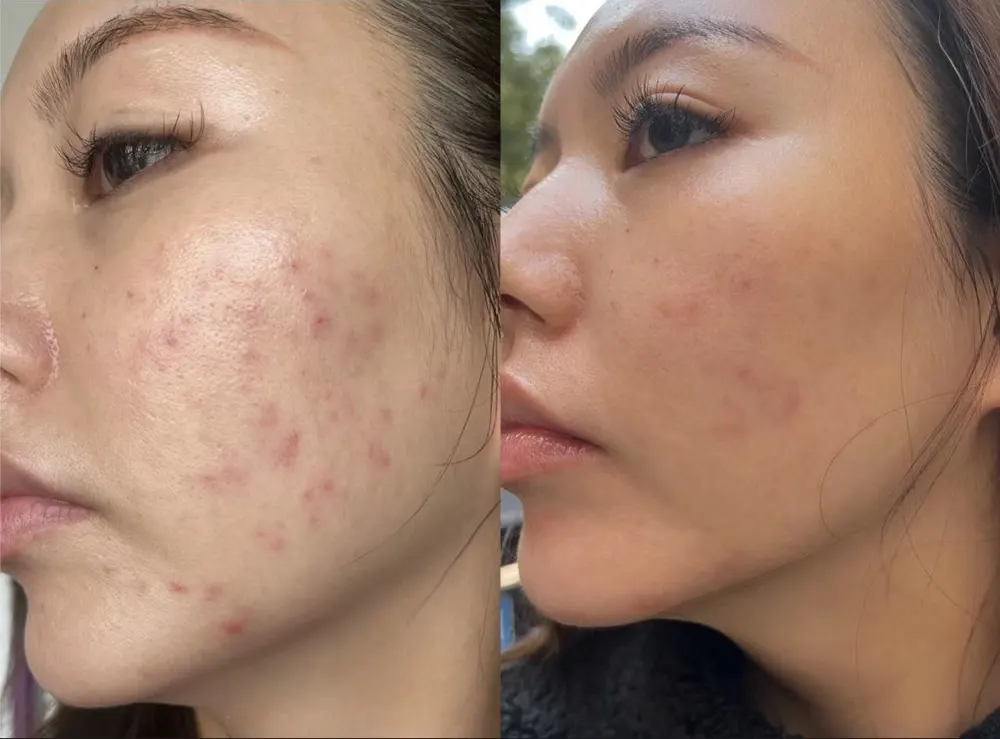
In the first 1–2 weeks, most users notice subtle improvements: smoother texture, slightly brighter skin, reduced redness. These changes are often described as a “healthy glow.”
By weeks 3–4, collagen-related effects begin to appear. Fine lines may soften, and skin may feel firmer. Acne-prone users often see reduced breakouts and faster healing of existing blemishes.
After 6–8 weeks of consistent use, the results become more noticeable. Skin tone becomes more even, elasticity improves, and overall skin quality is enhanced.
하지만, results depend on consistency. Using a device once or twice will not produce meaningful change. Regular sessions—typically 3–5 times per week—are necessary to maintain progress.
Q5: Is red light therapy for the face worth it?
에이:
In my professional and personal experience, yes—it is worth it, especially for those looking for a non-invasive, long-term skincare solution.
What makes it valuable is not just the results, but the sustainability. Unlike treatments that require recovery time or repeated clinic visits, red light therapy can be integrated into a daily routine with minimal effort.
It’s also cost-effective over time. While the upfront investment in a quality device may seem high, it often replaces ongoing spending on treatments or products.
That said, the key is choosing the right device and using it consistently. When those conditions are met, red light therapy becomes one of the most reliable tools for maintaining and improving facial skin health.