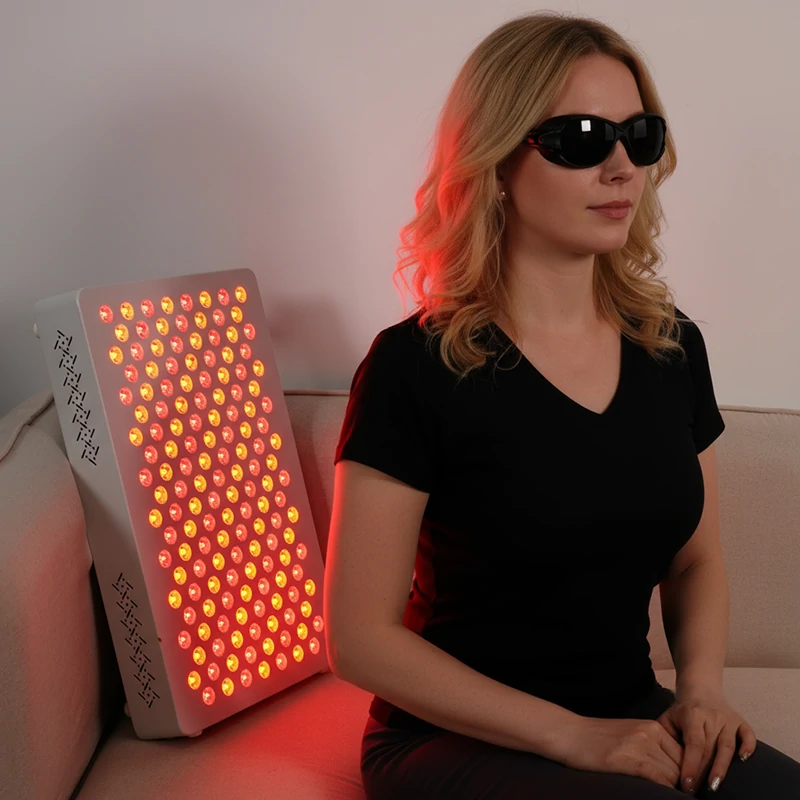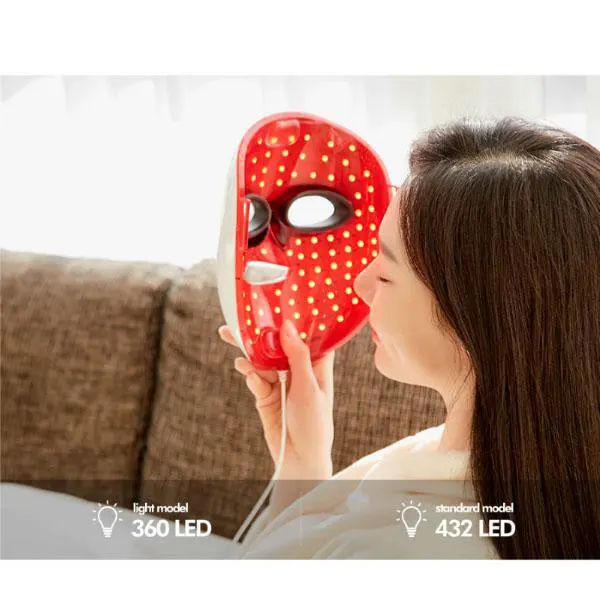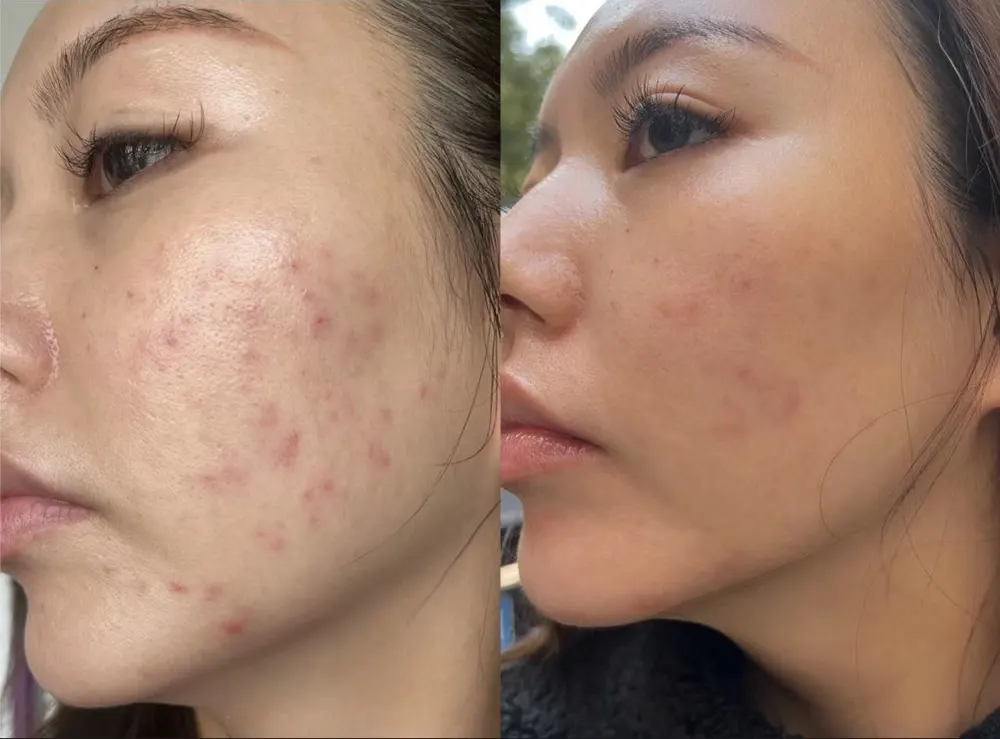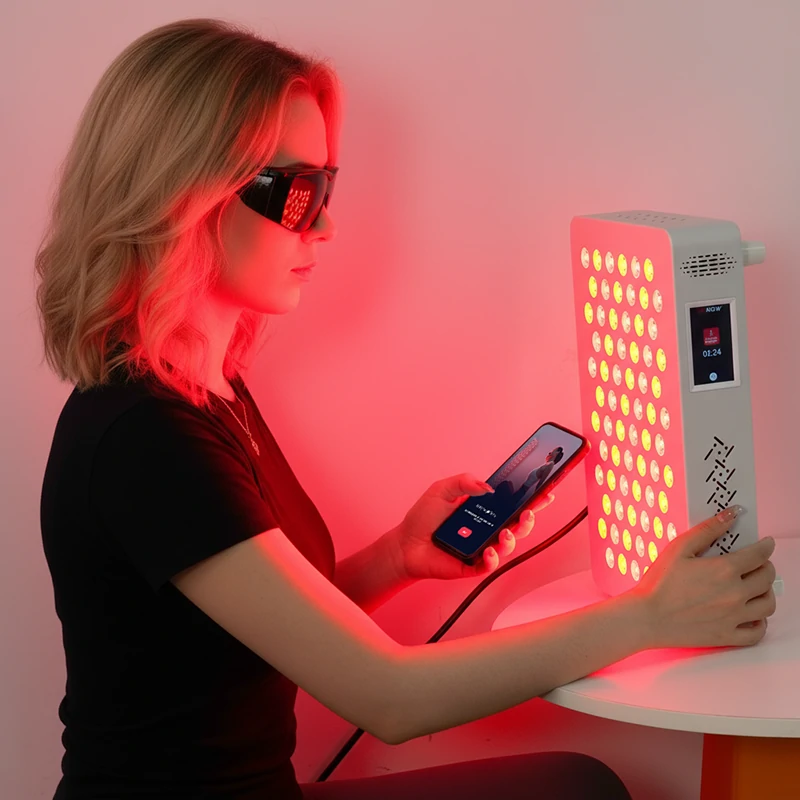
As the popularity of photobiomodulation surges, transitioning from exclusive clinical treatments to mainstream home wellness, a critical question dominates the conversation: Is red light therapy safe for daily use? With the market flooded with everything from handheld wands to massive commercial red light therapy panels, users are eager to maximize benefits but wary of overexposure. This article addresses the safety profile of red light therapy through five essential questions, providing a clear roadmap for individuals and B2B red light therapy providers alike.
1분기: What Was the Initial Perception of Safety?
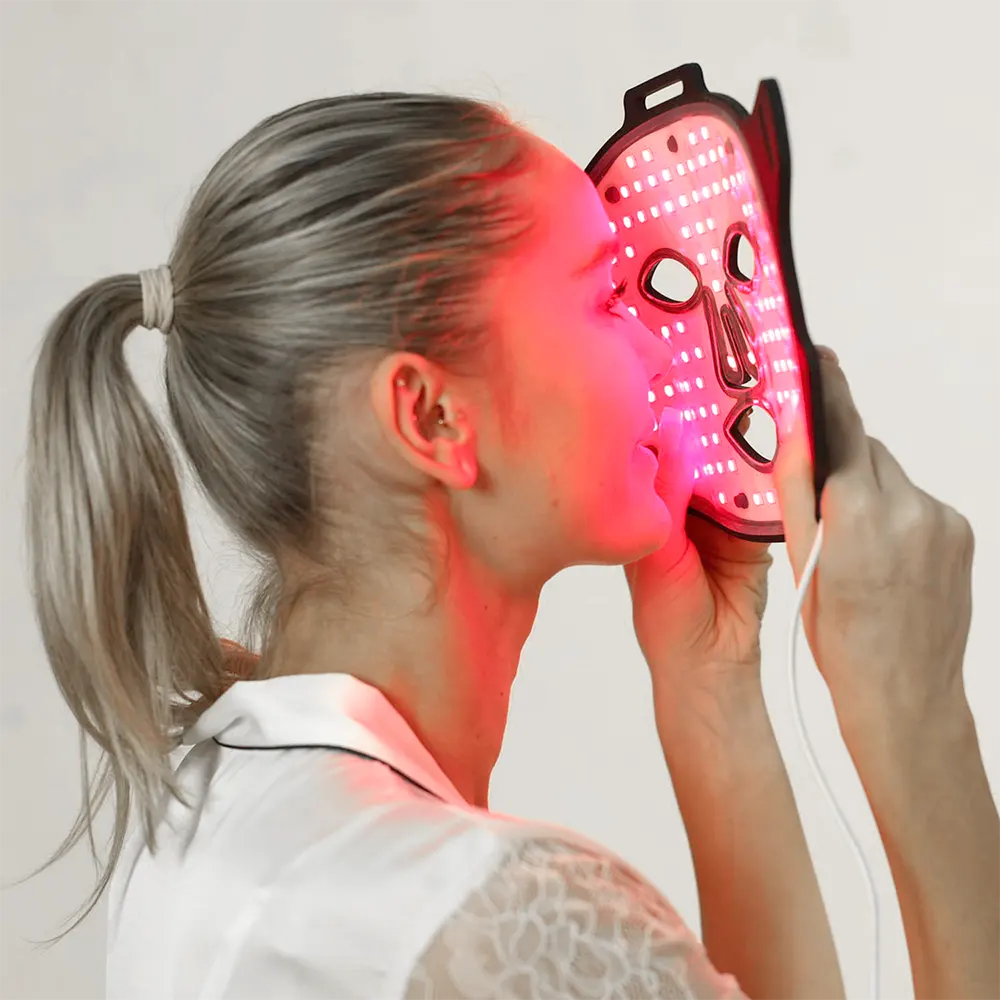
When red light therapy first emerged from NASA research and dermatology labs into the consumer sphere, the initial perception was a mix of fascination and caution. For decades, the general public associated “light therapy” primarily with ultraviolet (UV) tanning beds, which carry well-documented risks of skin cancer and premature aging. 따라서, many early adopters approached LED light therapy panels with skepticism, wondering if exposing their skin to intense light daily could replicate the damaging effects of the sun.
Furthermore, the medical community’s initial stance was conservative. While the mechanism of action—stimulating mitochondria without generating heat—was scientifically sound, long-term data on daily, unsupervised home use was limited. There were concerns about eye safety, particularly with near-infrared (근적외선) wavelengths that are invisible to the human eye but penetrate deeply. Early marketing by some red light therapy manufacturers occasionally overhyped benefits while underplaying usage protocols, leading to confusion.
하지만, as peer-reviewed studies accumulated and FDA clearances were granted for various devices, the narrative shifted. The distinction between harmful UV radiation and therapeutic red/NIR light became clearer. The consensus began to form that, unlike UV, red light does not damage DNA but rather repairs it. This foundational understanding paved the way for the widespread adoption of wholesale red light therapy units in homes and gyms, replacing fear with informed confidence.
2분기: How Should Frequency Be Controlled?
Safety in red light therapy is intrinsically linked to dosage. The biological principle at play is the biphasic dose response (Arndt-Schulz curve), which suggests that too little light has no effect, an optimal amount stimulates healing, and too much can inhibit benefits or cause temporary irritation. Therefore, controlling frequency is not just about safety; it’s about efficacy.
The Gold Standard: Daily Consistency
For most applications, daily use is not only safe but recommended. The cellular processes triggered by photobiomodulation—such as ATP production and collagen synthesis—are cumulative. Skipping days can interrupt this momentum. Most professional red light therapy systems are designed with this daily usage model in mind.
For most applications, daily use is not only safe but recommended. The cellular processes triggered by photobiomodulation—such as ATP production and collagen synthesis—are cumulative. Skipping days can interrupt this momentum. Most professional red light therapy systems are designed with this daily usage model in mind.
Recommended Durations
- Skin Health (Anti-aging, Acne): 10 에게 15 minutes per day, positioned 6–12 inches from the panel.
- Deep Tissue/Muscle Recovery: 15 에게 20 minutes per day. Near-infrared light penetrates deeper, requiring slightly longer exposure to reach muscle fibers.
- High-Power Clinical Units: If using high-irradiance industrial red light therapy devices found in clinics, sessions may be shorter (5–10 minutes) due to the higher power density.
Listening to Your Body
Frequency control also involves self-monitoring. If a user experiences mild headaches, eye strain, or skin dryness, it may indicate overuse. In such cases, reducing frequency to every other day allows the body to reset. It is crucial to follow the specific guidelines provided by the OEM red light therapy device manufacturer, as power outputs vary significantly between models. Starting with shorter sessions (5 분) and gradually building up to the full duration over two weeks is a prudent strategy for new users.
Frequency control also involves self-monitoring. If a user experiences mild headaches, eye strain, or skin dryness, it may indicate overuse. In such cases, reducing frequency to every other day allows the body to reset. It is crucial to follow the specific guidelines provided by the OEM red light therapy device manufacturer, as power outputs vary significantly between models. Starting with shorter sessions (5 분) and gradually building up to the full duration over two weeks is a prudent strategy for new users.
3분기: What Is the Long-Term User Experience?
Long-term data, spanning several years of daily use, provides the most compelling evidence for safety. Thousands of users, from athletes utilizing bulk red light therapy setups in training centers to seniors managing chronic pain at home, have integrated this technology into their lives without reported adverse health events.
Sustained Benefits Without Diminishing Returns
Unlike certain pharmaceuticals where the body builds a tolerance, red light therapy appears to maintain its efficacy over time. Long-term users report sustained improvements in skin elasticity, reduced inflammation, and consistent pain management. There is no evidence suggesting that the cells become “immune” to the light stimulus. Instead, the baseline health of the tissue improves, making the body more resilient.
Unlike certain pharmaceuticals where the body builds a tolerance, red light therapy appears to maintain its efficacy over time. Long-term users report sustained improvements in skin elasticity, reduced inflammation, and consistent pain management. There is no evidence suggesting that the cells become “immune” to the light stimulus. Instead, the baseline health of the tissue improves, making the body more resilient.
Device Durability and Safety Features
From a hardware perspective, long-term use has highlighted the importance of quality. Users of cheap, unregulated devices sometimes report flickering lights or overheating, which can be safety hazards. Conversely, those investing in certified custom red light therapy solutions note the reliability of modern units, which often include timers, automatic shut-off features, and stable heat dissipation systems. This engineering focus ensures that daily use remains safe year after year.
From a hardware perspective, long-term use has highlighted the importance of quality. Users of cheap, unregulated devices sometimes report flickering lights or overheating, which can be safety hazards. Conversely, those investing in certified custom red light therapy solutions note the reliability of modern units, which often include timers, automatic shut-off features, and stable heat dissipation systems. This engineering focus ensures that daily use remains safe year after year.
Psychological Comfort
Over time, the initial anxiety about “radiation” or “eye damage” dissipates. Users become comfortable incorporating the therapy into their morning or evening routines. The non-invasive nature of the treatment means there is no downtime, no pain, and no recovery period, making it one of the safest long-term wellness investments available.
Over time, the initial anxiety about “radiation” or “eye damage” dissipates. Users become comfortable incorporating the therapy into their morning or evening routines. The non-invasive nature of the treatment means there is no downtime, no pain, and no recovery period, making it one of the safest long-term wellness investments available.
4분기: Are There Any Side Effects?
While red light therapy is overwhelmingly considered safe, it is not entirely devoid of potential side effects, though these are typically mild and transient.
Minor and Temporary Reactions
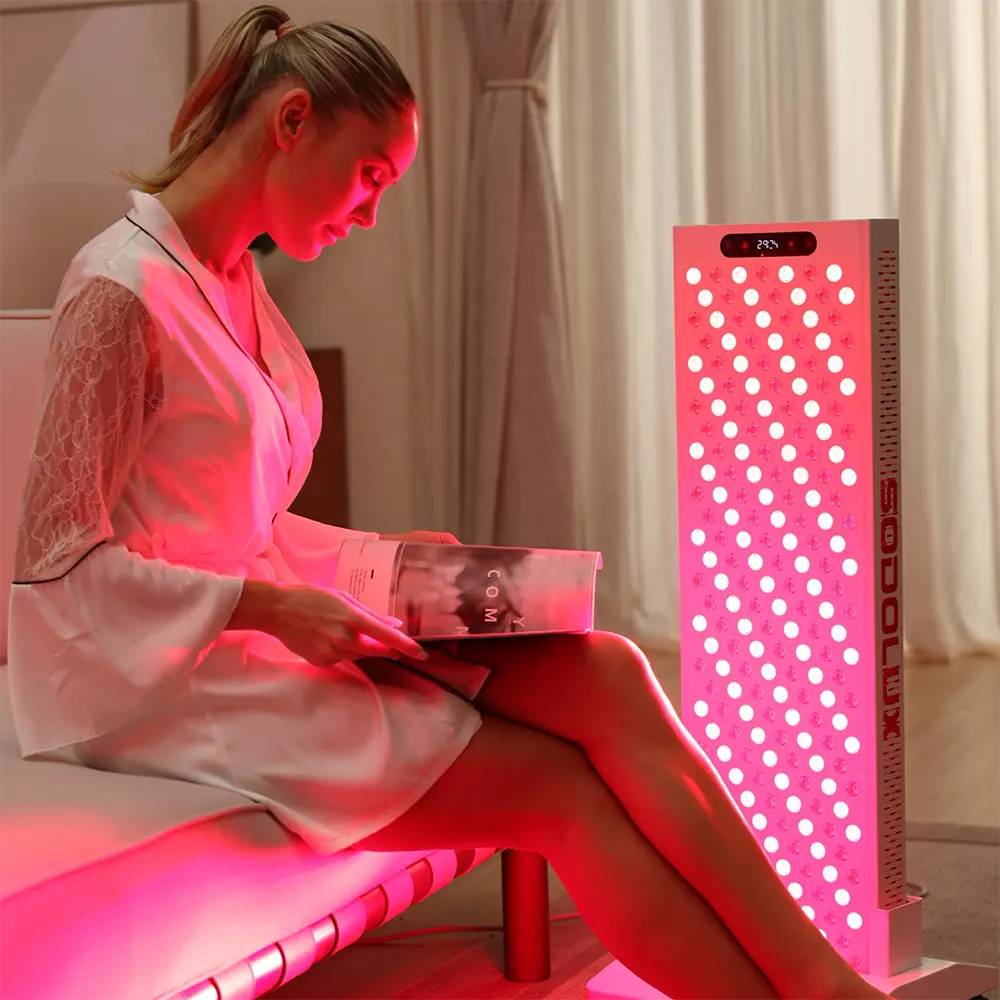
- Eye Strain: The most common complaint involves eye discomfort, especially when using near-infrared light without protection. While red light is visible and generally safe for eyes, NIR is invisible and intense. Prolonged direct staring can cause fatigue or headaches. Most experts and red light therapy distributors recommend wearing protective goggles, especially for sessions involving the face or high-powered units.
- Skin Dryness or Tightness: Some users report temporary dryness after sessions. This is often due to increased circulation and metabolic activity drawing moisture to the surface. Hydrating the skin post-treatment usually resolves this immediately.
- Headaches: A small percentage of users experience mild headaches after their first few sessions, likely due to increased blood flow or dehydration. Drinking water before and after therapy typically mitigates this.
Contraindications and Precautions
Certain groups should exercise caution or consult a physician before starting daily therapy:
Certain groups should exercise caution or consult a physician before starting daily therapy:
- Photosensitivity: Individuals taking photosensitizing medications (e.g., certain antibiotics, acne medications like Accutane) may react adversely to light exposure.
- Active Cancer: While research is ongoing regarding red light’s role in cancer care, those with active malignancies are generally advised to avoid direct irradiation of tumor sites until cleared by an oncologist.
- Pregnancy: While no harmful effects have been documented, there is insufficient long-term data on fetal exposure, so many private label red light therapy brands advise caution or avoidance of abdominal treatment during pregnancy.
Crucially, unlike UV therapy, red light therapy does not cause burns, blistering, or DNA damage when used as directed. 그만큼 “side effects” are rarely dangerous and almost always manageable.
Q5: What Do Experts Recommend?
Leading dermatologists, physical therapists, and researchers offer a unified set of recommendations to ensure the safe and effective daily use of red light therapy.
1. Prioritize Quality and Certification
Experts emphasize that safety starts with the device. Not all LEDs are created equal. Dr. Michael Hamblin, a leading researcher in photobiomodulation, often stresses the importance of using devices with verified wavelengths and irradiance levels. Consumers and commercial red light therapy provider businesses should look for FDA-cleared or CE-marked devices. Avoid unbranded, ultra-cheap units that lack technical specifications.
Experts emphasize that safety starts with the device. Not all LEDs are created equal. Dr. Michael Hamblin, a leading researcher in photobiomodulation, often stresses the importance of using devices with verified wavelengths and irradiance levels. Consumers and commercial red light therapy provider businesses should look for FDA-cleared or CE-marked devices. Avoid unbranded, ultra-cheap units that lack technical specifications.
2. Protect Your Eyes
Even if a device claims to be “eye-safe,” experts universally recommend using appropriate eyewear, particularly when using near-infrared wavelengths or high-intensity panels. This is a simple precaution that eliminates the risk of retinal strain.
Even if a device claims to be “eye-safe,” experts universally recommend using appropriate eyewear, particularly when using near-infrared wavelengths or high-intensity panels. This is a simple precaution that eliminates the risk of retinal strain.
3. Consistency Over Intensity
More is not better. Experts warn against the temptation to double session times to “speed up” results. Adhering to the recommended 10–20 minute window is safer and more effective. The biological response saturates; exceeding the optimal dose yields no extra benefit and wastes energy.
More is not better. Experts warn against the temptation to double session times to “speed up” results. Adhering to the recommended 10–20 minute window is safer and more effective. The biological response saturates; exceeding the optimal dose yields no extra benefit and wastes energy.
4. Consult Professionals for Specific Conditions
While general wellness use is safe for almost everyone, individuals with specific medical conditions (autoimmune disorders, thyroid issues, or active infections) should consult their healthcare provider. 에이 red light therapy supplier working with medical clinics often facilitates this by providing detailed usage manuals tailored to therapeutic applications.
While general wellness use is safe for almost everyone, individuals with specific medical conditions (autoimmune disorders, thyroid issues, or active infections) should consult their healthcare provider. 에이 red light therapy supplier working with medical clinics often facilitates this by providing detailed usage manuals tailored to therapeutic applications.
5. Integrate Holistically
Red light therapy works best as part of a broader health strategy. Experts suggest combining it with proper nutrition, sleep hygiene, and stress management. It is a tool for optimization, not a standalone cure-all.
Red light therapy works best as part of a broader health strategy. Experts suggest combining it with proper nutrition, sleep hygiene, and stress management. It is a tool for optimization, not a standalone cure-all.
결론
The verdict is clear: Red light therapy is safe for daily use for the vast majority of people. The initial fears rooted in confusion with UV radiation have been dispelled by years of positive user experiences and robust scientific inquiry. By controlling frequency, respecting dosage limits, protecting the eyes, and choosing high-quality white label red light therapy or premium consumer devices, users can safely harness the power of light for years to come.
For businesses, ensuring customer education on these safety points is key to retention and trust. As the industry matures, the focus remains on delivering safe, 효과적인, and accessible solutions. Whether you are treating chronic pain, seeking anti-aging benefits, or recovering from injury, daily red light therapy offers a low-risk, high-reward pathway to better health. The light is green for daily use—provided you follow the rules of the road.