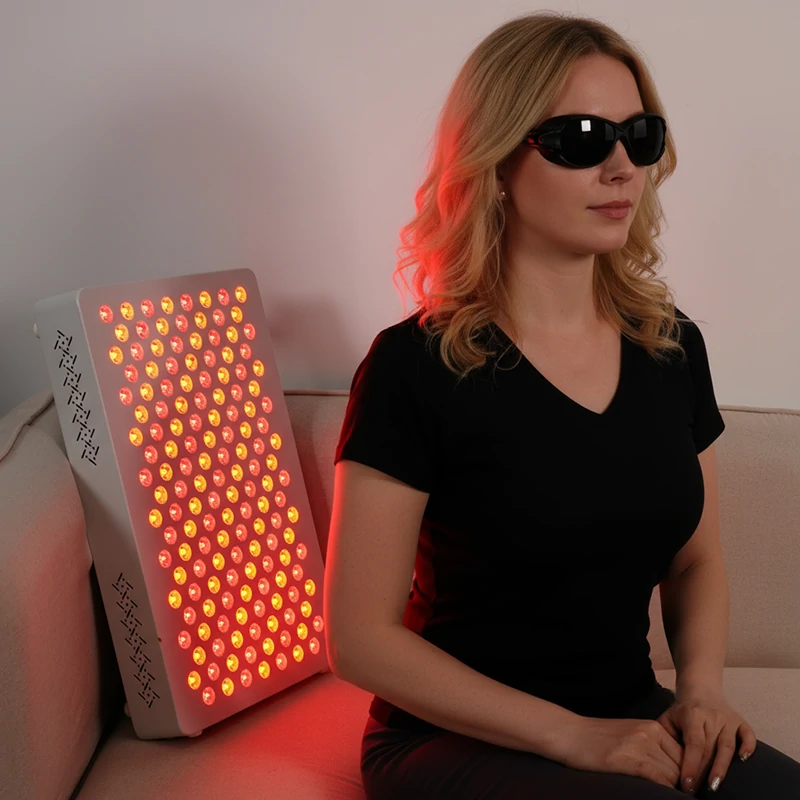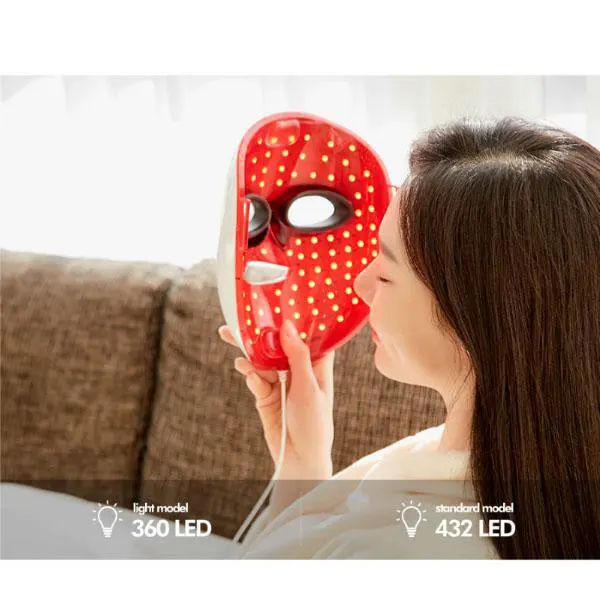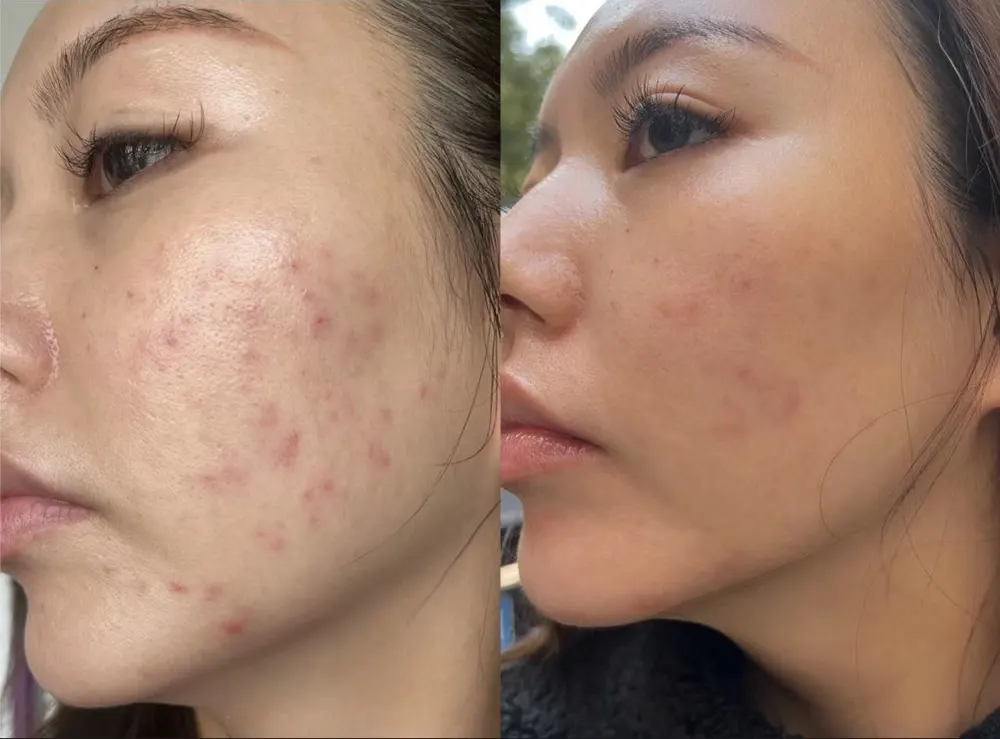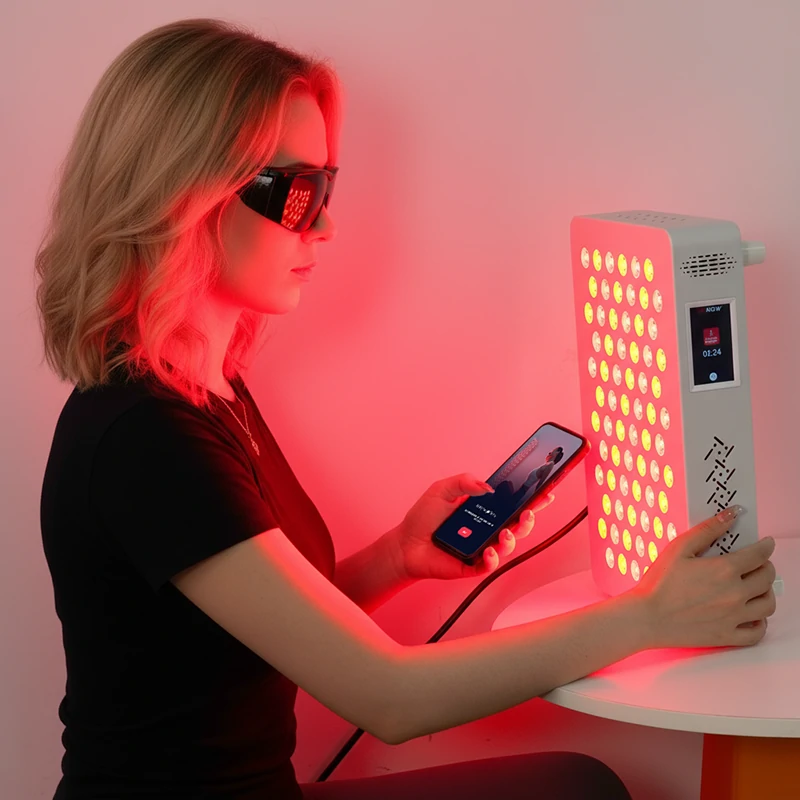
Combination skin is one of the most common—and most frustrating—skin types to manage. You’re dealing with an oily T-zone (forehead, nose, chin) prone to breakouts and enlarged pores, while your cheeks and other areas feel dry, tight, or sensitive. To complicate matters, you may also be managing fine lines, uneven texture, or post-inflammatory hyperpigmentation from past breakouts.
Enter red light therapy masks. Unlike topical products that must be carefully balanced to avoid over-drying or clogging, light therapy offers a unique advantage: it can address multiple skin concerns simultaneously, without the risk of irritating one area while treating another.
This guide explores how red light therapy masks work for combination skin, which wavelengths target which concerns, and how to incorporate them into your skincare routine for balanced, radiant results.
Understanding Combination Skin: The Unique Challenge
Combination skin isn’t simply “oily in some places, dry in others.” It represents two distinct skin conditions coexisting on the same face:
| Zone | Characteristics | Common Concerns |
|---|---|---|
| T-zone (forehead, nose, chin) | Overactive sebaceous glands, larger pores | Acne, blackheads, congestion, shine |
| Cheeks and periphery | Weaker moisture barrier, lower sebum production | Dryness, sensitivity, redness, fine lines |
| Entire face (over time) | Cumulative aging, inflammation, uneven texture | Wrinkles, dullness, hyperpigmentation |
The challenge with skincare products is that what controls oil in the T-zone may strip moisture from the cheeks. What hydrates the cheeks may clog pores in the T-zone. Red light therapy bypasses this dilemma entirely—it works at the cellular level, modulating biological processes without introducing comedogenic ingredients or harsh chemicals.
How Red Light Therapy Works for Combination Skin
빨간불 치료 (photobiomodulation) uses specific wavelengths of light to stimulate cellular activity. When absorbed by mitochondria, light energy triggers a cascade of beneficial effects that address the underlying biology of both oily and dry skin.
The Core Mechanisms
1. Sebum Regulation (T-zone benefit)
Research suggests that red and blue light therapy can help normalize sebum production. While the exact mechanism isn’t fully understood, photobiomodulation appears to influence the activity of sebaceous glands—potentially reducing overproduction in oily areas without causing dryness elsewhere .
2. Inflammation Reduction (Whole-face benefit)
Both red and near-infrared light are potent anti-inflammatories, modulating cytokines like NF-κB, IL-1β, and TNF-α . For combination skin, this means:
-
Calming active breakouts in the T-zone
-
Reducing redness and sensitivity in dry areas
-
Preventing post-inflammatory hyperpigmentation from healed blemishes
3. Barrier Support (Dry area benefit)
Red light therapy enhances cellular metabolism and lipid synthesis, supporting the skin’s natural moisture barrier . For dry cheeks, this translates to improved hydration retention and reduced sensitivity.
4. Collagen Stimulation (Whole-face anti-aging)
By activating fibroblasts, red light increases collagen and elastin production—addressing fine lines, improving texture, and creating a more even skin tone across all areas .
Optimal Wavelengths for Combination Skin
Different wavelengths target different depths and biological processes. For combination skin, a multi-wavelength approach is ideal.
| 파장 | 색상 | 침투 | Role for Combination Skin |
|---|---|---|---|
| 415nm | Blue | Superficial (0.5-1mm) | Kills acne-causing bacteria (기음. acnes); reduces oil production |
| 630-660nm | 빨간색 | 2-4mm | Stimulates collagen; calms inflammation; improves texture |
| 830-850nm | 근적외선 | 5-10mm | Deep anti-inflammatory; supports barrier repair; enhances circulation |
| 590nm | Yellow | 2-3mm | Reduces redness; soothes sensitivity; improves lymphatic drainage |
Wavelength Combinations by Concern
| Primary Concern | Recommended Wavelengths | Why |
|---|---|---|
| Active breakouts in T-zone | Blue + 빨간색 | Blue kills bacteria; red reduces inflammation and prevents scarring |
| Dry, sensitive cheeks | 빨간색 + 근적외선 | Enhances barrier function; calms inflammation |
| Uneven texture and fine lines | 빨간색 + 근적외선 | Stimulates collagen across all zones |
| Redness and sensitivity | Yellow + 빨간색 | Soothes; reduces visible redness |
| Post-inflammatory hyperpigmentation | 빨간색 + (optional Yellow) | Accelerates healing; reduces melanin activity |
For most combination skin users, a mask combining red (630-660nm) and near-infrared (830-850nm) provides the best foundation, with blue light as a valuable addition if acne is a significant concern.
How to Use a Red Light Mask for Combination Skin
단계 1: Identify Your Primary Concerns
Before choosing a mask and protocol, assess your combination skin honestly:
| Concern | Priority Level for You |
|---|---|
| Active acne in T-zone | High / 중간 / Low |
| Enlarged pores / oiliness | High / 중간 / Low |
| Dryness / sensitivity on cheeks | High / 중간 / Low |
| Fine lines / 주름 | High / 중간 / Low |
| Redness / uneven tone | High / 중간 / Low |
This will guide wavelength selection and treatment focus.
단계 2: Choose the Right Device
Best masks for combination skin:
| Brand | 파장 | Why It Works for Combination Skin |
|---|---|---|
| Therabody TheraFace Mask | Blue + 빨간색 + Infrared | Comprehensive coverage; blue for breakouts, red/infrared for anti-aging and barrier support |
| Dr. Dennis Gross SpectraLite | 빨간색 + Blue | 3-minute sessions; ideal for those who need acne and anti-aging in one quick treatment |
| 퓨어럭스텍 | 빨간색 + 근적외선 | Excellent for collagen and inflammation; add a separate blue light device if acne is major concern |
| AMIRO Rainbow Light | 5 파장 (빨간색, Yellow, Blue, Green, 근적외선) | Most versatile; allows targeting specific zones with different wavelengths |
| CurrentBody Skin | 빨간색 + 근적외선 | Similar to Omnilux; solid anti-aging foundation |
단계 3: Customize Your Treatment Protocol
Unlike a one-size-fits-all approach, you can adapt your red light therapy to address different zones of your face.
Option A: Full-face treatment with a multi-wavelength mask
-
Use a mask with both red/infrared (for anti-aging and barrier) and blue (for acne prevention)
-
Treat full face for the recommended duration
-
다음에 가장 적합: Users with mild combination skin where concerns are balanced
Option B: Targeted treatment (if using a handheld device or panel)
-
Treat T-zone with blue light (if available) for oil control
-
Treat cheeks with red/infrared for barrier support and collagen
-
Total session: 5-10 minutes per zone
-
다음에 가장 적합: Users with stark contrast between zones
Option C: Layered approach
-
Use a blue light device on T-zone first (5 분)
-
Follow with full-face red/infrared mask (10-15 분)
-
다음에 가장 적합: Users with active breakouts and significant anti-aging concerns
단계 4: Establish a Consistent Routine
| Phase | 빈도 | 지속 | Notes |
|---|---|---|---|
| Initial (주 1-8) | 5-6 times per week | 10-20 분 | Daily use accelerates results |
| Maintenance (week 8+) | 3-4 times per week | 10-20 분 | Adjust based on results |
| Acne flare-ups | Daily until resolved | Blue light 5 min + 빨간색 10 min | Use blue light more frequently during breakouts |
단계 5: Complement with Targeted Skincare
Red light therapy works best as part of a comprehensive routine. The key is choosing products that support the areas they’re applied to.
Morning Routine:
-
Gentle, pH-balanced cleanser (avoid sulfates that strip moisture)
-
Vitamin C serum (whole face—antioxidant protection)
-
Lightweight, oil-free moisturizer on T-zone
-
Richer moisturizer or facial oil on cheeks
-
SPF 30+ (essential after light therapy)
Evening Routine (after red light therapy):
-
Gentle cleanse
-
Red light therapy session (10-20 분)
-
Retinoid (if tolerated—start with once weekly, build tolerance)
-
Targeted treatments:
-
T-zone: Salicylic acid or niacinamide for oil control
-
Cheeks: Hyaluronic acid, ceramides, or peptides for barrier support
-
-
Moisturizer (zoned as above)
Important: If using blue light for acne, consider applying a niacinamide serum after treatment—it helps reduce post-inflammatory hyperpigmentation without interfering with light penetration.