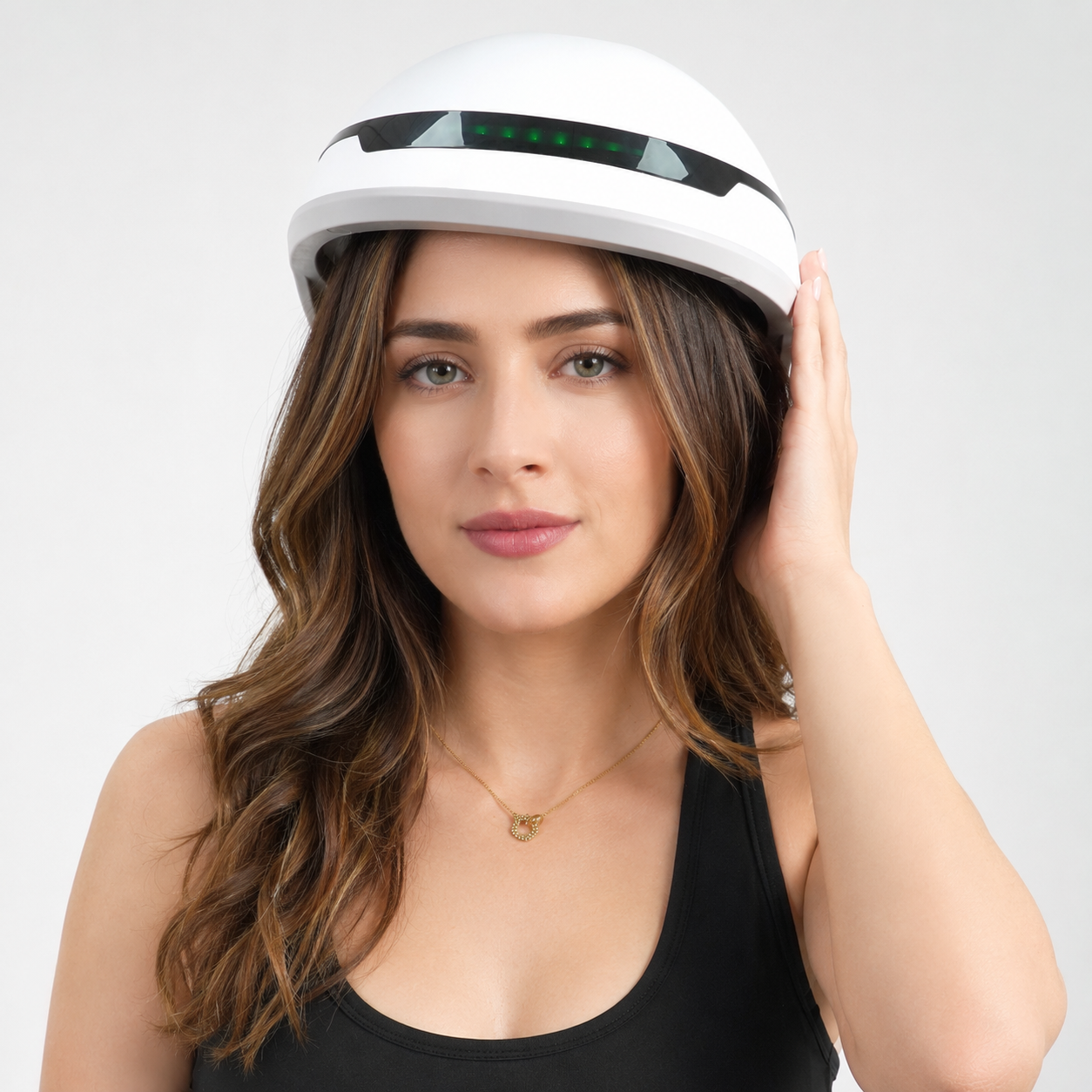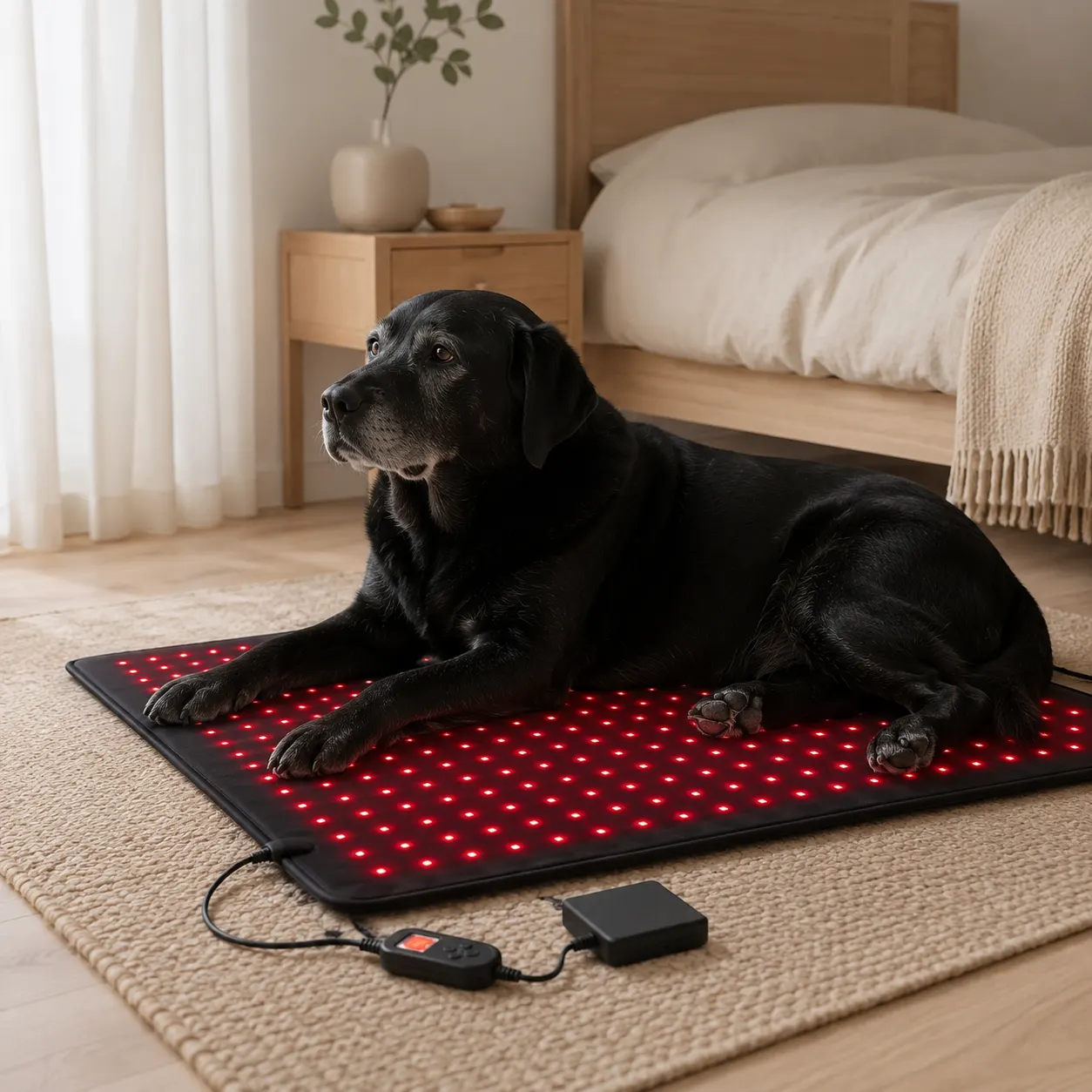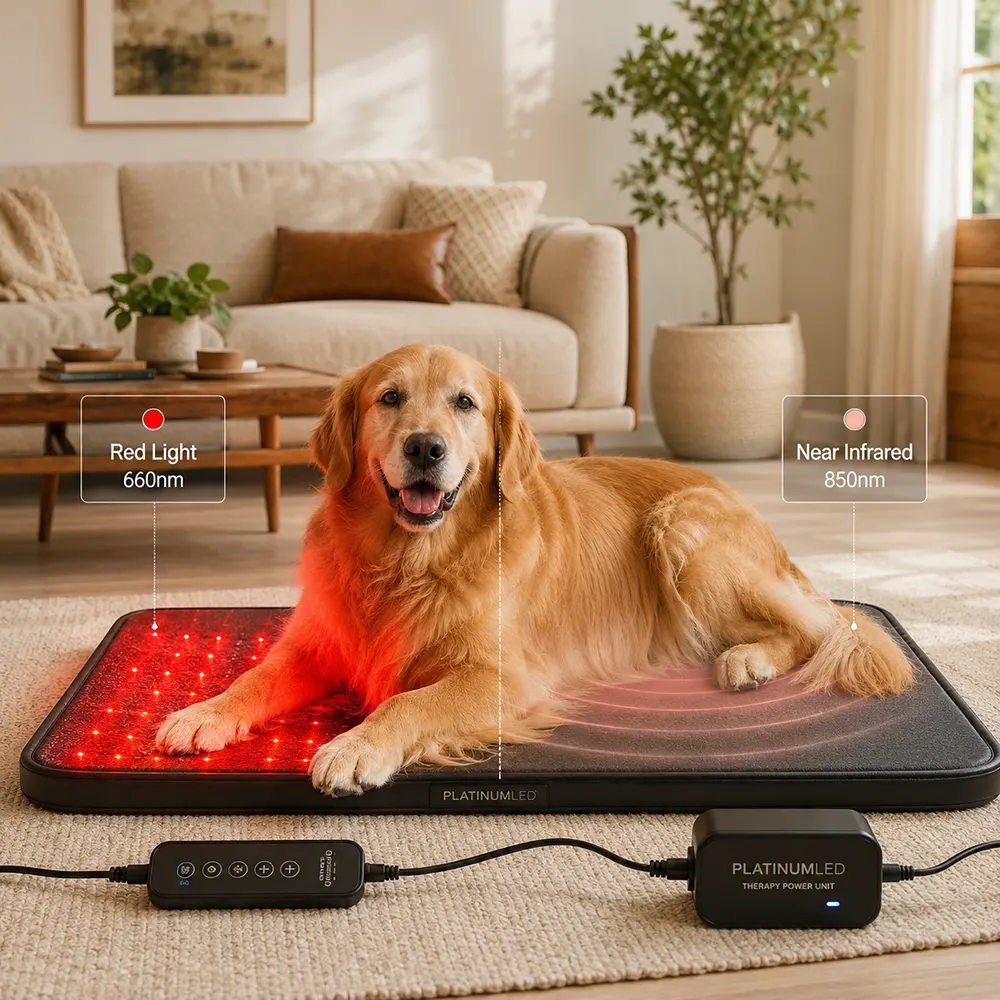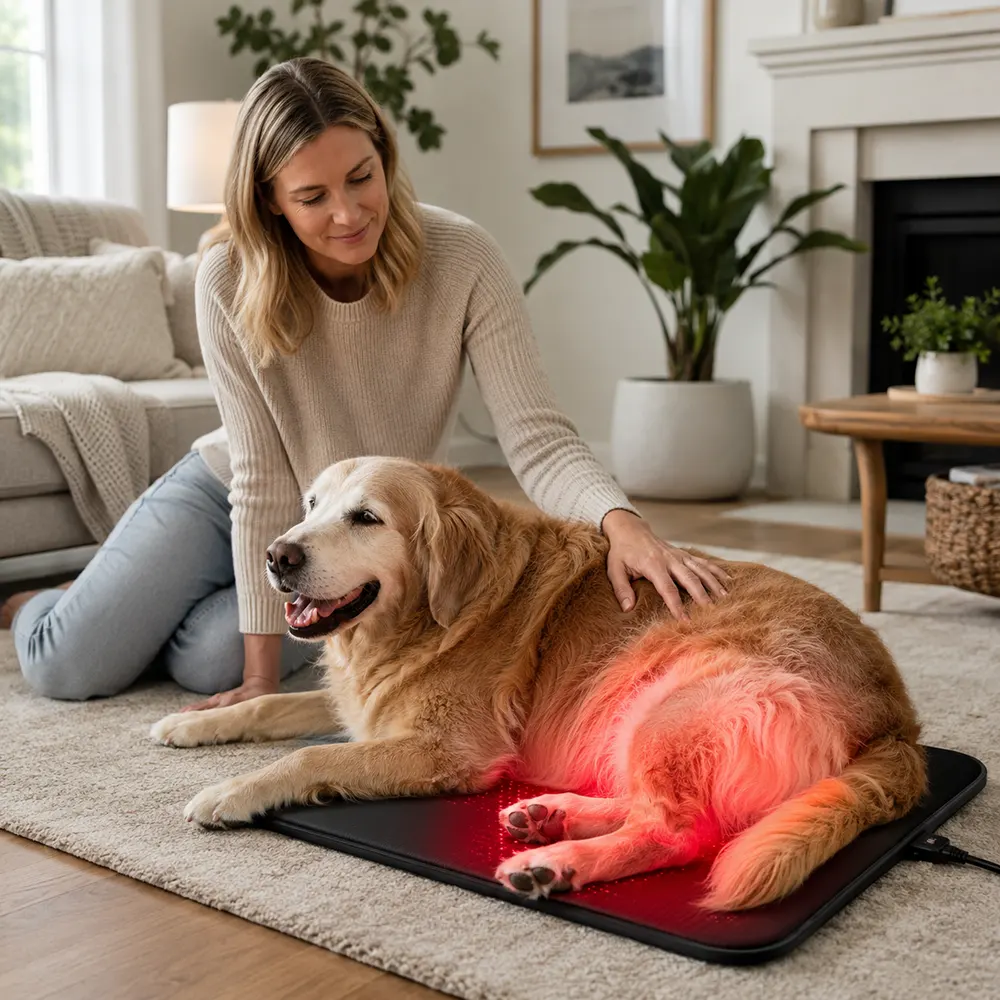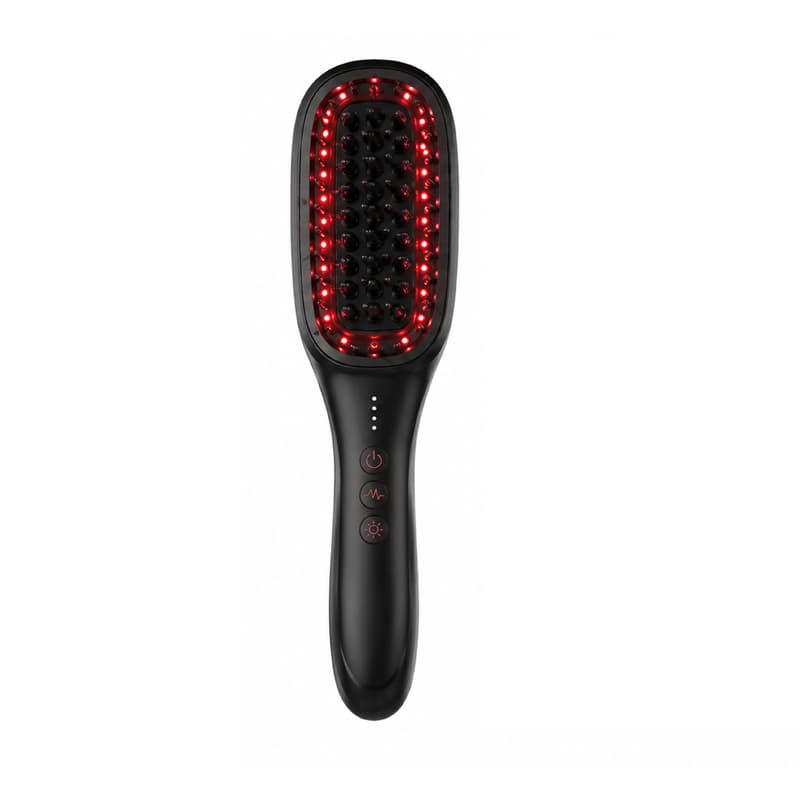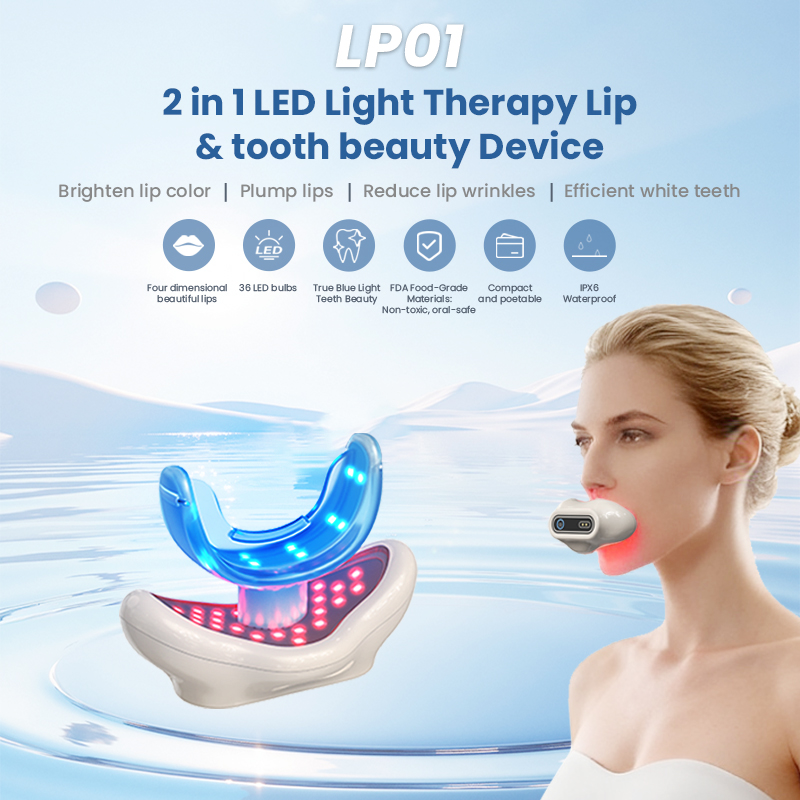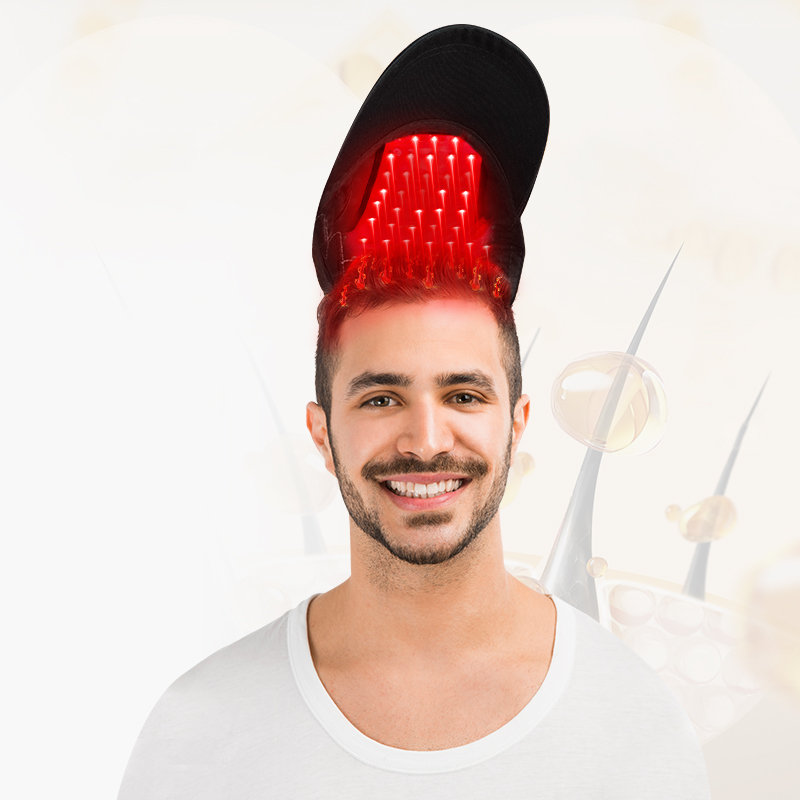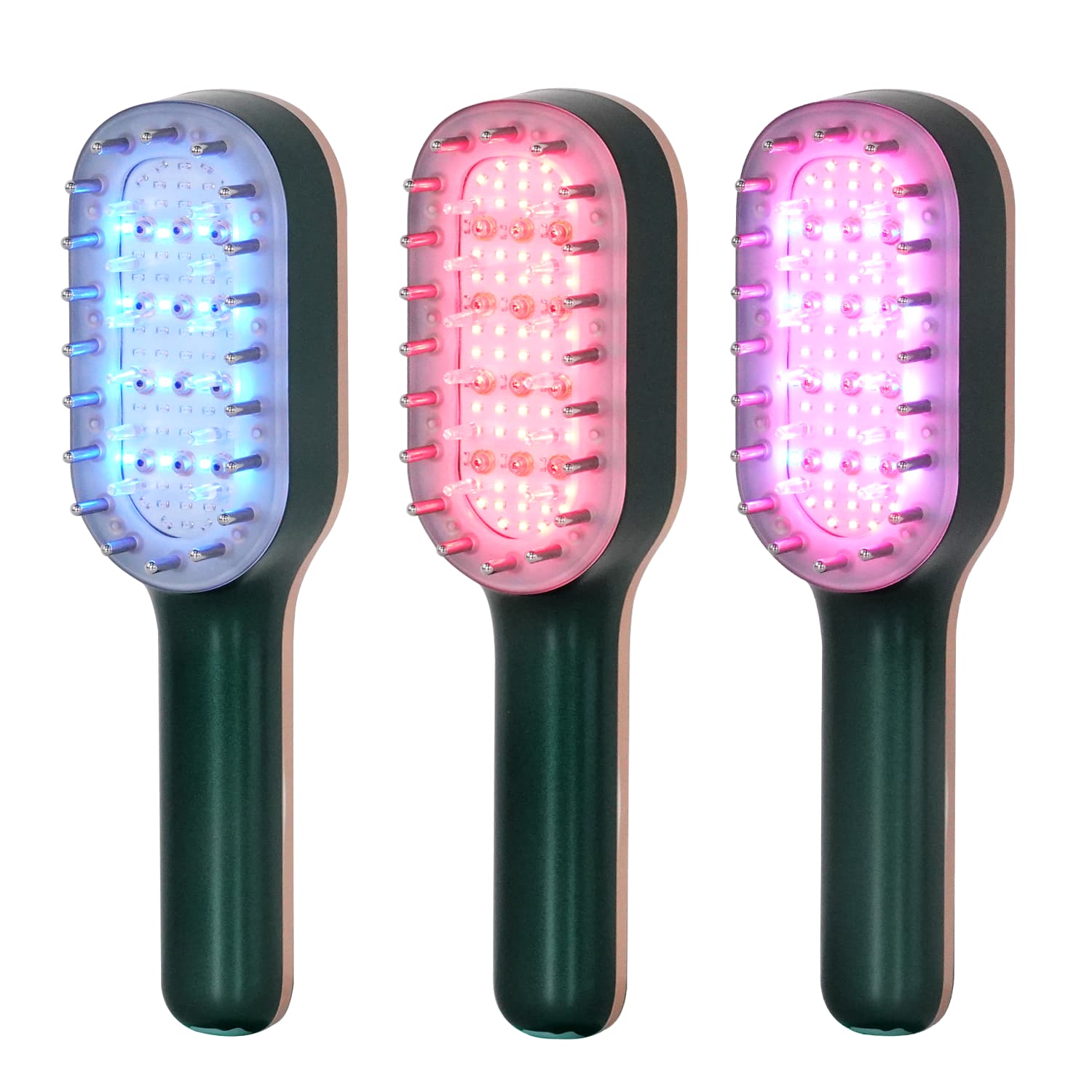
빨간불 치료 (광생체조절요법으로도 알려져 있음) 중년 및 노인 인구에게 다양한 잠재적 이점을 제공합니다.. 주로 낮은 수준의 적색 또는 근적외선을 사용하여 조직에 조사합니다., 세포 에너지 촉진 (ATP) 합성, 산화 스트레스와 염증 감소, 이를 통해 다음 분야를 지원합니다.:
나. 주요 이점
-
피부 건강 및 노화 방지
-
콜라겐 생성을 자극합니다.: 피부 탄력 개선, 주름과 잔주름을 줄여줍니다, 그리고 피부 처짐을 완화시켜주는.
-
광손상 복구: 검버섯과 색소 침착을 감소시킵니다., 상처 치유를 가속화합니다.
-
염증을 감소시킵니다: 노화 관련 피부염 개선에 도움이 될 수 있습니다., 습진, 그리고 비슷한 조건.
-
-
관절 및 근육 건강
-
만성 통증을 완화합니다.: 골관절염이나 류마티스 관절염으로 인한 관절 통증과 뻣뻣함을 완화하는 데 도움이 됩니다..
-
연조직 복구를 가속화합니다.: 근육 긴장과 건염을 완화합니다., 회복 시간 단축.
-
-
만성질환 관리 지원
-
혈액순환과 신진대사를 개선합니다.: 혈압과 혈당 조절에 도움을 줄 수 있음 (표준치료와 병행해야).
-
신경보호 효과: 근적외선은 두개골을 관통할 수 있습니다., 잠재적으로 뇌 혈류와 인지 기능을 향상시킵니다., 알츠하이머병 예방에 긍정적인 영향을 미칠 수 있음 (연구가 진행 중이다).
-
-
수면과 기분 조절
-
일주기리듬을 조절한다: 저녁에 붉은 빛에 노출되면 멜라토닌 분비와 수면의 질이 향상될 수 있습니다.
-
가벼운 우울증을 완화합니다.: 광선 요법은 전통적으로 계절성 정서 장애에 사용되었습니다.; 빨간불은 시너지 효과를 낼 수 있습니다.
-
-
눈 건강
-
황반변성을 늦춘다: 적색광의 특정 파장은 연령 관련 황반변성을 개선하는 데 도움이 될 수 있습니다. (의료 감독하에 사용해야합니다).
-
눈의 피로를 줄여줍니다: 저강도 적색광 노출은 노화와 관련된 시력 저하를 지연시킬 수 있습니다 (예비 연구는 이를 뒷받침한다).
-
II. 중요한 고려사항
-
과학적으로 사용해야 합니다
-
파장과 용량이 중요합니다: 일반적인 유효 파장은 630~670nm입니다. (빨간불) 및 800~880nm (근적외선). 호환되는 장치만 사용하세요.
-
과다 노출을 피하세요: 단일 세션은 일반적으로 10~20분을 초과해서는 안 됩니다.; 과도한 노출은 세포 활동을 억제할 수 있습니다..
-
-
금기 사항 및 예방 조치
-
광과민성 또는 전신홍반루푸스와 같은 자가면역 질환이 있는 개인에게는 주의하여 사용하십시오..
-
피부암이나 의심되는 병변에 직접적인 방사선 조사를 피하십시오.
-
감광성 약물을 복용하는 경우 의사와 상담하세요 (예를 들어, 특정 항생제).
-
-
의학적 치료를 대체하지 않음
-
레드라이트테라피는 보완적인 접근 방식 약물이나 전문적인 의학적 조언을 대체해서는 안 됩니다., 특히 심혈관 질환이나 당뇨병과 같은 만성 질환의 경우.
-
III. 사용 권장사항
-
홈 기기를 선택할 때, 의료기기 인증을 받은 제품이나 안전 기준을 충족하는 제품을 선택하세요..
-
짧은 세션으로 시작하세요 (예를 들어, 3–5분) 그리고 피부 반응을 관찰해 보세요.
-
만성적인 문제의 경우 (예를 들어, 관절염), 지속적으로 장기간 사용하는 것이 좋습니다 (예를 들어, 4~8주 동안 하루에 한 번).
-
항상 의사나 재활 전문가와 상담하세요. 귀하의 건강 상태에 맞는 계획을 개발하기 위해.
적색 광선 요법은 중년 및 노인의 건강 유지에 잠재적인 이점을 제공하는 비침습적 물리 치료법입니다.. 하지만, 그것을 보는 것이 중요합니다 “건강 지원 효과” 합리적으로. 안전하고 유익한 결과는 과학적이고 정보에 입각한 사용을 통해서만 달성될 수 있습니다..