What Red Light Therapy Is Doing To Your Skin
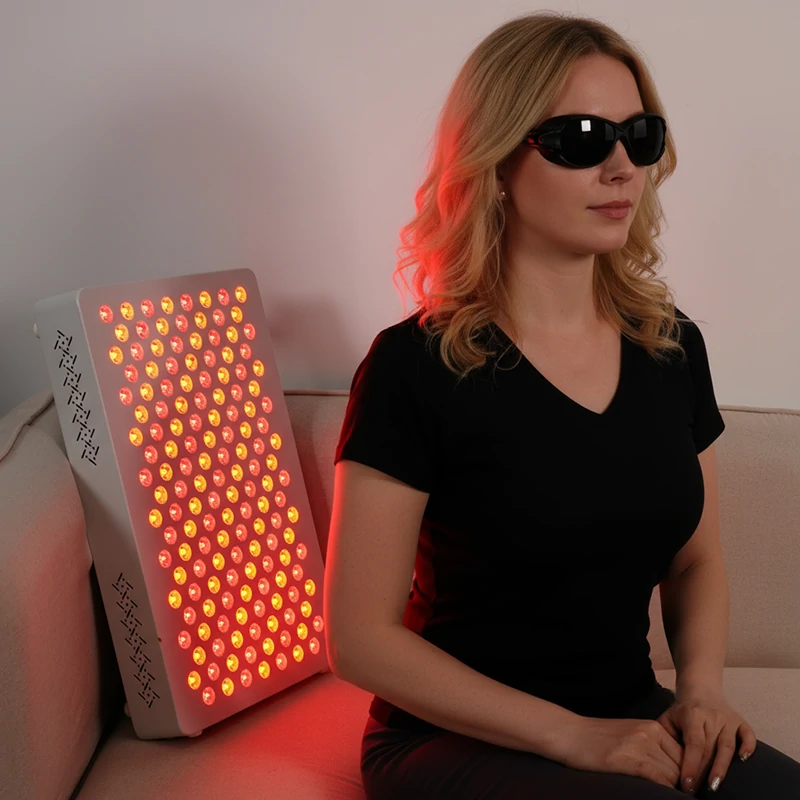
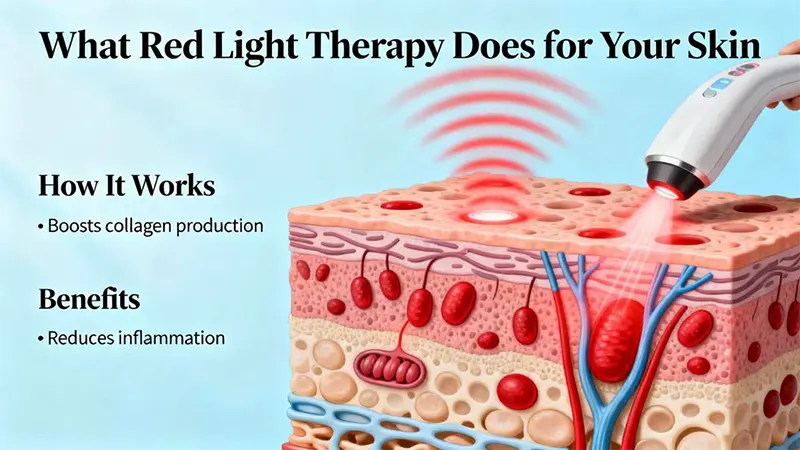
Medical centers such as Harvard Health, 스탠포드 의학, and Cleveland Clinic describe red light therapy as a form of photobiomodulation. In simple terms, specific red and near‑infrared wavelengths from LEDs or low‑level lasers are directed at your skin to influence how cells behave.
Research summarized by Harvard Health and Stanford Medicine shows several key effects.
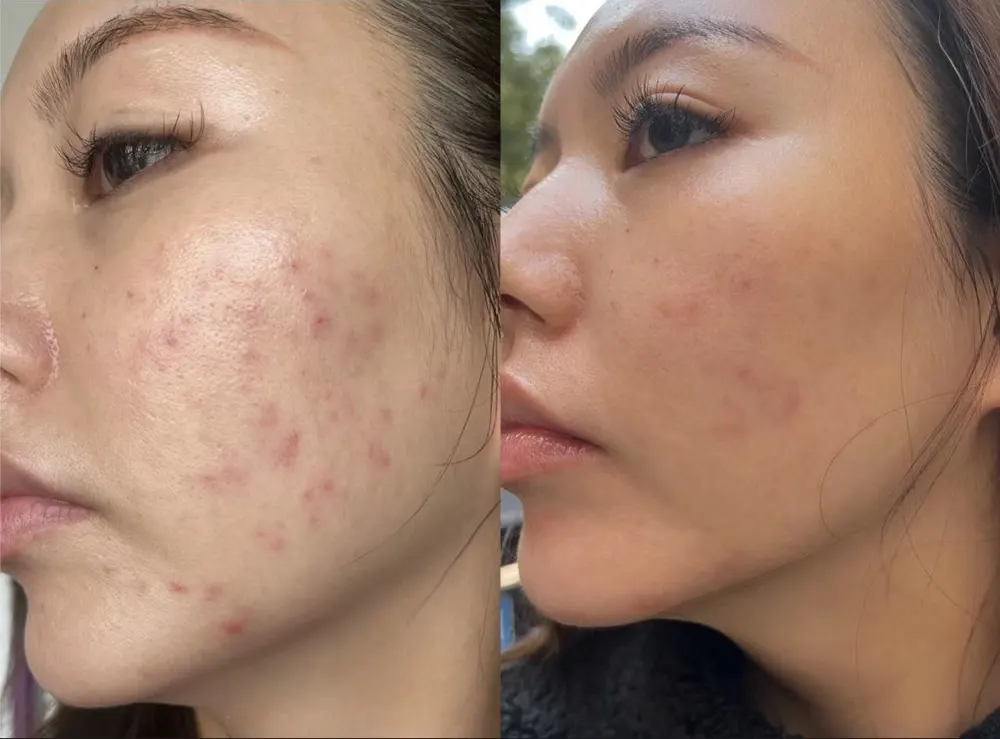
Red and near‑infrared light is absorbed by mitochondria, the “powerhouses” of your cells. That boosts cellular energy production and helps cells repair and regenerate more efficiently. At the same time, studies and clinical experience point to increased collagen and elastin production in the dermis, which helps skin feel firmer and look smoother. Multiple sources, including Cleveland Clinic and Stanford Medicine, note reduction in inflammation and redness, along with better blood flow and microcirculation. Dermatology organizations such as the American Academy of Dermatology report improvements in fine lines, 주름, dark spots, acne and acne‑related redness, and even wound healing in some contexts.
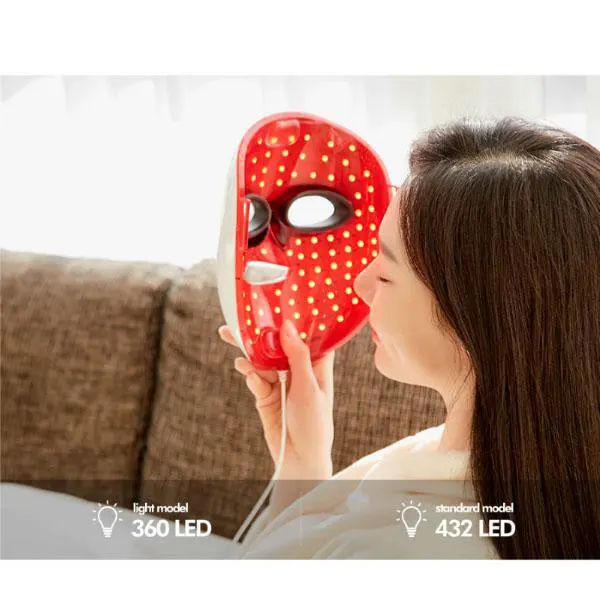
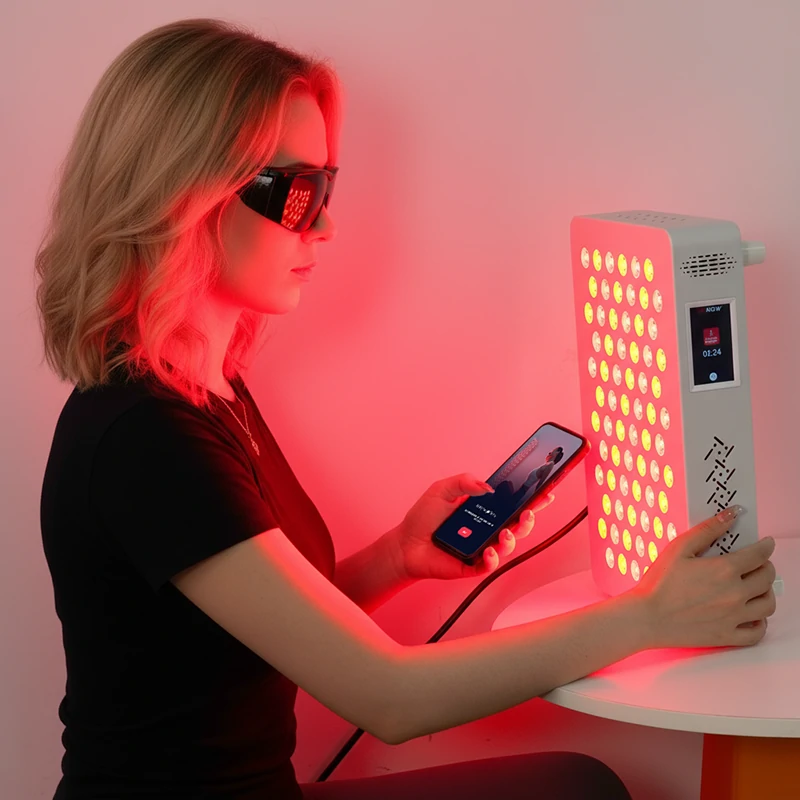
All of this is happening beneath the surface while you are sitting calmly under a panel, wearing a mask, or holding a handheld device. But the story does not end when you turn the device off. How you treat your skin immediately afterward helps determine how much of that cellular work translates into visible, long‑term results.
So, Should You Wash Your Face Immediately After Red Light Therapy?
The honest, evidence‑based answer is that most people do not need to wash their face immediately after red light therapy, and many will do better if they do not. 하지만, gentle cleansing can be appropriate when there is a clear reason to do so.
Across the aftercare guides, the priority right after a session is to treat skin as if it has just worked very hard for you, which it has. That means minimizing friction and harsh surfactants, focusing on hydration and barrier support, and keeping potentially irritating actives out of the picture temporarily. Suggests cleansing only if needed, and then moving into hydrating serums and moisturizer.
Why Post-Treatment Care Matters
After a red light therapy session, your skin is in a highly active state:
-
cells are producing more ATP (에너지)
-
blood circulation is increased
-
collagen synthesis is stimulated
This means your skin is more receptive to nutrients and hydration, making it the perfect time to apply supportive skincare products.
Ignoring post-treatment care can reduce the effectiveness of your session.
Step-by-Step: What to Do After Red Light Therapy
1️⃣ Keep Your Skin Clean and Calm
If you used your LED mask on clean skin (추천), there’s no need to wash your face immediately after.
하지만, you should:
-
avoid touching your face with unclean hands
-
avoid harsh cleansers right after treatment
-
keep skin calm and undisturbed for at least 15–20 minutes
This allows the light therapy effects to continue working without interruption.
2️⃣ Apply Hydrating Serums
Right after red light therapy is the best time to apply serums, because your skin is more receptive.
Look for:
-
hyaluronic acid
-
peptides
-
calming ingredients (like aloe or centella asiatica)
These ingredients support:
-
moisture retention
-
skin barrier repair
-
enhanced glow
Avoid products with strong acids immediately after treatment.
3️⃣ Use a Moisturizer to Lock in Benefits
After applying serum, follow with a moisturizer to seal hydration.
This helps:
-
prevent water loss
-
strengthen the skin barrier
-
maintain smooth skin texture
Consistent hydration is key to improving before-and-after results over time.
4️⃣ Apply Sunscreen (If Daytime)
If your session is done during the day, sunscreen is essential.
Even though red light therapy does not damage the skin like UV exposure, your skin is in a regenerative state and should be protected.
사용:
-
broad-spectrum SPF 30 or higher
This protects collagen and prevents environmental damage.
5️⃣ Avoid Harsh Treatments Immediately After
After LED therapy, avoid:
-
chemical peels
-
retinol (for a few hours if skin is sensitive)
-
exfoliating acids (AHA/BHA)
-
microneedling or aggressive treatments
Give your skin time to absorb the benefits of light therapy before introducing stronger actives.
Citations:
[1] Wunsch, A., & Matuschka, K. (2014). A Controlled Trial to Determine the Efficacy of Red and Near-Infrared Light Treatment in Patient Satisfaction, Reduction of Fine Lines, Wrinkles, Skin Roughness, and Intradermal Collagen Density Increase. Photomedicine and Laser Surgery, 32(2), 93–100.
[2] Kwon, H. H., et al. (2013). The clinical and histological effect of home-use, combination blue-red LED phototherapy for mild-to-moderate acne vulgaris in Korean patients: a double-blind, randomized controlled trial. British Journal of Dermatology, 168(5), 1088–1094.
[3] Avci, P., et al. (2013). Low-level laser (light) therapy (LLLT) in skin: stimulating, healing, restoring. Seminars in Cutaneous Medicine and Surgery, 32(1), 41–52.
[4] Lee, S. Y., et al. (2013). Clinical evaluation of a self-applied home-use low-level light therapy device for wrinkle reduction. Dermatologic Surgery, 39(11), 1657–1664.
[5] Sadick, N. S., et al. (2015). A Study to Determine the Efficacy of a Novel Handheld Light-Emitting Diode Device in the Treatment of Photoaged Skin. Lasers in Surgery and Medicine, 47(6), 496–502.
[6] Gold, M. H., et al. (2018). Clinical efficacy of home-use blue-light therapy for mild-to moderate acne. Journal of Clinical and Aesthetic Dermatology, 11(5), 23–28.
[7] Ablon, G. (2019). Combination 830-nm and 633-nm light-emitting diode phototherapy shows promise in the treatment of recalcitrant psoriasis: preliminary findings. Journal of Drugs in Dermatology, 18(2), 172–176.
[8] Barolet, D., et al. (2020). Regulation of skin collagen metabolism in vitro using a pulsed 660 nm LED light source. Journal of Cosmetic Dermatology, 19(6), 1351–1359.