Ancient Beginnings: Humanity’s First Love Affair with Light
Long before laboratories and clinical trials, ancient civilizations understood the healing power of light. The Egyptians built temples oriented toward the sun, using colored gemstones and sunlight to treat ailments. Greek physician Hippocrates prescribed sun exposure for various conditions around 400 BCE. Even traditional Chinese medicine incorporated light exposure into healing practices thousands of years ago.
But these ancient healers couldn’t explain why sunlight worked. They only knew that it did.
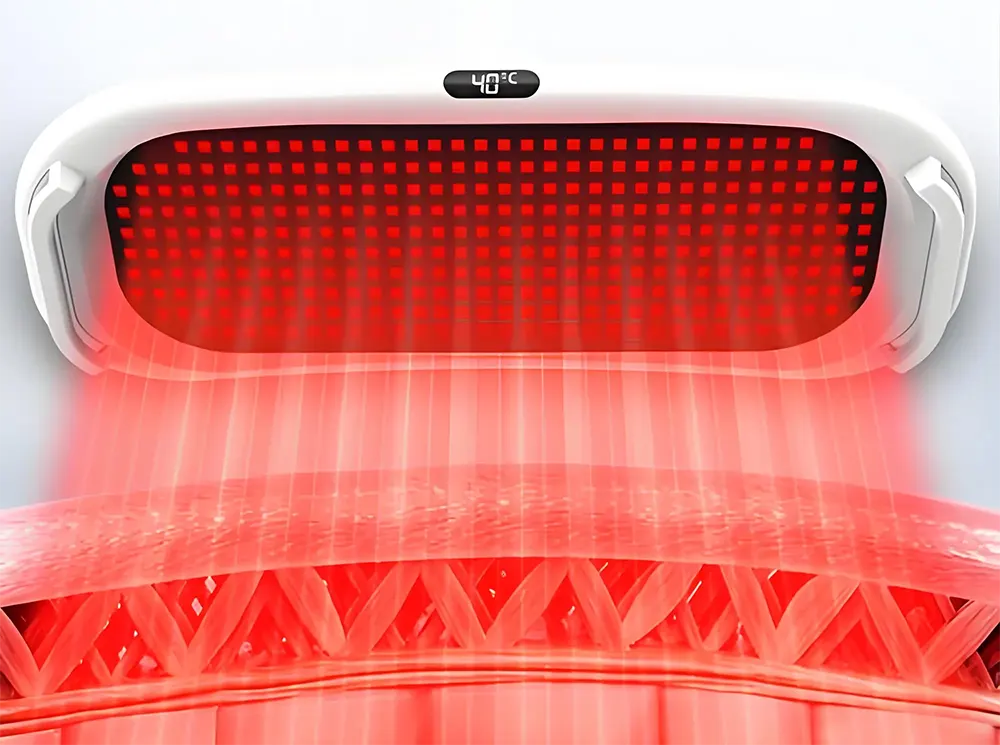
The Scientific Breakthrough: NASA’s Unexpected Discovery
The modern story of red light therapy begins in space. In the 1990s, NASA scientists were searching for ways to grow plants in space stations. During experiments with specific light wavelengths, they noticed something extraordinary: the red and near-infrared light wasn’t just helping plants—it was accelerating wound healing in researchers who worked with them.
This serendipitous discovery sparked rigorous clinical research. Scientists found that specific wavelengths of red light (630-660nm) 그리고 근적외선 (810-850nm) could penetrate human tissue and stimulate cellular energy production.
The Cellular Miracle: How It Actually Works
At the heart of red light therapy lies a beautiful biological mechanism. When red and near-infrared light photons reach your cells, they’re absorbed by mitochondria—the powerhouses within every cell. This absorption stimulates the production of ATP (아데노신 삼인산), the fundamental energy currency of life.
More cellular energy means:
- Faster tissue repair and regeneration
- 염증 감소
- Improved circulation
- Enhanced collagen production
- Accelerated muscle recovery
From Space Stations to Skincare Clinics
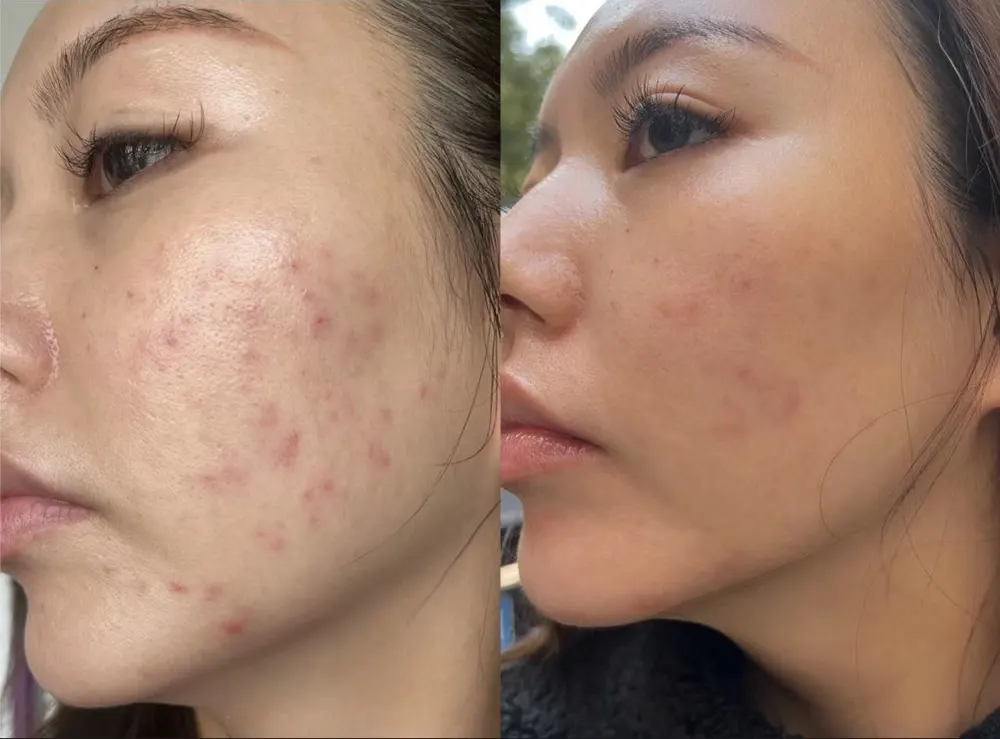
Following NASA’s research, red light therapy moved from aerospace medicine to dermatology. Clinical studies demonstrated remarkable results for:
- Wound healing
- Scar reduction
- Anti-aging treatments
- Acne management
- Pain relief
The technology gradually became available in medical clinics, then wellness centers, and finally—thanks to advances in LED technology—home devices.
PureLuxTech: Bringing Professional-Grade Light Therapy Home
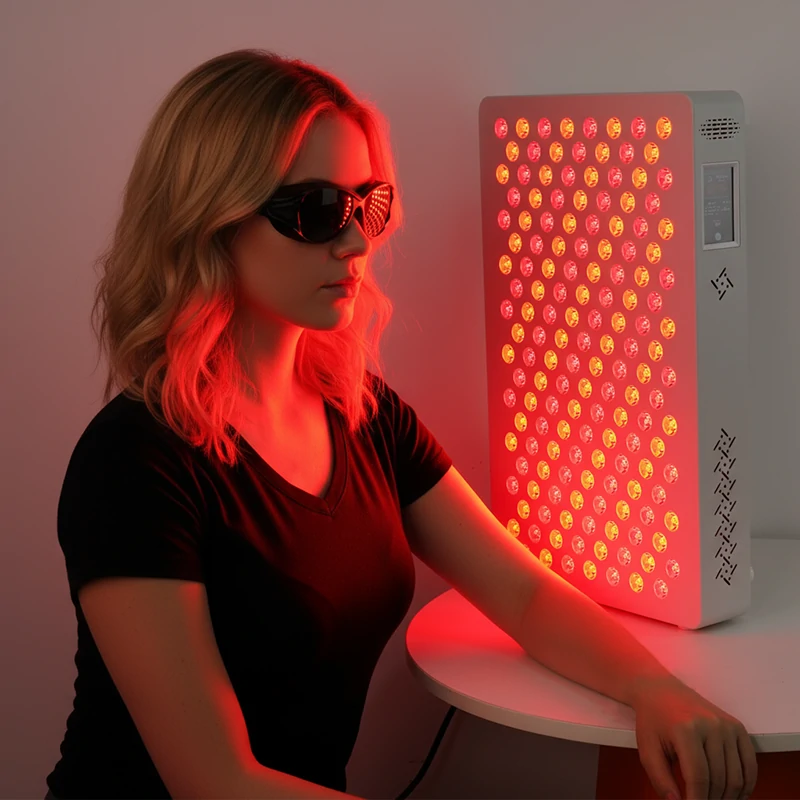
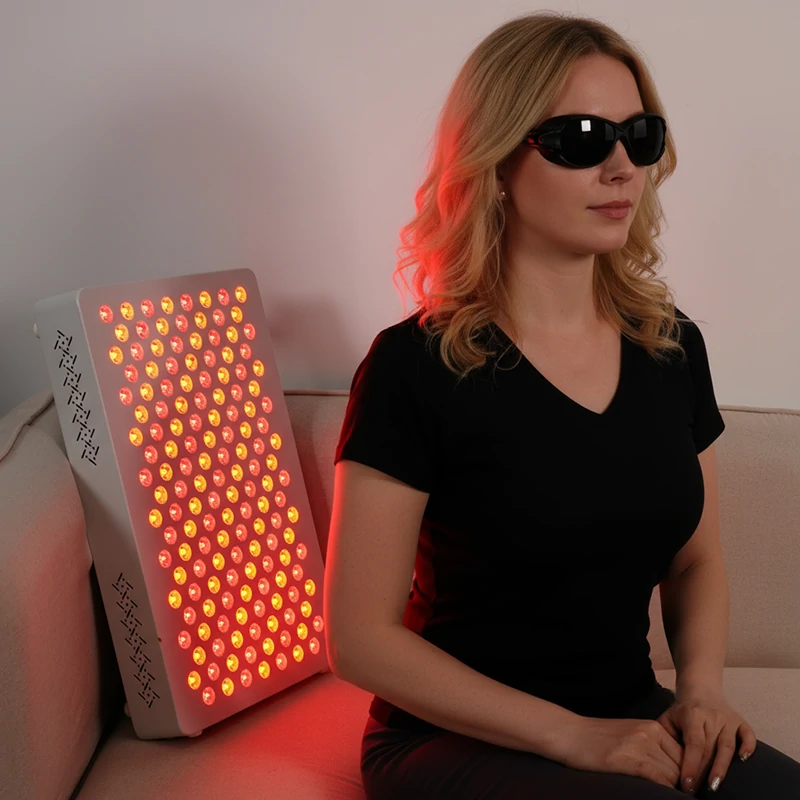
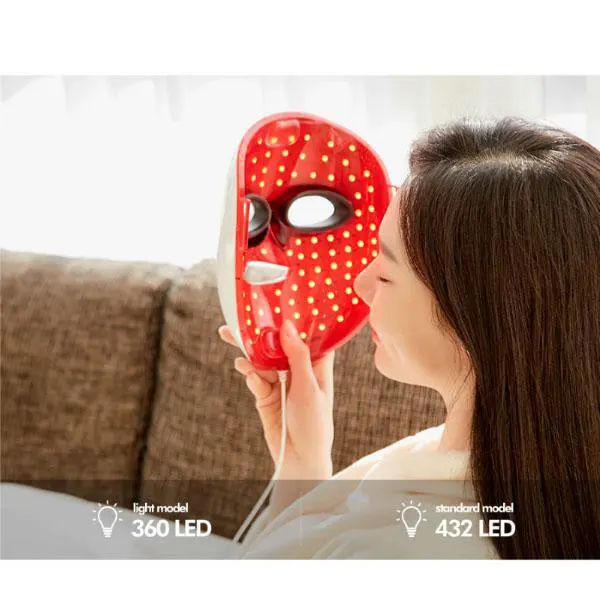
At PureLuxTech, we believe everyone deserves access to this transformative technology. Our mission is to deliver medical-grade red light therapy devices that combine:
✓ Precision Wavelengths – Clinically-proven 660nm red and 850nm near-infrared light
✓ Safety First – FDA-cleared technology with zero UV exposure
✓ Professional Power – Hospital-quality irradiance in a home-friendly design
✓ Science-Backed Results – Built on decades of peer-reviewed research
The Future is Bright
Today, red light therapy stands at the intersection of ancient wisdom and cutting-edge science. What once required expensive clinic visits can now be experienced in the comfort of your home.
From NASA’s space stations to your skincare routine, the journey of red light therapy proves that sometimes the most powerful healing tools have been around all along—we just needed science to catch up.
Experience the legacy of light healing.
PureLuxTech – Where Science Meets Wellness.
References
- Austin E, Geisler AN, et al. “Visible light. Part I: Properties and cutaneous effects of visible light.” J Am Acad Dermatol. 2021 May;84(5):1219-31.
- Avci P, Gupta A, et al. “Low-level laser (light) therapy (LLLT) in skin: Stimulating, healing, restoring.” Semin Cutan Med Surg. 2013 Mar;32(1):41-52.
- Couturaud V, Le Fur M, et al. “Reverse skin aging signs by red light photobiomodulation.” Skin Res Technol. 2023 Jul;29(7):e13391.
- Hernández-Bule ML, Naharro-Rodríguez J, et al. “Unlocking the power of light on the skin: A comprehensive review on photobiomodulation.” Int J MolSci. 2024 Apr 19;25(8):4483.
- Jagdeo J, Nguyen JK, et al. “Safety of light emitting diode-red light on human skin: Two randomized controlled trials.” J Biophotonics. 2020 Mar;13(3):e201960014.
- Maghfour J, Ozog DM, et al. “Photobiomodulation CME Part I: Overview and mechanism of action.” J Am Acad Dermatol. 2024 Feb 1:S0190-9622(24)00186-5. doi: 10.1016/j.jaad.2023.10.073. Epub ahead of print. PMID: 38309304.
- Mineroff J, Maghfour J, et al. “Photobiomodulation CME part II: Clinical applications in dermatology.” J Am Acad Dermatol. 2024 Feb 1:S0190-9622(24)00187-7.
- Narla S, Kohli I, et al. “Visible light in photodermatology.” Photochem Photobiol Sci. 2020 Jan 22;19(1):99-104.
- Petronelli M. “Red light treatment proves safe, effective for androgenetic alopecia.” Dermatol Times. 2020 Apr 6.
- Pillai JK, Mysore V. “Role of low-level light therapy (LLLT) in androgenetic alopecia.” J Cutan Aesthet Surg. 2021 Oct-Dec;14(4):385-91.
- Pixley JN, Chandy RJ, et al. “Could red and near-infrared emitting fabric technology improve the severity of psoriasis, polymorphous light eruption, and alopecia areata? J Dermatolog Treat. 2023 Dec;34(1):2251619.
- Sinclair R, Murrell D, et al. “Clinical safety and efficacy of an at-home, dual wavelength red light hair growth system in subjects with androgenetic alopecia.” Published Jan 21, 2020, Last accessed July 17, 2024.
- Wang JY, Austin E, et al. “Visible red light does not induce DNA damage in human dermal fibroblasts.” J Biophotonics. 2022 Nov;15(11):e202200023.