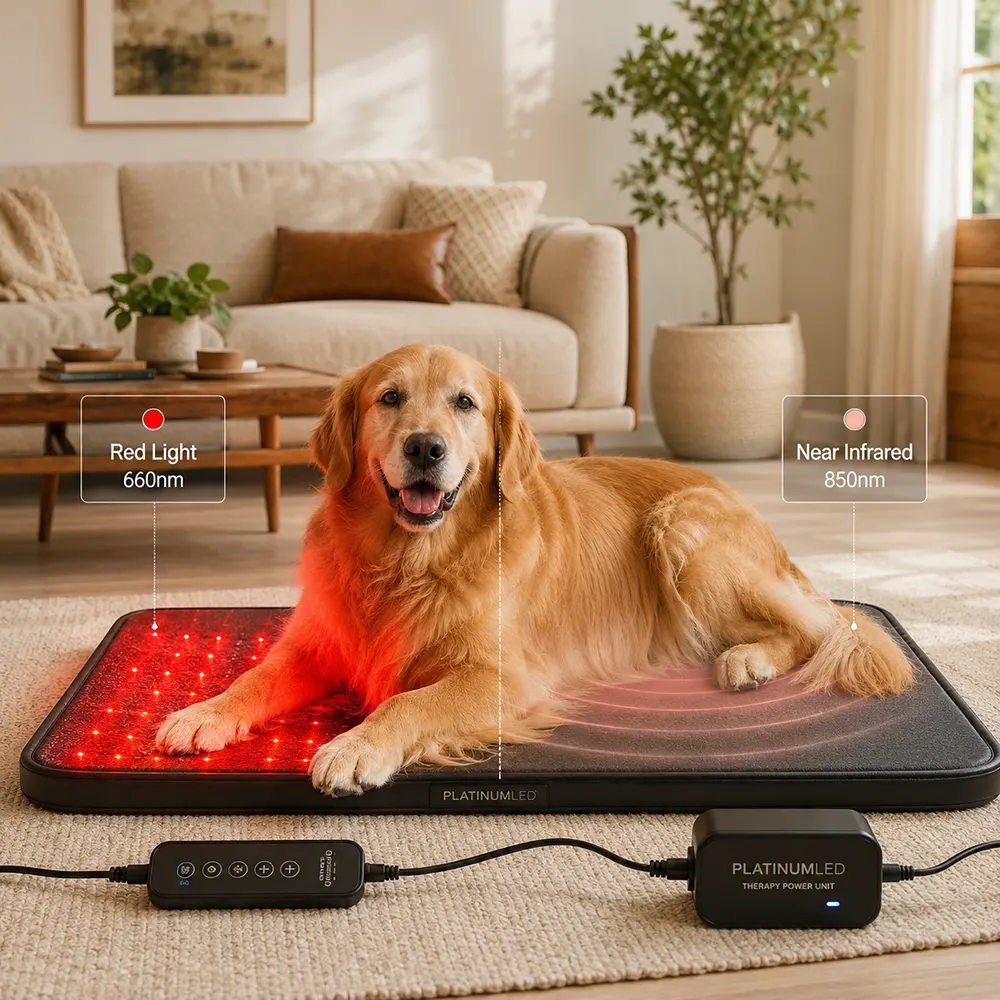
ປະສິດທິພາບຂອງການປິ່ນປົວດ້ວຍແສງສີແດງ hinges ສຸດຫຼາຍກ່ວາພຽງແຕ່ເປີດກະດານ. ສໍາລັບອຸປະກອນທີ່ປະສົມປະສານ **660nm **(ສີແດງທີ່ເຫັນໄດ້) ແລະ ** 850nm **(ໃກ້ອິນຟາເຣດ) ຄວາມຍາວຄື້ນ, ການປະຕິບັດແມ່ນຖືກກໍານົດໂດຍການໂຕ້ຕອບສະລັບສັບຊ້ອນຂອງວິສະວະກໍາ, ຄຸນນະພາບອົງປະກອບ, ແລະໂປໂຕຄອນການນໍາໃຊ້. ການເຂົ້າໃຈປັດໃຈອິດທິພົນເຫຼົ່ານີ້ແມ່ນຈໍາເປັນສໍາລັບຜູ້ຜະລິດອອກແບບຜະລິດຕະພັນ OEM, ຜູ້ຈັດຈໍາຫນ່າຍປະເມີນຜູ້ສະຫນອງ, ແລະຜູ້ໃຊ້ສຸດທ້າຍກໍາລັງຊອກຫາຜົນໄດ້ຮັບການປິ່ນປົວທີ່ດີທີ່ສຸດ.
ຄູ່ມືນີ້ແຍກຕົວແປທີ່ສໍາຄັນທີ່ສົ່ງຜົນກະທົບຕໍ່ການປະຕິບັດຕົວຈິງຂອງໂລກຂອງແຜ່ນການປິ່ນປົວດ້ວຍສອງຄື້ນ., ດ້ວຍຄວາມເຂົ້າໃຈພາກປະຕິບັດທີ່ໄດ້ມາຈາກມາດຕະຖານອຸດສາຫະກໍາແລະການປະຕິບັດການຜະລິດແບບພິເສດເຊັ່ນວ່າຈ້າງໂດຍ Pureluxtech.
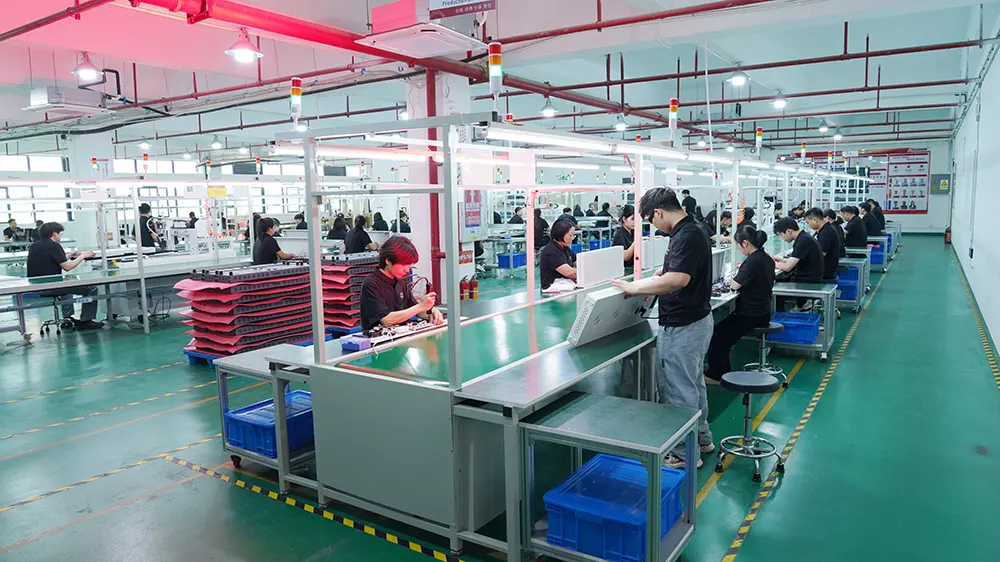
ຄຸນະພາບຂອງຊິບ LED ແລະຄວາມແມ່ນຍໍາຂອງ Binning
ພື້ນຖານຂອງແຜງການປິ່ນປົວດ້ວຍແສງໃດໆແມ່ນຊິບ LED ຂອງມັນ. ບໍ່ແມ່ນ LEDs ທັງຫມົດຖືກສ້າງຂື້ນເທົ່າທຽມກັນ, ແລະຄວາມແຕກຕ່າງຂອງຄຸນນະພາບມີຜົນກະທົບໂດຍກົງຕໍ່ຄວາມສອດຄ່ອງຂອງຜົນຜະລິດແລະອາຍຸຍືນ.
🔹 ຍີ່ຫໍ້ Chip ແລະມາດຕະຖານການຜະລິດ
ແຜງທີ່ມີປະສິດທິພາບສູງໃຊ້ຊິບຈາກຜູ້ຜະລິດ semiconductor ທີ່ມີຊື່ສຽງ (ຕົວຢ່າງ:, Epistar, ຊານອານ, Bridgelux) ທີ່ປະຕິບັດຕາມຄວາມທົນທານຕໍ່ການຜະລິດທີ່ເຄັ່ງຄັດ. ທາງເລືອກທີ່ມີລາຄາຖືກກວ່າອາດຈະໃຊ້ຊິບທີ່ລີໄຊເຄີນຫຼືບໍ່ມີຍີ່ຫໍ້ທີ່ມີຜົນຜະລິດ photon ທີ່ບໍ່ສອດຄ່ອງກັນ.
🔹 ຜ້າພັນຄໍ ແລະ ເອກະພາບ
“Binning” ຫມາຍເຖິງການຈັດຮຽງ LEDs ໂດຍຄວາມຍາວຄື່ນ, ແຮງດັນ, ແລະຄວາມເຂັ້ມຂອງ luminous. binning ບໍ່ດີສົ່ງຜົນໃຫ້:
- ຄວາມຍາວຄື້ນ: ບາງ LEDs ປ່ອຍອອກມາຢູ່ທີ່ 655nm ໃນຂະນະທີ່ບາງ LEDs ຮອດ 665nm, diluting ສະເພາະການປິ່ນປົວ.
- ຮັອດສະປອດ ແລະເຂດມືດ: ການແຜ່ກະຈາຍແສງສະຫວ່າງບໍ່ສະຫມໍ່າສະເຫມີຫຼຸດຜ່ອນປະສິດທິພາບການປິ່ນປົວ.
- ຄວາມລົ້ມເຫຼວກ່ອນໄວອັນຄວນ: ລັກສະນະໄຟຟ້າທີ່ບໍ່ກົງກັນແມ່ນເນັ້ນໃສ່ວົງຈອນຄົນຂັບ.
✅ Pureluxtech ມາດຕະຖານ: ປະຕິບັດຄວາມທົນທານຂອງ binning ແຫນ້ນ (± 5nm ສໍາລັບຄວາມຍາວຄື່ນ, ± 0.1V ສໍາລັບແຮງດັນສົ່ງຕໍ່) ໃນທົ່ວທຸກແຜງ E Series ແລະ Esplus Series, ຮັບປະກັນຜົນຜະລິດທີ່ເປັນເອກະພາບແລະອາຍຸການຍືດຍາວ.
ຄວາມຖືກຕ້ອງຂອງຄື້ນຟອງແລະຄວາມຫມັ້ນຄົງ Spectral
🔹 ຄວາມທົນທານຂອງຄື້ນສູງສຸດ
🔹 ການປ່ຽນຄວາມຍາວຂອງຄື້ນຄວາມຮ້ອນ
🔹ວິທີການກວດສອບ
- ການວັດແທກຄວາມຍາວຄື້ນສູງສຸດ
- ຄວາມກວ້າງເຕັມເຄິ່ງສູງສຸດ (FWHM) ແບນວິດ
- ຄວາມຫມັ້ນຄົງຂອງຜົນຜະລິດໃນໄລຍະການດໍາເນີນງານຂະຫຍາຍ
💡 ສໍາລັບ Tip: ຖາມຜູ້ສະຫນອງຂອງທ່ານສໍາລັບຂໍ້ມູນ spectrometer batch-specific - ບໍ່ພຽງແຕ່ແຜ່ນ spec ທົ່ວໄປ - ເພື່ອກວດສອບການປະຕິບັດຕົວຈິງໃນໂລກ..
Irradiance ແລະຄວາມຫນາແຫນ້ນຂອງພະລັງງານຢູ່ໃນໄລຍະການປິ່ນປົວ
🔹 ເຂົ້າໃຈເມຕຣິກ
- **ພະລັງງານປ້ອນຂໍ້ມູນ **(ວັດ): ການບໍລິໂພກໄຟຟ້າທັງໝົດ—ບໍ່ເທົ່າກັບຜົນຜະລິດທາງການປິ່ນປົວ.
- **ການສ່ອງແສງ **(mW/cm²): ພະລັງງານແສງສະຫວ່າງຕໍ່ພື້ນທີ່ຫນ່ວຍຢູ່ໃນໄລຍະສະເພາະໃດຫນຶ່ງ - ຕົວຊີ້ວັດປະສິດທິພາບທີ່ແທ້ຈິງ.
🔹 ຂຶ້ນກັບໄລຍະຫ່າງ
🔹 ການອອກແບບມຸມ Beam ແລະ Lens
- 30° ເລນ: beam ຈຸດສຸມສໍາລັບການເຈາະເລິກ (ເຫມາະສໍາລັບການບັນເທົາອາການເຈັບປວດ).
- 60° ເລນ: ການຄຸ້ມຄອງກວ້າງສໍາລັບການປິ່ນປົວດ້ານ (ເຫມາະສໍາລັບສຸຂະພາບຜິວຫນັງ).
- ການອອກແບບປະສົມ: ບາງຕົວແບບ Pureluxtech Esplus ໃຊ້ optics ມຸມປ່ຽນແປງໄດ້ເພື່ອດຸ່ນດ່ຽງຄວາມເລິກແລະການຄຸ້ມຄອງ.
⚠️ ທຸງແດງ: ຜູ້ສະຫນອງຜູ້ທີ່ພຽງແຕ່ລາຍງານ irradiance ຢູ່ 0 ນິ້ວ (ພື້ນຜິວກະດານ) ກໍາລັງຂະຫຍາຍການຮຽກຮ້ອງການປະຕິບັດ.
ການຄຸ້ມຄອງຄວາມຮ້ອນແລະການກະຈາຍຄວາມຮ້ອນ
- ຄ່າລົດ Lumen: ຫຼຸດລົງຜົນຜະລິດແສງສະຫວ່າງໃນໄລຍະເວລາ.
- ຄວາມຍາວຄື້ນ: ການປ່ຽນແປງຄວາມຮ້ອນຊ່ວຍຫຼຸດຜ່ອນຄວາມແມ່ນຍໍາໃນການປິ່ນປົວ.
- ອົງປະກອບລົ້ມເຫລວ: ຄວາມຮ້ອນເກີນເຮັດໃຫ້ຜູ້ຂັບຂີ່ ແລະໄຟ LED ເສຍຫາຍ.
🔹ການລະບາຍຄວາມຮ້ອນຢ່າງມີປະສິດທິພາບ
- ເຮືອນອາລູມີນຽມລະດັບເຮືອບິນ ດ້ວຍເລຂາຄະນິດທີ່ປັບໃຫ້ເໝາະສົມ.
- ການອອກແບບຄວາມເຢັນແບບ Passive (ບໍ່ແມ່ນແຟນ) ສໍາລັບການງຽບ, ການດໍາເນີນງານທີ່ເຊື່ອຖືໄດ້.
- ວັດສະດຸການໂຕ້ຕອບຄວາມຮ້ອນ ທີ່ປະສິດທິພາບການໂອນຄວາມຮ້ອນຈາກ LEDs ກັບ heatsink.
🔹 ຄວາມປອດໄພດ້ານອຸນຫະພູມ
ຄຸນນະພາບຄົນຂັບແລະຄວາມຫມັ້ນຄົງການສະຫນອງພະລັງງານ
- ຄວາມສອດຄ່ອງຂອງຜົນຜະລິດ: ບໍ່ມີກະພິບ, ກະແສໄຟຟ້າທີ່ຫມັ້ນຄົງຮັບປະກັນການປ່ອຍແສງສະຫວ່າງທີ່ເປັນເອກະພາບ.
- ປະສິດທິພາບ: ໄດເວີທີ່ມີປະສິດທິພາບສູງ (>90%) ຫຼຸດຜ່ອນການເສຍຄວາມຮ້ອນ ແລະຄ່າໃຊ້ຈ່າຍພະລັງງານ.
- ອາຍຸຍືນ: capacitors ຄຸນະພາບແລະວົງຈອນປ້ອງກັນການຍືດອາຍຸຂອງແຜງ.
🔹 ຄຸນນະສົມບັດ Driver ທີ່ສໍາຄັນທີ່ຈະລະບຸ
- ກົດລະບຽບໃນປະຈຸບັນຄົງທີ່: ຮັກສາຄວາມສະຫວ່າງ LED ເຖິງວ່າຈະມີການເຫນັງຕີງຂອງແຮງດັນ.
- ຄວາມສາມາດຂອງ Pulse mode: ເປີດໃຊ້ຄວາມຖີ່ການປິ່ນປົວ (ຕົວຢ່າງ:, 10Hz, 40Hz) ໂດຍບໍ່ມີການບິດເບືອນຮູບຄື່ນ.
- ການທໍາງານຂອງ dimming: ປັບ 0-100% ກ້ຽງໂດຍບໍ່ມີການປ່ຽນສີ.
- ວົງຈອນປ້ອງກັນ: ແຮງດັນເກີນ, ເກີນປະຈຸບັນ, ວົງຈອນສັ້ນ, ແລະການປິດຄວາມຮ້ອນ.
✅ Pureluxtech Advantage: ໃຊ້ໄດເວີທີ່ອອກແບບເອງດ້ວຍອົງປະກອບລະດັບທາງການແພດ, ສະຫນັບສະຫນູນທັງສອງຮູບແບບຢ່າງຕໍ່ເນື່ອງແລະກໍາມະຈອນທີ່ມີ <1% ປັດໄຈ ripple.
Panel Uniformity and coverage area
🔹 ຮູບແບບການຈັດ LED
- ແຜນຜັງຕາຂ່າຍ: ເຖິງແມ່ນວ່າໄລຍະຫ່າງຈະຫຼຸດຈຸດຮັອດສະປອດ ແລະເງົາລົງ.
- array staggered: ປັບປຸງການຊ້ອນກັນສໍາລັບການ irradiance ເປັນເອກະພາບຫຼາຍ.
- ການເພີ່ມປະສິດທິພາບຂອບ: ໄຟ LED ເພີ່ມເຕີມຢູ່ຊາຍແດນກະດານປ້ອງກັນ “ຕົກ” ຢູ່ແຄມການປິ່ນປົວ.
🔹 ການຄຸ້ມຄອງທຽບກັບ. ຄວາມເຂັ້ມງວດຂອງການຄ້າ
- ການຂະຫຍາຍຈຳນວນ LED ດ້ວຍຂະໜາດແຜງ (ຕົວຢ່າງ:, ES300: 60 LEDs → ES4500: 900 ໄຟ LED).
- ການຮັກສາລະດັບການ irradiance ທີ່ສອດຄ່ອງໃນທົ່ວສາຍຜະລິດຕະພັນ.
🔹 ວິທີການວັດແທກ
ພິທີການການປິ່ນປົວ ແລະປັດໃຈການນໍາໃຊ້
🔹 ໄລຍະການປິ່ນປົວ
- ຊ່ວງທີ່ດີທີ່ສຸດ: 4– 8 ນິ້ວ (10– 20 ຊຕມ) ສໍາລັບຄໍາຮ້ອງສະຫມັກສ່ວນໃຫຍ່.
- ໃກ້ເກີນໄປ: ຫຼຸດຜ່ອນພື້ນທີ່ຄອບຄຸມ; ອາດຈະເຮັດໃຫ້ເກີດຄວາມບໍ່ສະບາຍ.
- ໄກເກີນໄປ: ຫຼຸດຜ່ອນການ irradiance ຢ່າງຫຼວງຫຼາຍເນື່ອງຈາກກົດ inverse-square.
🔹ໄລຍະເວລາ ແລະ ຄວາມຖີ່ຂອງເຊດຊັນ
- ຫຼັກການການກິນ: ຜົນກະທົບດ້ານການປິ່ນປົວປະຕິບັດຕາມເສັ້ນໂຄ້ງ biphasic - ຫຼາຍກວ່ານັ້ນບໍ່ແມ່ນດີກວ່າ.
- ໂປໂຕຄອນປົກກະຕິ: 10– 20 ນາທີຕໍ່ພື້ນທີ່, 3– 5 ເທື່ອຕໍ່ອາທິດ.
- ຄວາມສອດຄ່ອງ: ກອງປະຊຸມປົກກະຕິໃຫ້ຜົນປະໂຫຍດສະສົມ; ຜົນໄດ້ຮັບຈໍາກັດການນໍາໃຊ້ເປັນໄລຍະໆ.
🔹ປັດໄຈຜິວໜັງ ແລະເນື້ອເຍື່ອ
- ຜິວເນື້ອສີຂາ: ເມລານິນດູດເອົາແສງສີແດງບາງອັນ; ຜິວ ໜັງ ສີເຂັ້ມອາດຈະຕ້ອງການເວລາດົນກວ່າເລັກນ້ອຍ.
- ເສື້ອຜ້າ: ແສງສະຫວ່າງຕ້ອງເຂົ້າຫາຜິວໜັງໂດຍກົງ—ຜ້າປົກປິດຄວາມຍາວຂອງຄື້ນການປິ່ນປົວ.
- ຄວາມຊຸ່ມຊື່ນ: ເນື້ອເຍື່ອທີ່ມີນໍ້າດີສົ່ງແສງໄດ້ມີປະສິດທິພາບຫຼາຍຂຶ້ນ.
ການທົດສອບ, ການຢັ້ງຢືນ, ແລະການຮັບປະກັນຄຸນນະພາບ
🔹 ໂປຣໂຕຄອນ QC ລະດັບໂຮງງານ
|
ການທົດສອບ
|
ຈຸດປະສົງ
|
ຄວາມຖີ່
|
|---|---|---|
|
ການຢັ້ງຢືນ Spectrometer
|
ຢືນຢັນຄວາມຖືກຕ້ອງຂອງຄວາມຍາວຄື້ນ
|
ຕໍ່ຊຸດ
|
|
ການສ້າງແຜນທີ່ irradiance
|
ກວດສອບການກະຈາຍພະລັງງານ
|
ຕໍ່ຫົວໜ່ວຍ
|
|
ການທົດສອບອາຍຸ (48-ການເຜົາໄຫມ້ຊົ່ວໂມງ)
|
ກໍານົດຄວາມລົ້ມເຫລວໃນຕອນຕົ້ນ
|
100% ຂອງຫົວໜ່ວຍ
|
|
ຮູບພາບຄວາມຮ້ອນ
|
ກວດພົບຈຸດຮ້ອນ ຫຼືບັນຫາຄວາມເຢັນ
|
ການເກັບຕົວຢ່າງແບບສຸ່ມ
|
|
ການທົດສອບການຫຼຸດລົງ / ການສັ່ນສະເທືອນ
|
ຮັບປະກັນຄວາມທົນທານຂອງການຂົນສົ່ງ
|
ຕໍ່ໄລຍະການຜະລິດ
|
🔹 ການຢັ້ງຢືນຈາກພາກສ່ວນທີສາມ
- ຄວາມຖືກຕ້ອງຂອງຄວາມຍາວຄື້ນ
- ອ້າງການຕ້ານການລັງສີ
- ການປະຕິບັດຕາມຄວາມປອດໄພຂອງໄຟຟ້າ
- ປະສິດທິພາບ EMC/EMI
✅ Pureluxtech ຄໍາຫມັ້ນສັນຍາ: ແຜງ E Series ແລະ Esplus Series ທັງໝົດຜ່ານ 100% ການທົດສອບຄວາມສູງອາຍຸແລະການກວດສອບ spectrometer ແບບສຸ່ມ, ພ້ອມດ້ວຍເອກະສານຢັ້ງຢືນທີ່ມີໃຫ້ຄູ່ຄ້າຂາຍສົ່ງ.
ສ້າງຄຸນນະພາບແລະຄວາມຫນ້າເຊື່ອຖືໃນໄລຍະຍາວ
🔹 ການຄັດເລືອກວັດສະດຸ
- ທີ່ຢູ່ອາໄສ: ໂລຫະປະສົມອາລູມິນຽມ (ບໍ່ແມ່ນພາດສະຕິກ) ສໍາລັບການກະຈາຍຄວາມຮ້ອນແລະຄວາມທົນທານ.
- ເລນ: Optical-grade PMMA ຫຼືແກ້ວທີ່ມີການເຄືອບຕ້ານການສະທ້ອນແສງ.
- ຕົວເຊື່ອມຕໍ່: ທອງຄຳ, ສາຍເຄເບີ້ນບັນເທົາຄວາມເຄັ່ງຕຶງສໍາລັບການຈັດສົ່ງພະລັງງານທີ່ເຊື່ອຖືໄດ້.
🔹 ທົນທານຕໍ່ສິ່ງແວດລ້ອມ
- ຄວາມຕ້ານທານຄວາມຊຸ່ມຊື່ນ: ສໍາຄັນສໍາລັບການນໍາໃຊ້ສະປາຫຼືຫ້ອງນ້ໍາ.
- ປ້ອງກັນຝຸ່ນ: ການອອກແບບປະທັບຕາປ້ອງກັນການສະສົມຂອງອະນຸພາກຢູ່ໃນ LEDs.
- ຄວາມທົນທານຕໍ່ແຮງດັນ: ຂອບເຂດການປ້ອນຂໍ້ມູນກວ້າງ (100- 240V AC) ສະຫນັບສະຫນູນການນໍາໃຊ້ທົ່ວໂລກ.
🔹 ການຮັບປະກັນເປັນຕົວຊີ້ບອກປະສິດທິພາບ
- 1-ຮັບປະກັນປີ: ມາດຕະຖານສໍາລັບແຜງງົບປະມານ.
- 3-ຮັບປະກັນປີ: ຊີ້ບອກຄຸນນະພາບລະດັບກາງ.
- 5-ຮັບປະກັນປີ: ສັນຍານວິສະວະກໍາຊັ້ນນໍາ (ຕົວຢ່າງ:, ຊຸດ Pureluxtech E/Esplus).
ລາຍການກວດສອບພາກປະຕິບັດ: ການປະເມີນປະສິດທິພາບຂອງແຜງ
- ການຢັ້ງຢືນຄວາມຍາວຂອງຄື້ນ: ບົດລາຍງານ Spectrometer ສະແດງໃຫ້ເຫັນຄວາມທົນທານ ± 5nm
- ຂໍ້ມູນການສ່ອງແສງ: ວັດແທກຢູ່ທີ່ 6 ນິ້ວ, ບໍ່ພຽງແຕ່ພື້ນຜິວຂອງກະດານ
- ການອອກແບບຄວາມຮ້ອນ: ທີ່ຢູ່ອາໄສອາລູມິນຽມທີ່ມີຄວາມເຢັນ passive
- ຂໍ້ມູນຈໍາເພາະຄົນຂັບ: ປະຈຸບັນຄົງທີ່, ສະຫນັບສະຫນູນຮູບແບບກໍາມະຈອນ, ວົງຈອນປ້ອງກັນ
- ແຜນທີ່ຄວາມເປັນເອກະພາບ: ການແຜ່ກະຈາຍລັງສີໃນທົ່ວພື້ນຜິວແຜງ
- ການຢັ້ງຢືນ: CE, RoHS, FCC, ການລົງທະບຽນ FDA ຕາມທີ່ນຳໃຊ້
- ເງື່ອນໄຂການຮັບປະກັນ: ຕໍາ່ສຸດທີ່ 3 ປີ, ໂດຍຫລັກການແລ້ວ 5 ປີ
- ການທົດສອບຕົວຢ່າງ: ສະເຫມີປະເມີນຫນ່ວຍງານການຜະລິດກ່ອນການຜະລິດກ່ອນທີ່ຈະສັ່ງເປັນຈໍານວນຫຼາຍ
ສະຫຼຸບ: ຄວາມເປັນເລີດດ້ານວິສະວະກໍາຂັບລົດຜົນໄດ້ຮັບການປິ່ນປົວ
ປະສິດທິພາບຂອງແຜງການປິ່ນປົວດ້ວຍ 660nm 850nm ບໍ່ແມ່ນອຸບັດຕິເຫດ - ມັນແມ່ນຜົນມາຈາກການເລືອກວິສະວະກໍາໂດຍເຈດຕະນາໃນທຸກຂັ້ນຕອນຂອງການອອກແບບແລະການຜະລິດ.. ຈາກຄວາມແມ່ນຍໍາຂອງ LED binning ກັບການຄຸ້ມຄອງຄວາມຮ້ອນ, ຈາກຄວາມໝັ້ນຄົງຂອງຄົນຂັບເຖິງການກວດສອບ irradiance ໃນໂລກທີ່ແທ້ຈິງ, ແຕ່ລະປັດໄຈປະກອບສ່ວນກັບຄວາມສາມາດຂອງອຸປະກອນທີ່ຈະເຮັດໃຫ້ສອດຄ່ອງ, ຜົນໄດ້ຮັບທີ່ກ່ຽວຂ້ອງທາງດ້ານຄລີນິກ.
ສໍາລັບທຸລະກິດພັດທະນາຜະລິດຕະພັນປ້າຍຊື່ເອກະຊົນ, ການຈັດລໍາດັບຄວາມສໍາຄັນເຫຼົ່ານີ້ຮັບປະກັນຍີ່ຫໍ້ຂອງທ່ານຢືນສໍາລັບປະສິດທິພາບແລະຄວາມຫນ້າເຊື່ອຖື. ສໍາລັບຜູ້ໃຊ້ສຸດທ້າຍ, ຄວາມເຂົ້າໃຈກ່ຽວກັບປັດໃຈເຫຼົ່ານີ້ຊ່ວຍໃຫ້ການຕັດສິນໃຈຊື້ທີ່ສະຫລາດກວ່າ ແລະໂປຣໂຕຄອນການປິ່ນປົວທີ່ມີປະສິດທິພາບຫຼາຍຂຶ້ນ.
Pureluxtech ຍົກຕົວຢ່າງວິທີການປະຕິບັດການທໍາອິດນີ້:
- ຄວາມທົນທານຕໍ່ຄວາມຍາວຄື້ນທີ່ເຄັ່ງຄັດ ແລະຜົນຜະລິດທີ່ຜ່ານການຢັ້ງຢືນ spectrometer
- ລະດັບການ irradiance ສູງຮັກສາໄວ້ໃນທົ່ວຂະຫນາດແຜງທີ່ສາມາດຂະຫຍາຍໄດ້
- ການອອກແບບຄວາມຮ້ອນແບບພິເສດເຮັດໃຫ້ສາມາດ 50,000+ ຊີວິດ LED ຊົ່ວໂມງ
- ການແກ້ໄຂ OEM ທີ່ສາມາດປັບແຕ່ງໄດ້ທີ່ບໍ່ປະນີປະນອມກັບຄຸນລັກສະນະຫຼັກ
- ການຮັບປະກັນ 5 ປີສະຫນັບສະຫນູນໂດຍ QC ລະດັບໂຮງງານຢ່າງເຂັ້ມງວດ
ໃນພູມສັນຖານທີ່ພັດທະນາຂອງ photobiomodulation, ສະເພາະແມ່ນສັນຍາ. ໂດຍສຸມໃສ່ປັດໃຈທີ່ມີອິດທິພົນຕໍ່ການປະຕິບັດຢ່າງແທ້ຈິງ, ທ່ານຮັບປະກັນຄໍາສັນຍາເຫຼົ່ານັ້ນແປເປັນຜົນໄດ້ຮັບທີ່ແທ້ຈິງ - ສໍາລັບລູກຄ້າຂອງທ່ານ, ຍີ່ຫໍ້ຂອງທ່ານ, ແລະທຸລະກິດຂອງທ່ານ.
🔍 ພ້ອມທີ່ຈະປະສິດທິພາບວິສະວະກອນ? ຮ່ວມມືກັບ Pureluxtech ເພື່ອພັດທະນາແຜງປິ່ນປົວດ້ວຍໄຟແດງ OEM ທີ່ຕອບສະໜອງໄດ້ມາດຕະຖານເຕັກນິກສູງສຸດ. ຂໍເອກະສານສະເພາະ, ຫົວໜ່ວຍຕົວຢ່າງ, ຫຼືຂໍ້ສະເຫນີທີ່ກໍາຫນົດເອງໃນມື້ນີ້.