What Are the Benefits of Red Light Therapy?
Red light therapy may help calm inflammation, support the skin barrier, boost collagen production, and aid recovery after in-office treatments like lasers. Dr. Gohara describes it as more of a skin-soothing and maintenance tool than a dramatic, overnight fix.
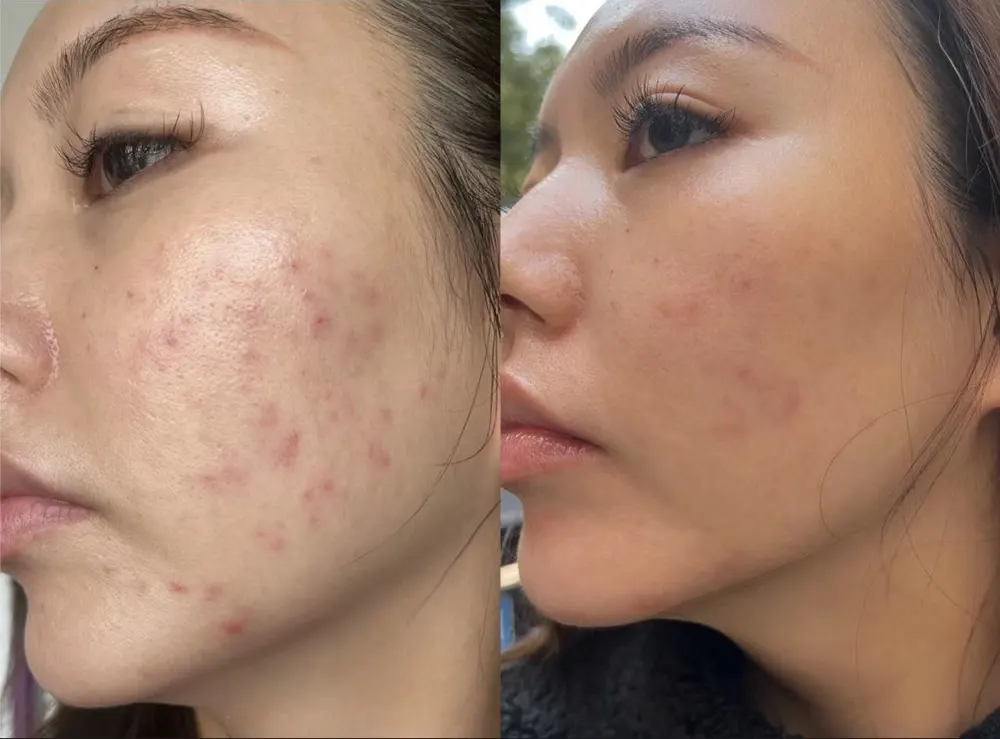
When red light is combined with blue light, it may also help improve breakouts. Blue light targets P. acnes bacteria, while red light helps reduce the inflammation that comes with acne, explains Dr. Obayomi. Research shows that using both together can lead to fewer breakouts over time, with studies reporting noticeable improvements after several weeks of consistent use.
That said, it’s important to keep expectations in check. At-home light therapy devices typically deliver lower-intensity light (often around 5–40 mW/cm²) than professional treatments (which can exceed 50 mW/cm²), so results tend to be more gradual and depend on consistent, regular use. As Dr. Obayomi notes, regular use over months—not days—is what’s most likely to lead to visible changes.
How do I use the red light therapy mask?
1.Start with clean skin
Cleanse your face to remove makeup, sunscreen, and skincare products. Pat your face dry before treatment.
2. Get comfortable
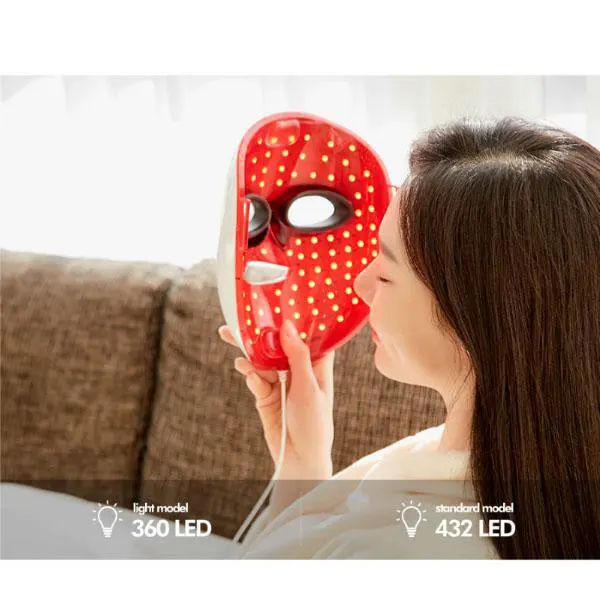
Sit or recline in a relaxed position. Make sure the mask fits snugly and comfortably on your face.
3. Begin your session
Ensure that the remote control is fully charged and attached to the contacts on your mask. Press and hold the power button. Select your therapy mode. Auto Mode lasts approximately 8 ນາທີ, while the other modes last approximately 3 ນາທີ.
4. Close your eyes and relax
You may feel gentle warmth. This is normal. The treatment is non-invasive and painless.
5. After your session
Remove the mask. If your skin feels dry, apply your usual moisturizer or serum. Slight redness after a session is normal and will subside. Avoid direct sun exposure for a few days and use sunscreen daily.
6. Frequency for best results
ໃຊ້ 2 ກັບ 3 times per week as recommended. Consistency is key for visible improvement in tone, texture, and firmness.
FAQS
ຖາມ:Does red light therapy work?
ກ:Science says yes. Research shows red light therapy can help to improve the complexion and texture of the skin, improve signs of aging (firmness, elasticity, skin density), help stimulate skin rejuvenation, and help treat conditions like acne and alopecia.
It can even help inflammation, pain, and muscle recovery. Beauty benefits aside, therapy devices with a near-infrared light wavelength can support injury healing, ຫຼຸດຜ່ອນການອັກເສບ. It may also improve joint stiffness, muscle recovery, and chronic pain, Dr. Maccarone says.
ຖາມ:How can red light therapy benefit my skin?
ກ:It tells your skin cells to get to work. Red light therapy works by stimulating your cells’ energy producers (AKA the mitochondria). This means your cells have more energy to do what they do best: repair damage faster, produce more collagen, increase circulation, and reduce inflammation, Dr. Maccarone explains.
It targets signs of aging and skin conditions. Once your skin cells are told to get to work, the result of these biological processes is less fine lines, wrinkles, uneven skin texture, skin discoloration, and acne.
The stronger the device, the better and faster it’ll work. The more powerful a therapy device, the better it’ll deliver results over a shorter period of time. ຕົວຢ່າງ, our top pick for the best red light therapy mask is the TheraFace Pro, which has 504 lights and only needs four minutes on each light wavelength for therapeutic benefit.
ຖາມ:ການປິ່ນປົວດ້ວຍແສງສີແດງແມ່ນປອດໄພ?
ກ:ແມ່ນແລ້ວ, red light therapy is safe. “Because LEDs do not produce ultraviolet radiation, they are considered a safer form of light therapy,” says Dr. Brendan Camp, double board-certified dermatologist and dermatopathologist with MDCS Dermatology in New York.
ບໍ່, it doesn’t cause cancer. Red light therapy devices don’t emit ultraviolet (UV) light, which is the primary cause of skin cancer. And studies have shown these devices don’t damage DNA or cause mutations of your skin cells.
Still, talk to your doctor if you’re on medications or have a condition that makes your skin more sensitive to light. If you take any medication that increases your sensitivity to the sun (like certain antibiotics, cardiovascular drugs, or diuretics), have a skin condition that causes photosensitivity, or a history of skin cancer, talk to your dermatologist before you start using a red light therapy device.