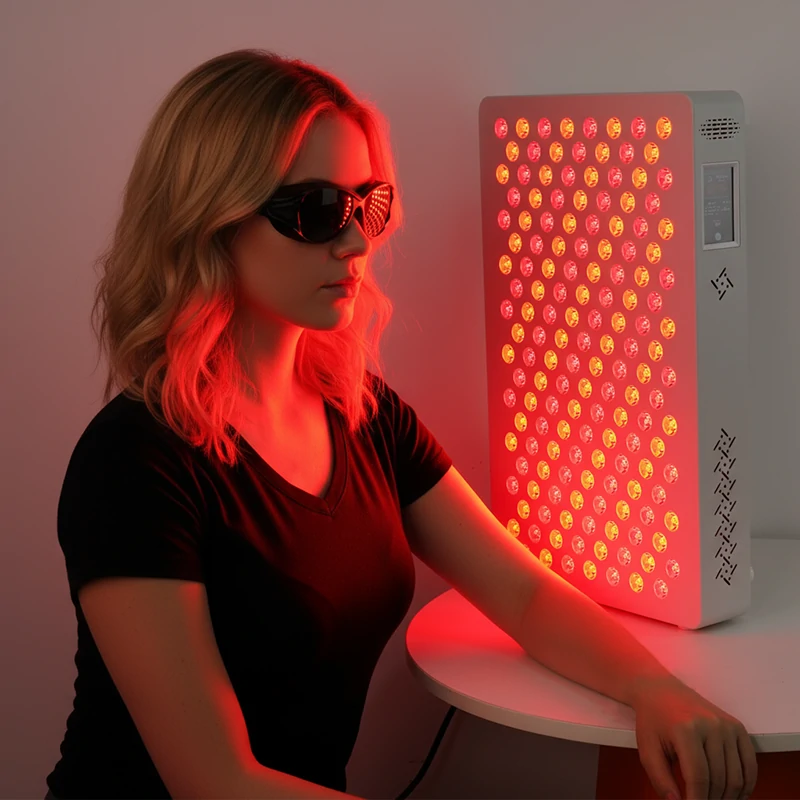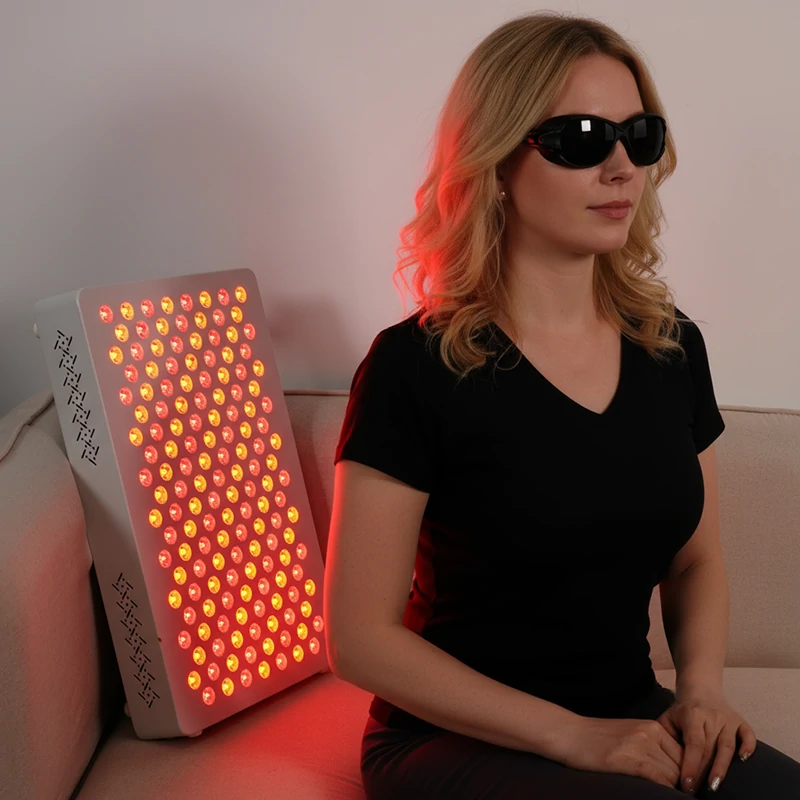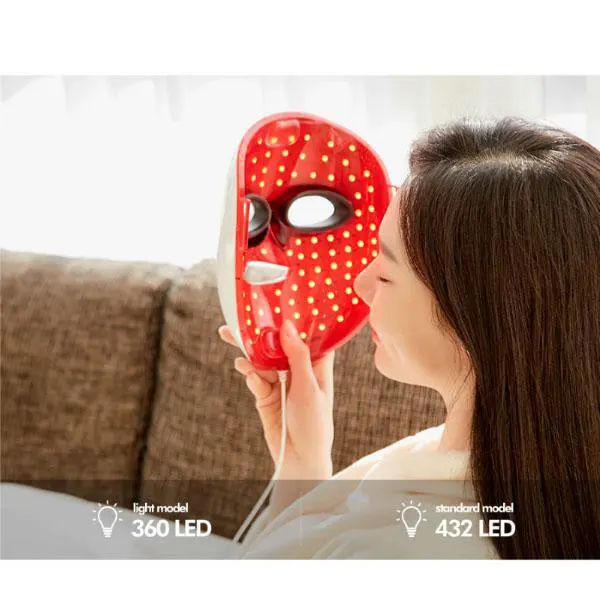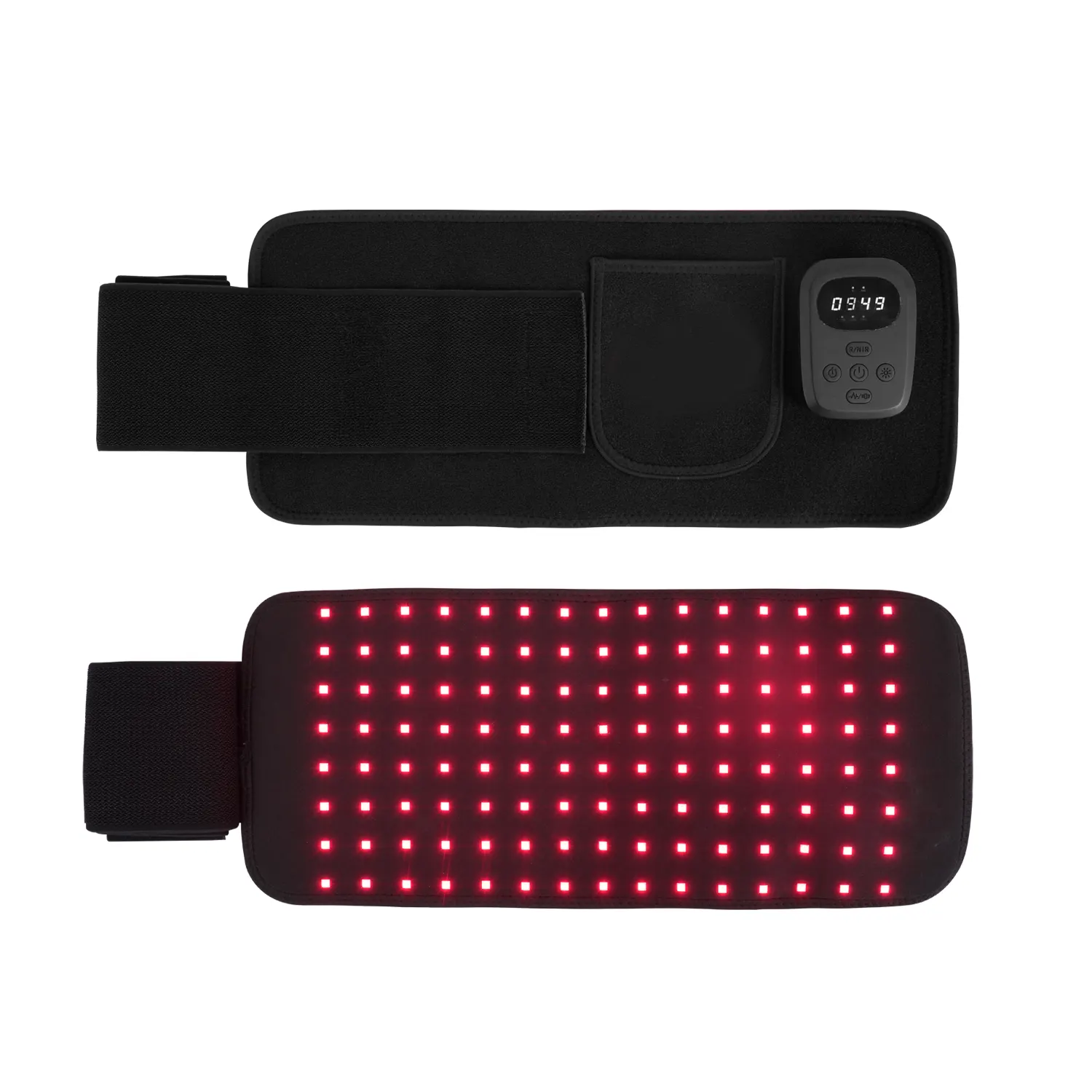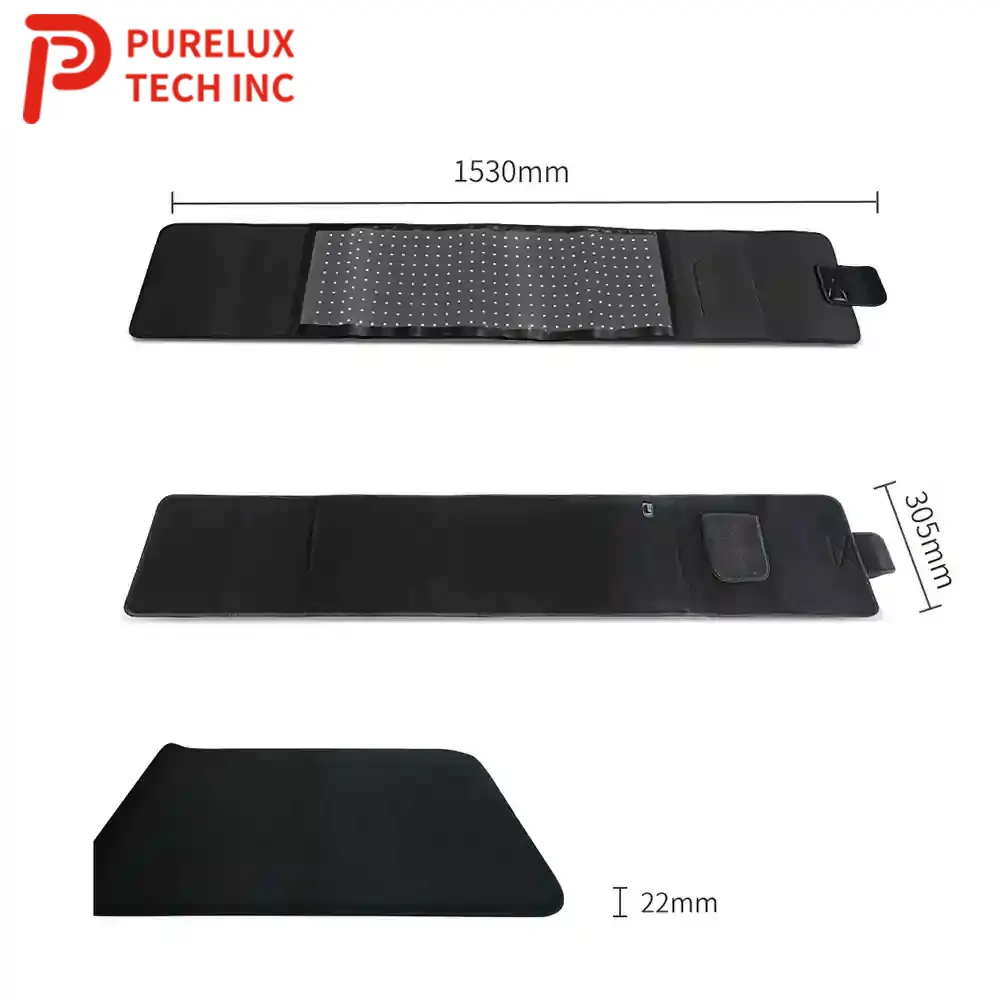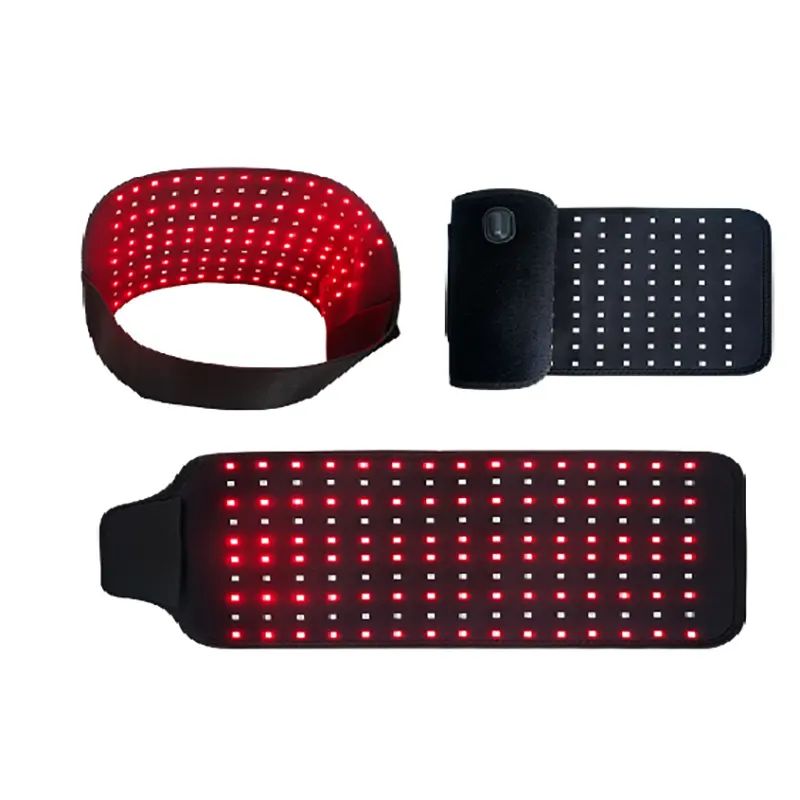
Red light therapy—also known as photobiomodulation (PBM) or low-level laser therapy (LLLT)—is gaining popularity in veterinary medicine as a non-invasive treatment for pain, ອັກເສບ, wound healing, and various skin conditions in dogs. Whether you’re considering professional clinic treatments or using an at-home device, understanding the proper protocol is essential for safety and effectiveness.
Before You Begin: Veterinary Diagnosis First
The most important step happens before any light therapy: a full veterinary work-up is essential. Dogs cannot tell us exactly where or what type of pain they have. Lameness in older dogs is often assumed to be arthritis, but it could also be caused by cancer—and therapeutic laser should NOT be used if a pet has cancer .
Once your veterinarian confirms that red light therapy is appropriate for your dog’s specific condition, you can proceed with treatment planning.
How Red Light Therapy Works on Dogs
Red light therapy delivers specific wavelengths of light (typically 600-1,100nm) that penetrate tissues and are absorbed by mitochondria in cells. This absorption:
-
Increases ATP (ພະລັງງານໂທລະສັບມືຖື) ການຜະລິດ
-
Improves local blood circulation
-
Reduces inflammation
-
Accelerates tissue repair
The therapy is painless and non-thermal—it does not burn or heat the tissue.
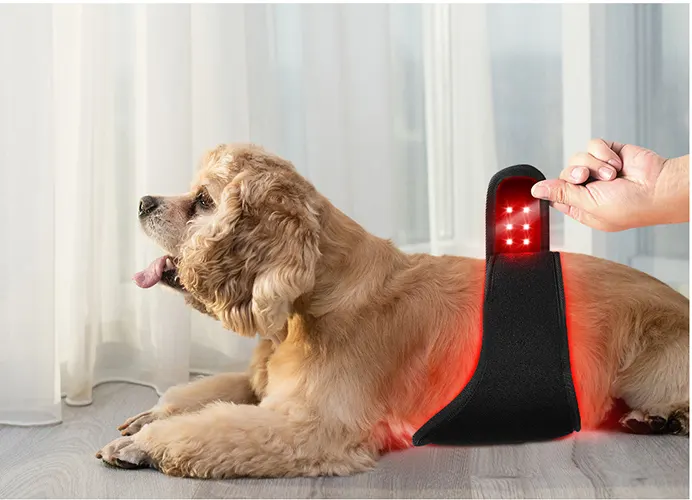
Optimizing Treatment for Maximum Benefit
Once you’ve mastered the basics of red light therapy for your dog, you can implement advanced techniques to maximize therapeutic outcomes.
**1. Wavelength Cycling**
Some advanced users alternate between different wavelength ratios during treatment:
– **ອາທິດ 1-2:** Higher red light (660ນມ) ratio for superficial tissue healing
– **ອາທິດ 3-4:** Higher near-infrared (850ນມ) ratio for deep tissue penetration
– **ອາທິດ 5+:** Balanced combination for maintenance
**Why this works:** Different wavelengths target different tissue depths and cellular processes. Cycling may prevent adaptation and maintain treatment effectiveness over time.
**2. Pulsed vs. Continuous Mode**
Many devices offer pulsed light settings:
– **Continuous mode:** Steady light output, best for general healing
– **Pulsed mode:** Light flashes at specific frequencies (10Hz, 50Hz, 100Hz)
– **Pulsed benefits:** Some research suggests pulsed light may be more effective for pain management and nerve regeneration
**Recommended approach:**
– Acute pain: Try pulsed mode at 10-50Hz
– Chronic conditions: Continuous mode or pulsed at 100Hz
– Experiment to find what works best for your dog
**3. Pre-Treatment Preparation**
Enhance treatment effectiveness with proper preparation:
**Hydration:**
– Ensure your dog is well-hydrated before treatment
– Water facilitates cellular processes and nutrient transport
– Offer fresh water 30 minutes before session
**Gentle Warm-Up:**
– Light massage for 2-3 minutes before treatment
– Increases blood flow to treatment area
– Helps dog relax and settle
**Optimal Timing:**
– Treat when cortisol levels are naturally lower (mid-morning or early evening)
– Avoid treating immediately after meals (wait 30-60 ນາທີ)
– Consistent timing helps establish routine
**4. Post-Treatment Enhancement**
Maximize benefits after each session:
**Gentle Movement:**
– ຫຼັງຈາກການປິ່ນປົວ, encourage light movement (5-10 minute walk)
– Helps circulate nutrients to treated tissues
– Prevents stiffness from remaining still too long
**Hydration Again:**
– Offer water post-treatment
– Supports cellular recovery processes
**Rest Period:**
– Allow 30-60 minutes of quiet rest after treatment
– Gives body time to utilize therapeutic effects
– Avoid vigorous activity immediately after
### Age-Specific Treatment Protocols
**Puppies (Under 1 Year)**
Red light therapy can be used on puppies, but with modifications:
– **Shorter sessions:** 50% of adult duration (2-4 minutes per area)
– **Lower frequency:** 2-3 times per week maximum
– **Gentler approach:** Puppies are more sensitive to stimulation
– **Veterinary clearance:** Essential before starting any therapy
**Appropriate uses for puppies:**
– Post-surgical healing (spay/neuter recovery)
– Minor injuries (sprains, cuts)
– Growth plate concerns (under veterinary guidance)
– Developmental orthopedic conditions
**Contraindications for puppies:**
– Growth plates (avoid direct treatment over open growth plates)
– Very young puppies (under 8 ອາທິດ) without veterinary approval
– Healthy puppies with no specific indication (unnecessary)
**Adult Dogs (1-7 Years)**
Standard protocols apply:
– Full treatment duration (5-8 minutes per area)
– Standard frequency based on condition
– Can handle more intensive protocols if needed
**Senior Dogs (8+ Years)**
Older dogs may need adjusted protocols:
**Considerations:**
– May have reduced circulation (slower healing)
– Often multiple concurrent conditions
– May be more sensitive to treatment
– Possibly reduced kidney/liver function (affects medication metabolism)
**Modified Protocol:**
– Start with 75% of standard duration
– Increase gradually based on tolerance
– May need longer overall treatment period for results
– More frequent monitoring for response
**Benefits for seniors:**
– Can reduce reliance on medications (harder on aging organs)
– Supports overall cellular function
– Helps maintain mobility and quality of life
– Safe for long-term use
### Breed-Specific Considerations
**Brachycephalic Breeds (Pugs, Bulldogs, Boston Terriers)**
Special considerations for flat-faced breeds:
– **Respiratory sensitivity:** Ensure treatment area is well-ventilated
– **Heat sensitivity:** These breeds overheat easily; monitor for panting
– **Shorter sessions:** May tolerate shorter, more frequent treatments
– **ການຈັດຕໍາແໜ່ງ:** May need special support for comfortable positioning
**Large and Giant Breeds (Great Danes, Mastiffs, Saint Bernards)**
– **Longer treatment times:** More tissue to penetrate (10-15 minutes per area)
– **Higher power devices:** Minimum 200W recommended
– **Multiple sessions:** May need to treat in sections
– **Joint focus:** Hip and elbow dysplasia common; prioritize these areas
**Small and Toy Breeds (Chihuahuas, Yorkshire Terriers, Pomeranians)**
– **Shorter treatment times:** 3-5 minutes per area sufficient
– **Lower power acceptable:** 50-100W devices work well
– **Gentle handling:** More fragile; careful positioning essential
– **Common conditions:** Patellar luxation, tracheal issues, dental problems
**Working and Athletic Breeds (Border Collies, Australian Shepherds, Labrador Retrievers)**
– **Preventive focus:** Regular maintenance to prevent injuries
– **Post-activity treatment:** After intense work or competition
– **ການຟື້ນຟູການບາດເຈັບ:** Faster return to work with proper protocol
– **Performance enhancement:** Some evidence for improved recovery between activities