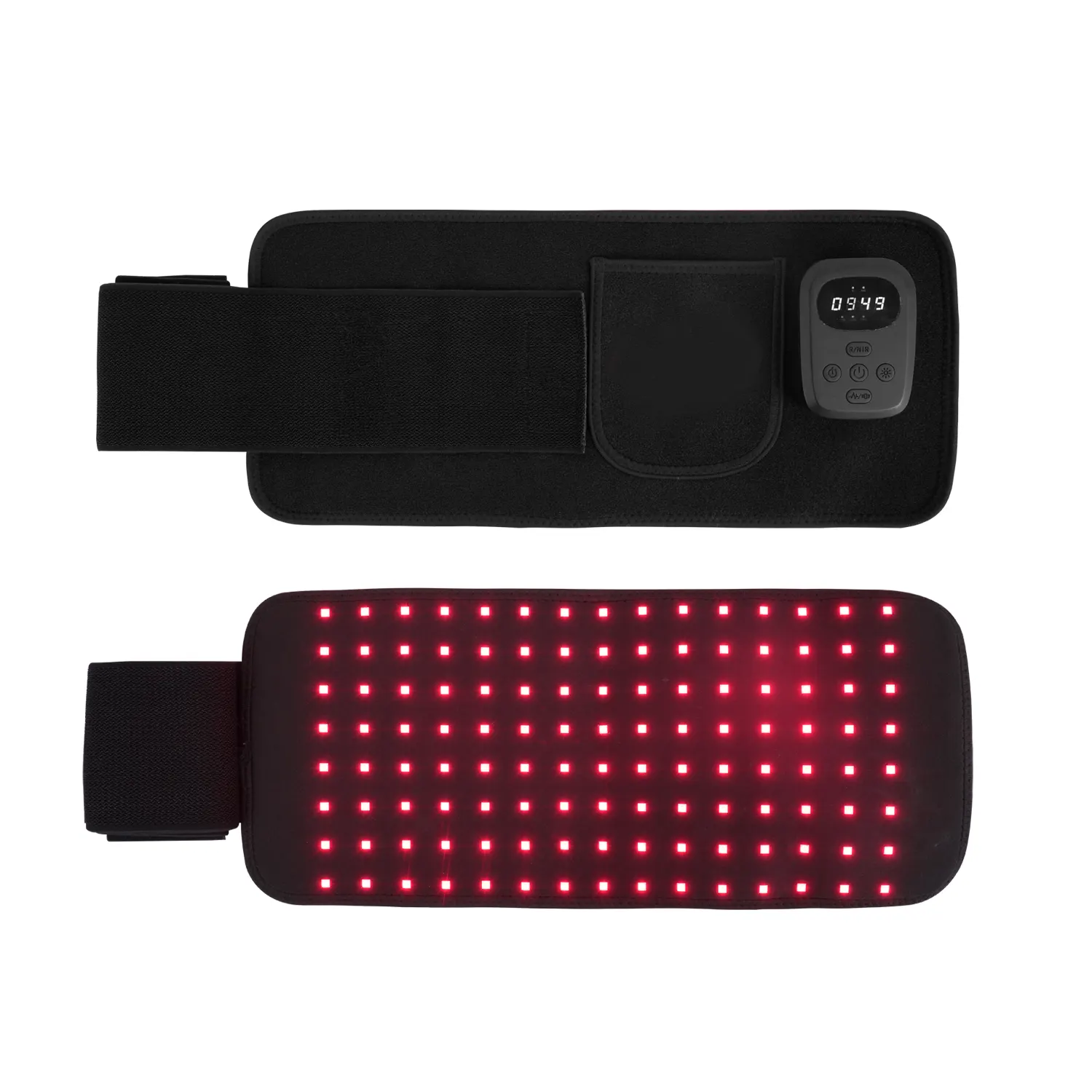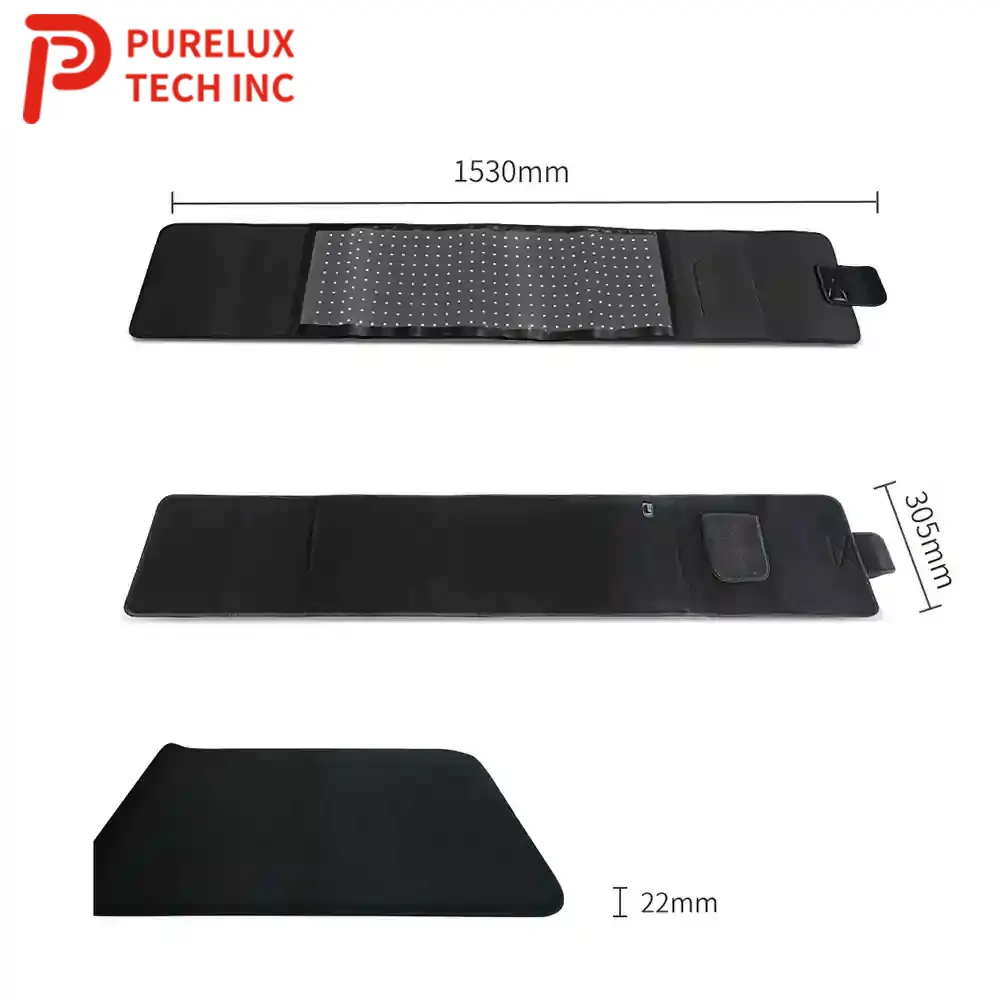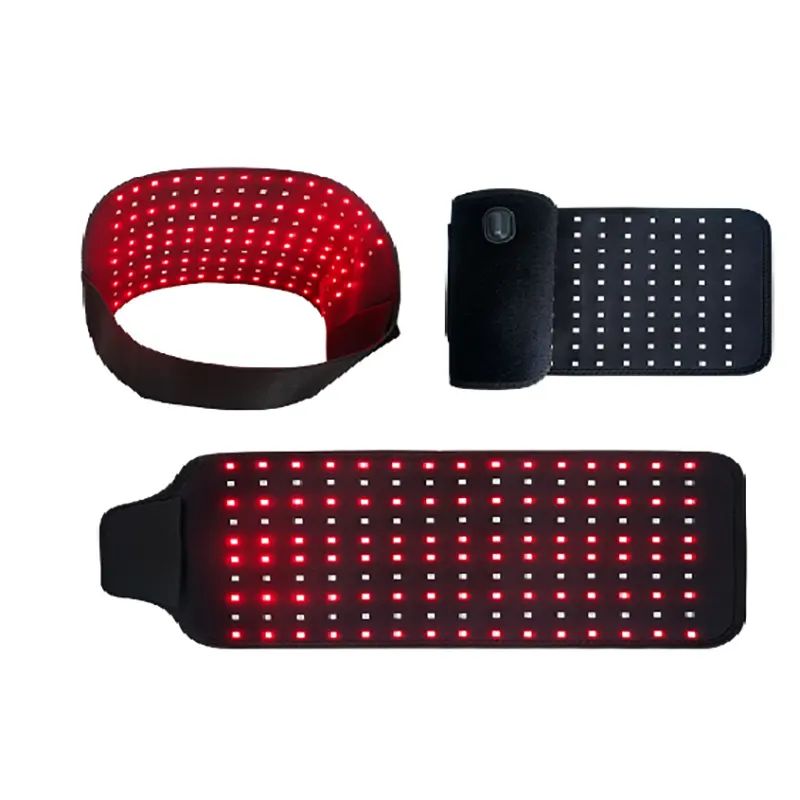
What is red light therapy for cats and how does it work?
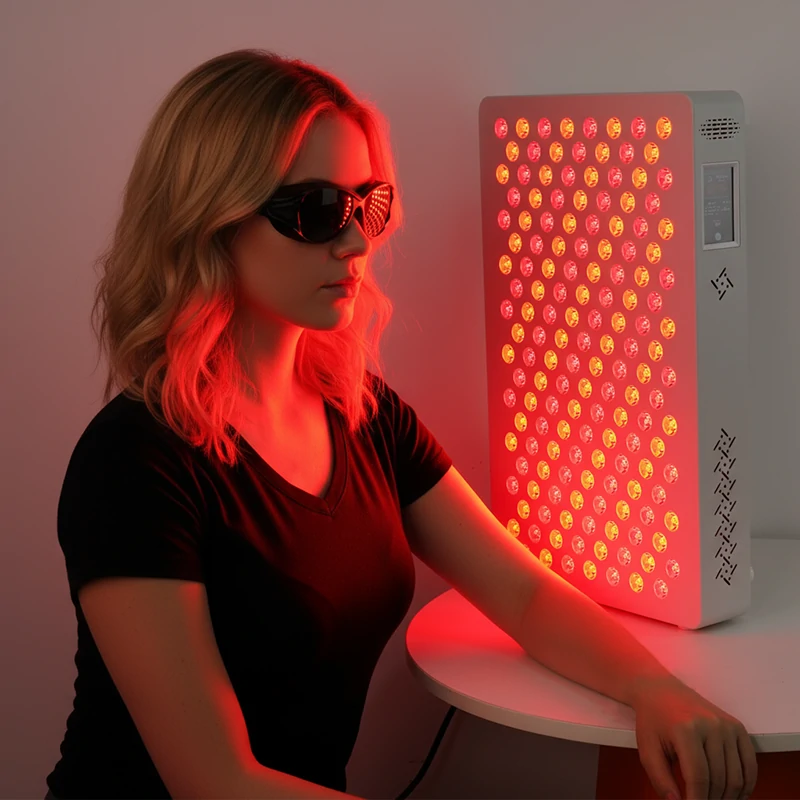
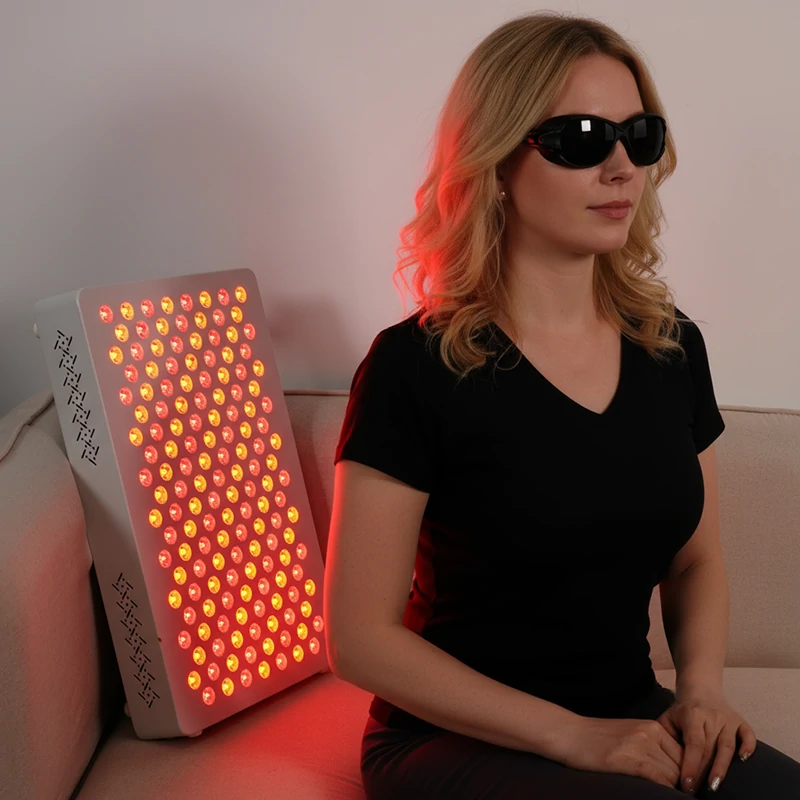
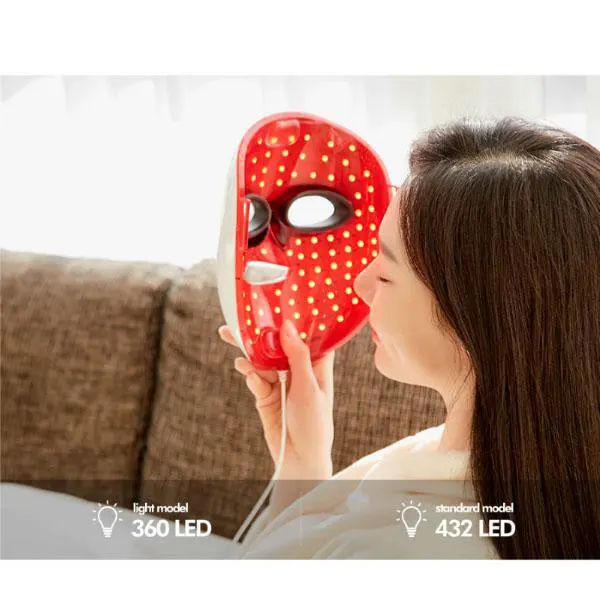
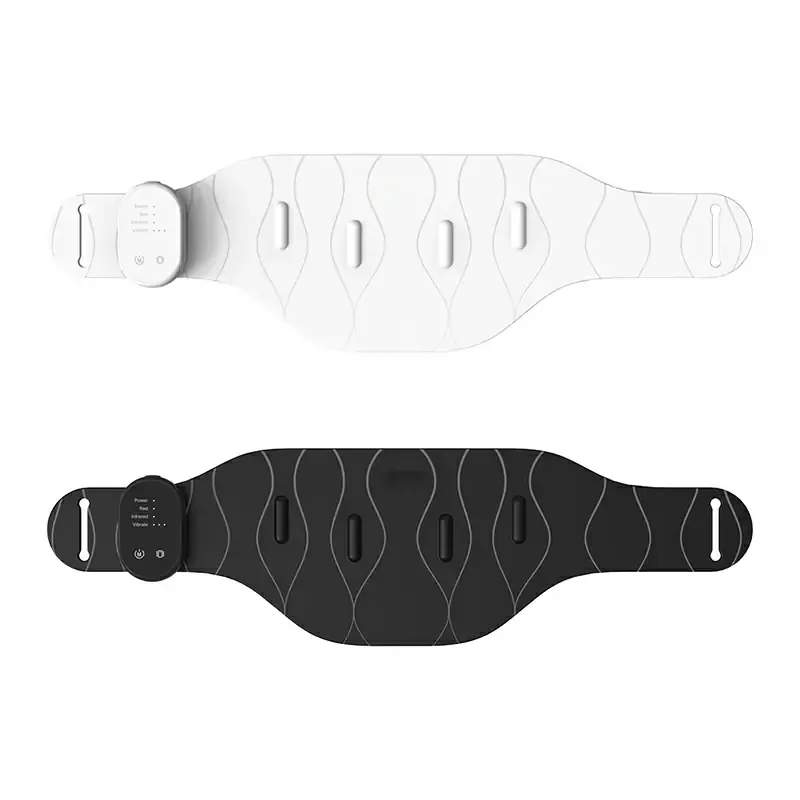
ການປິ່ນປົວດ້ວຍແສງສີແດງ, also known as photobiomodulation or low-level light therapy, is a non-invasive treatment that uses red and near-infrared light to stimulate cellular regeneration and reduce inflammation. The therapy works by penetrating the skin and stimulating the cells to produce more energy. This energy helps to repair damaged cells and tissues, ຫຼຸດຜ່ອນການອັກເສບ, and improve circulation. Red light therapy can also help to stimulate the production of collagen and elastin, which can improve skin health and reduce the appearance of fine lines and wrinkles. The wavelength range of 630-850nm has been shown to be most effective for photobiomodulation. Red light therapy can be administered using various devices, including handheld devices and larger panels.
How can red light therapy benefit cats?
It is not only humans who can reap the benefits of red light therapy, but animals too. ການປິ່ນປົວດ້ວຍແສງສີແດງ can benefit cats in particular in several ways and here are some of the most common benefits:
- Pain relief: Red light therapy can help reduce pain and inflammation in cats suffering from arthritis, injuries, or other conditions that cause discomfort.
- ໂລກຂໍ້ອັກເສບ: Red light therapy has been shown to be effective in reducing pain and inflammation associated with arthritis in dogs.
- Muscle soreness: Red light therapy can help to reduce muscle soreness and reduce pain and improve circulation in dogs
Promising Feline Case Studies
Post-Surgical Bone Healing and Pain Relief
A significant 2025 case report documented the successful use of laser therapy in a 7-year-old cat with persistent lameness following femoral fracture surgery. The cat had experienced orthopedic implant failure and continued to have chronic pain and restricted mobility even after implant removal.
The protocol:
-
25 sessions of laser therapy over 2 ເດືອນ
-
810-nm infrared semiconductor laser
-
Dosage: 6 J per treatment area
-
Treatments began 4 days post-surgery
The results: The cat demonstrated marked improvement in weight-bearing and mobility, with reduced signs of pain. Radiographic imaging revealed significant bone remodeling and consolidation. The owner reported enhanced activity levels and overall quality of life .
The researchers concluded that laser therapy proved to be a valuable component of multimodal rehabilitation in this feline patient, addressing both chronic pain and delayed bone healing .
Oral Inflammatory Disease
Another 2024 case report explored antimicrobial photodynamic therapy (aPDT) for feline chronic gingivostomatitis (FCGS)—a painful and severe inflammatory mucosal disease that often resists conventional treatment. The cat had been unresponsive to antibiotics, NSAIDs, and dental extraction.
The protocol:
-
Topical application of indocyanine green (ICG) photosensitizer
-
810-nm diode laser irradiation
-
Fluence: 16.8 J/cm² per session
-
Biweekly treatments, totaling 13 sessions over 4 ເດືອນ
The results: Gradual weight gain was observed from the first treatment. During the three-year follow-up period, there was no recurrence of FCGS .
While this case used a photosensitizer (not typical home-use red light), it demonstrates the therapeutic potential of specific wavelengths for feline inflammatory conditions.
Key Differences: Cats vs. Dogs
Cats are not small dogs—this matters enormously for red light therapy:
| ປັດໄຈ | Cats | Why It Matters |
|---|---|---|
| Pain expression | Stoic, hide discomfort | May not show obvious signs of improvement |
| Skin sensitivity | Thinner, more delicate | Lower power settings needed |
| Fur density | Variable, often thick | Light penetration challenges |
| Stress response | Easily stressed by handling | Sessions must be short, positive |
| Heat sensitivity | Less tolerant of warmth | Monitor for signs of discomfort |
| Metabolism | Unique liver metabolism | Caution with concurrent medications |
Step-by-Step Home Protocol
Before You Begin: Veterinary Consultation
The most important step happens before any light therapy: a full veterinary work-up is essential. Cats cannot tell us where or what type of pain they have, ແລະ therapeutic laser should NOT be used if a cat has cancer (unless specifically directed by an oncologist).
Once your veterinarian confirms that red light therapy is appropriate for your cat’s specific condition, you can proceed.
1. Choose the Right Device
For home use on cats, consider:
-
Wavelength: ໃກ້ອິນຟາເຣດ (800-900ນມ) for deeper tissue; ສີແດງ (630-660ນມ) for superficial skin issues
-
Power: Lower power devices (50-500mW) are safer for home use
-
Class: Class 1 or 2 devices for home (never use high-power Class 4 lasers without training)
-
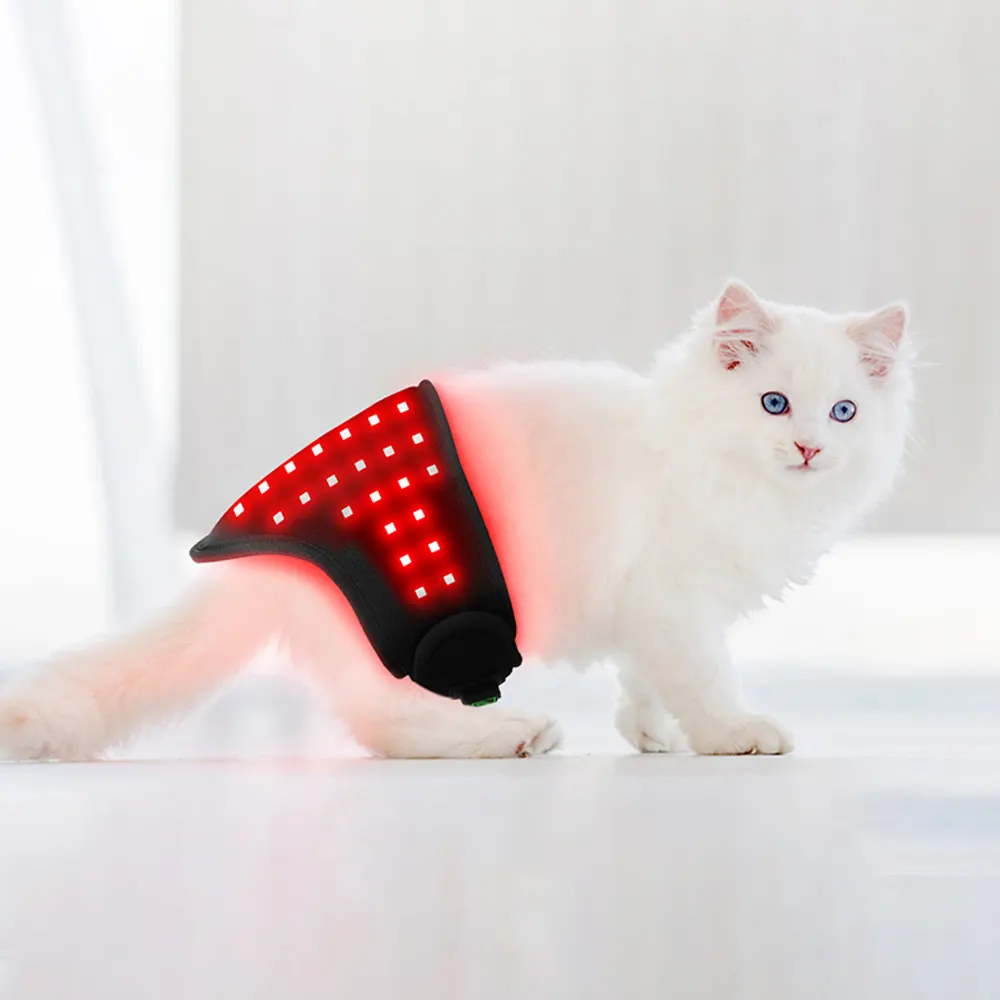
Size: Smaller panels or wands are easier to maneuver around a cat’s body
The Photocelen device, a 2026 Red Dot Design Award winner, exemplifies the trend toward home-friendly pet devices designed for treating dermatitis and skin inflammation using LED-based therapy .
2. Prepare the Treatment Area
-
Hair matters: The color and thickness of your cat’s fur affects light absorption—dark, thick fur can block light from reaching the skin. ສໍາລັບຜົນໄດ້ຮັບທີ່ດີທີ່ສຸດ, fur may need to be gently parted to allow light penetration.
-
Clean the area: Remove any dirt or debris.
-
For wounds: If treating open wounds, clean gently with sterile saline first.
3. Eye Protection Is Mandatory
The light from therapeutic lasers can be harmful to eyes. Anyone in the vicinity—including the cat, the person administering treatment, and any other pets—should wear appropriate eye protection. Cats cannot wear goggles, so you must:
-
Keep the beam pointed away from the cat’s eyes at all times
-
Avoid treating near the eye area unless specifically directed by a veterinarian
-
Never shine light directly into eyes
4. Create a Low-Stress Environment
Cats stress easily, which defeats the purpose of therapy:
-
Choose a time when your cat is naturally relaxed (post-meal, sleepy)
-
Use familiar bedding in a quiet room
-
Have treats ready (high-value, irresistible treats)
-
Keep sessions short—5-10 minutes maximum
-
Stop immediately if your cat shows signs of stress (flattened ears, hissing, attempts to flee)
5. Application Technique
For chronic conditions (ໂລກຂໍ້ອັກເສບ, pain):
-
Position your cat comfortably in their preferred resting position
-
Hold the device at the manufacturer’s recommended distance (typically 1-5cm)
-
Move slowly over the affected area
-
2-3 sessions per week typical for chronic conditions
For acute conditions (ບາດແຜ, ອັກເສບ):
-
Daily sessions for the first few days may be appropriate
-
Follow veterinary guidance on frequency
Dosage guidance: Based on the successful feline case report, a dosage of approximately 6 J per treatment area was effective for deep orthopedic healing . For home devices, follow manufacturer guidelines—they often provide specific protocols for pets.
6. Monitor and Document
Keep a simple log:
-
Date and time of treatment
-
Area treated
-
ໄລຍະເວລາ
-
Your cat’s behavior during and after
-
Any observed changes in mobility, pain behaviors, or activity
Signs of improvement to watch for:
-
Increased activity/playfulness
-
Easier jumping onto furniture
-
Improved appetite
-
More relaxed posture
-
Better grooming
Safety Considerations Specific to Cats
Do NOT Use Red Light Therapy If Your Cat Has:
-
Cancer (unless approved by oncologist)
-
Over the thyroid gland
-
Over pregnant uterus
-
Over hemorrhaging areas
-
On testicles or ovaries
-
Hyperesthesia syndrome (extreme skin sensitivity)
ຜົນຂ້າງຄຽງທີ່ເປັນໄປໄດ້
Red light therapy is extremely safe when used properly. Side effects in cats are rare but may include:
-
Temporary mild discomfort
-
Skin irritation (uncommon)
-
Stress from handling
The primary risk is eye damage, which is entirely preventable with careful beam direction.
Clinical Applications with Evidence
Based on available feline research, these conditions may benefit:
| ສະພາບ | Evidence Level | ບັນທຶກ |
|---|---|---|
| Post-surgical bone healing | Case report | 810ນມ, 6 J, 25 sessions over 2 ເດືອນ |
| Chronic pain (orthopedic) | Case report | Significant improvement documented |
| Gingivostomatitis | Case report | Used with photosensitizer (clinical setting) |
| Skin inflammation | Emerging | LED devices showing promise |
| ການປິ່ນປົວບາດແຜ | Extrapolated from other species | Limited feline-specific data |
ໄດ້ 2023 systematic review noted that for musculoskeletal conditions, some dog studies showed benefits in reducing NSAID use and improving lameness—findings that may cautiously inform feline applications, though direct extrapolation is not recommended .
Professional vs. At-Home Care: Finding the Balance
When to Seek Professional Treatment
-
Initial diagnosis: Always start with veterinary evaluation
-
Severe conditions: Deep pain, paralysis, ການຟື້ນຟູຫຼັງການຜ່າຕັດ
-
Lack of improvement: If home therapy shows no benefit after 4-6 ອາທິດ
-
High-power needs: Class 4 laser therapy requires professional training
When Home Therapy May Be Appropriate
-
Maintenance after initial professional treatment
-
Mild chronic conditions (early arthritis)
-
Superficial issues (minor skin irritations)
-
Senior cat support for general comfort
The Colorado State University Veterinary Teaching Hospital notes that less expensive lasers often don’t meet therapeutic parameters, recommending investment in a comprehensive rehabilitation treatment plan rather than purchasing a home device for serious conditions.
Summary: Home Red Light Therapy for Cats
| ຂັ້ນຕອນ | Key Points |
|---|---|
| 1. Veterinary diagnosis | Rule out cancer, confirm appropriate condition |
| 2. Device selection | Lower power, appropriate wavelength (630-660nm red, 800-900nm infrared) |
| 3. Fur preparation | Part dark/thick fur for better penetration |
| 4. Eye safety | Never aim at eyes, protect all in room |
| 5. Environment | Calm, quiet, positive with treats |
| 6. Dosage | Start low (follow manufacturer guidelines); 6 J/cm² range supported by research |
| 7. ຄວາມຖີ່ | Chronic: 2-3x weekly; Acute: daily initially |
| 8. ໄລຍະເວລາ | 5-10 minutes per area |
| 9. Monitoring | Track behavior, ການເຄື່ອນໄຫວ, pain signs |
| 10. Veterinary partnership | Regular check-ins with your vet |
When to Expect Results
-
Skin conditions: May show improvement within 1-2 ອາທິດ
-
Pain/arthritis: Often requires 4-8 weeks of consistent treatment
-
Post-surgical healing: Follow veterinary rehabilitation protocol
In the LED wrap study for canine osteoarthritis (applicable as context), significant improvements were detected at week 11, but not at week 4—patience and consistency matter .
The Bottom Line
Red light therapy offers a promising, drug-free option for managing various feline health conditions in a home setting when done correctly. The growing body of clinical evidence—including documented case reports of successful bone healing, pain management, and inflammatory condition treatment—supports its therapeutic potential .
ແນວໃດກໍ່ຕາມ, the evidence base for cats remains limited compared to dogs . This means:
-
Always work with your veterinarian—never self-diagnose
-
Choose appropriate devices designed for home pet use
-
Prioritize safety—eyes, stress levels, and proper technique
-
Be patient—results may take weeks to months
-
Stay observant—cats hide discomfort, so look for subtle improvements
With proper veterinary guidance, appropriate equipment, and a cat-centered approach, red light therapy can become a valuable component of your feline companion’s wellness and rehabilitation journey.