ຜົນປະໂຫຍດຂອງການປິ່ນປົວດ້ວຍແສງສີແດງແມ່ນຫຍັງ?
ການປິ່ນປົວດ້ວຍແສງສີແດງອາດຈະຊ່ວຍໃຫ້ການອັກເສບສະຫງົບ, ສະຫນັບສະຫນູນອຸປະສັກຜິວຫນັງ, ຊຸກຍູ້ການຜະລິດ collagen, ແລະການຊ່ວຍເຫຼືອການຟື້ນຟູຫຼັງຈາກການປິ່ນປົວຢູ່ໃນຫ້ອງການເຊັ່ນ lasers. ດຣ. Gohara ອະທິບາຍວ່າມັນເປັນເຄື່ອງມືທີ່ບຳ ລຸງຜິວ ໜັງ ແລະຮັກສາຜິວ ໜັງ ຫຼາຍກ່ວາລະຄອນ, ການແກ້ໄຂຄືນ.
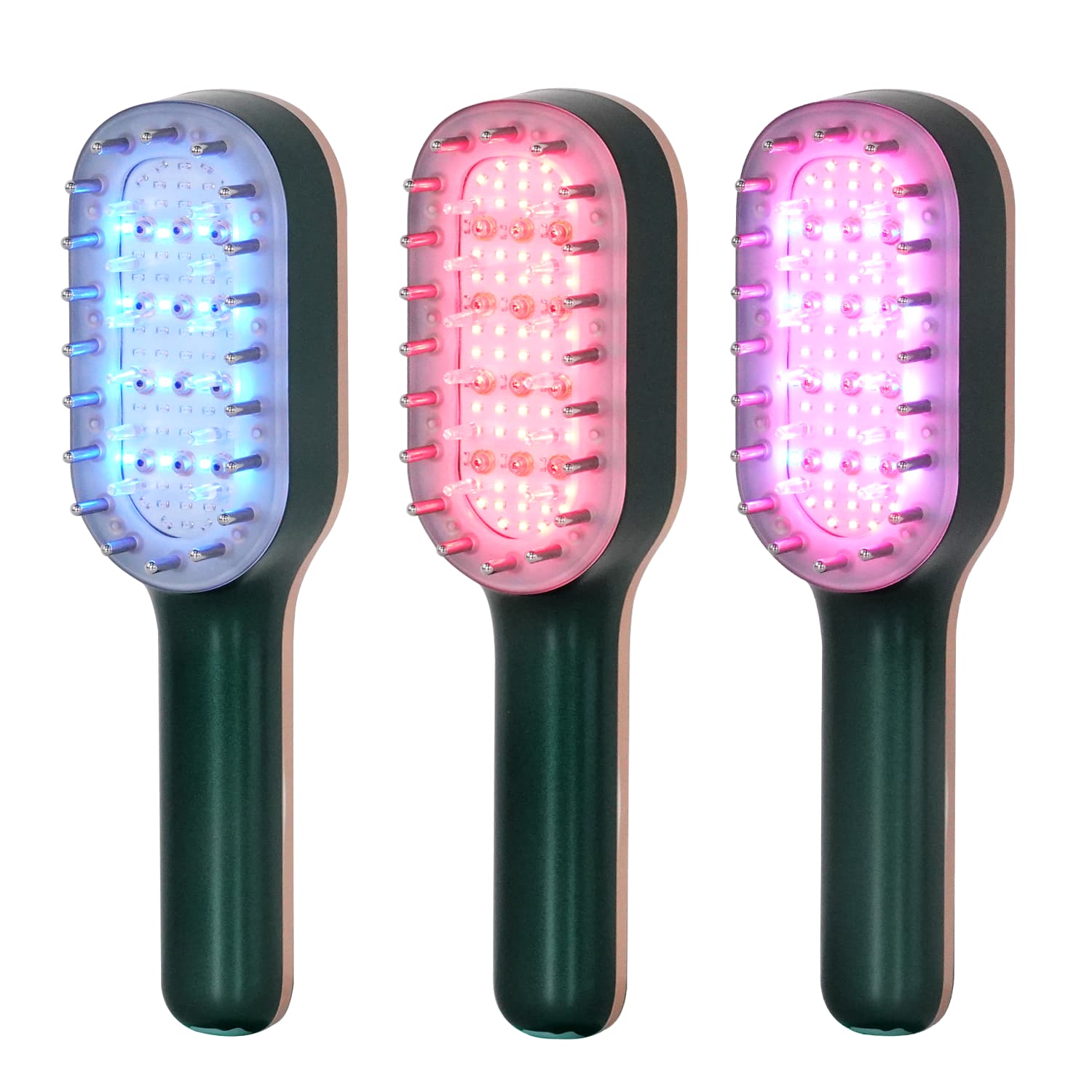
ເມື່ອແສງສີແດງລວມກັບແສງສີຟ້າ, ມັນຍັງອາດຈະຊ່ວຍປັບປຸງການແຕກແຍກ. ແສງສະຫວ່າງສີຟ້າເປົ້າຫມາຍ P. ເຊື້ອແບັກທີເຣັຍສິວ, ໃນຂະນະທີ່ແສງສີແດງຊ່ວຍຫຼຸດຜ່ອນການອັກເສບທີ່ມາພ້ອມກັບສິວ, ອະທິບາຍ ດຣ. ໂອບາໂອມິ. ການຄົ້ນຄວ້າສະແດງໃຫ້ເຫັນວ່າການນໍາໃຊ້ທັງສອງຮ່ວມກັນສາມາດນໍາໄປສູ່ການ breakout ຫນ້ອຍລົງໃນໄລຍະເວລາ, ກັບການສຶກສາລາຍງານການປັບປຸງທີ່ສັງເກດເຫັນຫຼັງຈາກຫລາຍອາທິດຂອງການນໍາໃຊ້ທີ່ສອດຄ່ອງກັນ.
ທີ່ເວົ້າວ່າ, ມັນເປັນສິ່ງສໍາຄັນທີ່ຈະຮັກສາຄວາມຄາດຫວັງໃນການກວດສອບ. ອຸປະກອນບຳບັດດ້ວຍແສງສະຫວ່າງຢູ່ເຮືອນໂດຍປົກກະຕິຈະສົ່ງແສງທີ່ມີຄວາມເຂັ້ມຕ່ຳລົງ (ເລື້ອຍໆປະມານ 5-40 mW / cm²) ກ່ວາການປິ່ນປົວແບບມືອາຊີບ (ເຊິ່ງສາມາດເກີນ 50 mW/cm²), ດັ່ງນັ້ນຜົນໄດ້ຮັບມີແນວໂນ້ມທີ່ຈະຄ່ອຍໆຫຼາຍຂື້ນແລະຂຶ້ນກັບຄວາມສອດຄ່ອງ, ການນໍາໃຊ້ປົກກະຕິ. ດັ່ງ ດຣ. Obayomi ບັນທຶກ, ການນໍາໃຊ້ເປັນປົກກະຕິໃນໄລຍະເດືອນ — ບໍ່ແມ່ນມື້ — ແມ່ນສິ່ງທີ່ມີແນວໂນ້ມທີ່ສຸດທີ່ຈະນໍາໄປສູ່ການປ່ຽນແປງທີ່ເຫັນໄດ້.
ຄວາມຍາວຄື້ນ, ອະທິບາຍ
ອຸປະກອນປິ່ນປົວດ້ວຍແສງສີແດງສ່ວນໃຫຍ່ຕົວຈິງແລ້ວໄດ້ໃຊ້ຄວາມຍາວຂອງຄື້ນແສງສະຫວ່າງເພື່ອສົ່ງຜົນປະໂຫຍດເພີ່ມເຕີມຕໍ່ກັບຜິວຫນັງຂອງທ່ານ - ບໍ່ພຽງແຕ່ສີແດງເທົ່ານັ້ນ.. “ຄວາມຍາວຄື່ນຈະກຳນົດວ່າແສງສະຫວ່າງເຂົ້າສູ່ເນື້ອເຍື່ອເລິກສໍ່າໃດ ແລະມັນສົ່ງຜົນກະທົບແນວໃດ,” ທ່ານດຣ. Maccarone. ໃນເວລາທີ່ມັນມາກັບອຸປະກອນການດູແລຜິວຫນັງ, ເຫຼົ່ານີ້ແມ່ນທົ່ວໄປທີ່ສຸດ:
ແສງສີຟ້າ (380— 500 nm) ຢູ່ໃກ້ກັບຜິວໜັງ ແລະສາມາດແນເປົ້າໃສ່ແບັກທີເຣຍທີ່ເຮັດໃຫ້ເກີດສິວເພື່ອຫຼຸດຜ່ອນການເກີດຮອຍແຕກ. ມັນຍັງອາດຈະຊ່ວຍແກ້ໄຂສະພາບຜິວໜັງອັກເສບໄດ້ເຊັ່ນ: ຜິວໜັງອັກເສບ, eczema, ແລະ psoriasis.
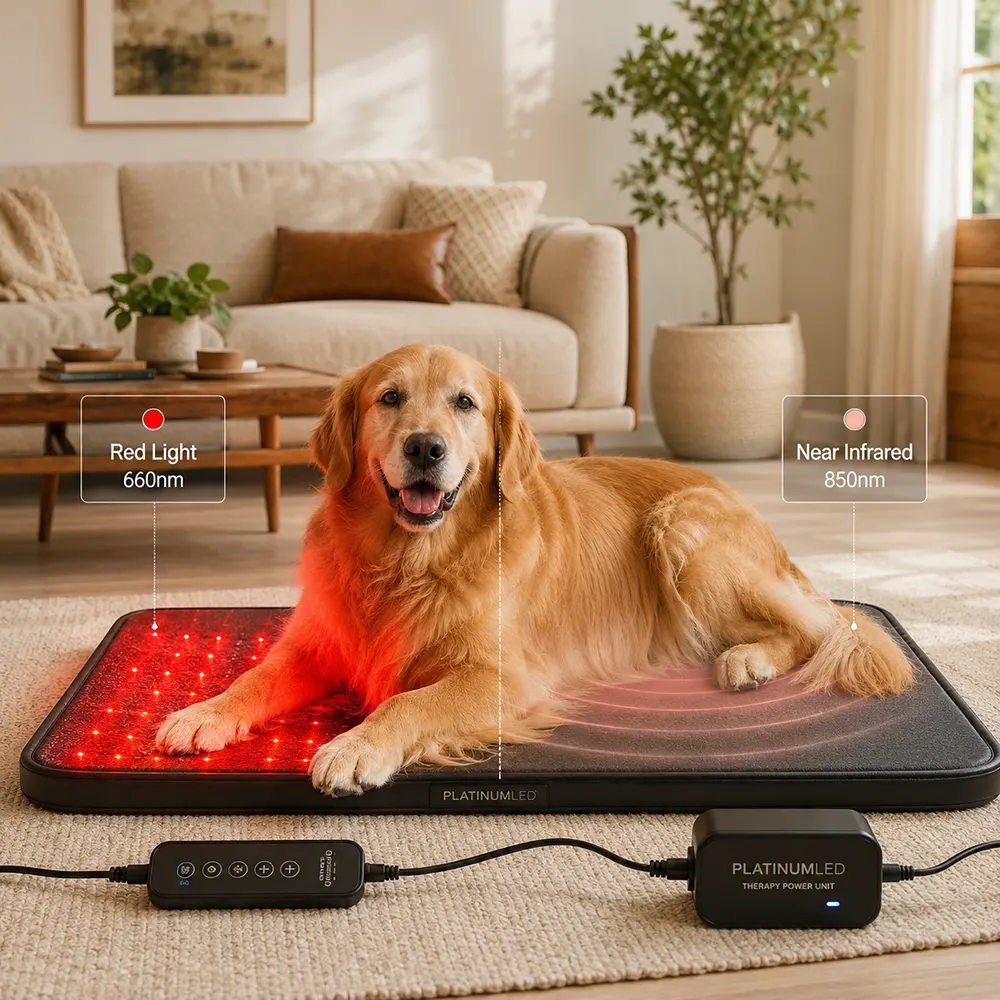
ໄຟແດງ (630— 660 nm) ຖືກດູດຊຶມເຂົ້າໄປໃນຜິວຫນັງແລະເປົ້າຫມາຍຄວາມກັງວົນກ່ຽວກັບຜິວຫນັງເຊັ່ນສິວ, ໂຄງສ້າງຜິວຫນັງ, ຄວາມຍືດຫຍຸ່ນ, ແລະຄວາມແຫນ້ນຫນາ.
ແສງໃກ້ອິນຟາເຣດ (810— 850 nm) ເຈາະເລິກກວ່າ, ເຖິງກ້າມຊີ້ນ, ຂໍ້ຕໍ່, ກະດູກ, ແລະແມ້ກະທັ້ງສະຫມອງ. NIR ສາມາດຊ່ວຍນັກກິລາທີ່ມີການຟື້ນຟູກ້າມຊີ້ນ, ອັກເສບ, ແລະການປິ່ນປົວບາດເຈັບ.
ອຸປະກອນບາງອັນຈະຮວມມີແສງສີຂຽວນຳ (500-570 ນມ) ເພື່ອຊ່ວຍກະຕຸ້ນການຜະລິດ collagen ແລະຫຼຸດຜ່ອນບັນຫາເມັດສີ, ຫຼືແມ້ກະທັ້ງແສງອໍາພັນ (570— 600 nm) ເພື່ອແນໃສ່ສີຜິວ, wrinkles, ແລະການອັກເສບຜິວໜັງ (ເຖິງແມ່ນວ່າບໍ່ມີອໍານາດເປັນແສງສະຫວ່າງສີຟ້າຫຼືສີແດງ).
ວິທີການຊອກຫາຫນ້າກາກປິ່ນປົວດ້ວຍແສງສີແດງທີ່ດີທີ່ສຸດສໍາລັບທ່ານ
ຊອກຫາຫນ້າກາກປິ່ນປົວດ້ວຍແສງສີແດງທີ່ດີທີ່ສຸດມາລົງເພື່ອເຂົ້າໃຈຄວາມຕ້ອງການຂອງຜິວຫນັງຂອງທ່ານ, ການປຽບທຽບ specs ຜະລິດຕະພັນ, ແລະພິຈາລະນາລັກສະນະທີ່ເຫມາະສົມກັບຊີວິດຂອງເຈົ້າ. ຂ້າງລຸ່ມນີ້, ພວກເຮົາຈະບອກທ່ານກ່ຽວກັບສິ່ງທີ່ຕ້ອງຊອກຫາກ່ອນທີ່ຈະລົງທຶນໃນອັນດຽວ.
ຄວາມຕ້ອງການຂອງທ່ານ
ຜິວຫນັງຂອງທຸກຄົນແມ່ນແຕກຕ່າງກັນ, ຊຶ່ງຫມາຍຄວາມວ່າບໍ່ມີຫນ້າກາກປິ່ນປົວດ້ວຍແສງສີແດງທີ່ມີຂະຫນາດດຽວ. ເລີ່ມຕົ້ນໂດຍການກໍານົດເປົ້າຫມາຍຂອງທ່ານ: ເຈົ້າຫວັງວ່າຈະຫຼຸດເສັ້ນອັນດີບໍ, ສີແດງສະຫງົບ, ຫຼືສິວເປົ້າຫມາຍ? ຄວາມແຕກຕ່າງເຫຼົ່ານີ້ສາມາດຊີ້ບອກໄດ້ວ່າຄວາມຍາວຄື່ນ ແລະລັກສະນະໜ້າກາກໃດຈະໃຊ້ໄດ້ດີທີ່ສຸດສຳລັບເຈົ້າ.
ມັນຍັງມີຄວາມສໍາຄັນທີ່ຈະສັງເກດວ່າບໍ່ແມ່ນຜິວຫນັງຂອງທຸກໆຄົນທີ່ມີປະຕິກິລິຍາຄືກັນກັບແສງສີແດງ. ສົນທະນາກັບທ່ານຫມໍຫຼືແພດຜິວຫນັງຂອງທ່ານກ່ອນທີ່ຈະໃຊ້ຫນ້າກາກໄຟແດງຖ້າທ່ານມີອາການຜິວຫນັງຫຼືກໍາລັງກິນຢາທີ່ເພີ່ມຄວາມອ່ອນໄຫວຂອງແສງ..
ຂໍ້ມູນຈໍາເພາະຂອງແສງສະຫວ່າງ
ເມື່ອປຽບທຽບຫນ້າກາກ, ເອົາໃຈໃສ່ກັບສະເພາະແສງສະຫວ່າງ. ສໍາລັບຜົນໄດ້ຮັບທີ່ເຫັນໄດ້, ຄວາມຍາວຄື້ນທີ່ແນະນໍາຕໍ່າສຸດແມ່ນປົກກະຕິປະມານ 630–660 nm ສໍາລັບແສງສີແດງ ແລະ 810–850 nm ສໍາລັບແສງໃກ້ອິນຟາເລດ.. ການ irradiance ໄດ້ (ຜົນຜະລິດພະລັງງານ) ມີຜົນກະທົບແນວໃດທີ່ແສງສະຫວ່າງເຂົ້າໄປໃນຜິວຫນັງ. ພວກເຮົາແນະນຳໃຫ້ທ່ານຕັ້ງເປົ້າໝາຍຢ່າງໜ້ອຍ 20–40 mW/cm² ເພື່ອໃຊ້ຢູ່ເຮືອນ.
ບາງອຸປະກອນໃຊ້ໄຟແດງເທົ່ານັ້ນ, ແຕ່ອັນອື່ນລວມມີການຕັ້ງຄ່າຫຼາຍສີ, ເຊັ່ນສີຟ້າ ຫຼືອິນຟາເຣດໃກ້ໆ, ສໍາລັບຜົນປະໂຫຍດທີ່ແຕກຕ່າງກັນ. ຖ້າທ່ານຕ້ອງການ versatility, ເລືອກຫນ້າກາກທີ່ອະນຸຍາດໃຫ້ປ່ຽນລະຫວ່າງຫຼືປະສົມປະສານປະເພດແສງສະຫວ່າງ.
ຄຸນນະສົມບັດເຕັກໂນໂລຊີ
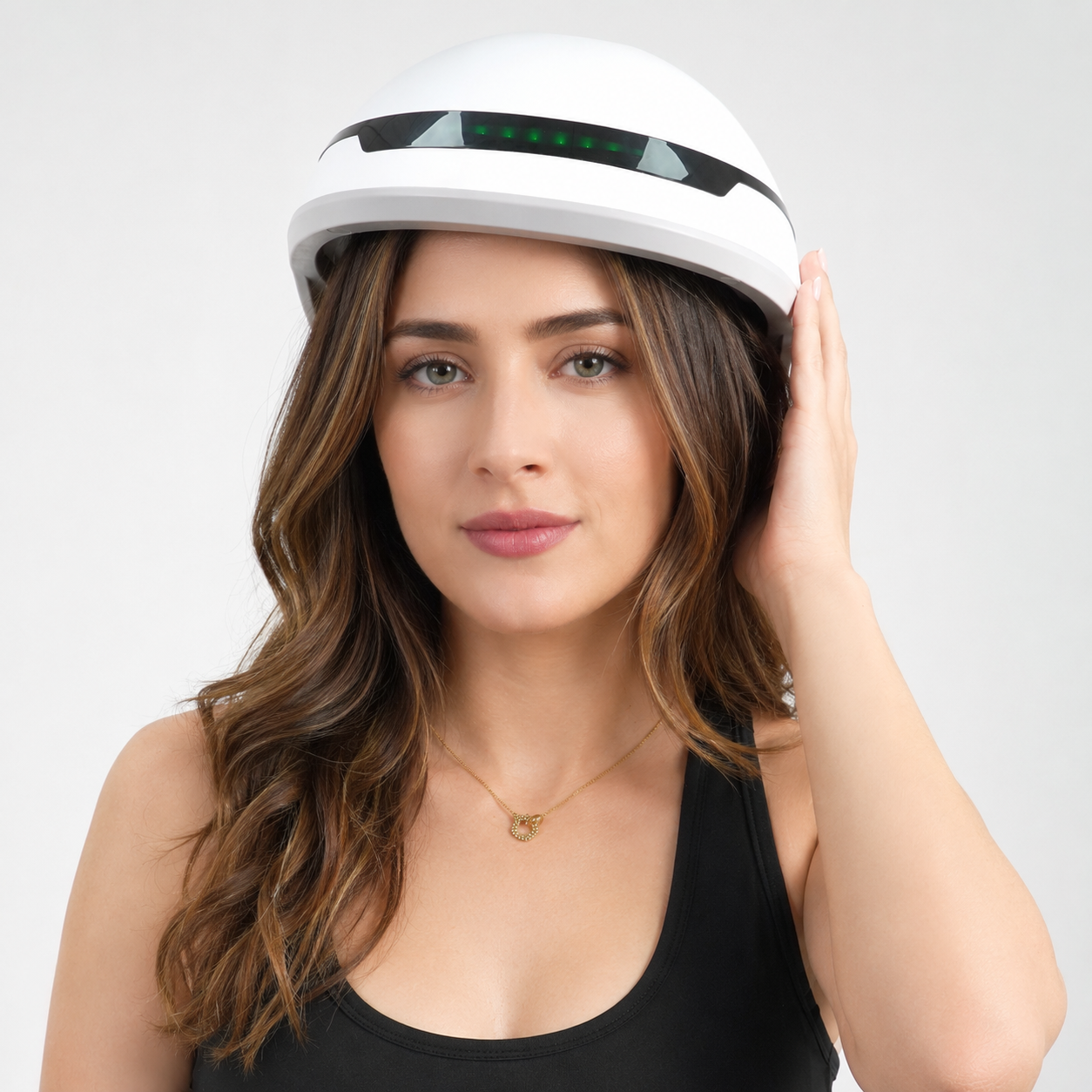
ຫນ້າກາກປິ່ນປົວດ້ວຍແສງສີແດງແຕກຕ່າງກັນຢ່າງກວ້າງຂວາງໃນການອອກແບບແລະຄວາມສະດວກສະບາຍ. ບາງຕົວແບບຕ້ອງສຽບໃສ່, ເຮັດໃຫ້ເຂົາເຈົ້າເຄື່ອນທີ່ໜ້ອຍລົງ ແຕ່ມັກຈະມີລາຄາຖືກກວ່າ. ອັນອື່ນແມ່ນໄຮ້ສາຍ ແລະສາມາດສາກໄຟໄດ້, ທີ່ເຫມາະສົມຖ້າຫາກວ່າທ່ານຕ້ອງການ multitask ຫຼືເດີນທາງກັບອຸປະກອນຂອງທ່ານ.
ການຕັ້ງຄ່າໂມງຈັບເວລາ, ຟັງຊັນປິດອັດຕະໂນມັດ, ແລະຄວາມເຂັ້ມຂຸ້ນທີ່ສາມາດປັບໄດ້ແມ່ນຄຸນສົມບັດທີ່ເປັນປະໂຫຍດ. ລາຍລະອຽດນ້ອຍໆເຫຼົ່ານີ້ສາມາດເຮັດໃຫ້ກອງປະຊຸມຂອງທ່ານສອດຄ່ອງ ແລະສະດວກສະບາຍຫຼາຍຂຶ້ນ.
ຄໍາຖາມທີ່ຖາມເລື້ອຍໆ (FAQs)
ການປິ່ນປົວດ້ວຍແສງສີແດງແມ່ນປອດໄພ?
ແມ່ນແລ້ວ, ການປິ່ນປົວດ້ວຍແສງສີແດງແມ່ນປອດໄພ. “ເນື່ອງຈາກວ່າ LEDs ບໍ່ຜະລິດລັງສີ ultraviolet, ພວກມັນຖືກຖືວ່າເປັນຮູບແບບທີ່ປອດໄພກວ່າຂອງການປິ່ນປົວດ້ວຍແສງ,” ທ່ານດຣ. ແບນແດນແຄມ, ແພດຜິວໜັງ ແລະແພດຜິວໜັງທີ່ໄດ້ຮັບການຢັ້ງຢືນດ້ວຍກະດານຄູ່ກັບ MDCS Dermatology ໃນນິວຢອກ.
ບໍ່, ມັນບໍ່ເຮັດໃຫ້ເກີດມະເຮັງ. ອຸປະກອນປິ່ນປົວດ້ວຍແສງສີແດງບໍ່ປ່ອຍ ultraviolet (UV) ແສງສະຫວ່າງ, ເຊິ່ງເປັນສາເຫດຫຼັກຂອງມະເຮັງຜິວໜັງ. ແລະການສຶກສາໄດ້ສະແດງໃຫ້ເຫັນວ່າອຸປະກອນເຫຼົ່ານີ້ບໍ່ທໍາລາຍ DNA ຫຼືເຮັດໃຫ້ເກີດການກາຍພັນຂອງຈຸລັງຜິວຫນັງຂອງທ່ານ.
ຍັງ, ລົມກັບທ່ານຫມໍຂອງທ່ານຖ້າຫາກວ່າທ່ານກໍາລັງກິນຢາຫຼືມີອາການທີ່ເຮັດໃຫ້ຜິວຫນັງຂອງທ່ານມີຄວາມອ່ອນໄຫວຫຼາຍ. ຖ້າທ່ານກິນຢາໃດໆທີ່ເພີ່ມຄວາມອ່ອນໄຫວຂອງທ່ານຕໍ່ກັບແສງແດດ (ຄືກັບຢາຕ້ານເຊື້ອບາງຊະນິດ, ຢາເສບຕິດ cardiovascular, ຫຼື diuretics), ມີສະພາບຜິວທີ່ເຮັດໃຫ້ເກີດຄວາມອ່ອນໄຫວຂອງແສງ, ຫຼືປະຫວັດຂອງມະເຮັງຜິວຫນັງ, ສົນທະນາກັບແພດຜິວຫນັງຂອງທ່ານກ່ອນທີ່ທ່ານຈະເລີ່ມຕົ້ນໃຊ້ອຸປະກອນການປິ່ນປົວດ້ວຍແສງສີແດງ.
ການປິ່ນປົວດ້ວຍແສງສີແດງມີປະສິດທິພາບແນວໃດ?
ມັນຂຶ້ນກັບຄວາມສອດຄ່ອງຂອງທ່ານແລະນິໄສການດູແລຜິວຫນັງອື່ນໆ. ອຸປະກອນປິ່ນປົວດ້ວຍແສງສີແດງຢູ່ເຮືອນສາມາດປັບປຸງສຸຂະພາບຜິວໄດ້ຢ່າງແນ່ນອນ, ແຕ່ຜົນໄດ້ຮັບອາດຈະຊົ່ວຄາວຂຶ້ນກັບອາຍຸຂອງທ່ານ, ລະດັບແສງຕາເວັນ, ແລະນິໄສເຊັ່ນ: ເຫຼົ້າ ແລະຢາສູບ, ດຣ. Camp ຊີ້ໃຫ້ເຫັນ. ບາງວິທີທີ່ທ່ານສາມາດເພີ່ມຜົນປະໂຫຍດທີ່ເປັນໄປໄດ້ຂອງທ່ານປະກອບມີ:
ການນໍາໃຊ້ຮູບແບບອື່ນໆຂອງການປິ່ນປົວຜິວຫນັງ, ເຊັ່ນອຸປະກອນ microcurrent ແລະ EMS
ປະຕິບັດຕາມປົກກະຕິ, ການດູແລຜິວຫນັງຕ້ານການແກ່ອາຍຸເປັນປົກກະຕິ (SPF ປະຈໍາວັນ, Retinol, ແລະສ່ວນປະກອບຢ່າງຫ້າວຫັນອື່ນໆເຊັ່ນ: ວິຕາມິນ C)
ການນໍາໃຊ້ອຸປະກອນຢ່າງຕໍ່ເນື່ອງ (ດຣ. Camp ເວົ້າວ່າທ່ານຄວນເລີ່ມເຫັນຜົນໄດ້ຮັບຫຼັງຈາກສອງເດືອນຫຼືຫຼາຍກວ່ານັ້ນ)
ໜ້າກາກປິ່ນປົວດ້ວຍແສງສີແດງທີ່ດີທີ່ສຸດແມ່ນຫຍັງ?
ຫນ້າກາກປິ່ນປົວດ້ວຍແສງສີແດງທີ່ດີທີ່ສຸດແມ່ນຂຶ້ນກັບຄວາມຕ້ອງການຂອງທ່ານ, ປະເພດຜິວຫນັງ, ແລະງົບປະມານ. ຊອກຫາອັນໜຶ່ງທີ່ກົງກັບມາດຕະຖານຄວາມຍາວຄື້ນທີ່ຖືກຕ້ອງ, ສະຫນອງ irradiance ພຽງພໍ, ແລະປະກອບມີຄຸນສົມບັດທີ່ສະດວກສະບາຍ ແລະຄວາມປອດໄພທີ່ເໝາະສົມກັບວຽກປະຈຳຂອງເຈົ້າ.