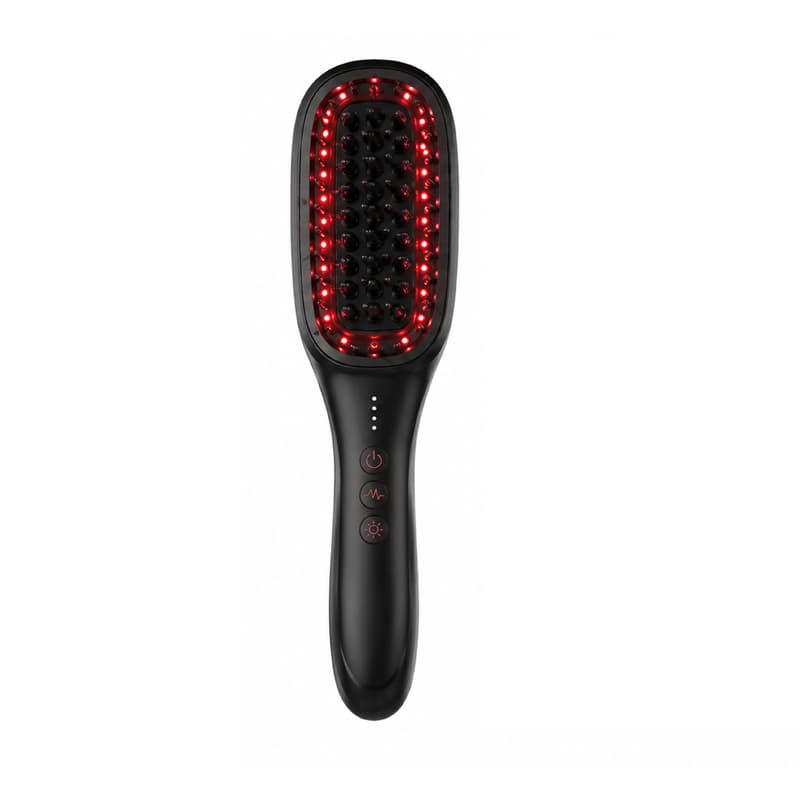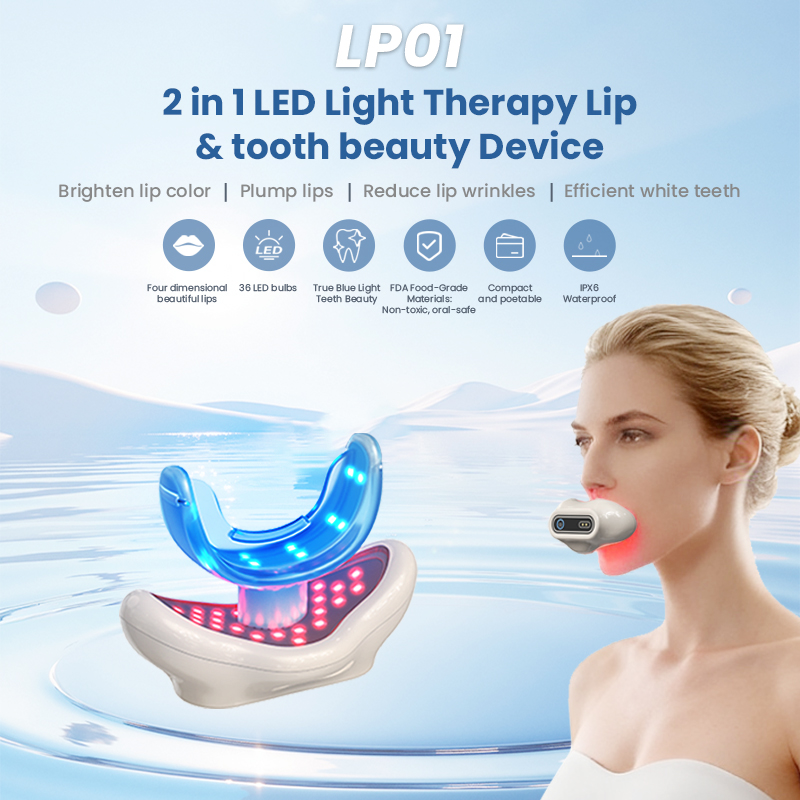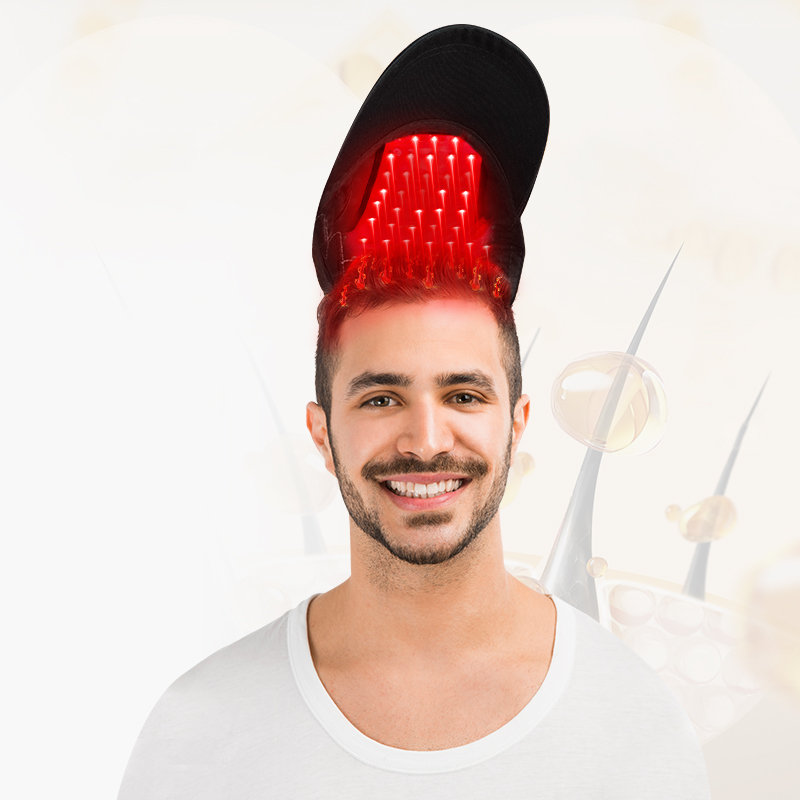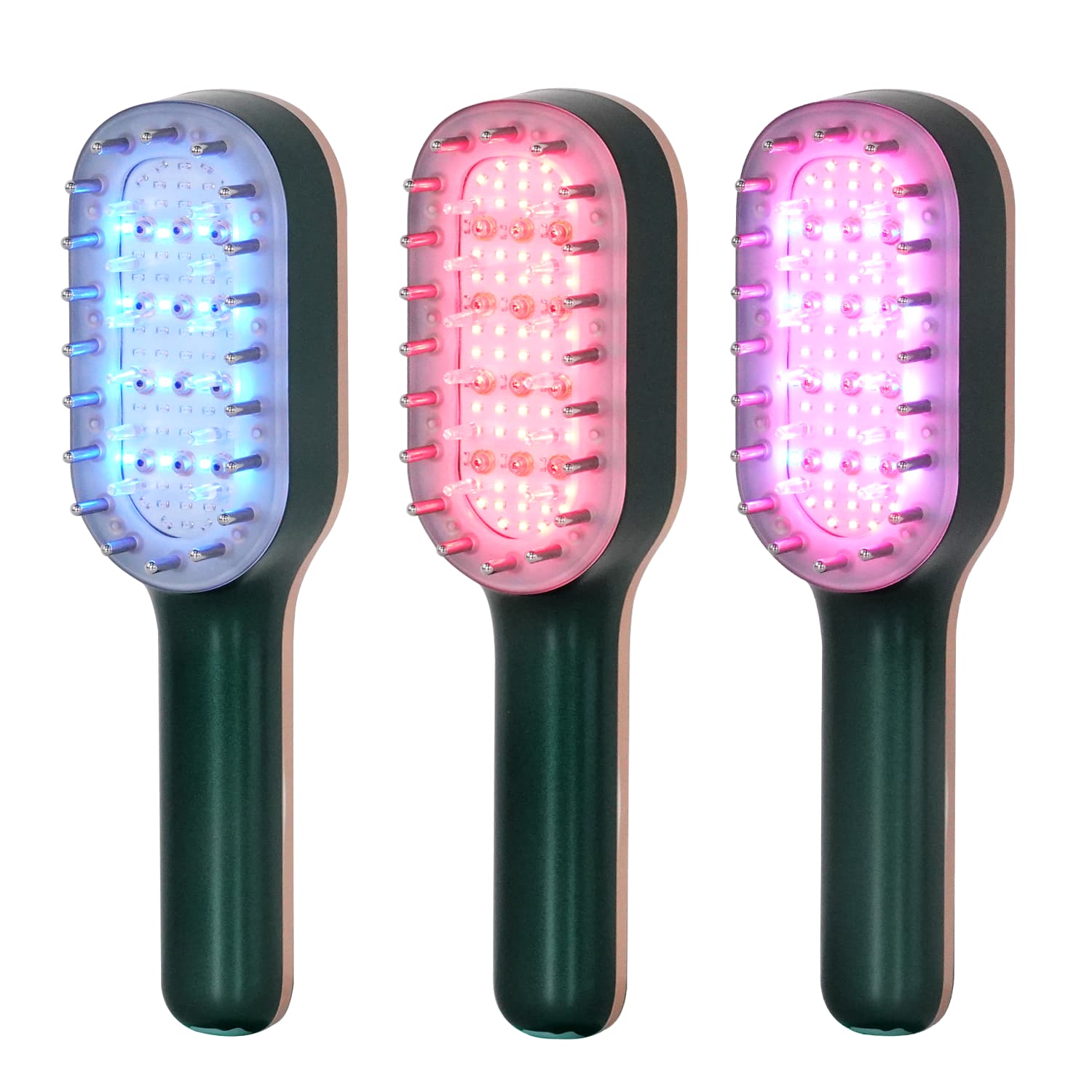
ວິທີການອຸປະກອນການຂະຫຍາຍຕົວຜົມຖືກຈັດປະເພດ
ອຸປະກອນປູກຜົມສ່ວນໃຫຍ່ - ບໍ່ວ່າຈະເປັນຫວີເລເຊີຫຼືລະບົບຫມວກກັນກະທົບເຕັມ - ແມ່ນພິຈາລະນາ ອຸປະກອນການແພດ ໃນຕະຫຼາດໃຫຍ່ຖ້າພວກເຂົາຮຽກຮ້ອງການປິ່ນປົວກ່ຽວກັບການສົ່ງເສີມການເຕີບໂຕຂອງຜົມ. ການຈັດປະເພດນີ້ເຮັດໃຫ້ຄວາມຕ້ອງການດ້ານລະບຽບການເຂັ້ມງວດຫຼາຍກ່ວາເອເລັກໂຕຣນິກການບໍລິໂພກທົ່ວໄປ.
ໃນສະຫະລັດ, FDA ໄດ້ຈັດປະເພດອຸປະກອນເຫຼົ່ານີ້ໂດຍສະເພາະເປັນ ຫ້ອງຮຽນ II, ຮຽກຮ້ອງໃຫ້ເປັນ 510(ກ) ການຍື່ນສະເຫນີ premarket. ໃນປະເທດຈີນ, ອຸປະກອນການຂະຫຍາຍຕົວຜົມ laser ເອເລັກໂຕຣນິກຕົກຢູ່ພາຍໃຕ້ ອຸປະກອນການແພດຊັ້ນ II, ຄວບຄຸມໂດຍ NMPA ກັບຄວາມຕ້ອງການລົງທະບຽນສະເພາະ. ໃນ EU, ອຸປະກອນທີ່ມີການຮຽກຮ້ອງທາງການແພດຕົກຢູ່ພາຍໃຕ້ກົດລະບຽບອຸປະກອນທາງການແພດ (MDR) 2017/745, ໃນຂະນະທີ່ເຖິງແມ່ນວ່າຜູ້ທີ່ບໍ່ມີການຮຽກຮ້ອງທາງການແພດອາດຈະຖືກຈັບພາຍໃຕ້ເອກະສານຊ້ອນ XVI ເປັນອຸປະກອນກ່ຽວກັບຄວາມງາມ.
ຄວາມເຂົ້າໃຈໃນກອບການຈັດປະເພດນີ້ແມ່ນຂັ້ນຕອນທໍາອິດ. ດຽວນີ້, ໃຫ້ພວກເຮົາຍ່າງຜ່ານສິ່ງທີ່ທ່ານຕ້ອງການສໍາລັບແຕ່ລະຕະຫຼາດ.
ສະຫະລັດ: FDA ແລະ Beyond
FDA 510(ກ) ການເກັບກູ້ (The Non-negotiable)
ອົງການອາຫານແລະຢາຄວບຄຸມອຸປະກອນ laser ການຂະຫຍາຍຕົວຜົມເປັນ ອຸປະກອນການແພດຊັ້ນ II ດ້ວຍລະຫັດຜະລິດຕະພັນ OAP, ຕົກຢູ່ພາຍໃຕ້ຈໍານວນລະບຽບການ 21 CFR 890.5500. ກ 510(ກ) ການຍື່ນສະເຫນີໂດຍປົກກະຕິແມ່ນຈໍາເປັນເພື່ອສະແດງໃຫ້ເຫັນວ່າອຸປະກອນຂອງທ່ານແມ່ນ ທຽບເທົ່າຢ່າງຫຼວງຫຼາຍ ກັບອຸປະກອນ predicate ທີ່ຕະຫຼາດຖືກກົດໝາຍຢູ່ຕະຫຼາດສະຫະລັດແລ້ວ.
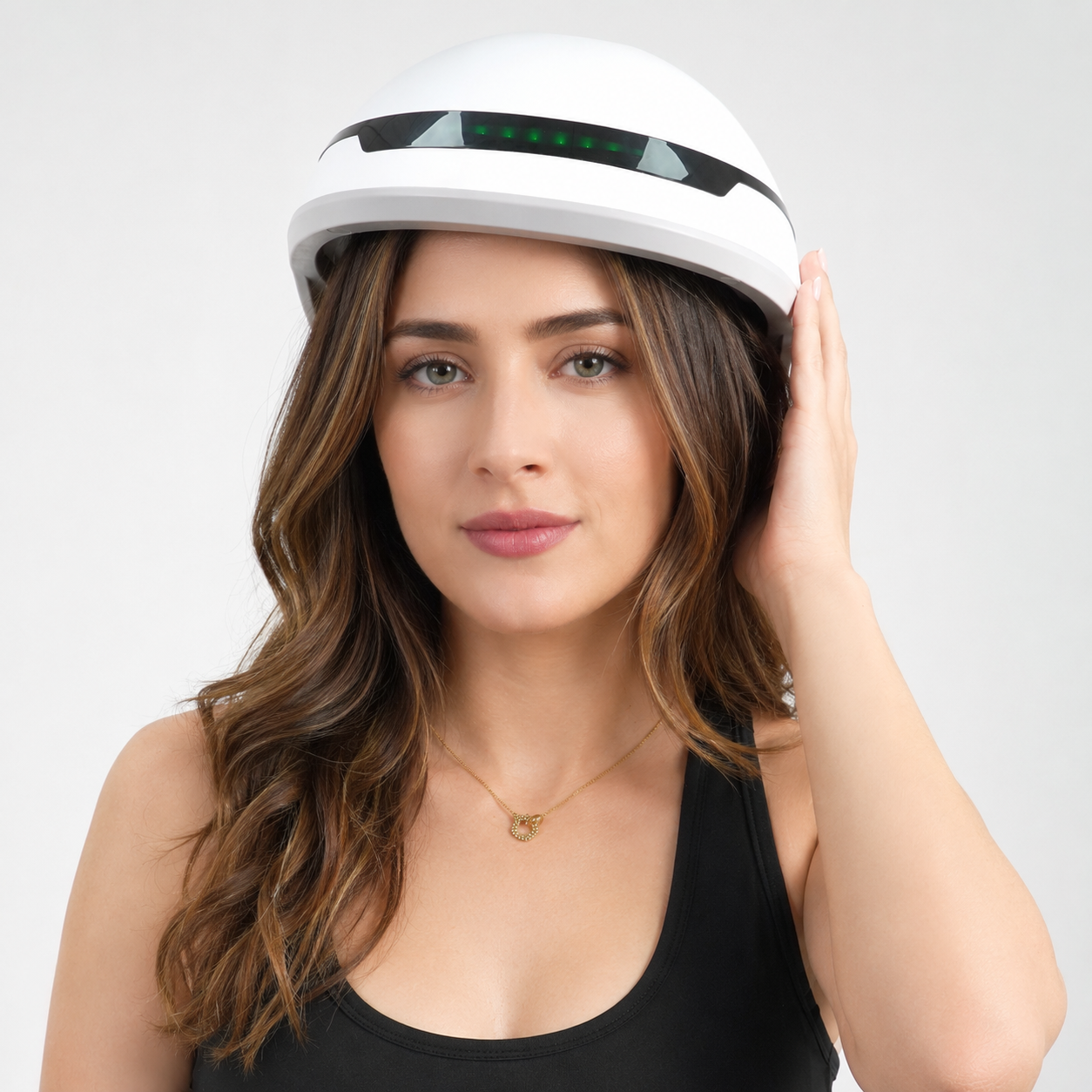
ນີ້ຫມາຍຄວາມວ່າແນວໃດໃນການປະຕິບັດ? ເບິ່ງຕົວຢ່າງທີ່ຜ່ານມາ. FAQ ຂອງ Foreo 302 ອຸປະກອນມືຖື - ທີ່ໃຊ້ 20 ໄດໂອດເລເຊີ (650± 10nm) ແລະ 20 ລູກປັດ LED ສີແດງ - ໄດ້ຮັບຢ່າງສໍາເລັດຜົນ 510(ກ) ການເກັບກູ້ໃນເດືອນທັນວາ 2024, ອີງໃສ່ການທົດສອບ bench ເທົ່ານັ້ນ, ໂດຍບໍ່ຈໍາເປັນຕ້ອງມີການທົດລອງທາງດ້ານການຊ່ວຍ. ເຊັ່ນດຽວກັນ, CapillusX ແລະ CapillusX+ ໝວກກັນກະທົບທີ່ໃສ່ໄດ້ດ້ວຍເລເຊີ, ການນໍາໃຊ້ 112 ຫຼື 244 ເລເຊີ diode ສີແດງ (650ນມ) ສໍາລັບການນໍາໃຊ້ເຮືອນ, ໄດ້ຮັບຂອງເຂົາເຈົ້າ 510(ກ) ໃນເດືອນກັນຍາ 2019, ຍັງອີງໃສ່ການທຽບເທົ່າຢ່າງຫຼວງຫຼາຍແທນທີ່ຈະເປັນການສືບສວນທາງດ້ານຄລີນິກ de novo.
ທີ່ສໍາຄັນ takeaway: ຖ້າອຸປະກອນຂອງທ່ານມີຄວາມຄ້າຍຄືກັນທາງດ້ານວິຊາການກັບອຸປະກອນທີ່ຖືກລຶບລ້າງທີ່ມີຢູ່ແລ້ວ, ໄດ້ 510(ກ) ເສັ້ນທາງແມ່ນເປັນໄປໄດ້ໂດຍບໍ່ມີການທົດລອງທາງດ້ານຄລີນິກລາຄາແພງ. ນີ້ແມ່ນເຫດຜົນທີ່ວ່າການເຮັດວຽກກັບຜູ້ຜະລິດ OEM ທີ່ມີປະສົບການເຊັ່ນ PureLuxtech - ເຊິ່ງຊຸດຫມວກກັນກະທົບໄດ້ຖືກສ້າງຂື້ນໃນສະຖາປັດຕະຍະກໍາທີ່ຖືກລ້າງໂດຍ FDA - ສາມາດເຮັດໃຫ້ໄລຍະເວລາການໄປຕະຫຼາດຂອງທ່ານສັ້ນລົງຢ່າງຫຼວງຫຼາຍ..
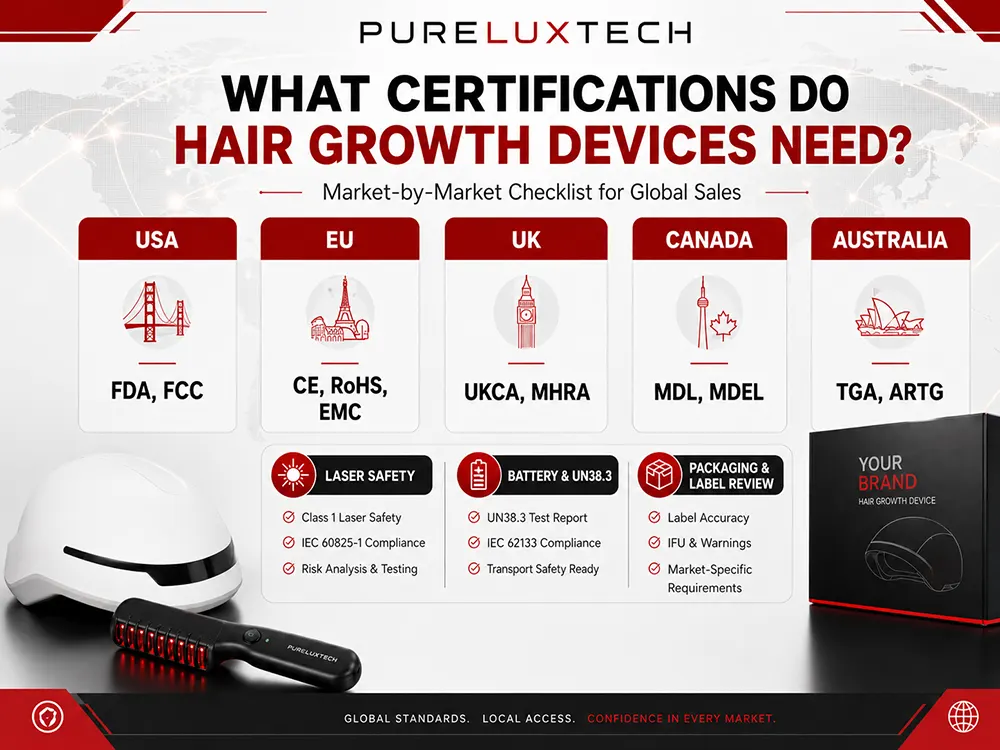
ຄວາມປອດໄພຂອງລັງສີເລເຊີ (21 ສ່ວນ CFR 1040)
ໂດຍບໍ່ສົນເລື່ອງການຈັດປະເພດທາງການແພດ, ຜະລິດຕະພັນເລເຊີທັງໝົດທີ່ເຂົ້າມາໃນສະຫະລັດຕ້ອງປະຕິບັດຕາມ 21 ສ່ວນ CFR 1040.10/1040.11 (ຄວາມປອດໄພຂອງລັງສີ). ນີ້ກ່ຽວຂ້ອງກັບການວັດແທກພະລັງງານ laser, ການຢັ້ງຢືນຄວາມຍາວຄື້ນ, ແລະການທົດສອບຄວາມປອດໄພ interlock ດໍາເນີນໂດຍຫ້ອງທົດລອງທີ່ໄດ້ຮັບການຍອມຮັບຈາກ FDA. ອຸປະກອນຂອງທ່ານຈະຕ້ອງມີປ້າຍຈັດປະເພດເລເຊີທີ່ເຫມາະສົມ (ປົກກະຕິແລ້ວ Class 3R ສໍາລັບອຸປະກອນການຂະຫຍາຍຕົວຜົມ) ຕໍ່ IEC 60825-1, ແລະບົດລາຍງານນີ້ແມ່ນຕ້ອງການສໍາລັບການເກັບພາສີແລະລາຍຊື່ Amazon.
ການຂຶ້ນທະບຽນສິ່ງອໍານວຍຄວາມສະດວກຂອງ FDA ແລະລາຍການຜະລິດຕະພັນ
ເຖິງແມ່ນວ່າຫຼັງຈາກໄດ້ຮັບ 510(ກ) ການເກັບກູ້, ຜູ້ຜະລິດຂອງທ່ານຕ້ອງເຮັດສໍາເລັດ ການລົງທະບຽນສະຖານທີ່ FDA ແລະລາຍການຜະລິດຕະພັນ. ວິຈານ, ການລົງທະບຽນ FDA ຕ້ອງໄດ້ຮັບການຕໍ່ອາຍຸທຸກໆປີໃນລະຫວ່າງເດືອນກໍລະກົດ 1 ແລະວັນທີ 1 ກັນຍາ—ການລົງທະບຽນໝົດອາຍຸໝາຍຄວາມວ່າຜະລິດຕະພັນຂອງທ່ານສູນເສຍການເຂົ້າເຖິງຕະຫຼາດສະຫະລັດ. ຍີ່ຫໍ້ຫຼືຜູ້ນໍາເຂົ້າຂອງທ່ານມີຄວາມຮັບຜິດຊອບຕໍ່ການຕໍ່ອາຍຸເວັ້ນເສຍແຕ່ວ່າການມອບຫມາຍໃຫ້ຜູ້ສະຫນອງຂອງທ່ານເປັນສ່ວນຫນຶ່ງຂອງຂໍ້ຕົກລົງປ້າຍສີຂາວ. ຕົວແປທີ່ຖືກອະນາໄມໂດຍ FDA ຂອງ PureLuxtech ສະຫນອງຄວາມສະຫງົບຂອງຈິດໃຈສໍາລັບຍີ່ຫໍ້ທີ່ນໍາໃຊ້ການລົງທະບຽນທີ່ມີຢູ່ຂອງພວກເຂົາ..
ການຢັ້ງຢືນ FCC (ສໍາລັບເອເລັກໂຕຣນິກທີ່ມີຟັງຊັນໄຮ້ສາຍ)
ອຸປະກອນປູກຜົມທີ່ໃຊ້ Bluetooth, Wi-Fi, ຫຼືການສື່ສານໄຮ້ສາຍຕ້ອງການ ການຢັ້ງຢືນ FCC ພາຍໃຕ້ພາກສ່ວນ 15. ນີ້ກວມເອົາການທົດສອບການລົບກວນແມ່ເຫຼັກໄຟຟ້າເພື່ອຮັບປະກັນວ່າອຸປະກອນຂອງທ່ານບໍ່ລົບກວນອຸປະກອນເອເລັກໂຕຣນິກອື່ນໆ. ເນື່ອງຈາກວ່າເກືອບທຸກຫມວກເລເຊີທີ່ທັນສະໄຫມປະກອບມີການເຊື່ອມຕໍ່ app ສໍາລັບການຕິດຕາມການນໍາໃຊ້, ການປະຕິບັດຕາມ FCC ແມ່ນເກືອບສະເຫມີຕ້ອງການ. ຂະບວນການຢັ້ງຢືນຮຽກຮ້ອງໃຫ້ມີການທົດສອບໂດຍຫ້ອງທົດລອງທີ່ໄດ້ຮັບການຍອມຮັບ FCC ແລະສົ່ງບົດລາຍງານດ້ານວິຊາການ.
ສະຫະພາບເອີຣົບ: CE Marking ພາຍໃຕ້ MDR
ກົດລະບຽບຂອງ EU ສໍາລັບອຸປະກອນການເຕີບໃຫຍ່ຂອງຜົມໄດ້ກາຍເປັນຄວາມເຂັ້ມງວດຢ່າງຫຼວງຫຼາຍນັບຕັ້ງແຕ່ກົດລະບຽບອຸປະກອນການແພດ (MDR) 2017/745 ມີຜົນເຕັມທີ່. ຄຳສັ່ງອຸປະກອນການແພດແບບເກົ່າ (MDD) ໃບຢັ້ງຢືນກຳລັງຖືກຕັດອອກ, ກັບເສັ້ນຕາຍຂອງການປ່ຽນແປງທີ່ສິ້ນສຸດລົງລະຫວ່າງ 2027 ແລະ 2029 ຂຶ້ນກັບລະດັບຄວາມສ່ຽງຂອງອຸປະກອນ.
ຖ້າເຈົ້າຮຽກຮ້ອງທາງການແພດ
ຖ້າອຸປະກອນຂອງທ່ານຕັ້ງໃຈສົ່ງເສີມການເຕີບໂຕຂອງຜົມຫຼືປິ່ນປົວ alopecia androgenetic ດ້ວຍຜົນໄດ້ຮັບທາງດ້ານການຊ່ວຍສະເພາະ, ມັນຈະຖືກຈັດປະເພດເປັນ ອຸປະກອນການແພດ ພາຍໃຕ້ MDR. ການຈັດປະເພດທົ່ວໄປສໍາລັບອຸປະກອນການຂະຫຍາຍຕົວຜົມທີ່ໃຊ້ໃນເຮືອນຕົກຢູ່ໃນ ຫ້ອງຮຽນ IIa ຫຼື IIb ຂຶ້ນກັບລະດັບພະລັງງານແລະການຮຸກຮານ.
ເພື່ອໃຫ້ໄດ້ເຄື່ອງໝາຍ CE ເປັນອຸປະກອນການແພດ, ຜູ້ຜະລິດຂອງເຈົ້າຕ້ອງ:
-
ປະຕິບັດ ກ ລະບົບການຄຸ້ມຄອງຄຸນນະພາບ ສອດຄ່ອງກັບ ISO 13485:2016.
-
ກະກຽມ ເອກະສານດ້ານວິຊາການ ລວມທັງການຄຸ້ມຄອງຄວາມສ່ຽງ, ການທົດສອບຄວາມເຂົ້າກັນໄດ້ທາງຊີວະພາບ (ISO 10993), ຄວາມປອດໄພໄຟຟ້າ (IEC 60601 ຊຸດ), ແລະການກວດສອບຊອບແວຖ້າມີ.
-
ມີສ່ວນຮ່ວມ ກ ຮ່າງກາຍແຈ້ງການ (ເຊັ່ນ TÜV, DNV, ຫຼື BSI) ເພື່ອກວດສອບໄຟລ໌ດ້ານວິຊາການຂອງທ່ານແລະອອກໃບຢັ້ງຢືນ CE.
-
ກະກຽມ ກ ບົດລາຍງານການປະເມີນຜົນທາງດ້ານການຊ່ວຍ (CER) ເພື່ອສະແດງໃຫ້ເຫັນຄວາມປອດໄພແລະການປະຕິບັດ - ອາດຈະຮຽກຮ້ອງໃຫ້ມີການສືບສວນທາງດ້ານຄລີນິກຖ້າບໍ່ມີຂໍ້ມູນວັນນະຄະດີພຽງພໍຫຼືທຽບເທົ່າ..
ຖ້າທ່ານຫຼີກເວັ້ນການຮຽກຮ້ອງທາງການແພດ (ເອກະສານຊ້ອນທ້າຍ XVI ຜະລິດຕະພັນຄວາມງາມ)
ນີ້ແມ່ນຈັ່ນຈັບເຈົ້າຂອງຍີ່ຫໍ້ຈໍານວນຫຼາຍຕົກເຂົ້າໄປໃນ: ການຕິດສະຫຼາກອຸປະກອນຂອງທ່ານເປັນ "ເຄື່ອງສໍາອາງ" ບໍ່ໄດ້ຍົກເວັ້ນທ່ານຈາກ MDR. ໃນເດືອນມິຖຸນາ 23, 2023, ເຖິງແມ່ນວ່າອຸປະກອນທີ່ບໍ່ມີຈຸດປະສົງທາງການແພດ - ລວມທັງ laser ແລະອຸປະກອນ LED ສໍາລັບການໂຍກຍ້າຍຜົມຫຼືການປິ່ນປົວຜິວຫນັງອື່ນໆ— ຖືກຈັບພາຍໃຕ້ການ ເອກະສານຊ້ອນທ້າຍ XVI ຂອງ MDR ແລະຕ້ອງປະຕິບັດຕາມ. "ຜະລິດຕະພັນຄວາມງາມ" ເຫຼົ່ານີ້ຈະຕ້ອງມີເຄື່ອງຫມາຍ CE ແລະຕອບສະຫນອງຄວາມຕ້ອງການທີ່ສໍາຄັນເຊັ່ນດຽວກັນກັບອຸປະກອນທາງການແພດ, ລວມທັງການປະເມີນຄວາມສອດຄ່ອງໂດຍຜ່ານອົງການແຈ້ງການ. ຄວາມແຕກຕ່າງພຽງແຕ່ວ່າການຫຸ້ມຫໍ່ຕ້ອງລະບຸຢ່າງຊັດເຈນວ່າ "ບໍ່ມີຈຸດປະສົງທາງການແພດ." ເສັ້ນຕາຍການປ່ຽນແປງສໍາລັບອຸປະກອນເອກະສານ XVI ແມ່ນເດືອນມັງກອນ 1, 2027 ສໍາລັບການລົງນາມຂໍ້ຕົກລົງຂອງຮ່າງກາຍແຈ້ງການ, ດ້ວຍການຢັ້ງຢືນ CE ສຸດທ້າຍທີ່ຕ້ອງການໃນເດືອນທັນວາ 31, 2028 ສໍາລັບອຸປະກອນທີ່ບໍ່ຮຽກຮ້ອງໃຫ້ມີການສືບສວນທາງດ້ານການຊ່ວຍ.
RoHS ແລະ REACH (ບັງຄັບສໍາລັບທຸກເອເລັກໂຕຣນິກ)
ຜະລິດຕະພັນທີ່ມີເຄື່ອງຫມາຍ CE ທັງຫມົດຕ້ອງປະຕິບັດຕາມ RoHS (ຂໍ້ຈຳກັດຂອງສານອັນຕະລາຍ), ເຊິ່ງຈໍາກັດການນໍາ, ແຄດເມຍ, mercury, ແລະສານອັນຕະລາຍອື່ນໆໃນອົງປະກອບໄຟຟ້າ, ແລະ ເຂົ້າເຖິງ, ເຊິ່ງຈຳກັດສານທີ່ໜ້າເປັນຫ່ວງຫຼາຍ (SVHC) ໃນລະບົບຕ່ອງໂສ້ການສະຫນອງ. ເຫຼົ່ານີ້ແມ່ນບໍ່ສາມາດເຈລະຈາໄດ້ສໍາລັບອຸປະກອນເອເລັກໂຕຣນິກໃດໆທີ່ເຂົ້າມາໃນ EU.
ເຄື່ອງຫມາຍ UKCA (ສະຫະລາຊະອານາຈັກ)
ນັບຕັ້ງແຕ່ Brexit, ອັງກິດຮຽກຮ້ອງ UKCA (ການປະເມີນຄວາມສອດຄ່ອງຂອງອັງກິດ) ເຄື່ອງຫມາຍ ສໍາລັບຜະລິດຕະພັນສ່ວນໃຫຍ່ເຂົ້າໄປໃນອັງກິດ (ປະເທດອັງກິດ, ສະກັອດແລນ, Wales). ໃນຂະນະທີ່ເຄື່ອງໝາຍ CE ຍັງຖືກຍອມຮັບສໍາລັບບາງປະເພດຜະລິດຕະພັນໃນໄລຍະການປ່ຽນແປງ, ການຢັ້ງຢືນໃຫມ່ຄວນວາງແຜນສໍາລັບການປະຕິບັດຕາມ UKCA ຜ່ານອົງການອະນຸມັດທີ່ໄດ້ຮັບການຍອມຮັບຈາກອັງກິດ. ໄອແລນເໜືອຍັງສືບຕໍ່ຮັບເອົາເຄື່ອງໝາຍ CE ພາຍໃຕ້ຂອບ Windsor.
ຈີນ: ການລົງທະບຽນ NMPA
ຕະຫຼາດຈີນ - ຫນຶ່ງໃນການຂະຫຍາຍຕົວໄວທີ່ສຸດສໍາລັບອຸປະກອນການຂະຫຍາຍຕົວຜົມ - ຕ້ອງການ NMPA (ການບໍລິຫານຜະລິດຕະພັນທາງການແພດແຫ່ງຊາດ) ການລົງທະບຽນ ສໍາລັບຜະລິດຕະພັນການຂະຫຍາຍຕົວຜົມ laser ເອເລັກໂຕຣນິກ. ອີງຕາມຂໍ້ແນະນໍາລະບຽບການໃນປັດຈຸບັນ, ອຸປະກອນເຫຼົ່ານີ້ຖືກຈັດປະເພດເປັນ ອຸປະກອນການແພດຊັ້ນ II (ລະຫັດປະເພດ 09-03).
ຄວາມຕ້ອງການການທົດສອບດ້ານວິຊາການ
ອຸປະກອນຂອງທ່ານຕ້ອງຜ່ານການທົດສອບທີ່ສົມບູນແບບໂດຍຜ່ານຫ້ອງທົດລອງຮັບຮູ້ NMPA:
-
ຄວາມປອດໄພທາງໄຟຟ້າ: GB 9706.1-2020 (ຈີນຮັບຮອງເອົາ IEC 60601-1).
-
EMC (ຄວາມເຂົ້າກັນໄດ້ຂອງແມ່ເຫຼັກໄຟຟ້າ): ປປ 9706.102-2021.
-
ຄວາມປອດໄພຂອງເລເຊີ: GB/T 7247.1-2024 (ທຽບເທົ່າກັບ IEC 60825-1).
-
ຄວາມເຂົ້າກັນໄດ້ທາງຊີວະພາບ: ການທົດສອບສໍາລັບ cytotoxicity, ການລະຄາຍເຄືອງຜິວຫນັງ, ແລະຄວາມອ່ອນໄຫວ, ເນື່ອງຈາກອຸປະກອນຕິດຕໍ່ໂດຍກົງກັບຫນັງຫົວ.
ເສັ້ນທາງການປະເມີນຜົນທາງດ້ານຄລີນິກ
ການປະເມີນຜົນທາງດ້ານຄລີນິກສໍາລັບອຸປະກອນການຂະຫຍາຍຕົວຜົມເລເຊີໃນປະເທດຈີນໂດຍທົ່ວໄປສາມາດດໍາເນີນການໄດ້ ການປຽບທຽບປະເພດດຽວກັນ (ທຽບເທົ່າ) ແທນທີ່ຈະເປັນການທົດລອງທາງດ້ານຄລີນິກຢ່າງເຕັມທີ່, ສະຫນອງໃຫ້ທ່ານສາມາດກໍານົດອຸປະກອນ predicate ທີ່ລົງທະບຽນແລ້ວໃນປະເທດຈີນ. ສຳລັບອຸປະກອນທີ່ມີເທັກໂນໂລຍີໃໝ່ທີ່ບໍ່ໄດ້ວາງຂາຍໃນປະເທດຈີນເມື່ອກ່ອນ, ການສືບສວນທາງດ້ານຄລີນິກອາດຈະຕ້ອງການ.
ການຢັ້ງຢືນ CCC
ຖ້າອຸປະກອນຂອງທ່ານປະກອບມີອົງປະກອບການສະຫນອງພະລັງງານ AC, ເຊິ່ງເຄື່ອງຊາດສ່ວນໃຫຍ່ສໍາລັບຫມວກປູກຜົມເຮັດ, ທ່ານອາດຈະຕ້ອງການ CCC (ການຢັ້ງຢືນການບັງຄັບຂອງຈີນ) ສໍາລັບບາງດ້ານຄວາມປອດໄພດ້ານໄຟຟ້າ, ໂດຍສະເພາະສໍາລັບຫົວຫນ່ວຍອະແດບເຕີພະລັງງານ.
ການາດາ: Health Canada ແລະ MDSAP Mandate
ຄວາມຕ້ອງການ MDSAP (ບໍ່ສາມາດຕໍ່ລອງໄດ້)
ສໍາລັບຫ້ອງຮຽນ II, III, ແລະອຸປະກອນທາງການແພດ IV ໃນການາດາ, ໃບຢັ້ງຢືນ MDSAP ແມ່ນ ບັງຄັບ- ISO 13485 ໃບຢັ້ງຢືນຢ່າງດຽວແມ່ນບໍ່ໄດ້ຮັບການຍອມຮັບ. MDSAP (ອຸປະກອນການແພດໂຄງການກວດສອບດຽວ) ລວມ ISO 13485:2016 ຂໍ້ກໍານົດກັບຂໍ້ກໍານົດລະບຽບການປະເທດສະເພາະສໍາລັບການາດາ, ສະຫະລັດ, ບຣາຊິນ, ອອສເຕຣເລຍ, ແລະຍີ່ປຸ່ນເຂົ້າໄປໃນດຽວ, ການກວດສອບທີ່ສົມບູນແບບ.
ຖ້າຜູ້ຜະລິດຂອງທ່ານຖືໃບຢັ້ງຢືນ MDSAP, ການກວດສອບຄັ້ງດຽວສາມາດຕອບສະ ໜອງ ຄວາມຕ້ອງການດ້ານກົດລະບຽບໃນທົ່ວຫ້າຕະຫຼາດໃຫຍ່ພ້ອມໆກັນ. ນີ້ເປັນປະໂຫຍດປະສິດທິຜົນທີ່ສໍາຄັນ—ການກວດສອບຫນຶ່ງແທນທີ່ຈະເປັນຫ້າການກວດກາລະດັບຊາດແຍກຕ່າງຫາກ. ຕັ້ງແຕ່ເດືອນມັງກອນ 2023, ການາດາໄດ້ຮຽກຮ້ອງໃຫ້ມີຫ້ອງຮຽນ II ທັງຫມົດ, III, ແລະຜູ້ຂໍໃບອະນຸຍາດອຸປະກອນທາງການແພດ IV ເພື່ອຖືໃບຢັ້ງຢືນ MDSAP ທີ່ຖືກຕ້ອງ, ຕາງໜ້າໃຫ້ສິດອຳນາດທີ່ເຂັ້ມງວດທີ່ສຸດໃນບັນດາບັນດາປະເທດສະມາຊິກ MDSAP.
ການທົດສອບສະເພາະຂອງການາດາ
ນອກຈາກນັ້ນ, ອຸປະກອນໄຟຟ້າຕ້ອງປະຕິບັດຕາມ CAN/CSA-C22.2 No. 60601-1 ສໍາລັບຄວາມປອດໄພອຸປະກອນໄຟຟ້າທາງການແພດ (ປະສົມກົມກຽວກັບ IEC 60601-1). ການທົດສອບຄວາມເຂົ້າກັນໄດ້ທາງຊີວະພາບຕ້ອງອ້າງອີງ ISO 10993 ມາດຕະຖານປັບປຸງສໍາລັບຄວາມຕ້ອງການຂອງການາດາ.
ອອສເຕຣເລຍ: ການປະເມີນຄວາມສອດຄ່ອງຂອງ TGA
ການບໍລິຫານສິນຄ້າປິ່ນປົວ (TGA) ຄວບຄຸມອຸປະກອນທາງການແພດໃນອົດສະຕາລີ. TGA ດໍາເນີນການທົບທວນ desktop ຂອງຊຸດການກວດສອບ MDSAP ແທນທີ່ຈະເປັນການກວດສອບເວັບໄຊທ໌. ບົດລາຍງານການກວດສອບຕ້ອງສະແດງໃຫ້ເຫັນຄວາມສອດຄ່ອງກັບຂໍ້ກໍານົດລະບຽບການສະເພາະຂອງອົດສະຕາລີ, ແລະຜູ້ຜະລິດປົກກະຕິແລ້ວເຮັດວຽກຜ່ານຜູ້ສະຫນັບສະຫນູນຫຼືຕົວແທນທ້ອງຖິ່ນ.
ອຸປະກອນຖືກຈັດປະເພດພາຍໃຕ້ຂໍ້ແນະນຳກົດລະບຽບຂອງອົດສະຕຣາລີສຳລັບອຸປະກອນການແພດ (ARGMD), ສອດຄ່ອງກັບກອບ GHTF. ຜູ້ນໍາເຂົ້າຕ້ອງຍື່ນຄໍາຮ້ອງຜ່ານປະຕູຜູ້ສະຫນັບສະຫນູນອົດສະຕາລີແລະອາດຈະຮຽກຮ້ອງໃຫ້ມີການລວມຢູ່ໃນການລົງທະບຽນອົດສະຕາລີຂອງສິນຄ້າປິ່ນປົວ. (ARTG). ການຢັ້ງຢືນຈາກ TGA-recognized Notified Bodies (ລວມທັງ MDSAP ທີ່ໄດ້ຮັບການຮັບຮອງ) ໄດ້ຮັບການຍອມຮັບໂດຍທົ່ວໄປ.
ຍີ່ປຸ່ນ: PMDA ແລະ MHLW
ອົງການຢາ ແລະອຸປະກອນການແພດ (PMDA)
ຍີ່ປຸ່ນຄວບຄຸມອຸປະກອນການແພດຜ່ານອົງການການຢາ ແລະອຸປະກອນການແພດ (PMDA) ແລະກະຊວງສາທາລະນະສຸກ, ແຮງງານ ແລະສະຫວັດດີການ (MHLW). ອຸປະກອນຖືກຈັດປະເພດເປັນ Class I (ທົ່ວໄປ), ຫ້ອງຮຽນ II (ຄວບຄຸມ), ຊັ້ນ III (ຄວບຄຸມໂດຍສະເພາະ), ແລະຊັ້ນ IV (ຄວບຄຸມສູງ). ອຸປະກອນເລເຊີການເຕີບໃຫຍ່ຂອງຜົມມັກຈະຕົກຢູ່ໃນ ຫ້ອງຮຽນ II.
ການຮັບຮູ້ MDSAP
ຍີ່ປຸ່ນນຳໃຊ້ MDSAP ເປັນເຄື່ອງມືສະໜັບສະໜູນໃນຂະບວນການກວດກາລະບຽບການ. PMDA ທົບທວນອຸປະກອນທາງການແພດທີ່ກໍານົດໂດຍ MHLW ໂດຍໃຊ້ໃບຢັ້ງຢືນ MDSAP ເປັນສ່ວນຫນຶ່ງຂອງຄໍາຮ້ອງສະຫມັກ. ແນວໃດກໍ່ຕາມ, ກ ການລົງທະບຽນຜູ້ຜະລິດຕ່າງປະເທດ (FMR) ຍັງຕ້ອງການ, ພ້ອມກັບການຕິດສະຫຼາກພາສາຍີ່ປຸ່ນ - ລາຍລະອຽດທີ່ອາດຈະຕ້ອງສົ່ງເປັນພາສາຍີ່ປຸ່ນ. ການລົງທະບຽນຍັງຕ້ອງການຜູ້ຖືການອະນຸຍາດການຕະຫຼາດທີ່ກໍານົດ (D-MAH) ອີງໃສ່ປະເທດຍີ່ປຸ່ນສໍາລັບປະເພດຜະລິດຕະພັນຈໍານວນຫຼາຍ. ໃນປະຫວັດສາດ, ຍີ່ປຸ່ນເປັນຕະຫຼາດທີ່ຊັບຊ້ອນຂອງບັນດາຜູ້ຜະລິດຕ່າງປະເທດ, ແຕ່ການສອດຄ່ອງກັບຜູ້ຜະລິດທີ່ໄດ້ຮັບການຢັ້ງຢືນ MDSAP ເຊັ່ນ PureLuxtech ຊ່ວຍປັບປຸງຂະບວນການ.
ຕະຫຼາດສາກົນອື່ນໆ
-
ບຣາຊິນ: ANVISA ໃຊ້ MDSAP ແທນການກວດກາ GMP ກ່ອນຕະຫຼາດປົກກະຕິ. ການຢັ້ງຢືນຂະຫຍາຍອາຍຸໃບຢັ້ງຢືນ GMP ຈາກປະມານສອງປີເຖິງສີ່ປີ, ສະຫນອງການບັນເທົາທຸກທີ່ສໍາຄັນສໍາລັບຜູ້ຜະລິດ.
-
ເກົາຫຼີ: ການລົງທະບຽນ MFDS ຮຽກຮ້ອງໃຫ້ມີການຍື່ນສະເຫນີເອກະສານດ້ານວິຊາການແລະອາດຈະຮຽກຮ້ອງໃຫ້ມີການທົດສອບໃນທ້ອງຖິ່ນ. ເກົາຫຼີ ແມ່ນຜູ້ສັງເກດການຢ່າງເປັນທາງການຂອງ MDSAP ແລະ ພວມອີງໃສ່ຜົນການກວດກາຂອງ MDSAP.
-
ອາຊີຕາເວັນອອກສ່ຽງໃຕ້: ແຕ່ລະສະມາຊິກອາຊຽນມີລະບົບຂອງຕົນເອງ, ປະເທດໄທຕ້ອງການການຢັ້ງຢືນ TISI, ມາເລເຊຍຕ້ອງການ SIRIM, ແລະອິນໂດເນເຊຍຮຽກຮ້ອງໃຫ້ມີ SNI. ຂະນະທີ່ຫຼາຍແຫ່ງຍັງບໍ່ທັນສອດຄ່ອງກັບມາດຕະຖານສາກົນຢ່າງຄົບຖ້ວນ, ສ່ວນໃຫຍ່ຍອມຮັບບົດລາຍງານການທົດສອບ IEC ແລະ ISO ເປັນເອກະສານສະຫນັບສະຫນູນ.
-
GCC ປະເທດ (ຊາອຸດີອາຣາເບຍ, UAE, ແລະອື່ນໆ): ຮຽກຮ້ອງໃຫ້ມີການລົງທະບຽນ SFDA ດ້ວຍການຍື່ນເອກະສານດ້ານວິຊາການ. ມາດຕະຖານທີ່ສອດຄ່ອງກັນໂດຍທົ່ວໄປແລ້ວປະຕິບັດຕາມກອບ IEC/ISO ກັບຂໍ້ກໍານົດການຕິດສະຫຼາກພາສາທ້ອງຖິ່ນ.
ການຢັ້ງຢືນ QMS: ມູນນິທິສໍາລັບການອະນຸມັດທັງຫມົດ
ກ່ອນການຢັ້ງຢືນຜະລິດຕະພັນສະເພາະ, ຜູ້ຜະລິດຂອງທ່ານຕ້ອງມີລະບົບການຄຸ້ມຄອງຄຸນນະພາບທີ່ເຫມາະສົມຢູ່ໃນສະຖານທີ່. ນີ້ແມ່ນພື້ນຖານທີ່ເຮັດໃຫ້ການຢັ້ງຢືນອື່ນໆທັງຫມົດເປັນໄປໄດ້.
ISO 13485:2016 (ມາດຕະຖານຄໍາ)
ISO 13485:2016 ກໍານົດຄວາມຕ້ອງການສໍາລັບລະບົບການຄຸ້ມຄອງຄຸນນະພາບສະເພາະກັບການອອກແບບອຸປະກອນທາງການແພດແລະການຜະລິດ. ມັນກວມເອົາທຸກສິ່ງທຸກຢ່າງຈາກການຄວບຄຸມການອອກແບບແລະການຄຸ້ມຄອງຄວາມສ່ຽງຕໍ່ການຜະລິດ, ການບໍລິການ, ແລະເອກະສານລະບຽບການ. ໂດຍບໍ່ມີ ISO 13485, ຜູ້ຜະລິດຂອງທ່ານບໍ່ສາມາດຜະລິດອຸປະກອນການແພດສໍາລັບຕະຫຼາດທີ່ມີການຄວບຄຸມຫຼາຍທີ່ສຸດ.
MDSAP (ການເຂົ້າເຖິງຫຼາຍຕະຫຼາດທີ່ມີປະສິດທິພາບ)
ດັ່ງທີ່ບັນທຶກໄວ້, MDSAP ລວມ ISO 13485 ກັບຄວາມຕ້ອງການສະເພາະປະເທດສໍາລັບການາດາ, ສະຫະລັດ, ອອສເຕຣເລຍ, ບຣາຊິນ, ແລະຍີ່ປຸ່ນ ແລະບັນດານັກສັງເກດການ ລວມທັງ EU, ສິງກະໂປ, ເກົາຫຼີ, ແລະອັງກິດ. ສໍາລັບຍີ່ຫໍ້ວາງແຜນການແຈກຢາຍຫຼາຍຕະຫຼາດ, ການຢັ້ງຢືນ MDSAP ໃນລະດັບຜູ້ຜະລິດສະແດງເຖິງເສັ້ນທາງການປະຕິບັດຕາມທີ່ມີປະສິດທິພາບທີ່ສຸດ. ISO ຂອງ PureLuxtech 13485 ແລະການຮັບຮອງ MDSAP ຮັບປະກັນວ່າລະບົບຕ່ອງໂສ້ການສະຫນອງຂອງທ່ານແມ່ນມີການກວດສອບພ້ອມສໍາລັບຕະຫຼາດຫຼັກຂອງ MDSAP ທັງຫ້າຕັ້ງແຕ່ມື້ຫນຶ່ງ..
ເອົາມັນທັງຫມົດຮ່ວມກັນ: ບັນຊີລາຍການຢັ້ງຢືນ
ໃນເວລາທີ່ການປະເມີນຜູ້ສະຫນອງອຸປະກອນການຂະຫຍາຍຕົວຜົມຫຼືການສ້າງແຜນທີ່ເສັ້ນທາງການປະຕິບັດຕາມຂອງທ່ານເອງ, ໃຊ້ລາຍການກວດນີ້:
ສະຫະລັດ:
-
FDA 510(ກ) ການເກັບກູ້ (ທຽບເທົ່າກັບອຸປະກອນ predicate ຢ່າງຫຼວງຫຼາຍ)
-
ບົດລາຍງານຄວາມປອດໄພຂອງລັງສີເລເຊີ (21 ສ່ວນ CFR 1040) + ການຈັດປະເພດ 3R
-
ການຈົດທະບຽນສະຖານທີ່ FDA + ການຕໍ່ອາຍຸປະຈໍາປີ
-
ສ່ວນ FCC 15 ການຢັ້ງຢືນ (ຖ້າເປີດໃຊ້ໄຮ້ສາຍ/ Bluetooth)
ສະຫະພາບເອີຣົບ:
-
ເຄື່ອງໝາຍ CE ພາຍໃຕ້ MDR (ອຸປະກອນການແພດຫຼືອຸປະກອນອຸປະກອນການ XVI ຄວາມງາມ)
-
ISO 13485:2016 ໃບຢັ້ງຢືນ
-
ແຈ້ງການໃບຢັ້ງຢືນຮ່າງກາຍແລະ DoC
-
ເອກະສານການປະຕິບັດຕາມ RoHS ແລະ REACH
-
ເຄື່ອງຫມາຍ UKCA ສໍາລັບອັງກິດ (ຖ້າຕ້ອງການ)
ຈີນ:
-
ການລົງທະບຽນອຸປະກອນການແພດ NMPA Class II
-
GB 9706.1 ແລະ YY 9706.102 ບົດລາຍງານການທົດສອບ
-
ການທົດສອບຄວາມເຂົ້າກັນໄດ້ທາງຊີວະພາບ (GB/T 16886 ຊຸດ)
-
ການປະເມີນຜົນທາງຄລີນິກ ຫຼືການຍື່ນສະເໜີເສັ້ນທາງທຽບເທົ່າ
ສາກົນ (ຫຼາຍຕະຫຼາດ):
-
ໃບຢັ້ງຢືນ MDSAP ກວມເອົາການາດາ, ສະຫະລັດ, ອອສເຕຣເລຍ, ບຣາຊິນ, ຍີ່ປຸ່ນ
-
IEC 60601 ຊຸດການປະຕິບັດຕາມຄວາມປອດໄພທາງໄຟຟ້າ
-
IEC 60825-1 ຄວາມປອດໄພ laser (ຫ້ອງຮຽນ 3R ໂດຍປົກກະຕິ)
-
ISO 10993 ຄວາມເຂົ້າກັນໄດ້ທາງຊີວະພາບ
-
ປ້າຍຊື່ພາສາສະເພາະປະເທດ
Supplier Due Diligence:
-
ຢັ້ງຢືນແຕ່ລະໝາຍເລກໃບຢັ້ງຢືນໂດຍກົງກັບອົງການທີ່ອອກໃຫ້ (ບໍ່ຍອມຮັບພາບຫນ້າຈໍ)
-
ຮັບປະກັນວ່າໃບຮັບຮອງກົງກັບຮູບແບບອຸປະກອນສະເພາະຂອງເຈົ້າ - ບໍ່ແມ່ນໃບຮັບຮອງຂອງບໍລິສັດທົ່ວໄປ
-
ຢືນຢັນວ່າສະຖານທີ່ຜະລິດກົງກັບສະຖານທີ່ທີ່ໄດ້ຮັບການຢັ້ງຢືນ
ສະຫຼຸບ: ການຢັ້ງຢືນແມ່ນຫນັງສືຜ່ານແດນການເຂົ້າເຖິງຕະຫຼາດຂອງທ່ານ
ອຸປະກອນການເຕີບໃຫຍ່ຂອງຜົມແມ່ນຜະລິດຕະພັນທາງການແພດ - ໄຟຟ້າທີ່ນັ່ງຢູ່ໃນຈຸດຕັດກັນຂອງກອບກົດລະບຽບຫຼາຍ. ມື້ຂອງການຂາຍ "ເຄື່ອງມືສຸຂະພາບ" ທີ່ບໍ່ມີລະບຽບແມ່ນສິ້ນສຸດລົງ - ເຈົ້າຫນ້າທີ່ພາສີ, ແພລະຕະຟອມອີຄອມເມີຊ, ແລະບັນດາເຈົ້າໜ້າທີ່ຄວບຄຸມທັງໝົດແມ່ນໄດ້ຮັດແໜ້ນການບັງຄັບໃຊ້.
ວິທີການທີ່ສະຫລາດທີ່ສຸດສໍາລັບເຈົ້າຂອງແບແມ່ນການເປັນຄູ່ຮ່ວມງານກັບຜູ້ຜະລິດທີ່ໄດ້ດໍາເນີນການຍົກຫນັກ. ISO ຂອງ PureLuxtech 13485 ແລະການຮັບຮອງ MDSAP, ບວກກັບຕົວແປທີ່ໄດ້ຖືກອະນາໄມໂດຍ FDA ຂອງມັນ, ໝາຍຄວາມວ່າເສັ້ນທາງລະບຽບການຂອງທ່ານມີແຜນທີ່ແລ້ວ. ຈາກສະຫະລັດໄປ EU ກັບຈີນ, ການຢັ້ງຢືນຂອງຜູ້ສະຫນອງຂອງທ່ານກໍານົດຄວາມໄວຂອງທ່ານໃນການຕະຫຼາດ.
ກ່ອນທີ່ທ່ານຈະວາງຄໍາສັ່ງທໍາອິດຂອງທ່ານ, ຂໍສຳເນົາທຸກໃບຮັບຮອງທີ່ລະບຸໄວ້ຂ້າງເທິງ—ຈາກນັ້ນກວດພິສູດ. ອະນາຄົດຂອງແບຂອງເຈົ້າແມ່ນຂຶ້ນກັບມັນ.