What Does 650nm Mean?
The term 650nm refers to the wavelength of light, measured in nanometers. In simple terms, wavelength affects how light interacts with skin, scalp tissue, and biological targets.
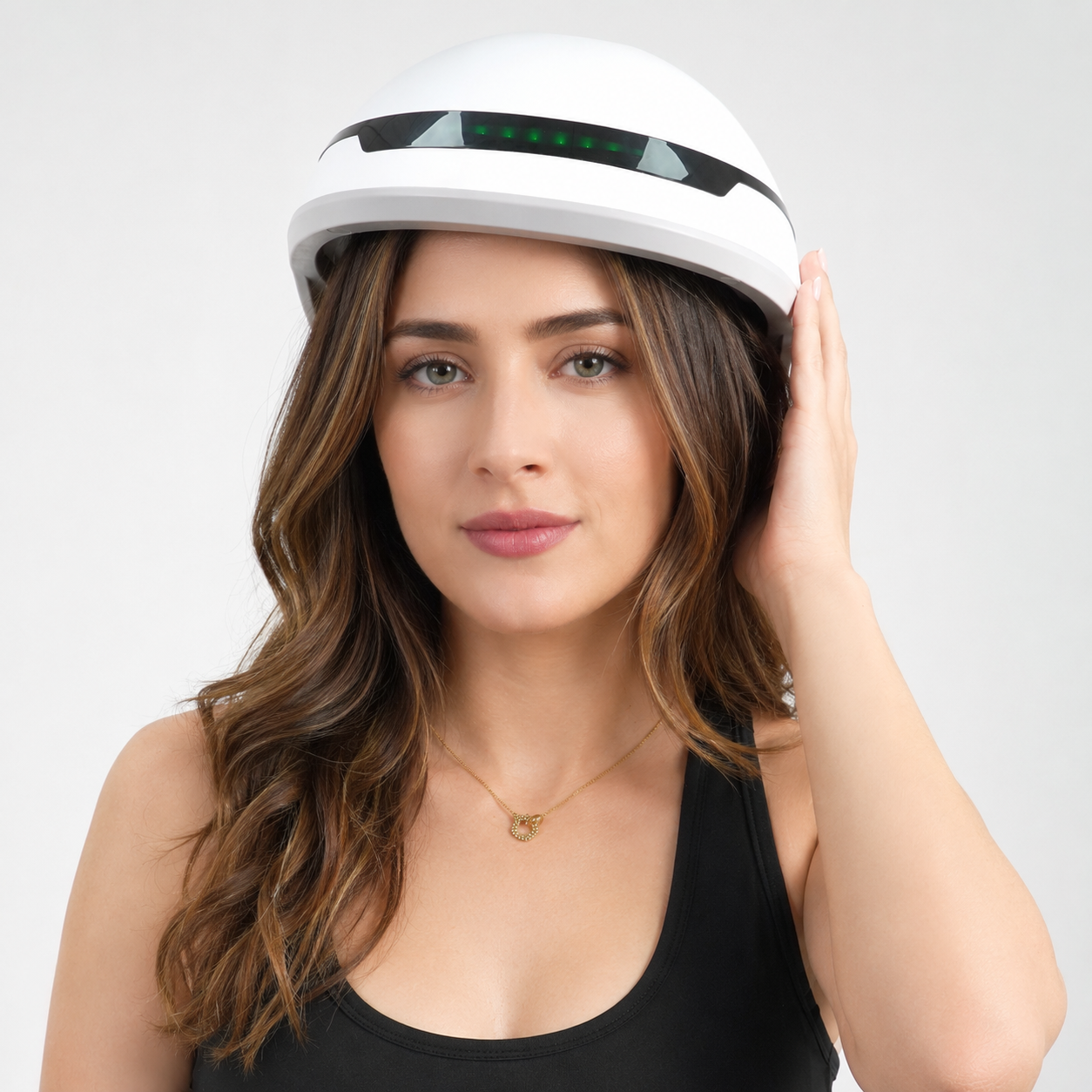
In the red light range, 650nm sits within the visible red spectrum. It is commonly used in low-level laser/light therapy devices designed for hair and scalp applications.
For brands, the key point is simple: 650nm is not just a marketing number. It is one of the widely studied wavelength ranges in low-level laser therapy for hair-related applications. Earlier reviews noted that many studies investigating low-level light therapy for hair growth used wavelengths in the 635nm to 650nm range, while also noting that direct comparison between wavelengths was still limited.
This means 650nm has strong category relevance, but brands should avoid saying it is the “only” effective wavelength or making absolute claims.
Why 650nm Is Popular in Hair Growth Caps
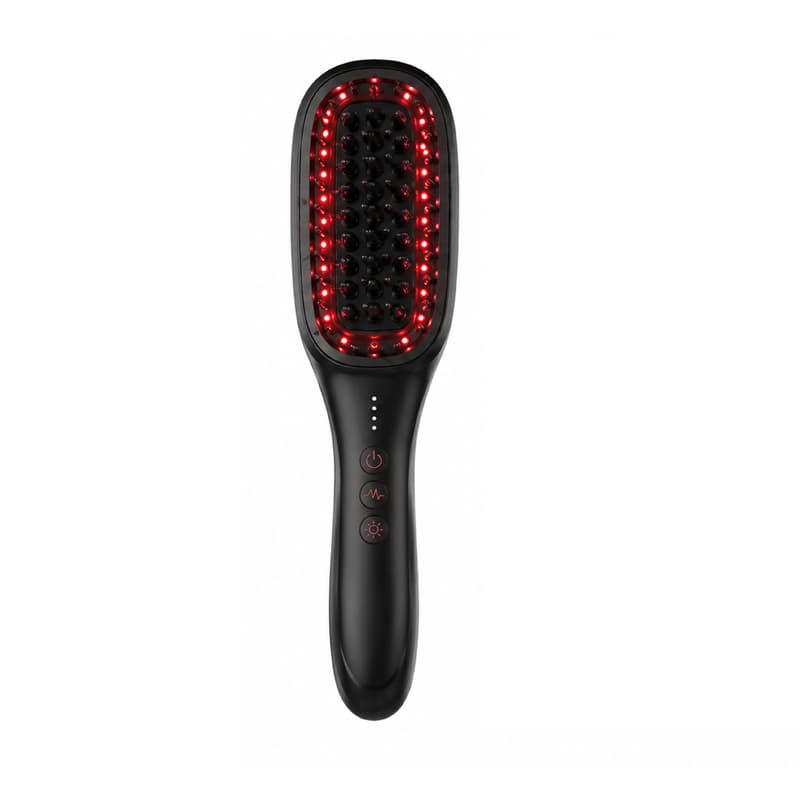
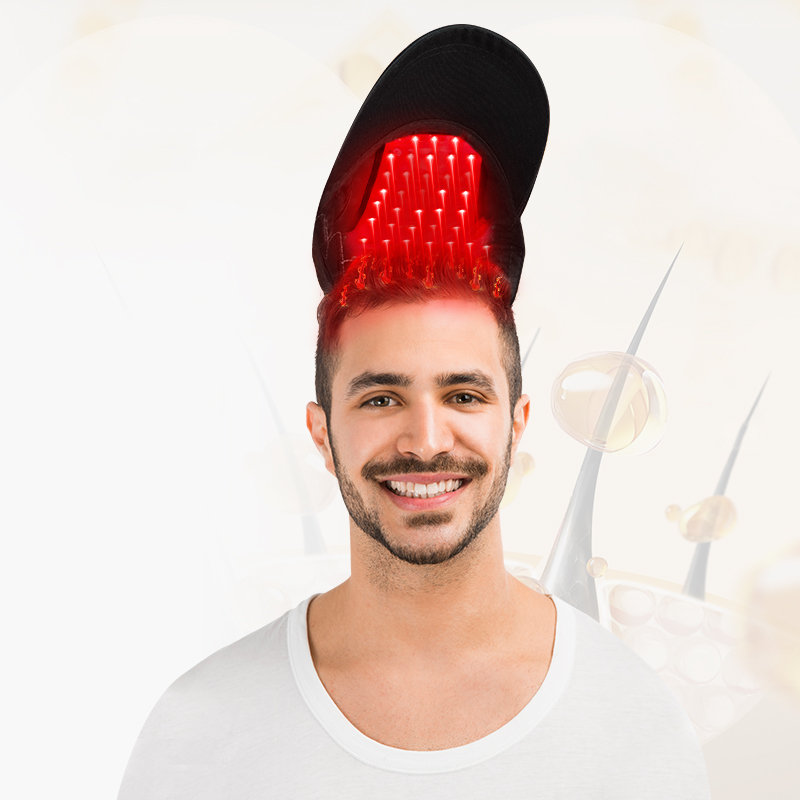
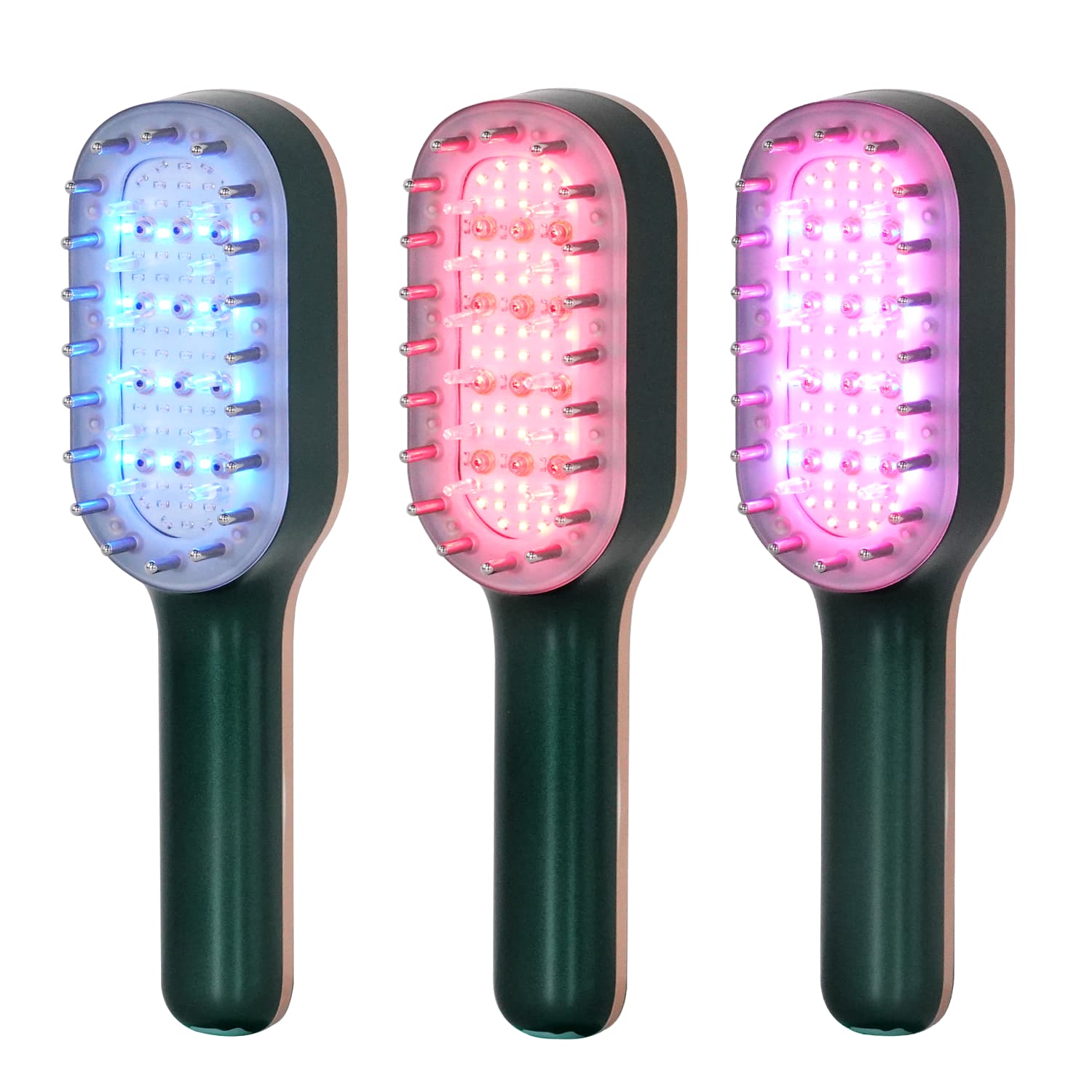
650nm is popular because it is located in a red light range that has been widely used in scalp-focused devices. It also fits well with wearable product formats such as caps, helmets, and comb-style devices.
For product development, 650nm offers several advantages:
- It is easy for customers to understand as “red light”
- It has strong recognition in the hair growth device market
- It can support premium product positioning
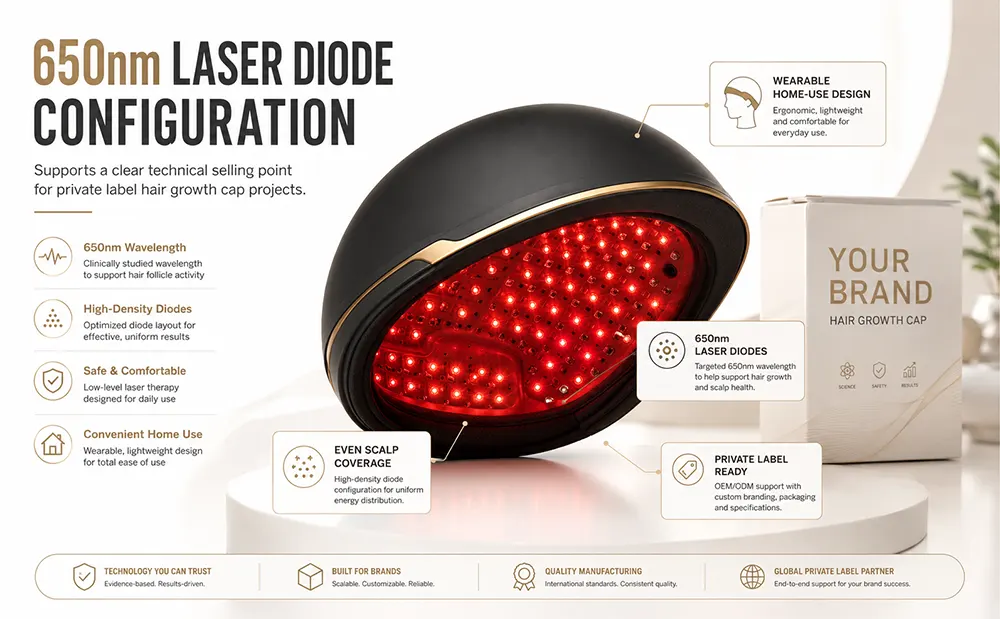
- It works well with laser diode cap designs
- It is commonly used in home-use and professional scalp-care devices
A 2021 study explored the effects and mechanism of 650nm red light using ex vivo hair follicle culture and reported that previous clinical studies had shown stimulation of hair growth with 650nm red light.
For a B2B brand, this does not mean every 650nm device will perform the same. The final product performance also depends on diode quality, power output, coverage area, session time, safety design, thermal control, and manufacturing consistency.
650nm Laser vs LED: What Beauty Brands Should Know
When sourcing a hair growth cap, brands often see two product types: laser diode caps and LED hair growth caps.
A laser diode produces a more focused beam of light, while an LED produces a broader and more diffused light output. In commercial positioning, laser caps are often presented as more premium or professional, while LED-based devices may offer better cost flexibility.
This does not mean one option is always better for every brand. The best choice depends on your sales channel, retail price, product positioning, and customer expectations.
For example:
Laser diode hair growth cap
Best for premium beauty brands, hair clinics, advanced scalp-care devices, and brands that want stronger technical positioning.
LED hair growth cap
Best for mass-market wellness brands, entry-level product lines, and brands that need a more cost-efficient device.
Laser + LED hybrid device
Best for brands that want to balance technical appeal, coverage, and cost.
In a 24-week randomized, double-blind, sham-controlled clinical trial, a helmet-type LLLT device showed better outcomes than sham in hair density and hair diameter, though the study also noted limitations such as small sample size and lack of long-term follow-up.
This is why beauty brands should use balanced language. Instead of saying “650nm cures hair loss,” it is safer to say the product is designed to support scalp care and help improve the appearance of fuller-looking hair as part of a consistent routine.
Why Wavelength Consistency Matters in OEM/ODM Manufacturing
For B2B sourcing, the biggest issue is not only whether the supplier says “650nm.” The real question is whether the manufacturer can maintain wavelength consistency across production batches.
A product sample may look good, but mass production must remain stable. If diode quality changes from batch to batch, the product may lose technical consistency and brand credibility.
Before choosing a 650nm laser hair growth cap manufacturer, buyers should ask:
- Is the wavelength listed as 650nm or 650nm±5nm?
- Can the supplier provide diode specifications?
- Are diodes tested before assembly?
- Is there batch inspection for optical output?
- Can the supplier provide technical data for private label documentation?
- Does the product page, manual, and packaging use consistent specifications?
Pureluxtech lists its laser hair growth cap wavelength as 650nm+5nm, with 25mW power, 270×190×140mm dimensions, 1kg net weight, and FDA, CE, RoHS, and FCC-related certification information on the product page.
For beauty brands, these details are useful for product pages, distributor catalogs, Amazon listings, and sales training materials.
650nm and Product Positioning
The 650nm wavelength can help brands create a clear technical story. However, it should be connected to real product value, not just placed on the packaging as a number.
For example, a brand can position a 650nm laser hair growth cap around:
- Non-invasive scalp-care routine
- Red light hair wellness technology
- Wearable home-use hair care
- Laser diode scalp coverage
- Private label hair growth device
- Professional beauty and wellness channel supply
For B2B buyers, this creates a stronger product narrative than simply saying “hair regrowth cap.”
A good product description may read:
“Designed with 650nm red laser technology, this wearable hair growth cap supports a consistent, non-invasive scalp-care routine for beauty, wellness, and hair care brands.”
This sentence is clear, technical, and safer than making direct treatment guarantees.
What Brands Should Ask Before Ordering a 650nm Hair Growth Cap
Before placing a sample or bulk order, buyers should clarify the following points with the manufacturer.
1. Is the Device Laser, LED, or Hybrid?
Do not assume every red light cap uses laser diodes. Ask clearly whether the product uses laser, LED, or both.
2. What Is the Exact Wavelength Range?
A professional supplier should provide a defined wavelength range, such as 650nm±5nm.
3. How Many Diodes Are Used?
Diode count affects coverage, cost, and perceived value. Higher diode count may support a premium price point, but it also increases cost.
4. What Is the Power Output?
Ask for output information per diode or per product platform. This helps you compare suppliers more accurately.
5. What Is the Recommended Session Time?
A clear usage routine improves customer experience. Some Pureluxtech hair growth cap content describes a 10-minute daily use routine, but final instructions should always follow the product manual and market-specific compliance review.
6. Can the Product Be Customized?
For private label projects, confirm logo, packaging, color, manual, charging accessories, outer carton, and language customization.
7. Are the Documents Model-Specific?
Certification documents should match the exact model being purchased. Do not rely on generic certificates that are not linked to your product.
Conclusion
650nm is one of the most important wavelengths in the laser hair growth cap category. It is widely recognized, commonly used in scalp-care devices, and easy for beauty brands to communicate to customers, distributors, and professional channels.
However, wavelength alone does not define product quality. A successful 650nm laser hair growth cap also depends on diode quality, output stability, scalp coverage, comfort, battery design, product safety, certification support, and manufacturing consistency.
For beauty brands, clinics, wellness retailers, and e-commerce sellers, the best approach is to work with a manufacturer that understands both the technology and the B2B launch process.
Ready to develop your own 650nm laser hair growth cap line? Contact Pureluxtech to request product specifications, private label options, MOQ details, and OEM/ODM quotation.