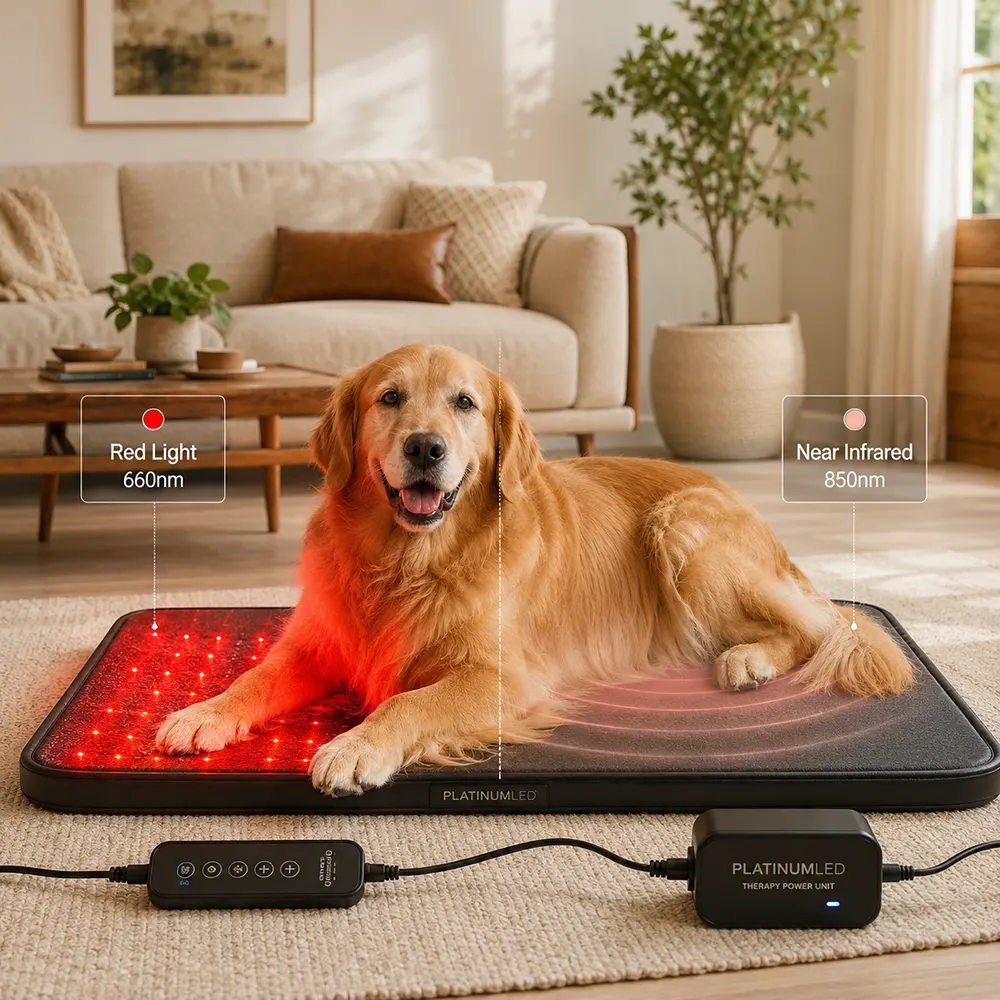
When researching red light therapy devices, two numbers dominate the conversation: 660nm and 850nm. These wavelengths represent the foundation of most therapeutic LED panels, yet they serve distinctly different purposes in the body. Understanding the differences between 660nm and 850nm red light therapy panels is essential for making an informed purchase—whether you are a consumer seeking personal wellness solutions or a business evaluating products for commercial deployment.
This comprehensive comparison breaks down the science, benefits, applications, and practical considerations of each wavelength, helping you choose the right panel for your specific goals. We will also explore how leading manufacturers like Pureluxtech integrate both wavelengths into versatile, high-performance devices.
The Science: Wavelength, Visibility, and Penetration
Before comparing therapeutic effects, it is important to understand the fundamental differences between these two wavelengths.
|
Characteristic
|
660nm (Visible Red)
|
850nm (Near-Infrared)
|
|---|---|---|
|
Spectrum Location
|
Visible red light
|
Invisible near-infrared (NIR)
|
|
Human Eye Perception
|
Bright red glow
|
Completely invisible (may appear faint deep red due to minor visible spill)
|
|
Primary Penetration Depth
|
1–3 mm (epidermis/dermis)
|
20–40 mm (muscle, joint, bone, nerve tissue)
|
|
Key Cellular Target
|
Skin fibroblasts, superficial capillaries
|
Mitochondria in deep tissues, nerve cells, muscle fibers
|
|
Primary Mechanism
|
Collagen stimulation, surface anti-inflammatory
|
ATP production boost, deep-tissue repair, pain modulation
|
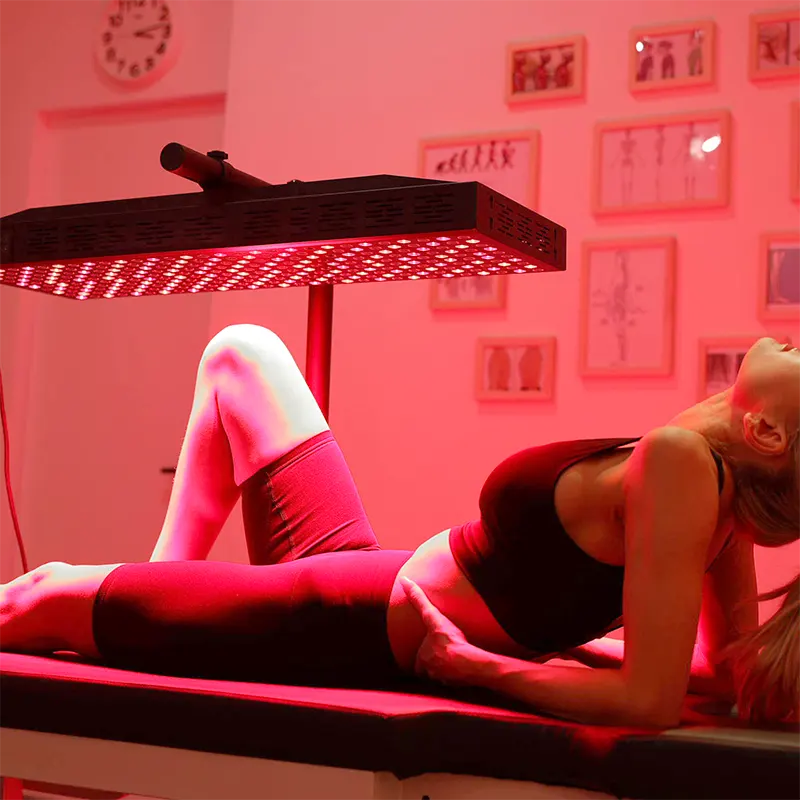
660nm Red Light: The Surface Specialist
Primary Therapeutic Benefits
- Collagen & Elastin Production: Stimulates fibroblasts to produce more structural proteins, reducing fine lines, wrinkles, and improving skin elasticity.
- Acne & Blemish Management: Helps regulate sebum production and reduces inflammation associated with breakouts.
- Wound Healing & Scar Reduction: Accelerates cellular turnover and tissue repair for minor cuts, surgical incisions, or post-procedure recovery.
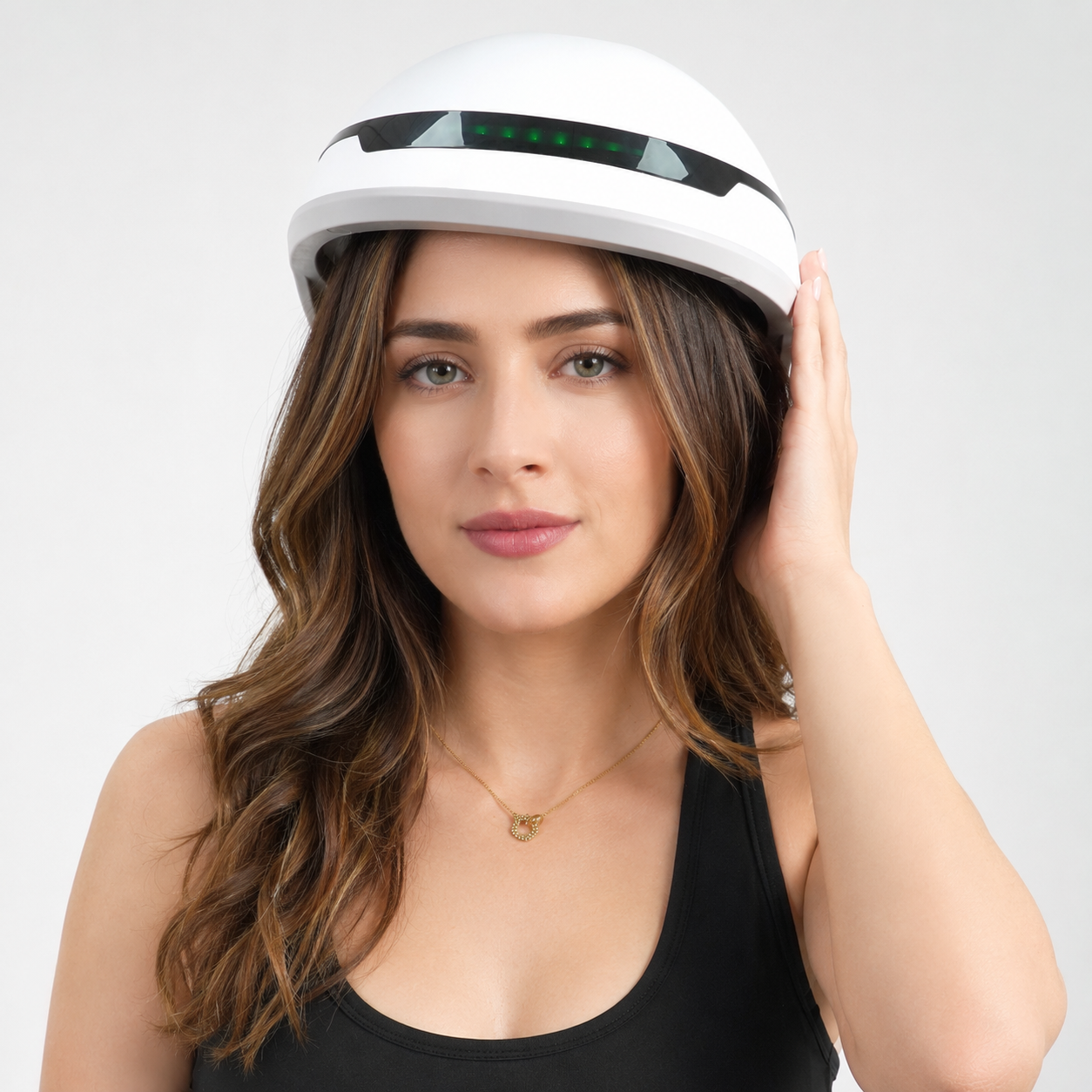
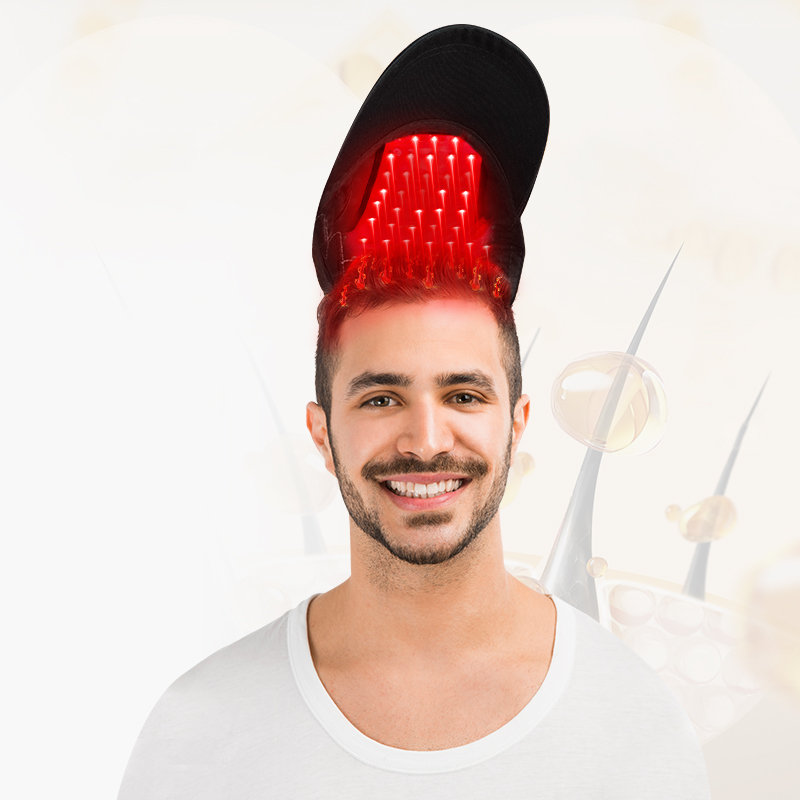
- Hair Growth Support: When applied to the scalp, 660nm light can activate dormant hair follicles and extend the anagen (growth) phase.
- Surface Inflammation Reduction: Calms redness, rosacea, and mild skin conditions through anti-inflammatory signaling.
Ideal Use Cases for 660nm Panels
- Facial rejuvenation routines (morning or evening skincare)
- Targeted treatment for acne-prone zones (forehead, chin, back)
- Scalp therapy for thinning hair (paired with a dedicated headband or panel)
- Post-procedure skin soothing (after microneedling, laser, or chemical peels)
- Hand, neck, or décolletage treatments for visible anti-aging benefits
💡 Pro Tip: For skin-focused goals, consistency matters more than session length. Daily 5–10 minute exposures at 6–12 inches distance typically yield visible results in 4–8 weeks.
850nm Near-Infrared Light: The Deep-Tissue Healer
Primary Therapeutic Benefits
- Muscle Recovery & Soreness Relief: Reduces delayed onset muscle soreness (DOMS) by clearing metabolic waste and reducing inflammation in muscle fibers.
- Joint Pain & Arthritis Support: Penetrates cartilage and synovial fluid to ease stiffness from osteoarthritis, tendonitis, or injury.
- Nerve Regeneration & Neuropathy Support: Supports repair of peripheral nerves, helpful for diabetic neuropathy or post-surgical recovery.
- Enhanced Circulation & Oxygenation: Promotes nitric oxide release, improving blood flow to deep tissues and accelerating healing.
- Bone Health Support: Emerging research suggests NIR light may support osteoblast activity and fracture healing.
Ideal Use Cases for 850nm Panels
- Post-workout recovery for athletes or fitness enthusiasts
- Managing chronic lower back, knee, shoulder, or hip pain
- Supporting recovery from sports injuries, sprains, or repetitive strain
- Whole-body wellness sessions (paired with a large panel or full-body device)
- Targeted treatment for deep-tissue conditions like plantar fasciitis or rotator cuff issues
💡 Pro Tip: Since 850nm is invisible, use a panel with a faint indicator light or timer to confirm it is active. Position the device 4–8 inches from the target area for optimal energy delivery without sacrificing coverage.
The Synergy Effect: Why Combine 660nm + 850nm?
Benefits of Dual-Wavelength Therapy
- Comprehensive Coverage: Treat skin concerns while simultaneously addressing underlying muscle or joint issues.
- Enhanced Cellular Response: Mitochondria respond more robustly when stimulated by multiple wavelengths, potentially amplifying ATP production.
- Time Efficiency: One session delivers dual benefits—no need to switch devices or protocols.
- Adaptability: Toggle between red-only, NIR-only, or combo mode depending on your daily needs (supported in many advanced panels).
Real-World Example: Knee Osteoarthritis Treatment
- 660nm: Reducing surface inflammation and supporting skin health around the joint
- 850nm: Penetrating deep into the joint capsule to modulate pain signals and support cartilage health
- Combined: Accelerating overall recovery while improving both appearance and function
Choosing the Right Panel: Key Technical Considerations
🔹 Wavelength Accuracy & Tolerance
- Look for panels that specify ±5nm tolerance for peak wavelengths.
- Request spectrometer verification reports from the manufacturer.
- Avoid suppliers who list vague ranges like “630–660nm” without precise peak data.
✅ Pureluxtech Standard: All E Series and Esplus Series panels undergo batch-level spectrometer testing to ensure 660nm and 850nm outputs remain within tight tolerances.
🔹 Irradiance at Treatment Distance
- Irradiance (mW/cm²) measured at **6 inches **(15 cm) is the most relevant metric for real-world use.
- For effective therapy, aim for ≥100 mW/cm² for home use or ≥150 mW/cm² for clinical applications.
- Verify that irradiance data is provided for both 660nm and 850nm channels independently.
🔹 LED Architecture & Chip Quality
- Standard LEDs: Single wavelength per chip; simpler but may require more units for equivalent output.
- Dual-Core Technology: As featured in Pureluxtech’s Esplus Series, dual-core chips emit both red and NIR light simultaneously from a single housing, increasing energy density without increasing heat.
🔹 Thermal Management
- High-powered panels generate heat; poor thermal design leads to lumen depreciation and wavelength drift.
- Look for aircraft-grade aluminum housing with optimized fin structures for passive cooling.
- Avoid panels that rely solely on active fans for high-wattage models, as fans introduce noise and potential failure points.
🔹 Control Flexibility
- Independent Channel Control: Ability to use 660nm only, 850nm only, or both simultaneously.
- Pulse Mode Options: Specific frequencies (e.g., 10Hz for inflammation, 40Hz for neurological support) can enhance therapeutic outcomes.
- Dimming Functionality: Adjustable intensity for sensitive areas or gradual protocol progression.
💡 Pureluxtech Feature: E Series and Esplus Series panels support environmental light mode (gentle ambient use), pulse recovery mode, and independent wavelength control via intuitive interfaces.
Safety & Usage Best Practices
- Eye Protection: While 660nm is visible and easy to avoid looking at directly, 850nm is invisible. Use provided goggles during facial treatments or if you are light-sensitive.
- Start Conservatively: Begin with 5-minute sessions and gradually increase to 15–20 minutes as tolerated.
- Maintain Proper Distance: Keep the panel 4–8 inches from skin. Closer distances increase irradiance but reduce coverage area.
- Consistency Is Key: Aim for 3–5 sessions per week. Benefits accumulate over weeks, not hours.
- Avoid Overuse: More isn’t always better. Excessive exposure can lead to temporary redness or diminished returns due to biphasic dose response.
❗ Contraindications: Consult a healthcare provider before use if you are pregnant, have photosensitivity conditions, take light-sensitive medications (e.g., certain antibiotics), or have active cancer in the treatment area.
Why Pureluxtech Excels in Dual-Wavelength Engineering
Advanced Product Lines
- E Series: Offers scalable power options (300W to 4500W) with precise 660nm/850nm combinations, high irradiance, and robust aluminum housing. Ideal for both home and commercial applications.
- Esplus Series: Introduces dual-core dual-wavelength technology and extended NIR options (up to 1060nm), providing deeper therapeutic capabilities for advanced users and clinical settings.
Verified Performance Data
Partnership-Focused Support